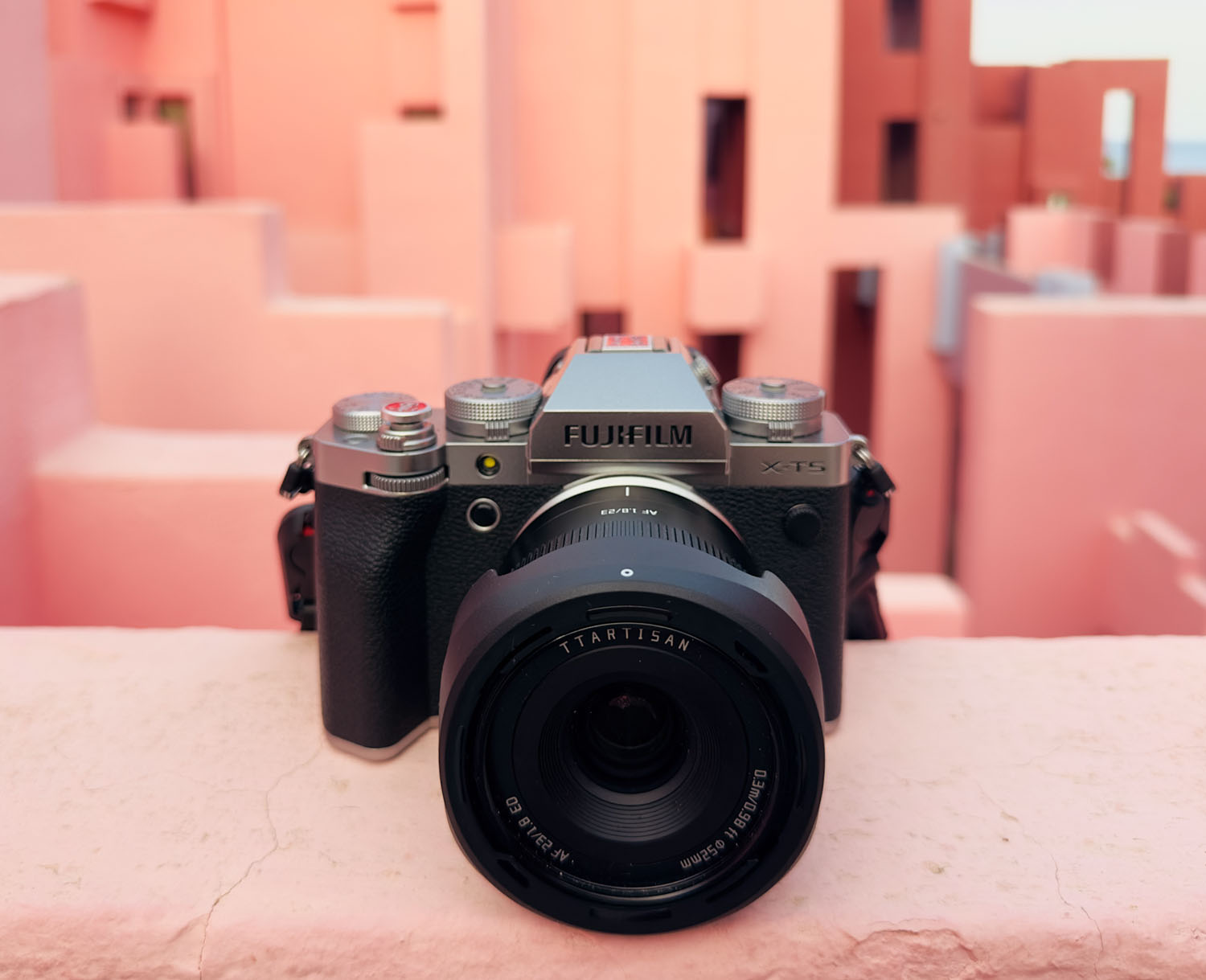
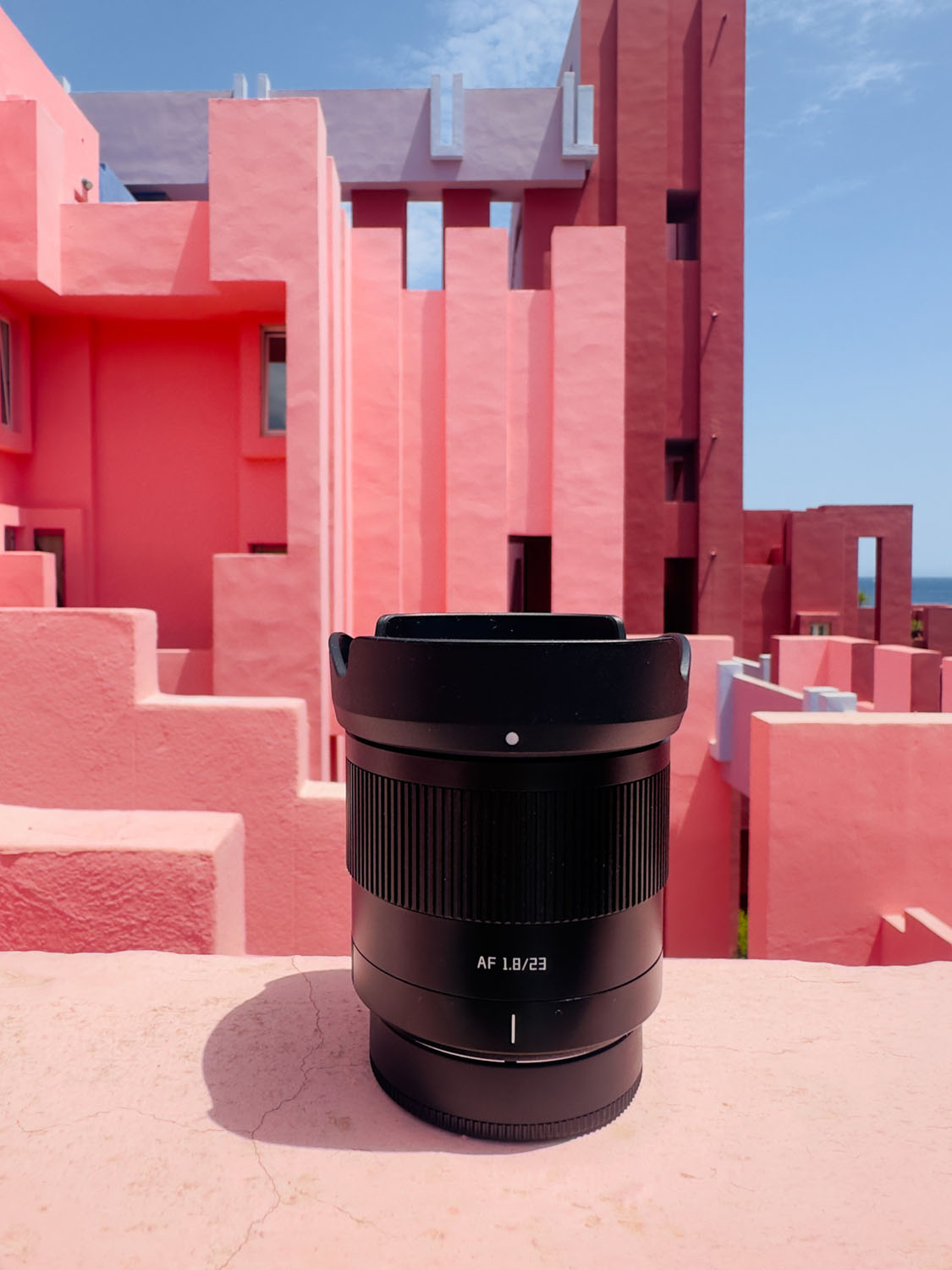
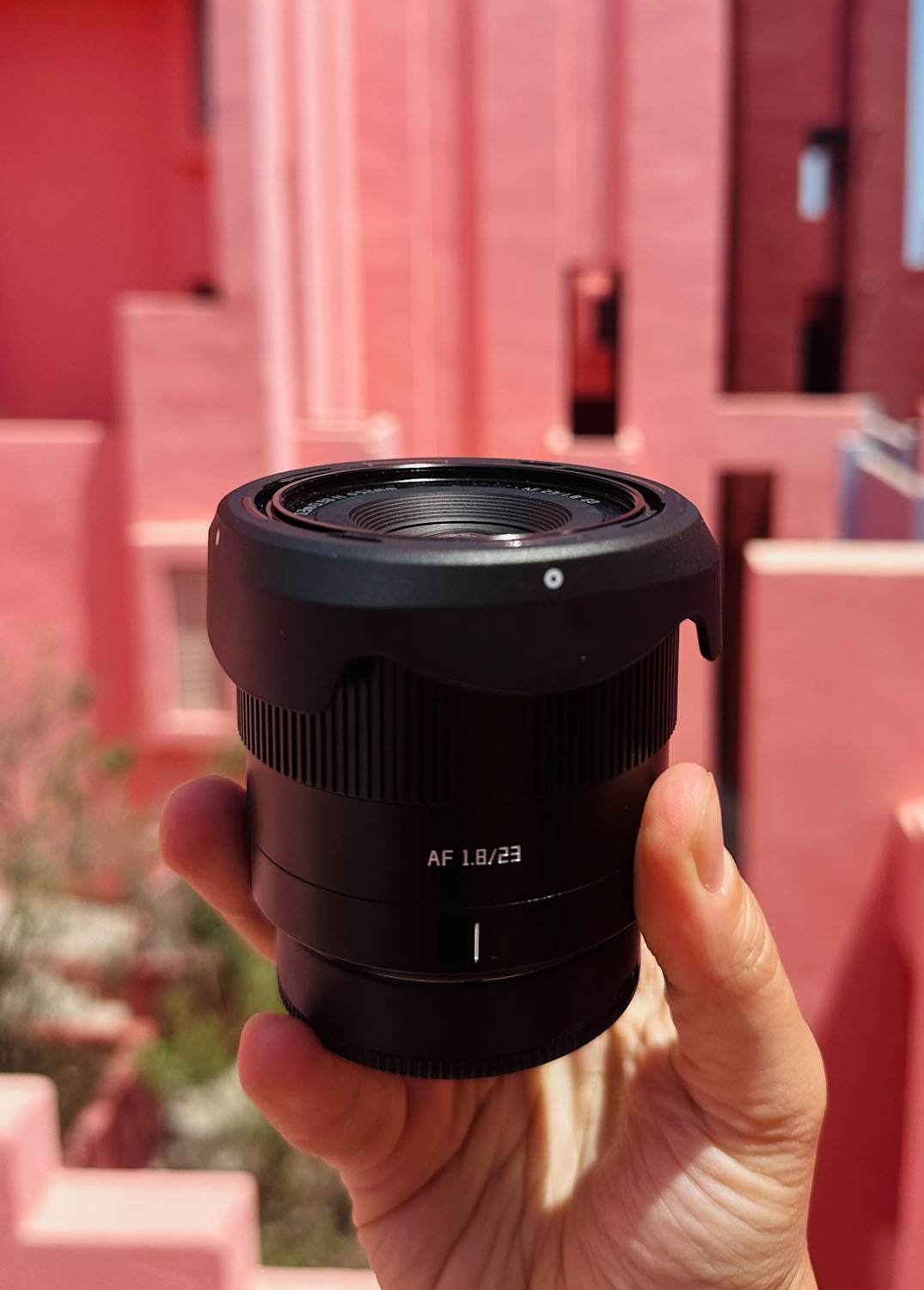
TTArtisan 23mm f/1.8 AF — The lens I keep on my camera
There is something I like about travelling with just one lens.
It forces me to slow down, instead of constantly thinking about which focal length I should use, I start paying more attention to where I am standing, to the light, to the lines of a building, to the person who has just entered the frame.
That is probably why the TTArtisan 23mm f/1.8 AF has become one of those lenses I keep coming back to.
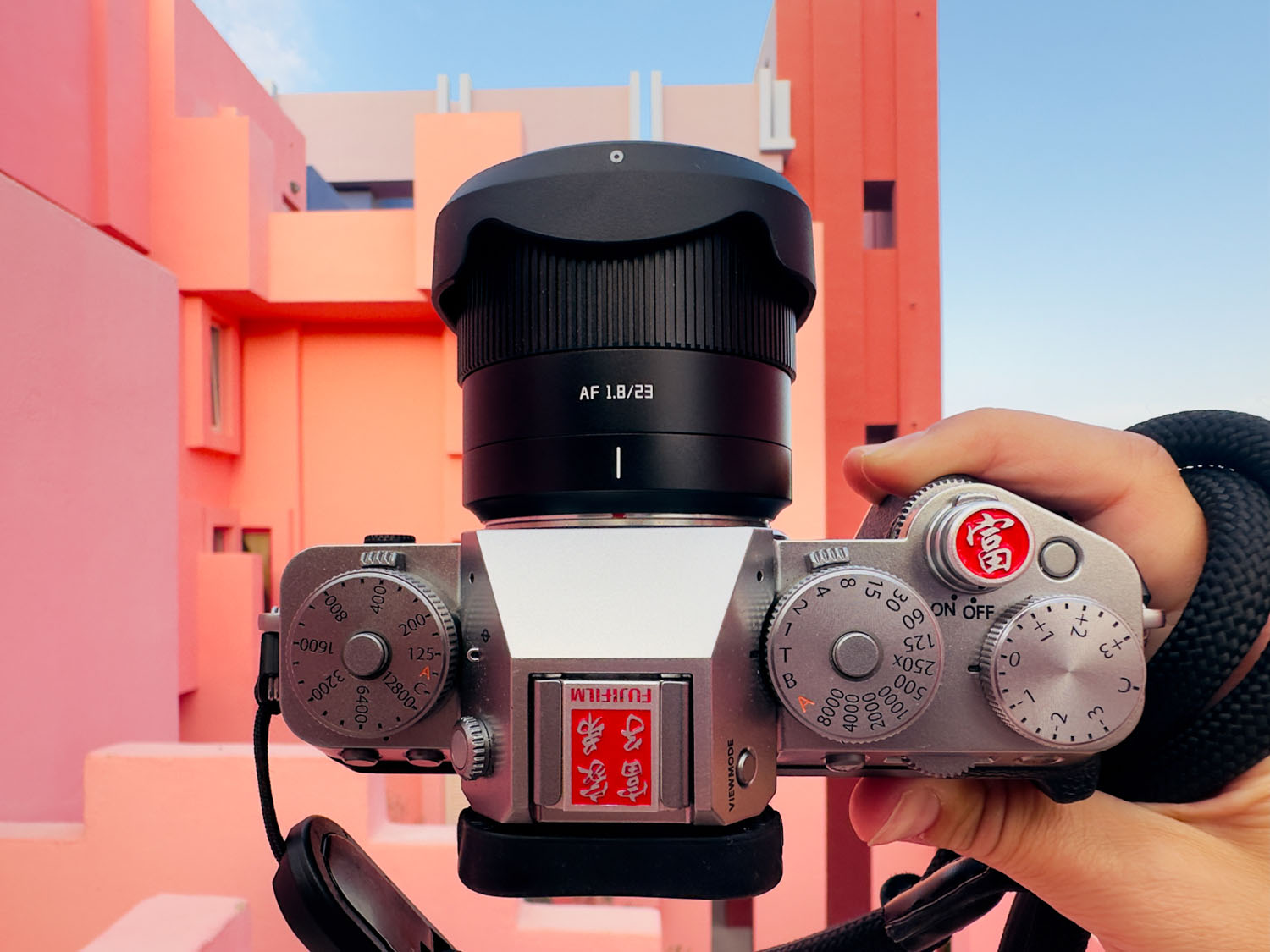
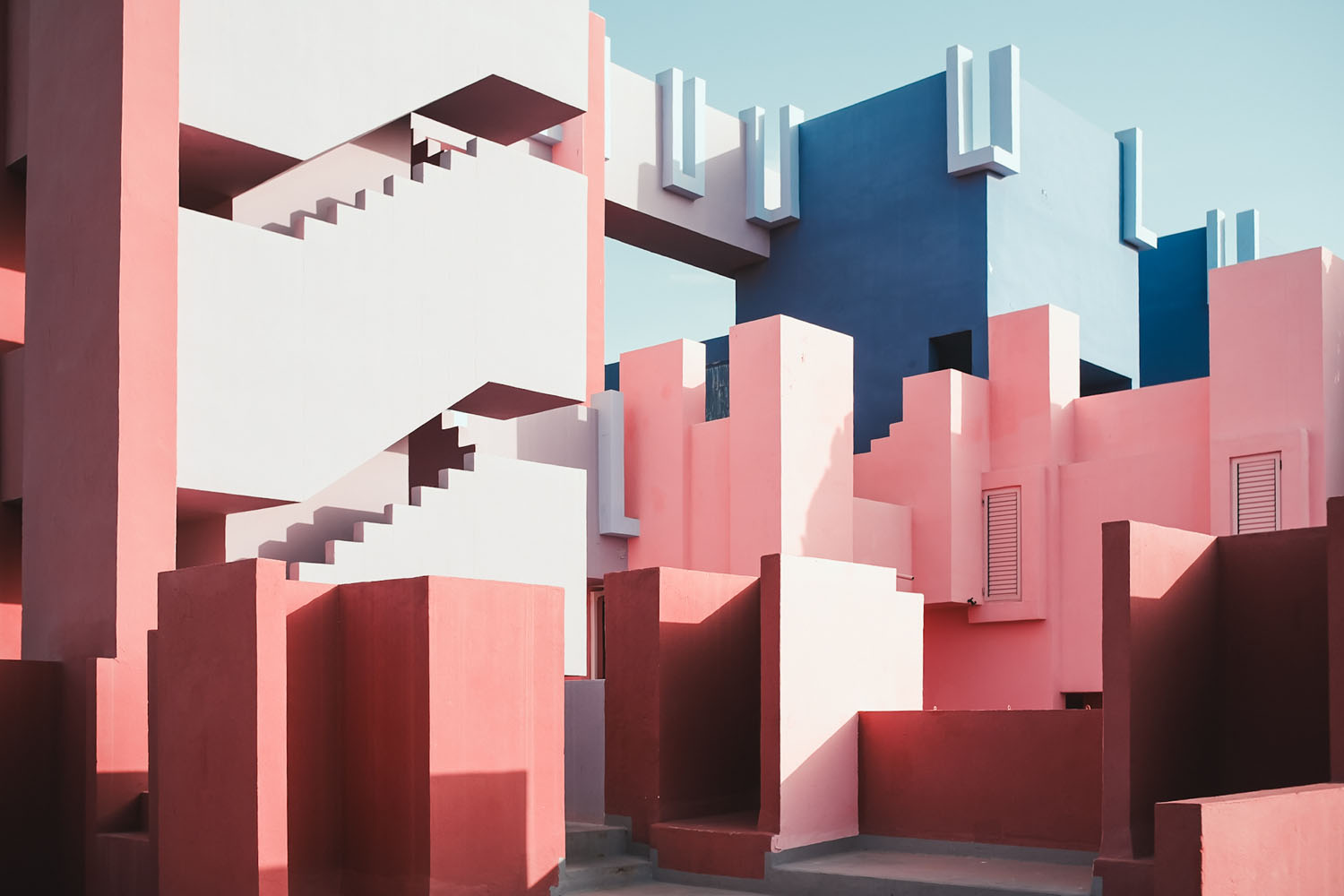
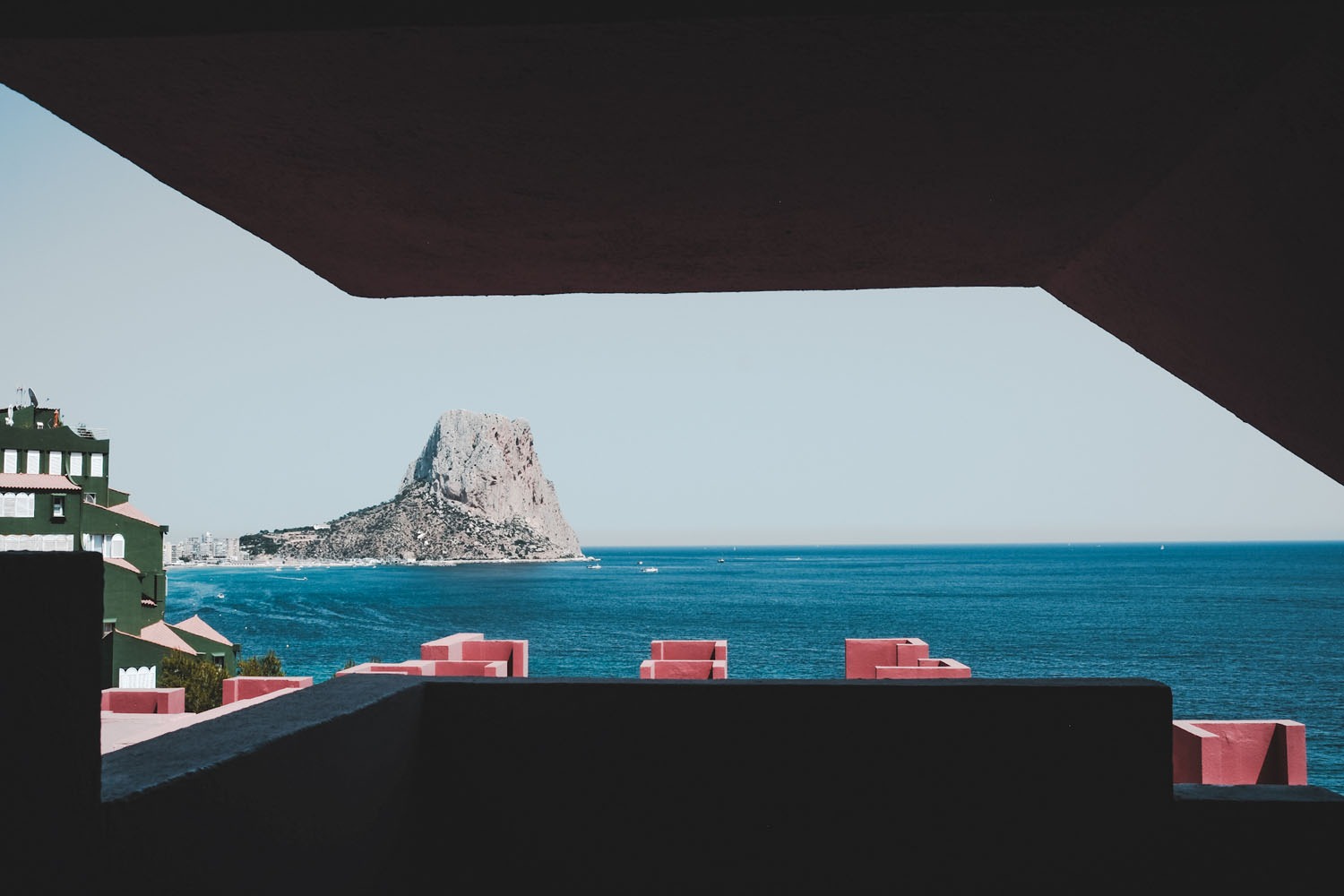
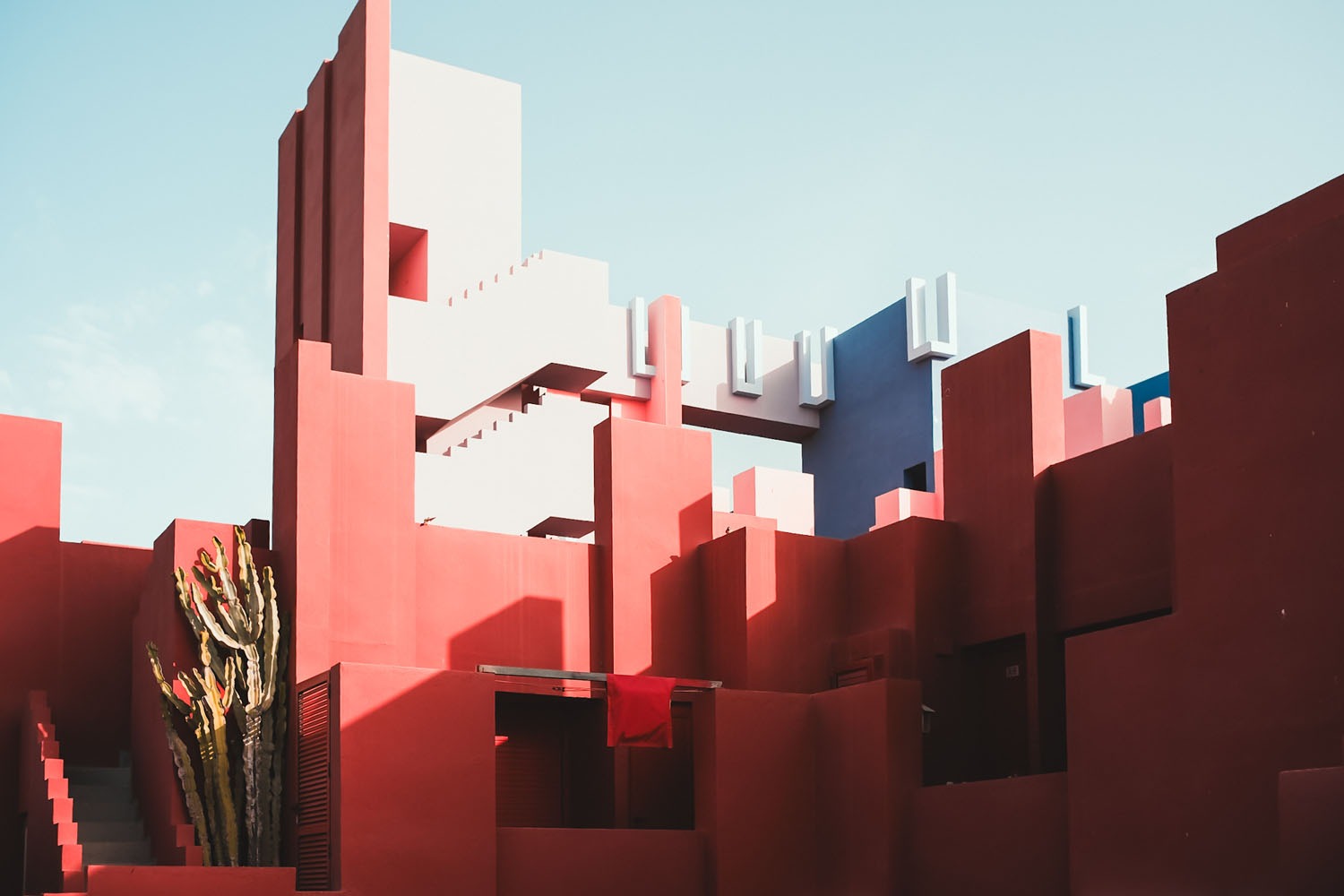
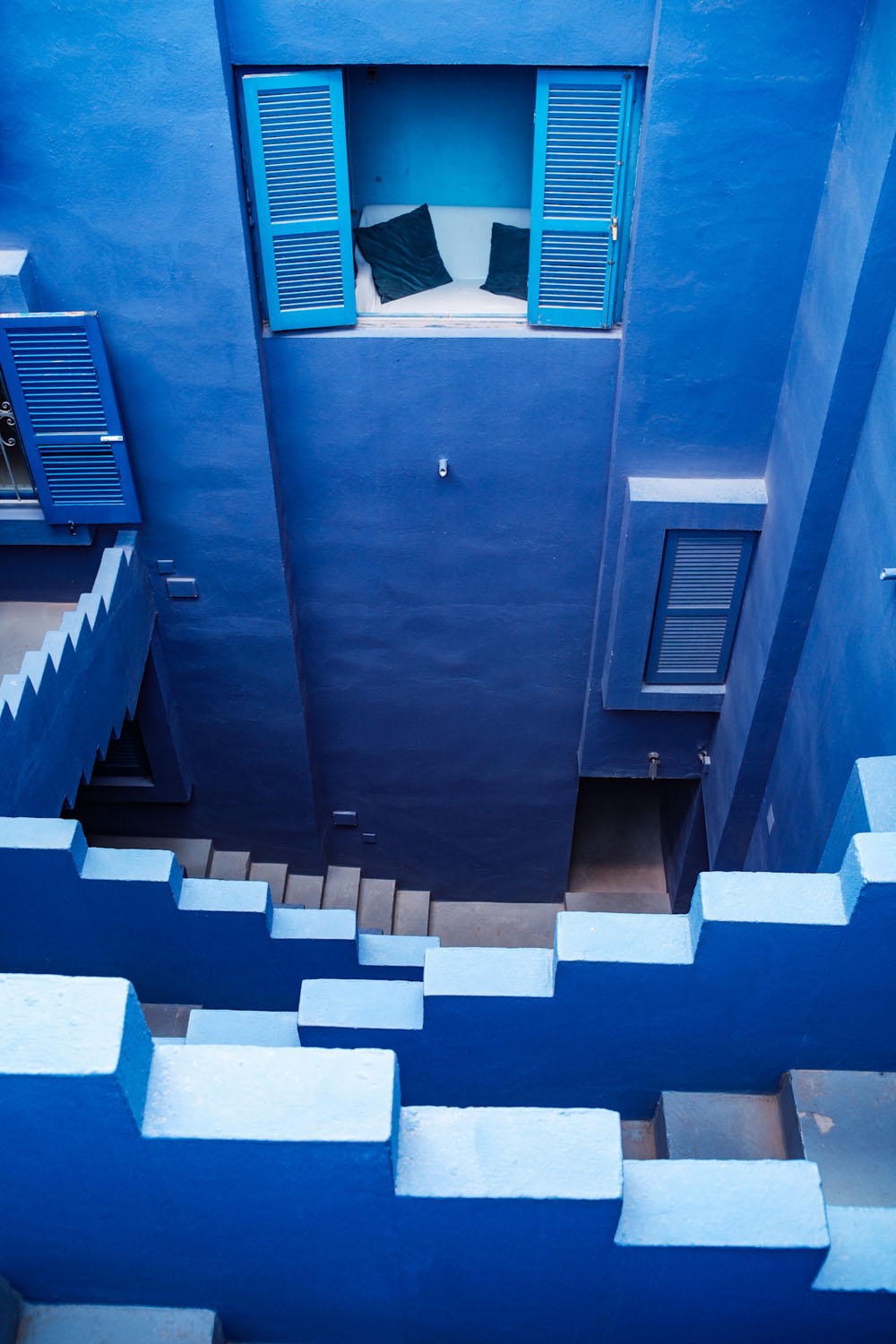
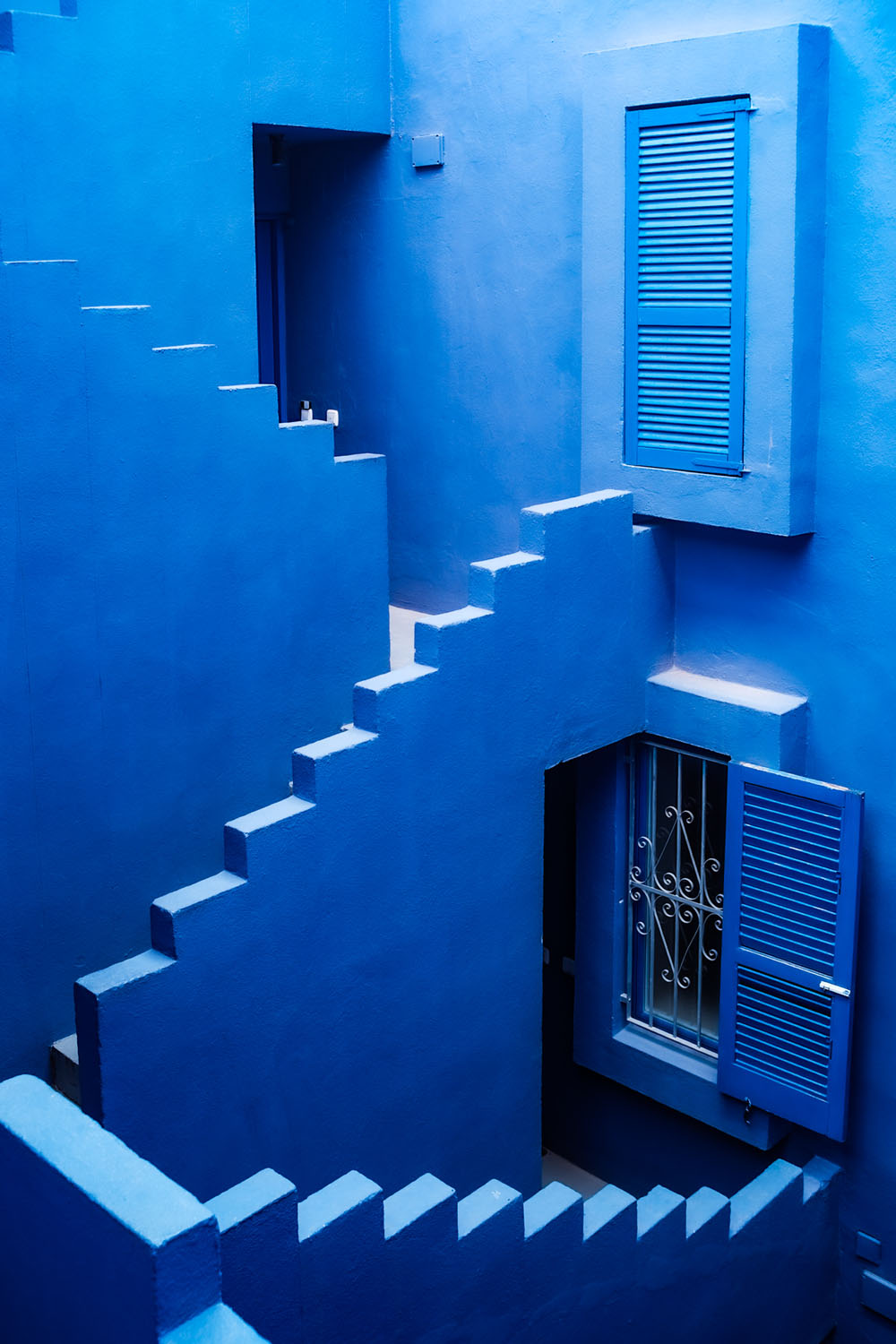
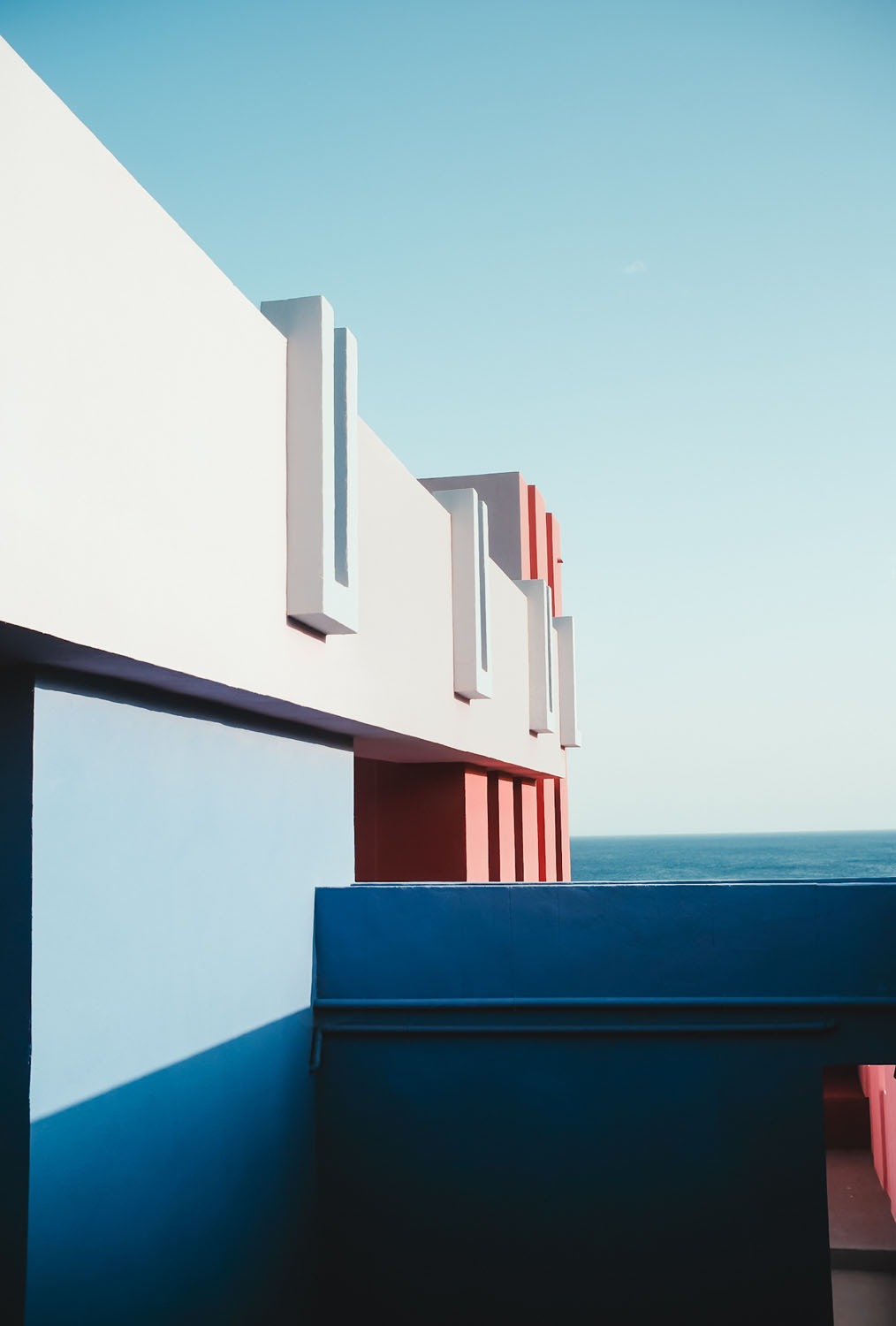
I took it with me on a recent trip to Calpe, Spain, where I spent a lot of time photographing Ricardo Bofill’s Muralla Roja. With its geometric shapes, intense colours and seemingly endless corridors and staircases, it is the kind of place that makes you want to keep walking and looking for another angle.
And I had the 23mm on my Fujifilm X-T5 for most of it.
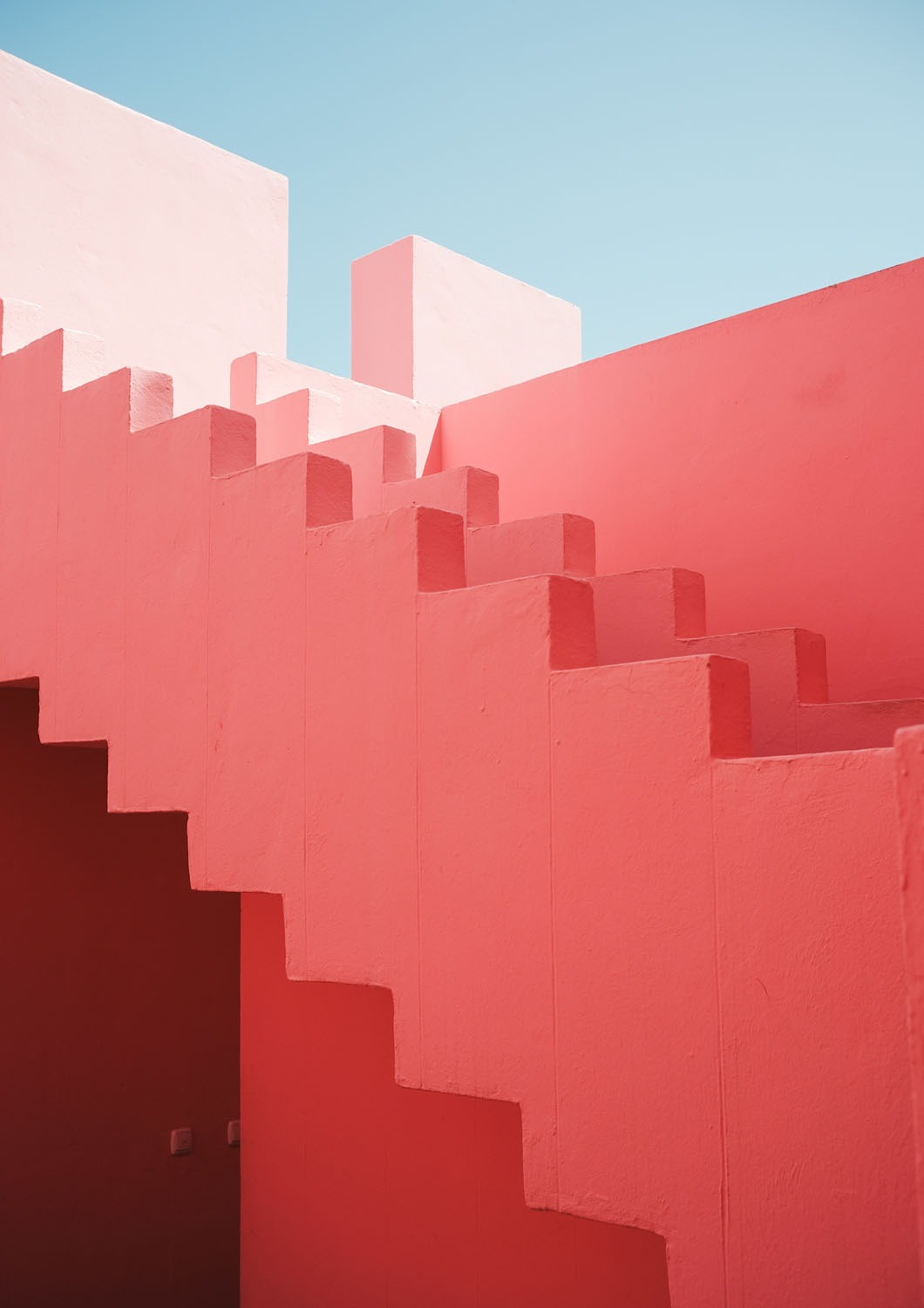
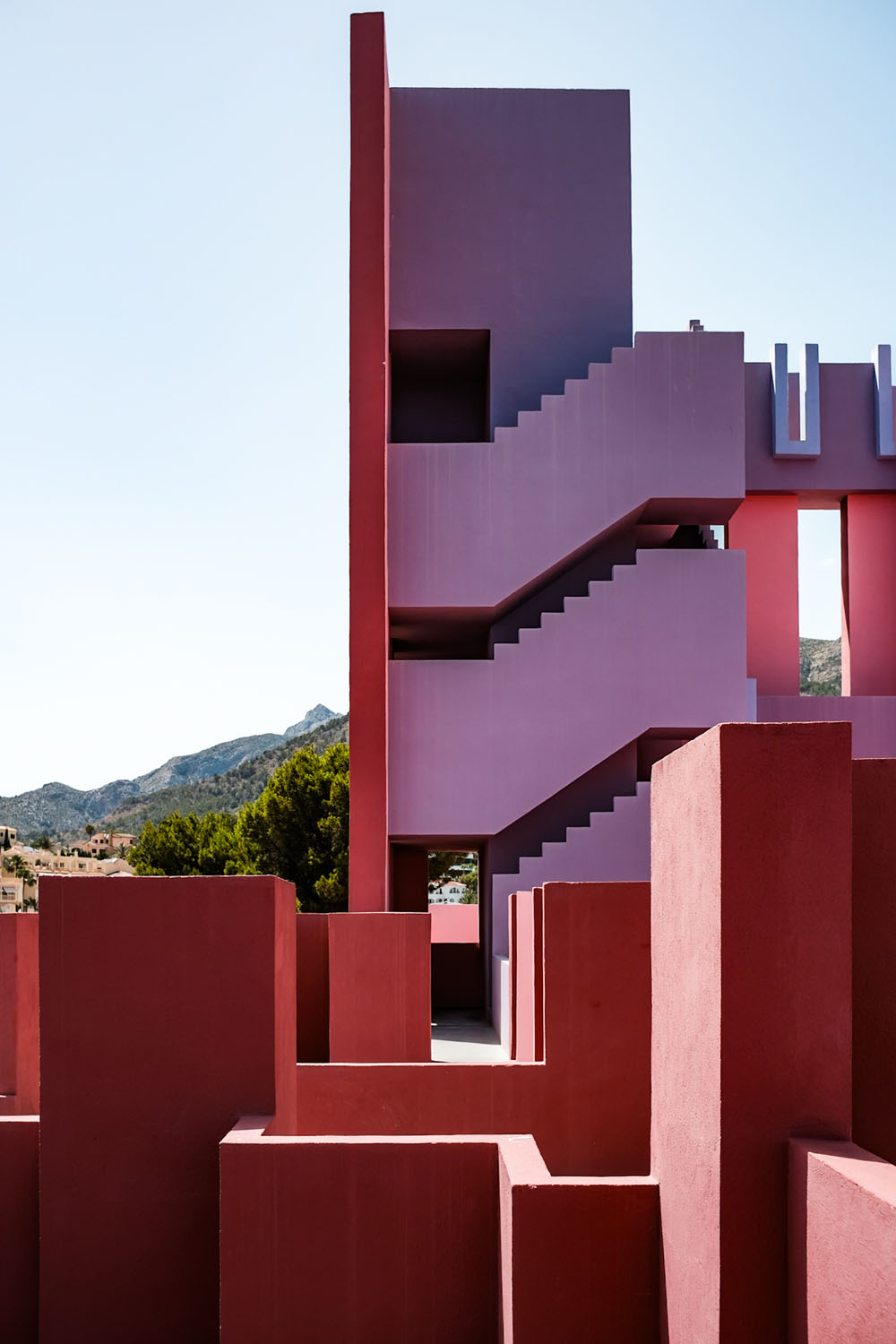
RIGHT: Fuji X-T5 . TTArtisan 23mmF1.8 AF . F/9 . 1/350″ . ISO 125
Why I Chose the 23mm
I’m a photographer and a solo traveller, so the way I photograph is closely connected to the way I travel.
I don’t usually have a specific shot in mind. I walk, observe, wait for something to catch my attention, and then photograph it.
Street photography and architecture are the two areas I naturally gravitate towards.
I’m interested in the relationship between people and the spaces they inhabit, and in those small moments when light, geometry and movement suddenly come together.
For that kind of photography, I find the 35mm-equivalent perspective particularly intuitive. The TTArtisan 23mm gives me exactly that on the X-T5.
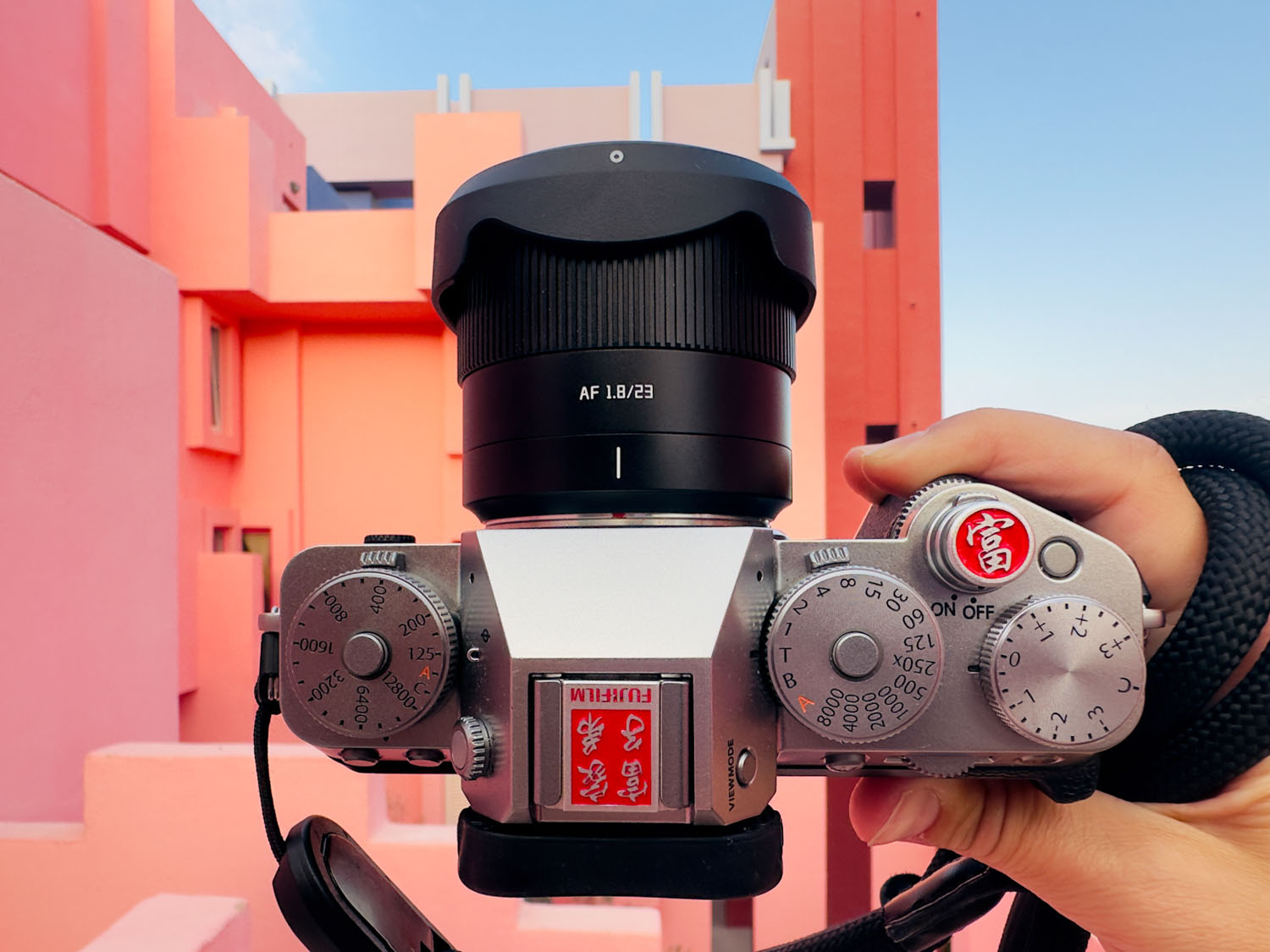
It is wide enough to show the environment, but not so wide that everything starts to feel distant. I can photograph a building while still giving it some context, or get closer to a person without completely disconnecting them from the place around them.
The decision to try it wasn’t complicated.
I was looking for a combination of things: a fast aperture, a small and relatively light body, autofocus, and a price that made it difficult to ignore. Sometimes that’s enough.
Small Enough to Take Everywhere
One of the first things I noticed about this lens is how easy it is to live with.
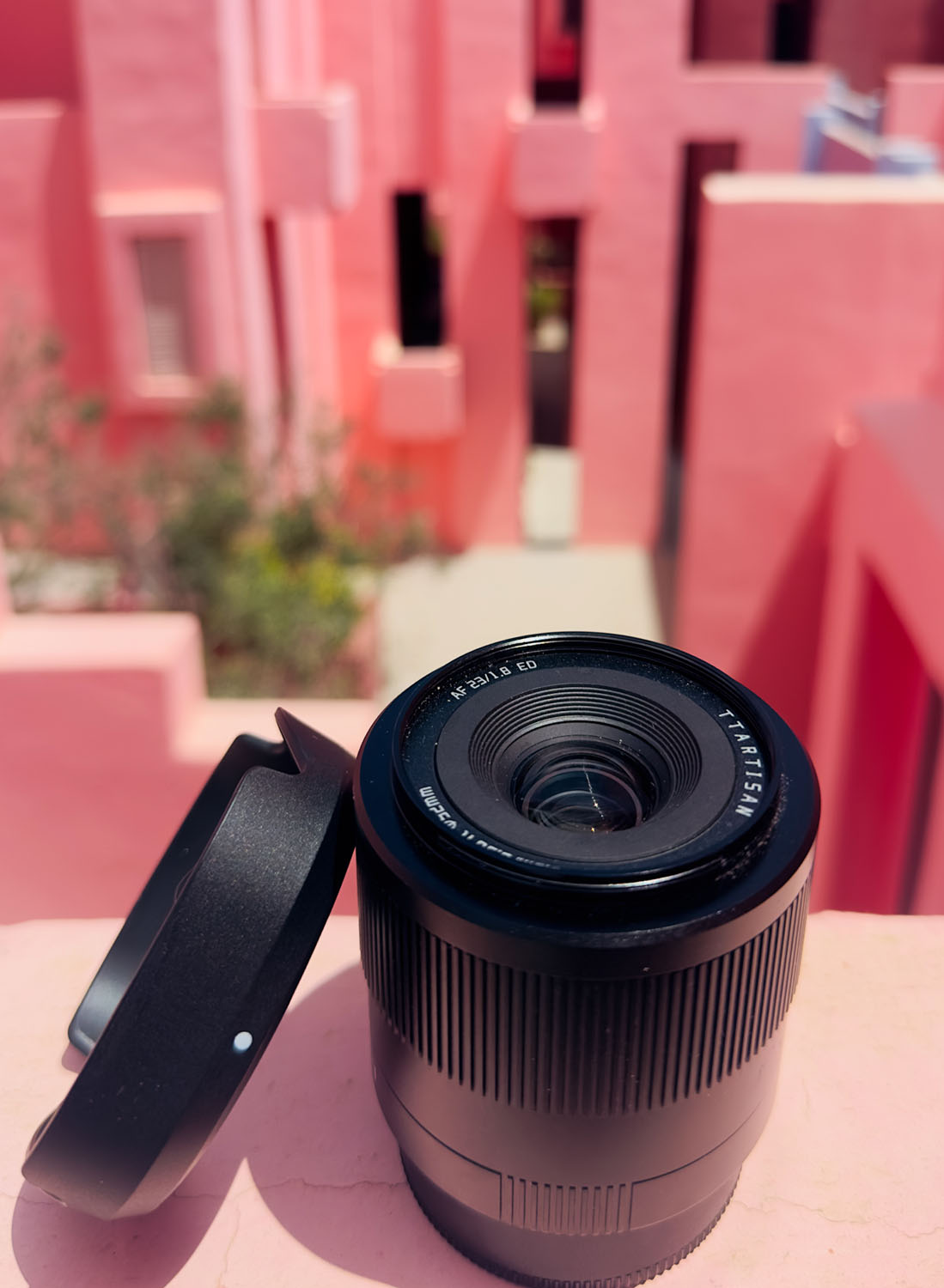
At around 210g, it doesn’t add much weight to the X-T5, which makes a difference when you’re carrying a camera for hours, and while the aluminium construction gives it a reassuringly solid feel, it never feels like a piece of equipment that needs to be protected from the world. That’s important to me.
When I’m travelling alone, I don’t want my camera bag to become another thing I have to manage.
I want to be able to walk for an entire afternoon, stop whenever I see something interesting, take a photograph and keep going.
The 23mm fits very naturally into that way of working, the lens simply became part of the camera.
The Muralla Roja Test
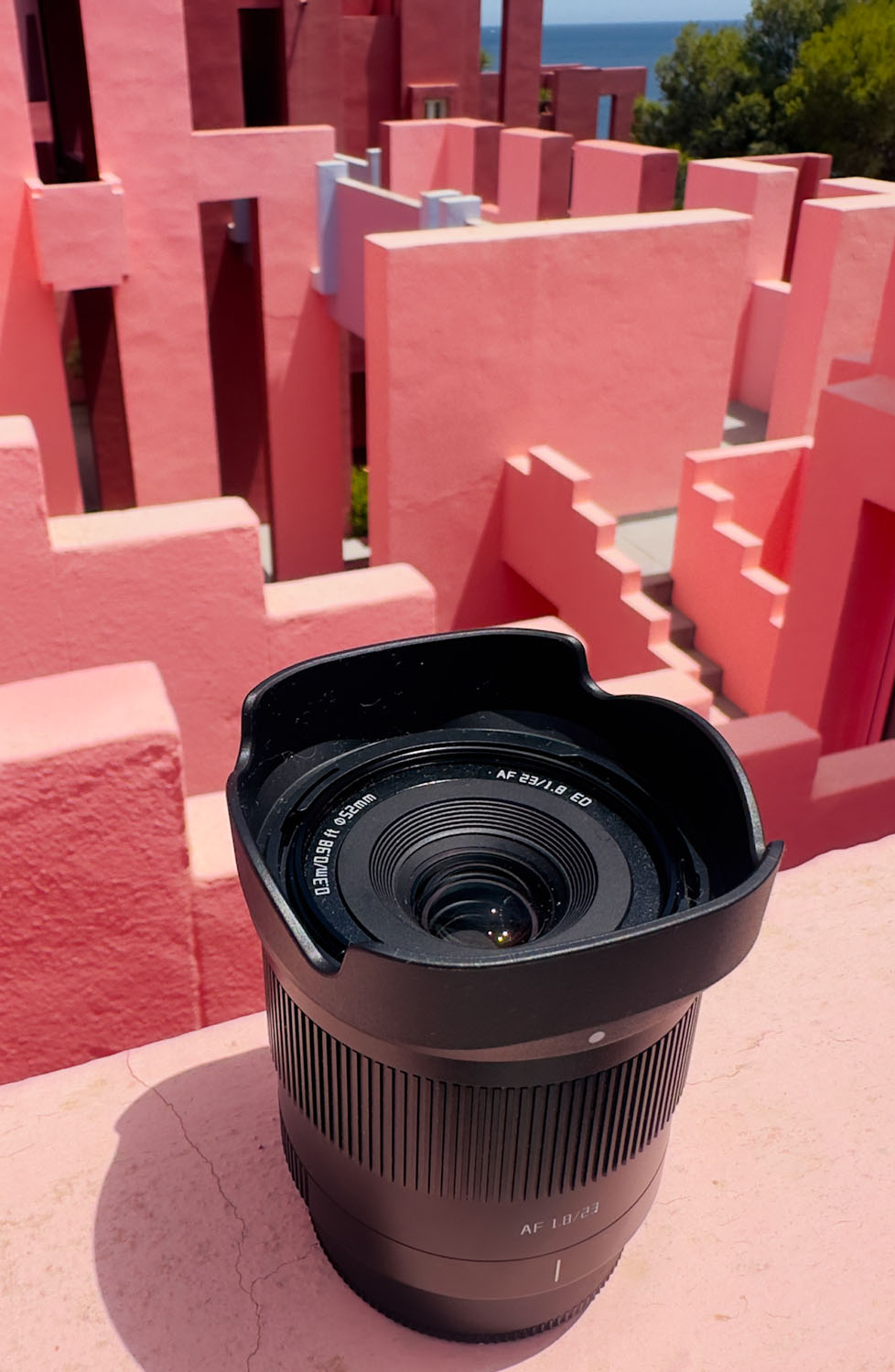
The Muralla Roja was probably the best real-world test I could have given it.
Bofill’s architecture is full of strong lines, repeating shapes, unexpected perspectives and saturated colours. It is beautiful, but it is also unforgiving. A lens that struggles with detail or produces distracting distortion can quickly become frustrating when you’re photographing architecture.
The TTArtisan surprised me here.
At smaller apertures, the lens produces plenty of detail, and the contrast works particularly well with the hard edges and geometric forms of the building.
I found myself moving constantly: stepping backwards to include an entire structure, getting closer to a wall, looking through an opening, then turning around because the light had changed.
The 23mm perspective made all of this feel quite natural, I didn’t have to fight the focal length. And that, more than any technical specification, is probably what I want from a travel lens.
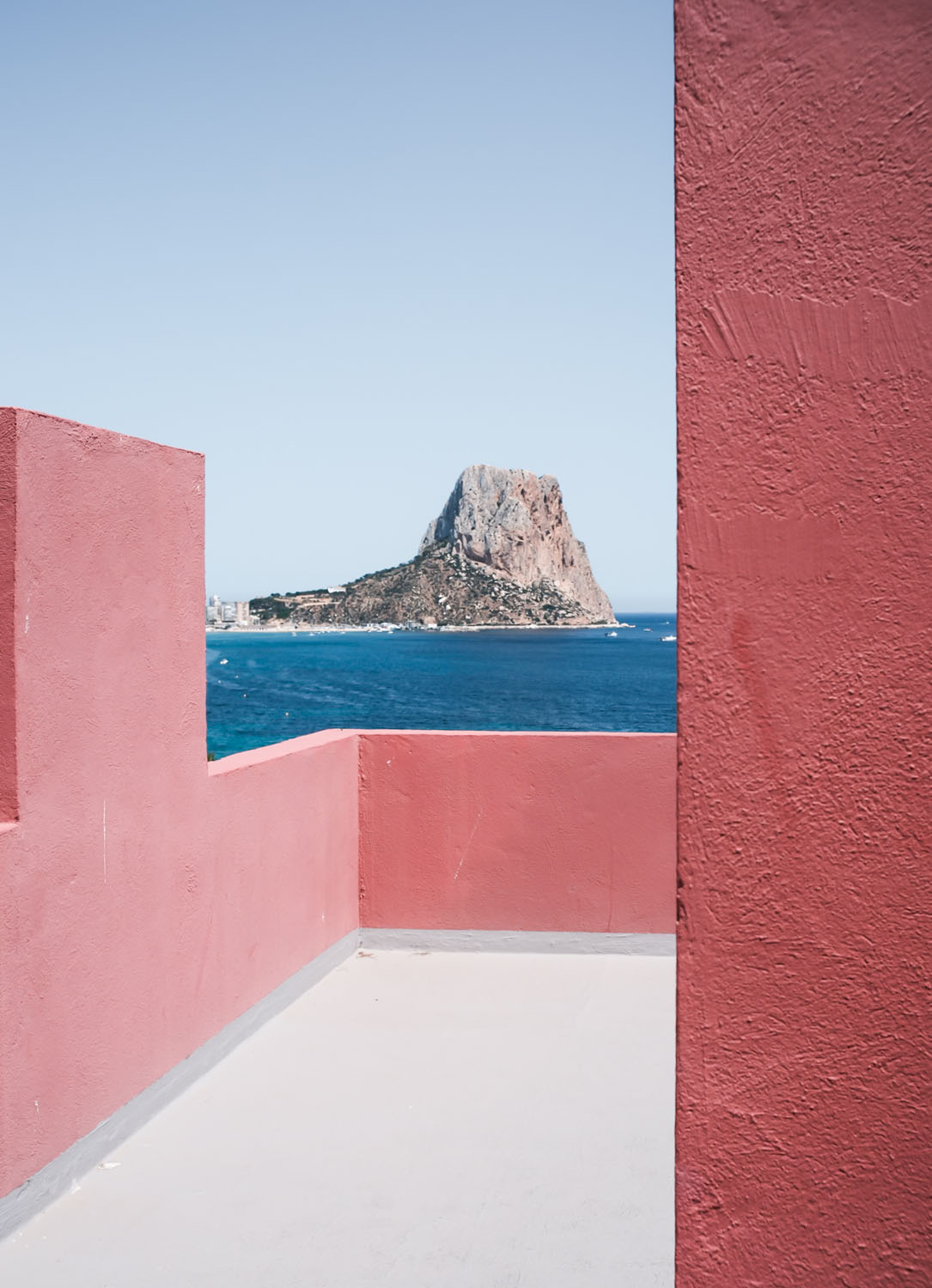
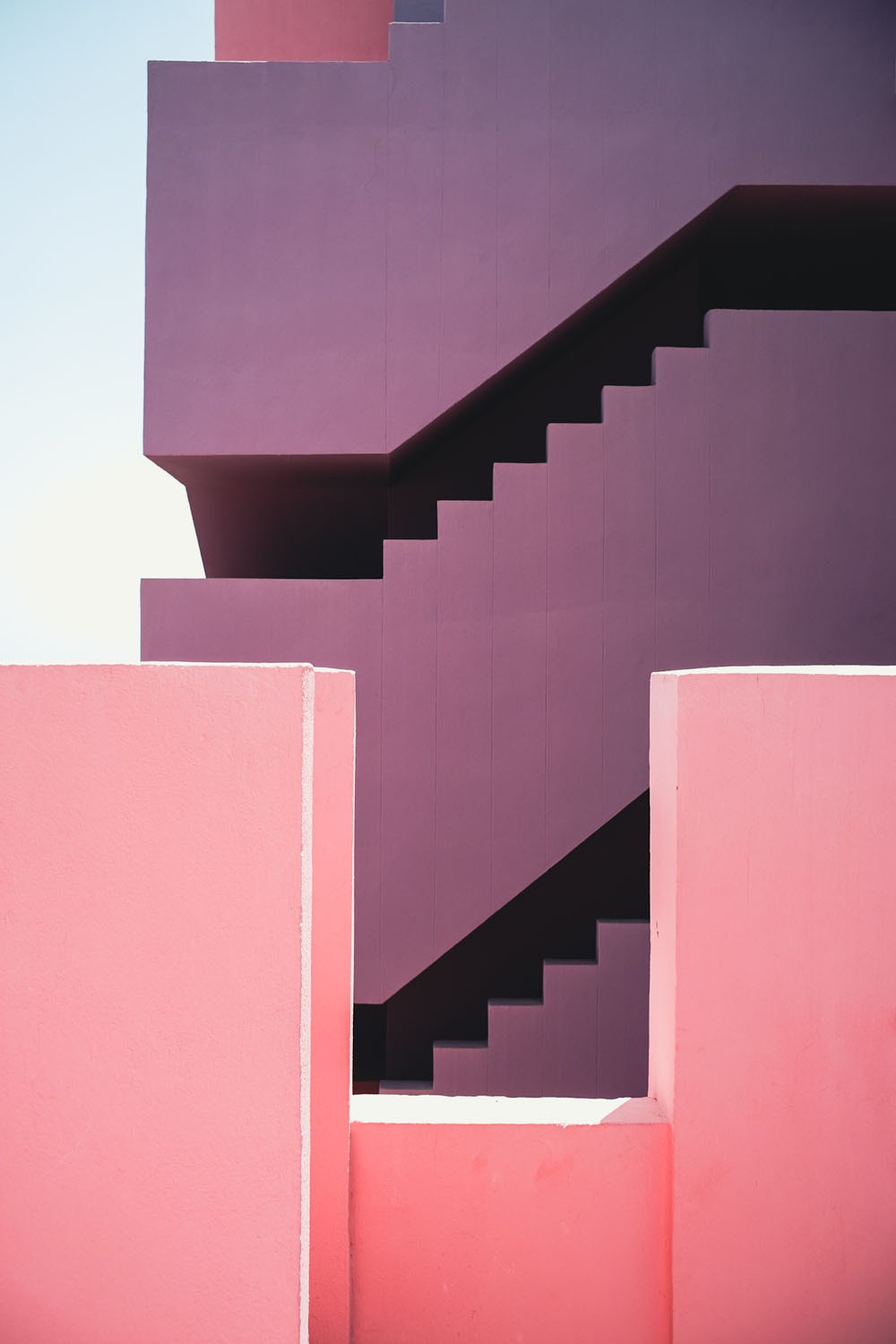
RIGHT: Fuji X-T5 . TTArtisan 23mmF1.8 AF . ISO 100
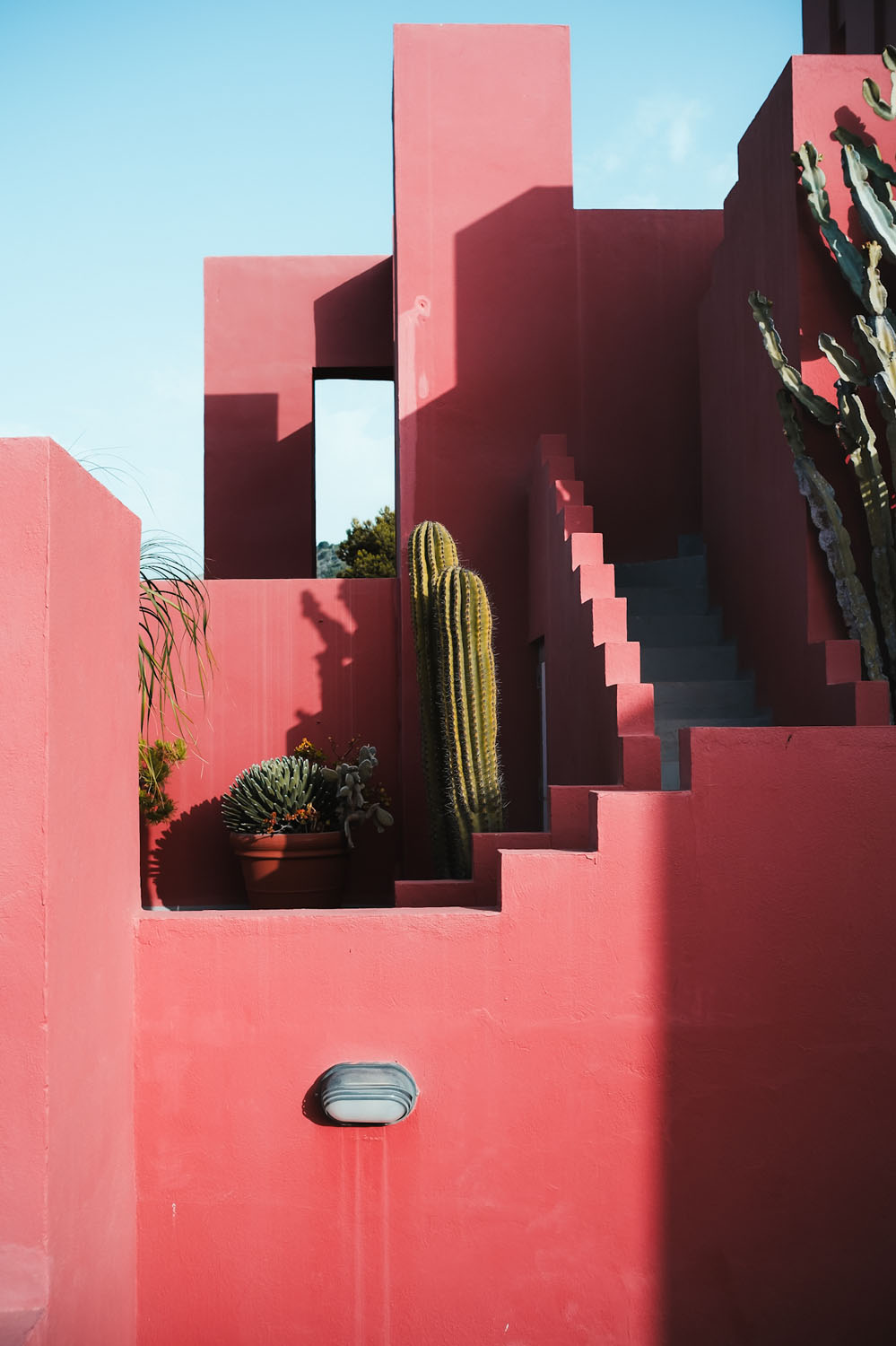
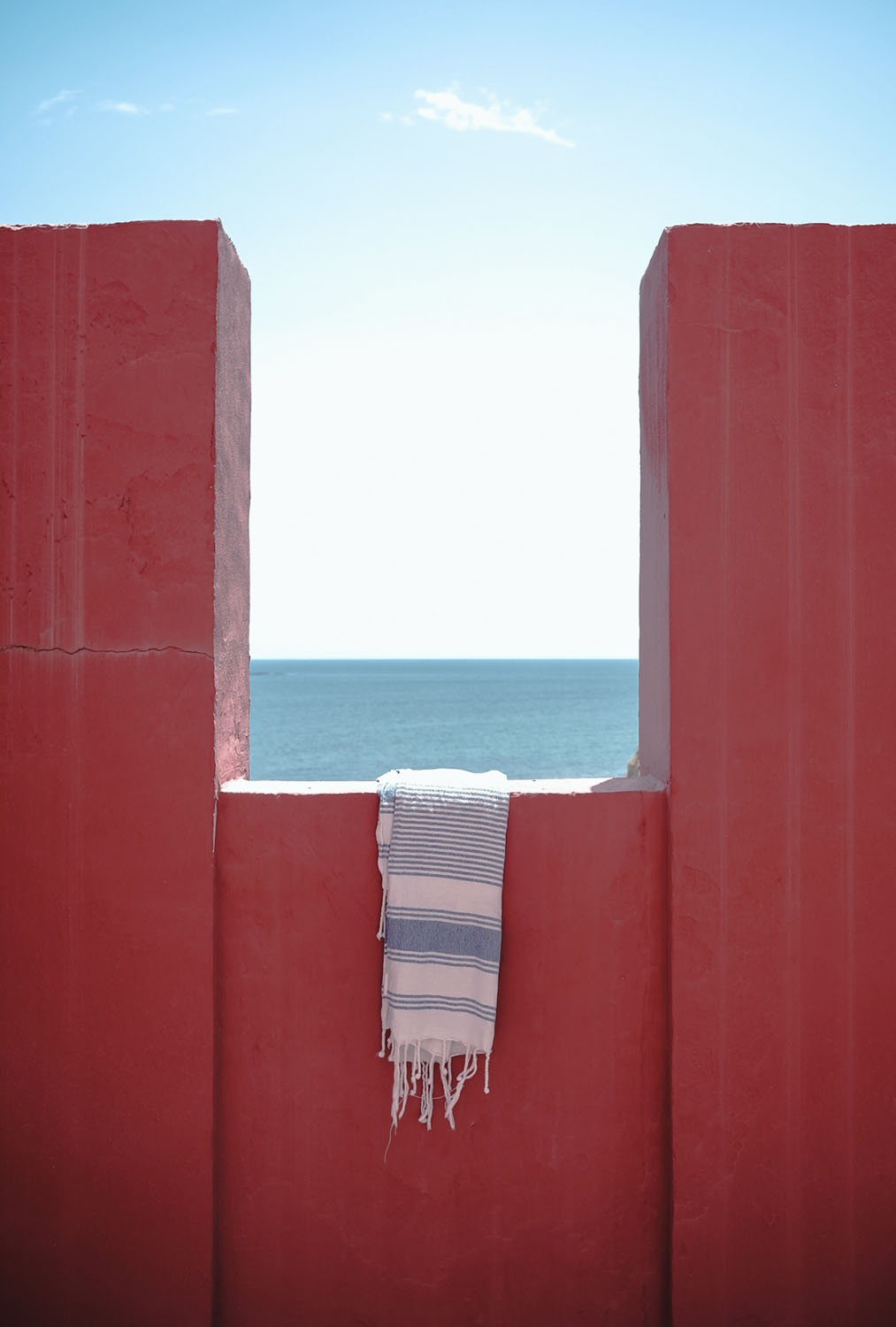
RIGHT: Fuji X-T5 . TTArtisan 23mmF1.8 AF . ISO 100
What Happens at f/1.8?
The fast aperture was one of the reasons I bought this lens, although I don’t always use it at f/1.8.
Wide open, the lens has some limitations. There is visible vignetting, and the corners are softer than the centre.
For architecture, I usually stop down anyway.
But I don’t see the performance at f/1.8 as something that makes the lens less interesting. In some situations, the slight fall-off can actually work with the image rather than against it. And when the light starts to disappear, having f/1.8 available is genuinely useful.
At 23mm, of course, you’re not going to get the kind of dramatic background separation you would from an 85mm lens. But that’s not what I want from this focal length.
I like being able to keep some of the environment visible. A person remains connected to the street. A detail remains connected to the building. The photograph still feels like it belongs somewhere.
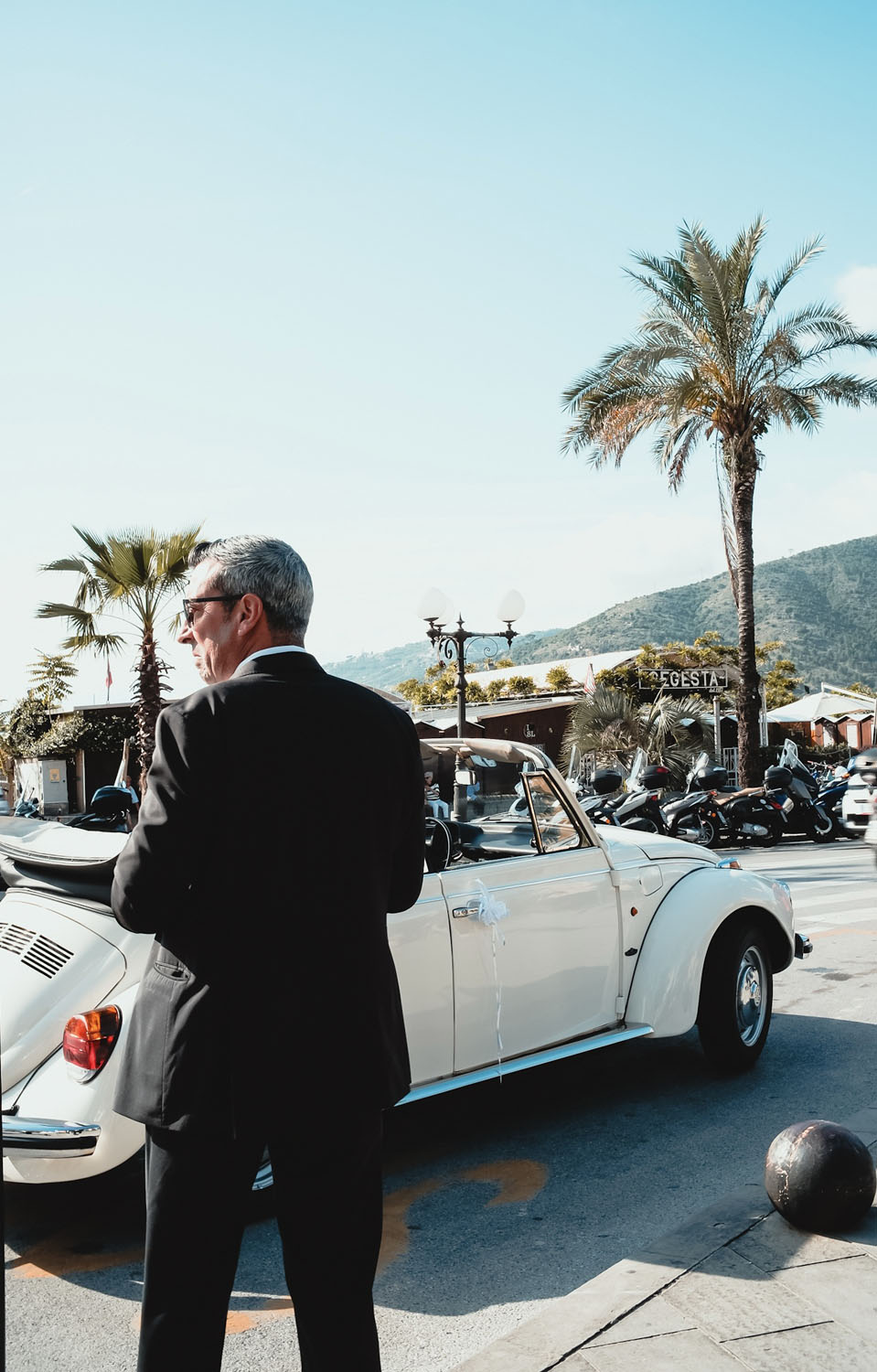
Autofocus: Good Enough to Forget About It
The autofocus is driven by a stepping motor, and with my X-T5 I have found it reliable for everyday photography.
It’s not a lens I would choose specifically for photographing very fast action, and in more difficult light it can take a little longer to lock on.
For the kind of photographs I make, though, it has been more than enough, and there is something to be said for a lens that simply gets out of the way.
When I’m photographing in the street, I don’t want to hear the focusing motor or spend time wondering whether the camera has focused. I want to react to what is happening in front of me, most of the time, the TTArtisan lets me do exactly that.
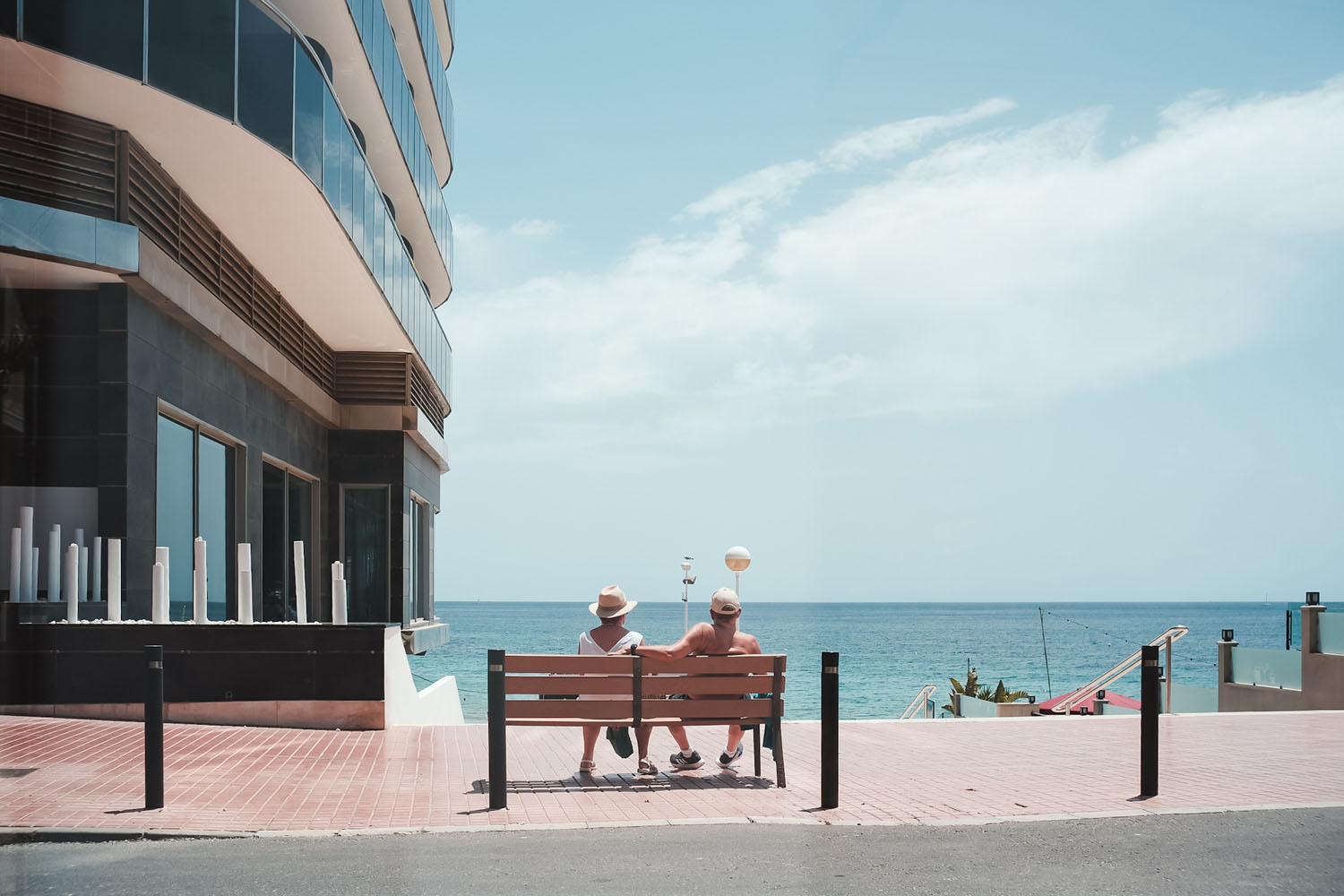
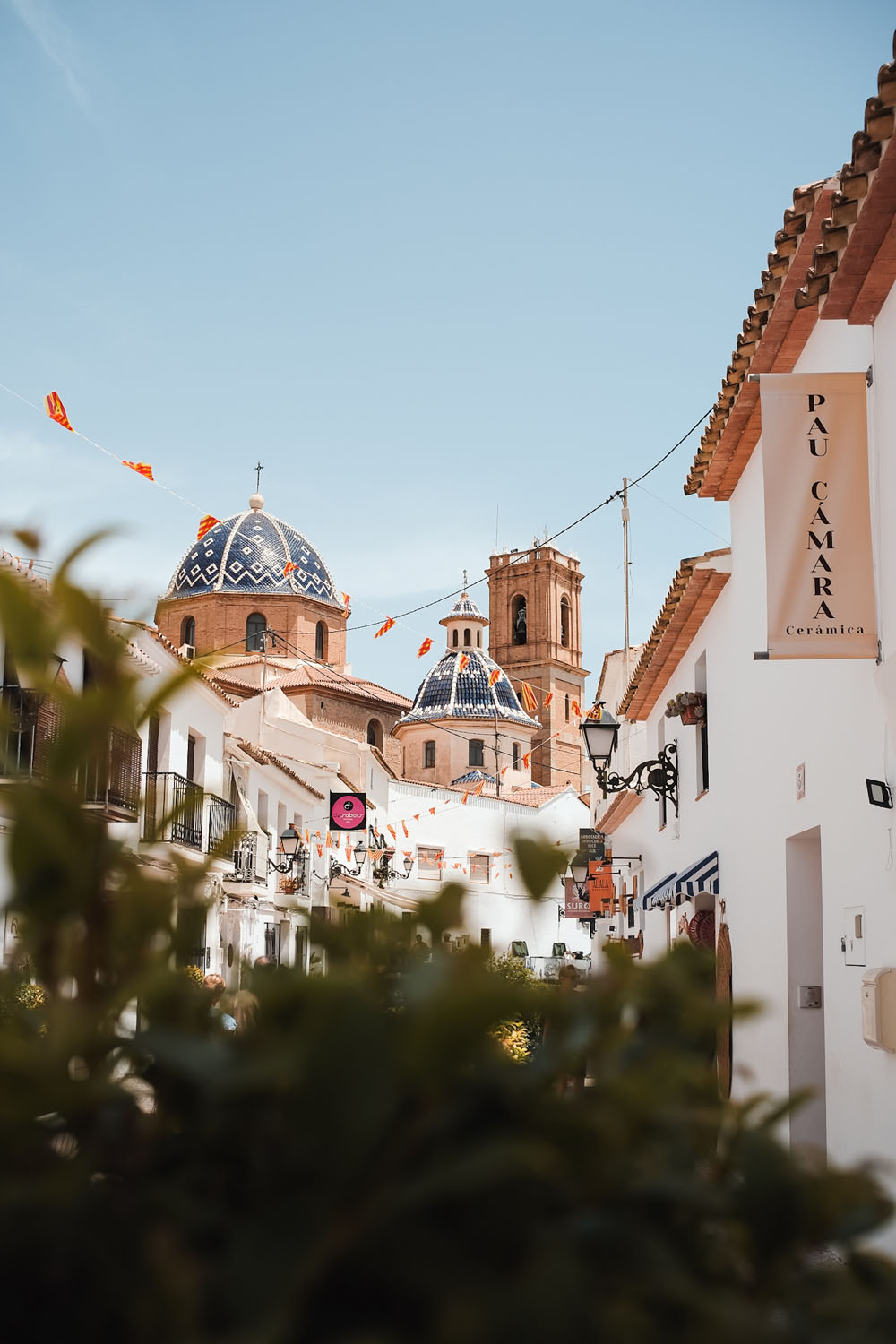
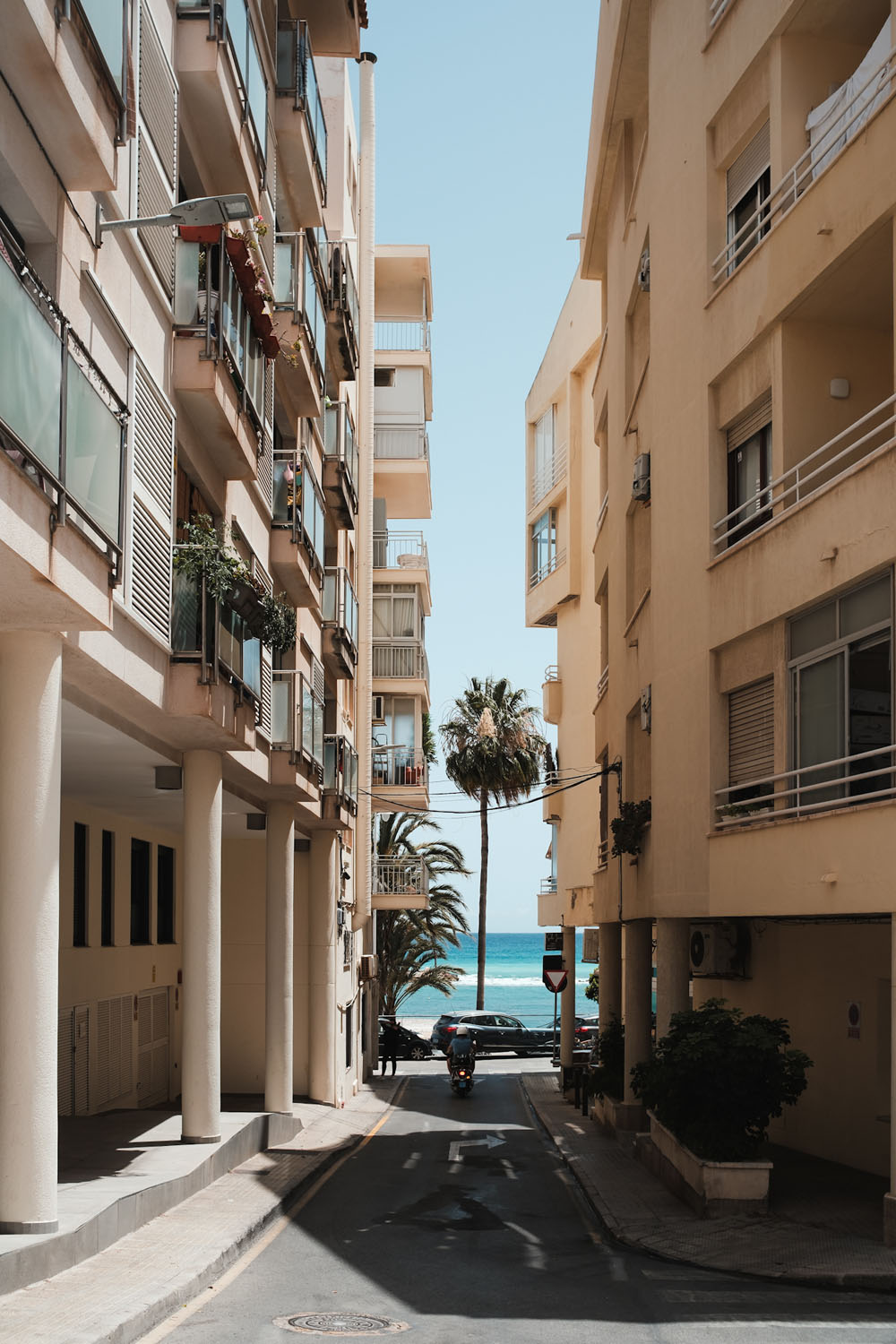
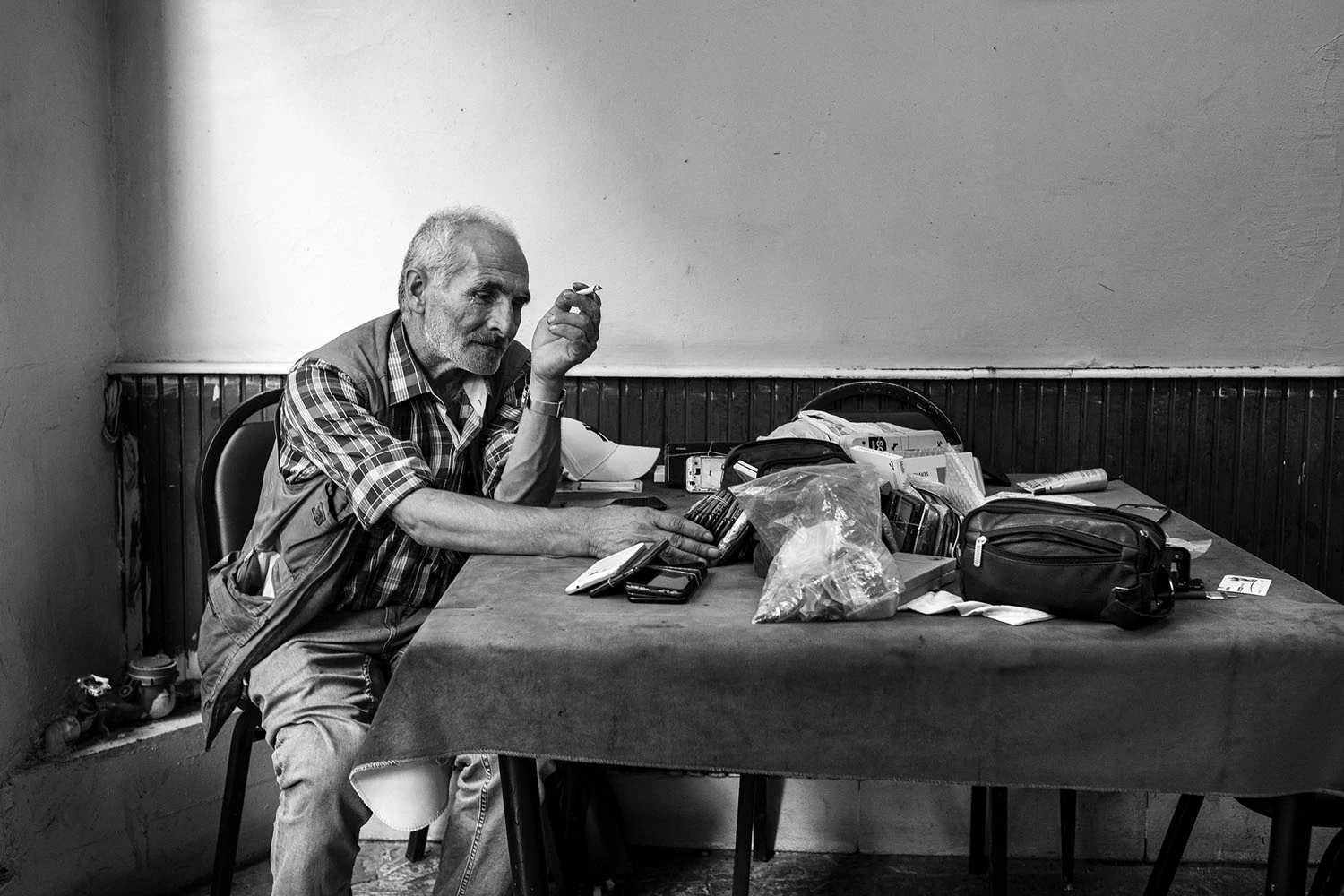
RIGHT: Fuji X-T5 . TTArtisan 23mmF1.8 AF . F/9 . 1/450″ . ISO 125
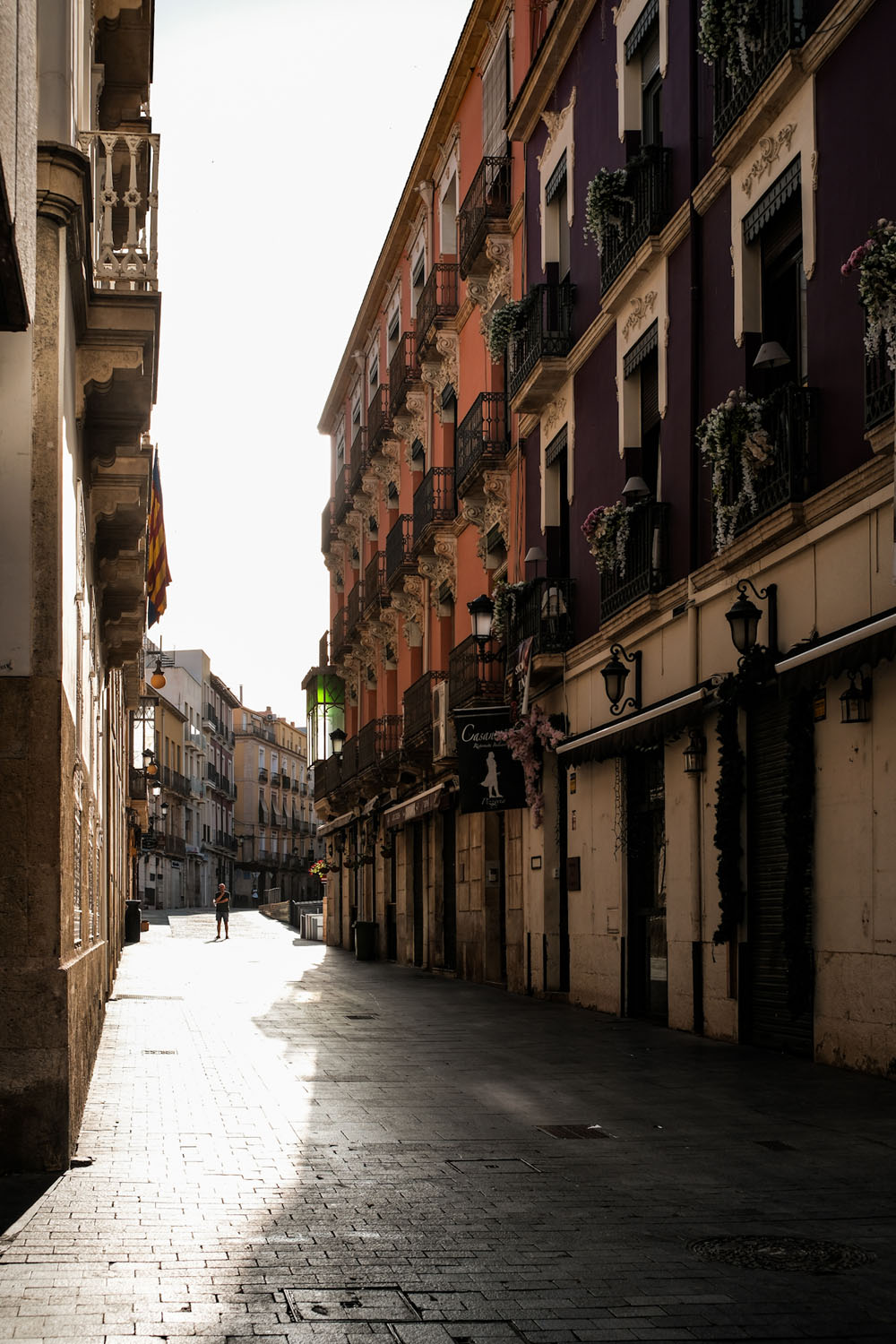
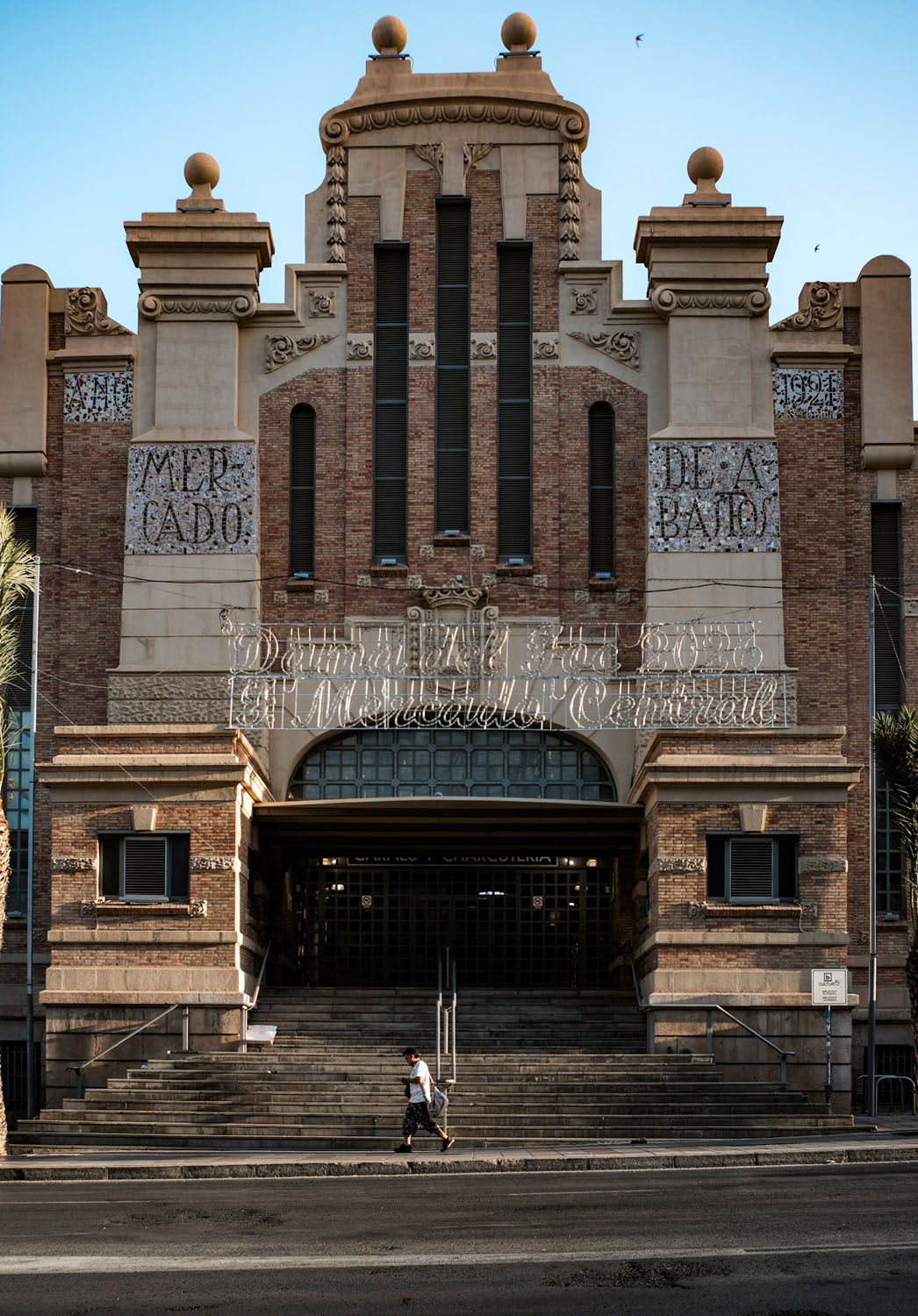
RIGHT: Fuji X-T5 . TTArtisan 23mmF1.8 AF . F/11 . 1/2200″ . ISO 125
There Are Compromises
Of course, this isn’t a lens without compromises.
There is no weather sealing, which is worth considering if you’re travelling somewhere with unpredictable weather.
The minimum focusing distance is 30cm, so it isn’t particularly suited to close-up work.
Wide open, the corners aren’t where the centre is, and vignetting is noticeable.
None of this came as a surprise.
A lens at this price has to make compromises somewhere, and for me the important question isn’t whether those compromises exist. It’s whether they get in the way of the photographs I want to make.
So far, they haven’t.
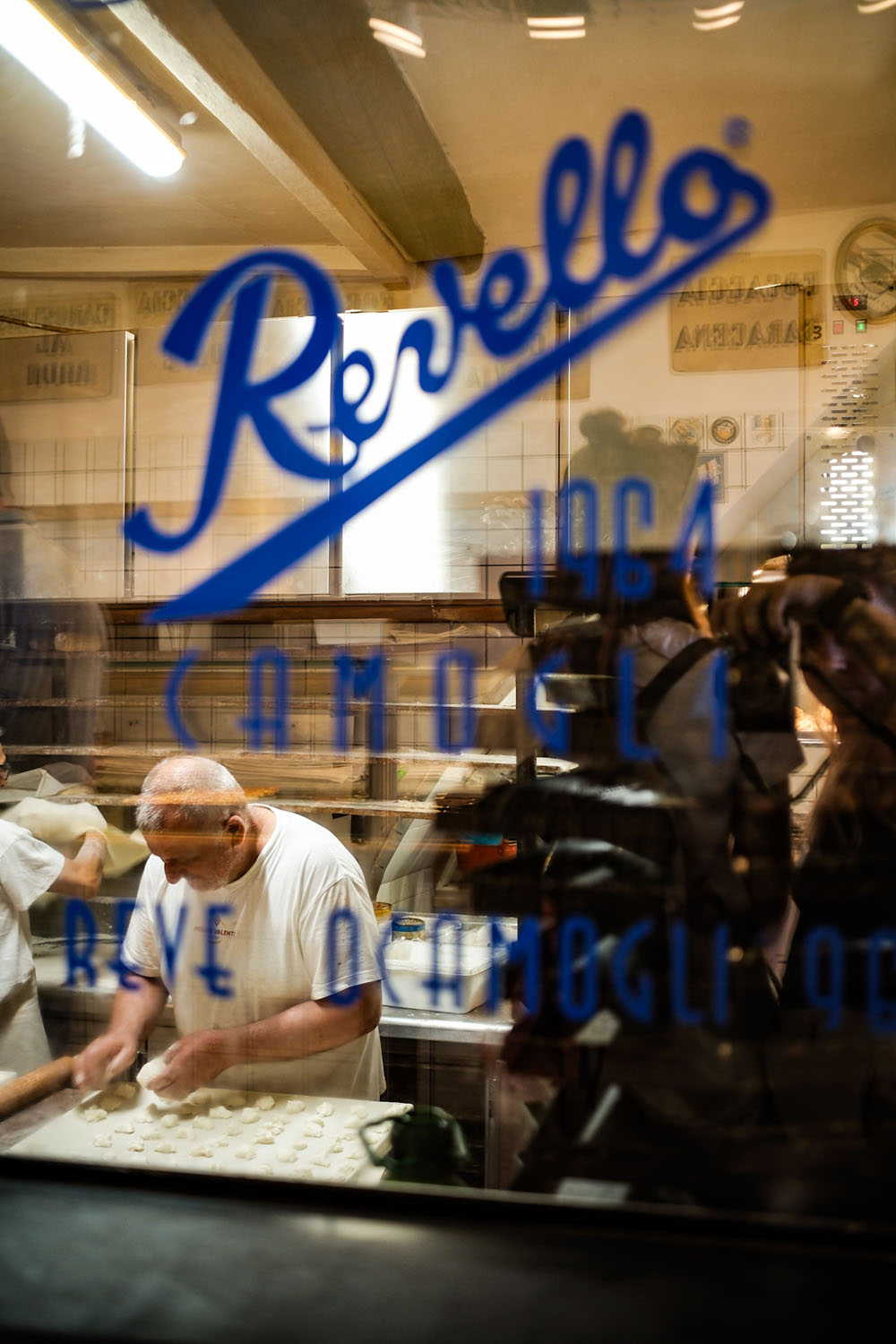
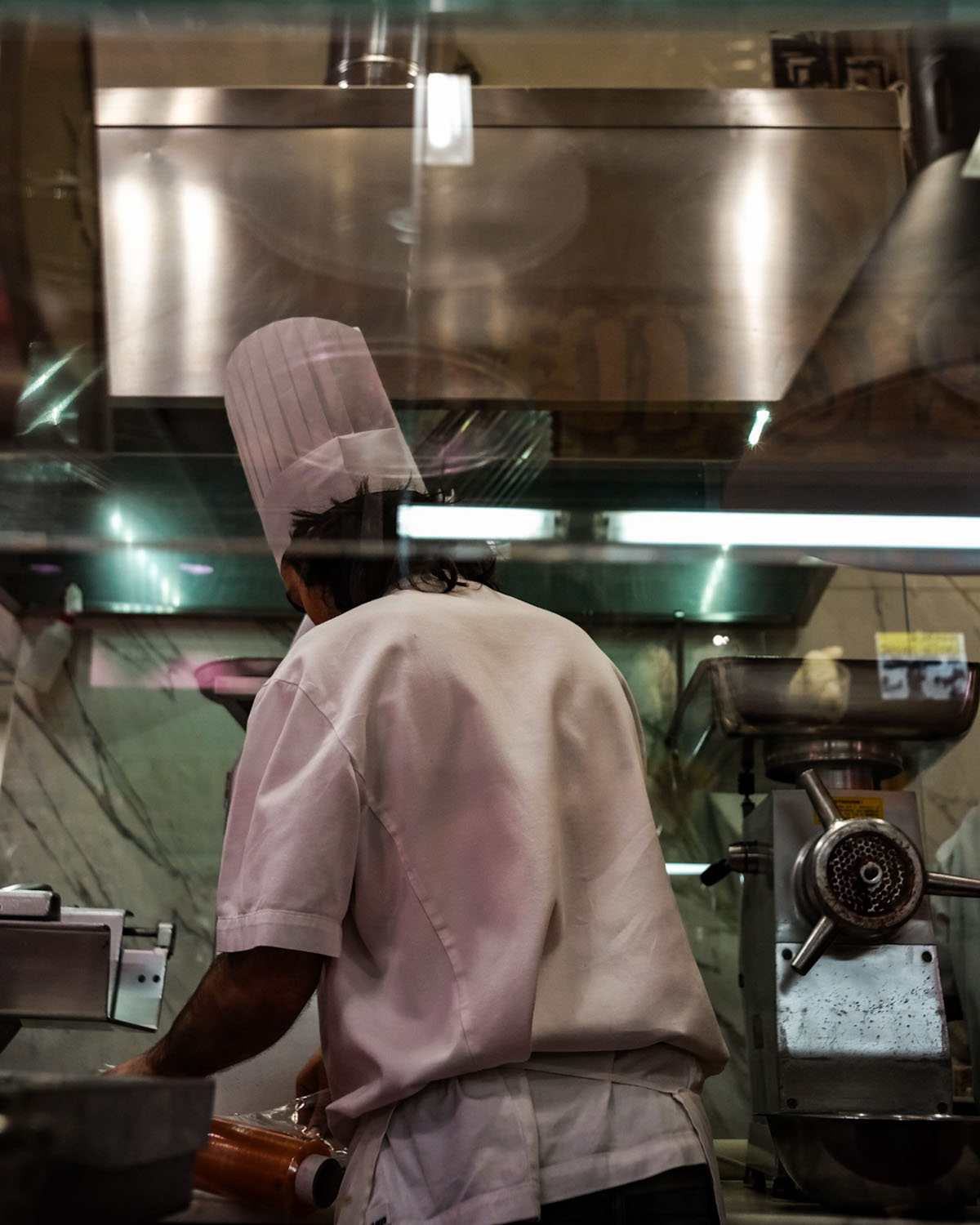
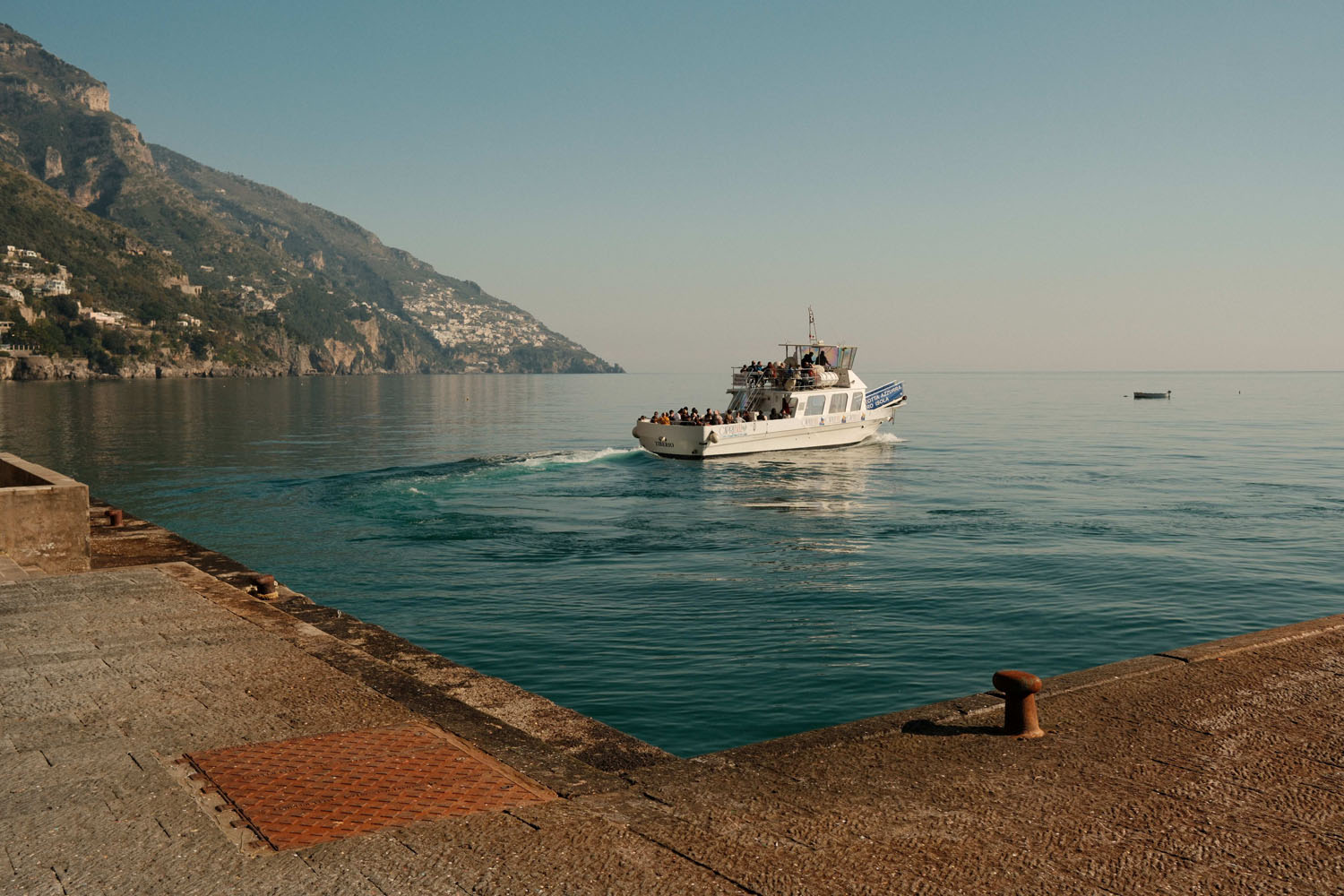
RIGHT: Fuji X-T5 . TTArtisan 23mmF1.8 AF . ISO 1600
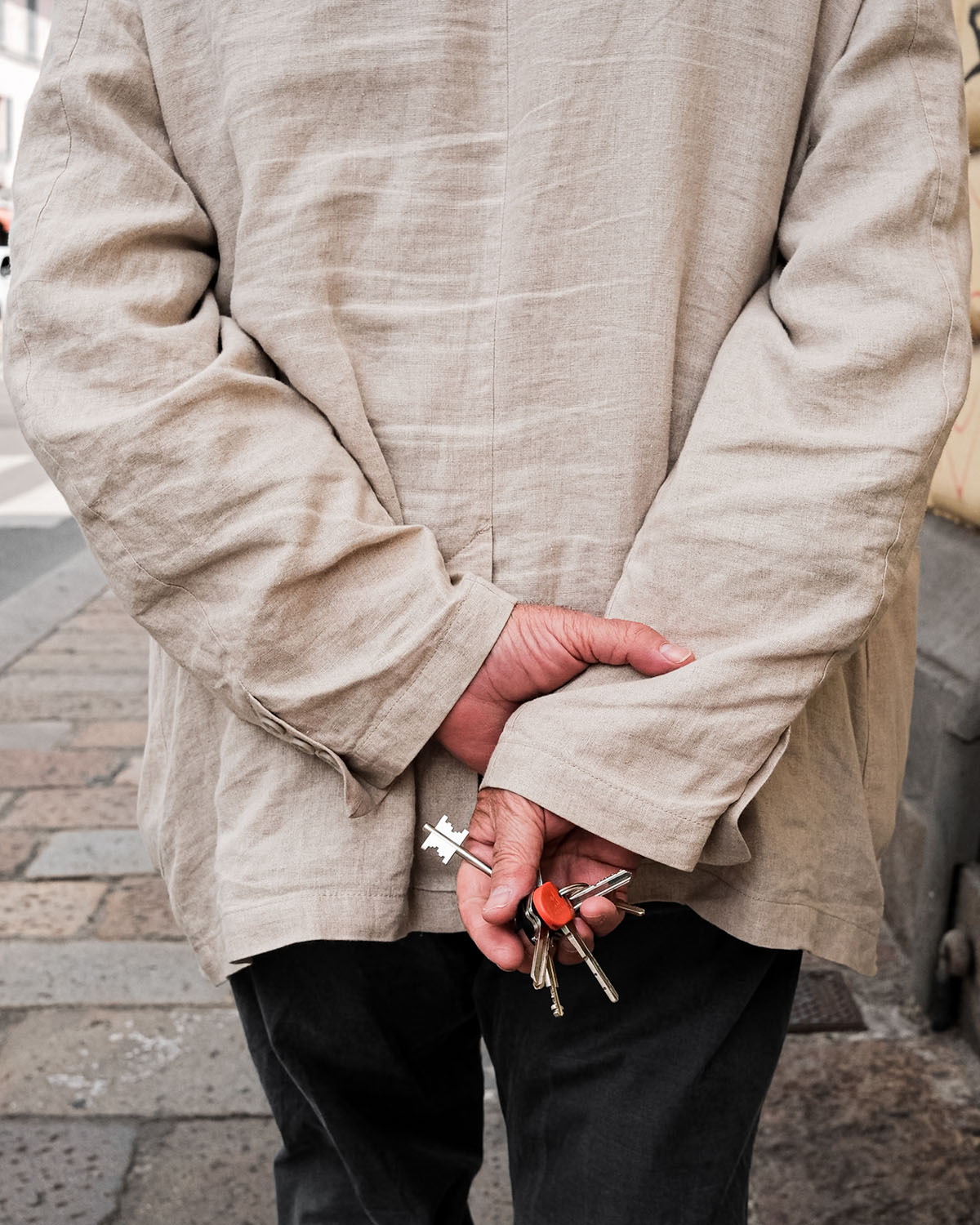
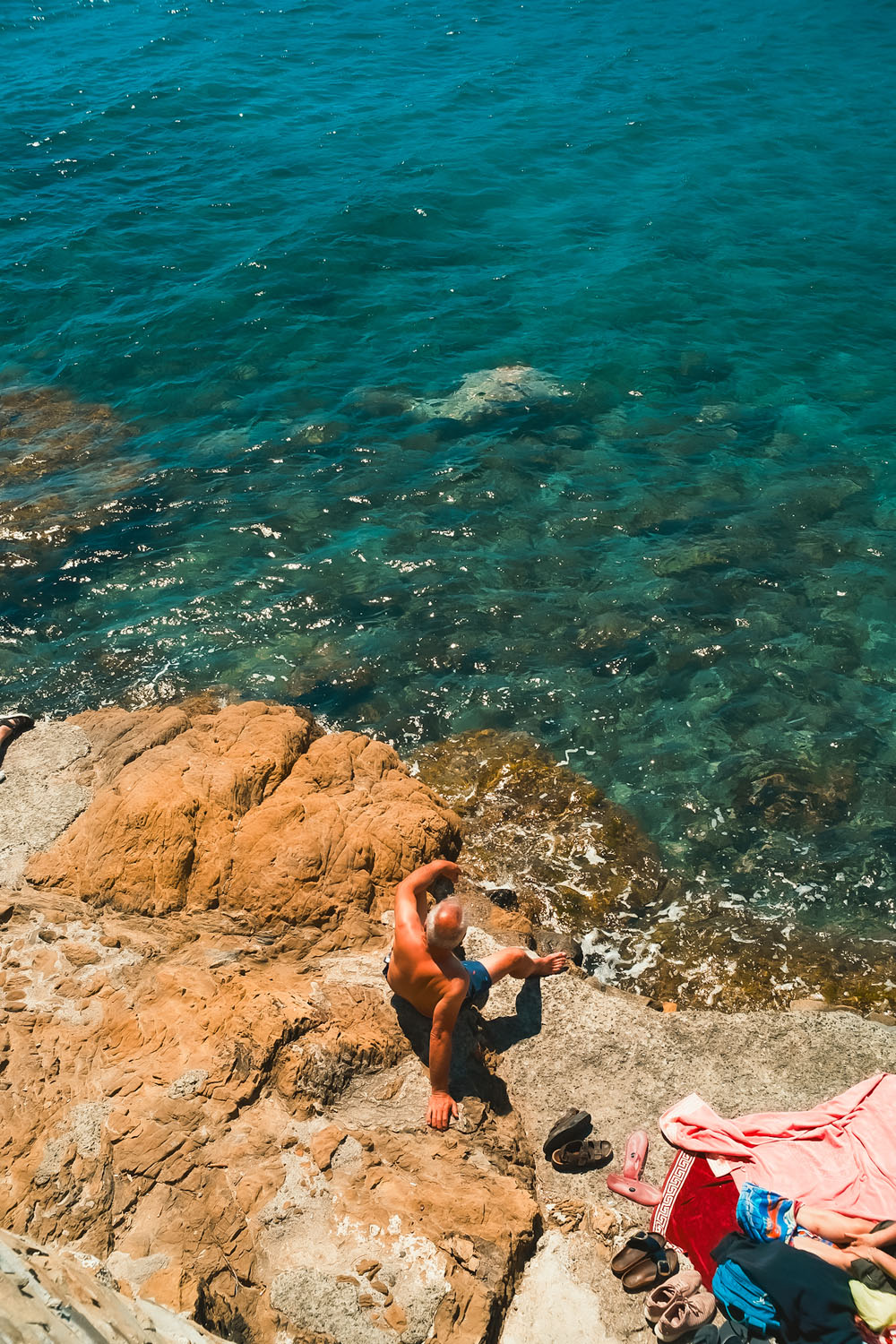
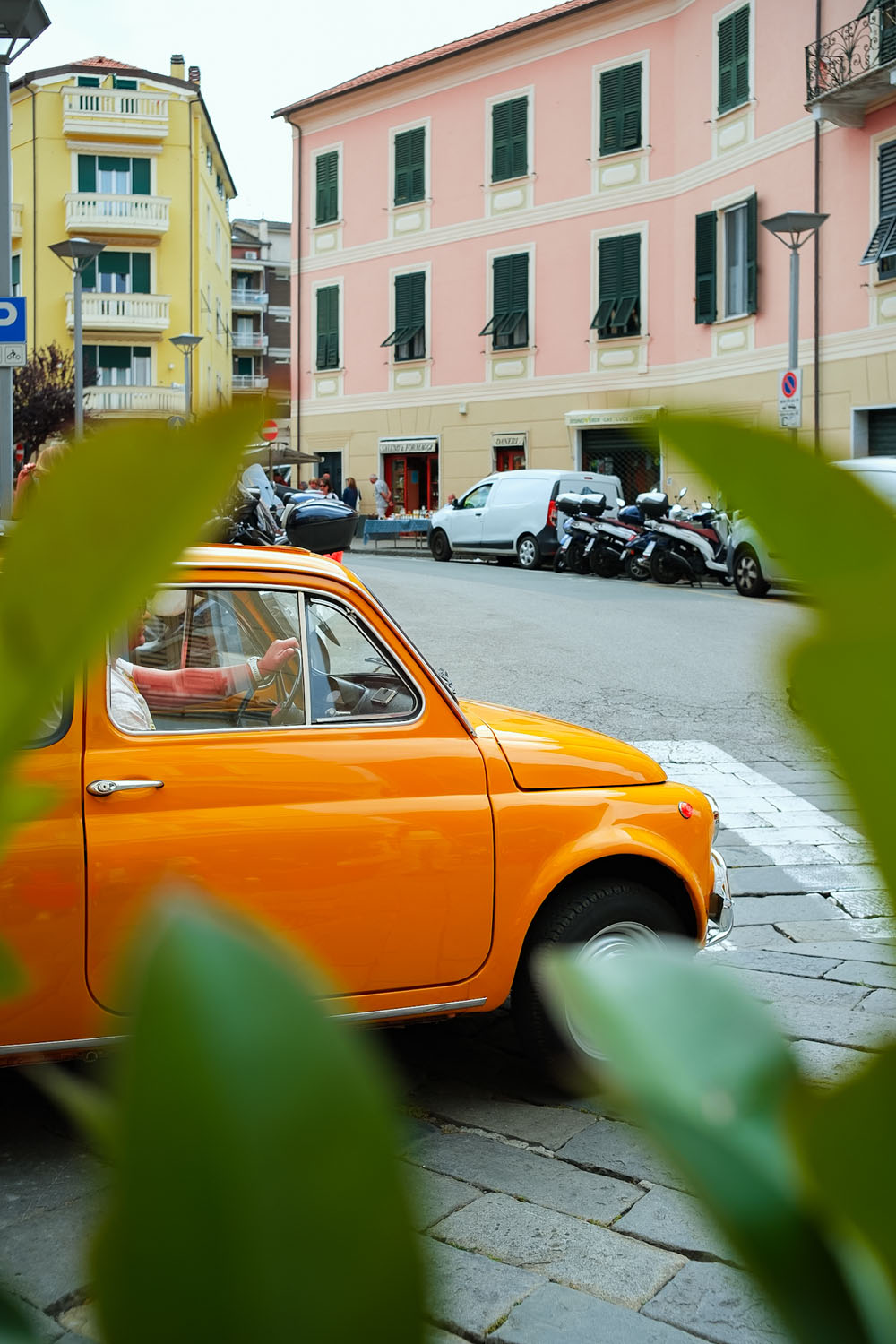
RIGHT: Fuji X-T5 . TTArtisan 23mmF1.8 AF . ISO 125
The Part I Didn’t Expect
The thing I didn’t expect when I bought this lens was how quickly it would become my default choice.
There are lenses that you admire.
There are lenses that you use because they’re technically impressive.
And then there are lenses that you simply keep on the camera.
The TTArtisan has become the third kind for me.
I like the fact that it doesn’t feel precious. I can take it out for a long day of walking, use it in different situations, and concentrate on what I’m seeing rather than what I’m carrying.
It also encourages me to move. With a 35mm-equivalent lens, I often find myself physically changing my position instead of immediately reaching for another focal length. A step forward can completely change the relationship between two buildings. A step to the side can turn a flat façade into a series of overlapping shapes.
That way of photographing suits me.
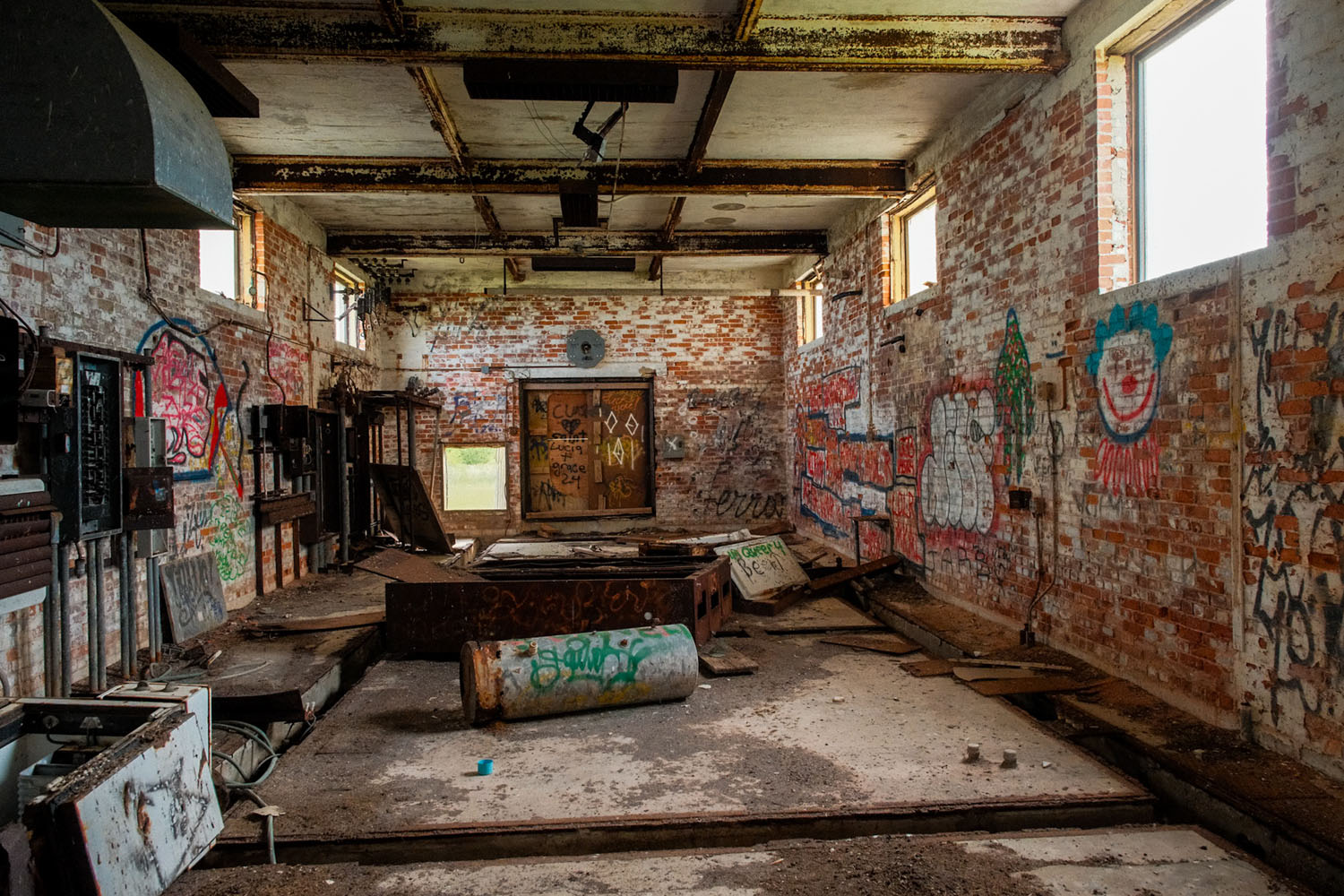
RIGHT: Fuji X-T5 . TTArtisan 23mmF1.8 AF . ISO 400
Final Thoughts
I wouldn’t say the TTArtisan 23mm f/1.8 AF is perfect. Like any lens, it has a few areas where it could be improved.
But I’m increasingly convinced that perfection isn’t what makes a lens useful.
For me, a good lens is one that makes me want to photograph.
The 23mm gives me a perspective I naturally enjoy, a fast f/1.8 aperture when I need it, autofocus that has been dependable on my X-T5, and a compact body that doesn’t become a burden when I’m travelling.
It also has enough character and enough limitations to remind me that I’m not using an expensive, clinically corrected piece of glass, and I don’t necessarily think that’s a bad thing.
When I look back at the photographs I made with it in Calpe, what I remember isn’t the lens.
I remember walking around the Muralla Roja, looking for another staircase, another shadow, another combination of colours.
And perhaps that’s the best thing I can say about it.
The lens disappeared, the place didn’t.
Would I choose it again?
Absolutely.
Italian solo female traveler since 2015.
Cinematic stories from the road, mapping cities via architecture and raw human narratives.