
Shooting in Caves (… Tombs Actually)
Hi folks! Let me show you what I developed while following my daughter’s studies for Archaeology.
In central Italy, westward, over centuries, many civilitazions (local peoples, then Etruscans and the early Romans) used the local soft stone (tuffs) erupted before 150.000 years ago from some volcanoes to excavate caves for a variety of purposes as dwellings, tombs, herds shelters and warehouses. Many of them are still in use as warehouses of all kinds of things, literally, even garbage too (sob!)
In a country as rich in story as Italy, studying Archaeology gives students satisfaction and skills. Like to my daughter. Who often has journeys somewhere to visit or explore ancient sites, sometimes she needs a lift to get them, and I am glad to support her as I can, with photos too.
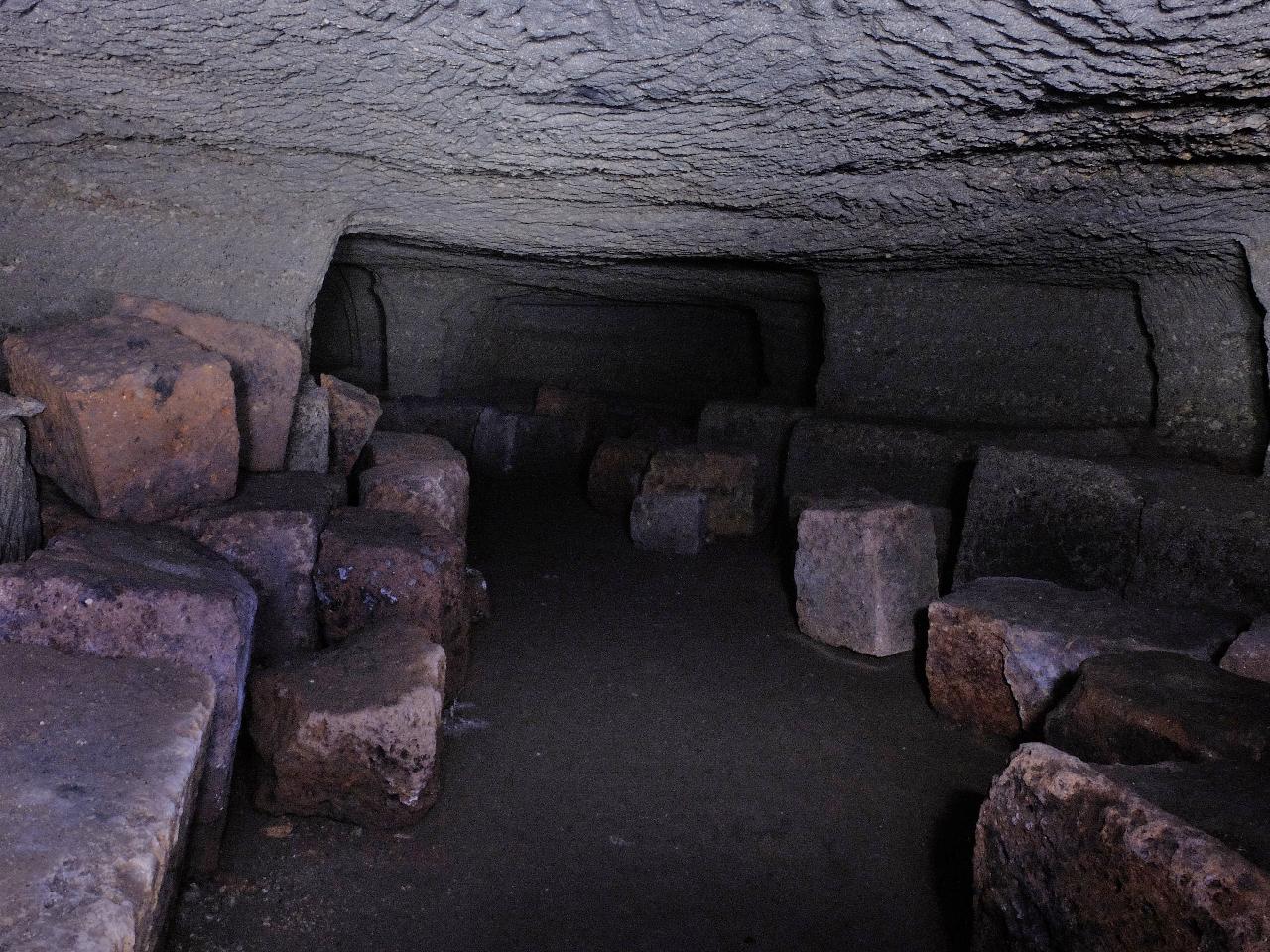
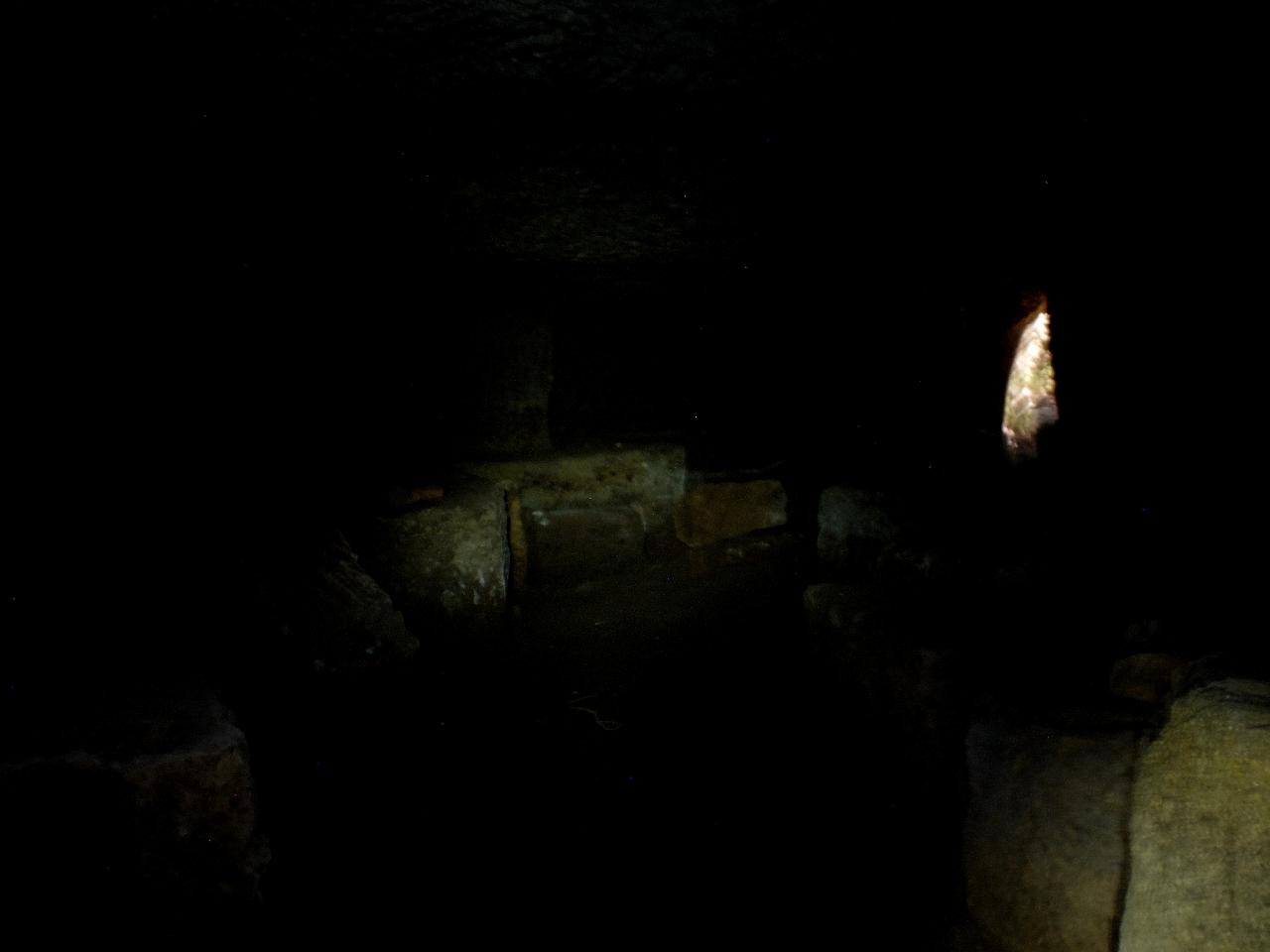
Along these trips, I visited many caves excavated to be used as tombs. Most of them consist of a bare, or so, external facade, or a long corridor that allows you inside and many low rooms of 10-30sqm excavated on one or two levels with few openings to get light or as entrances.
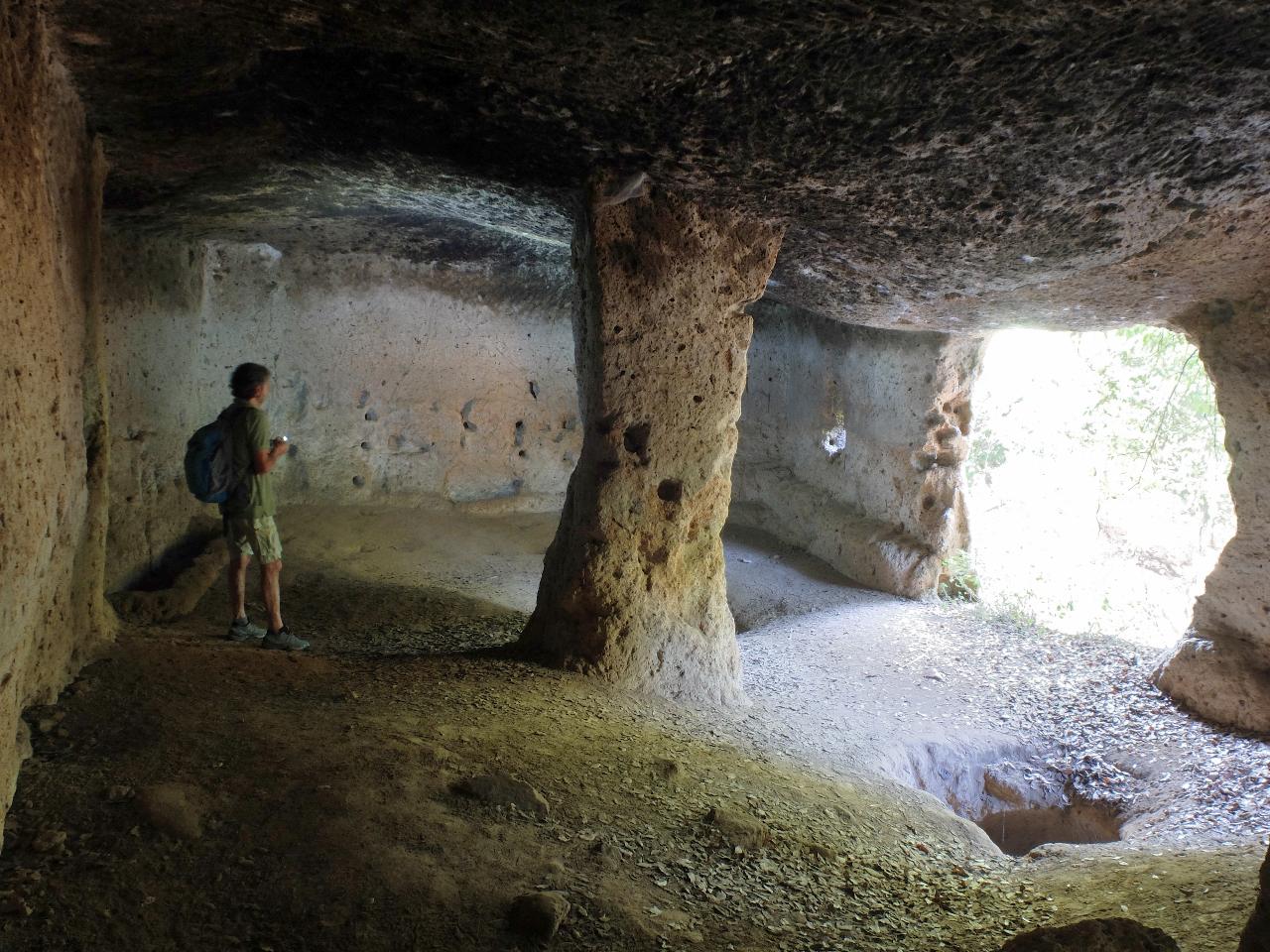

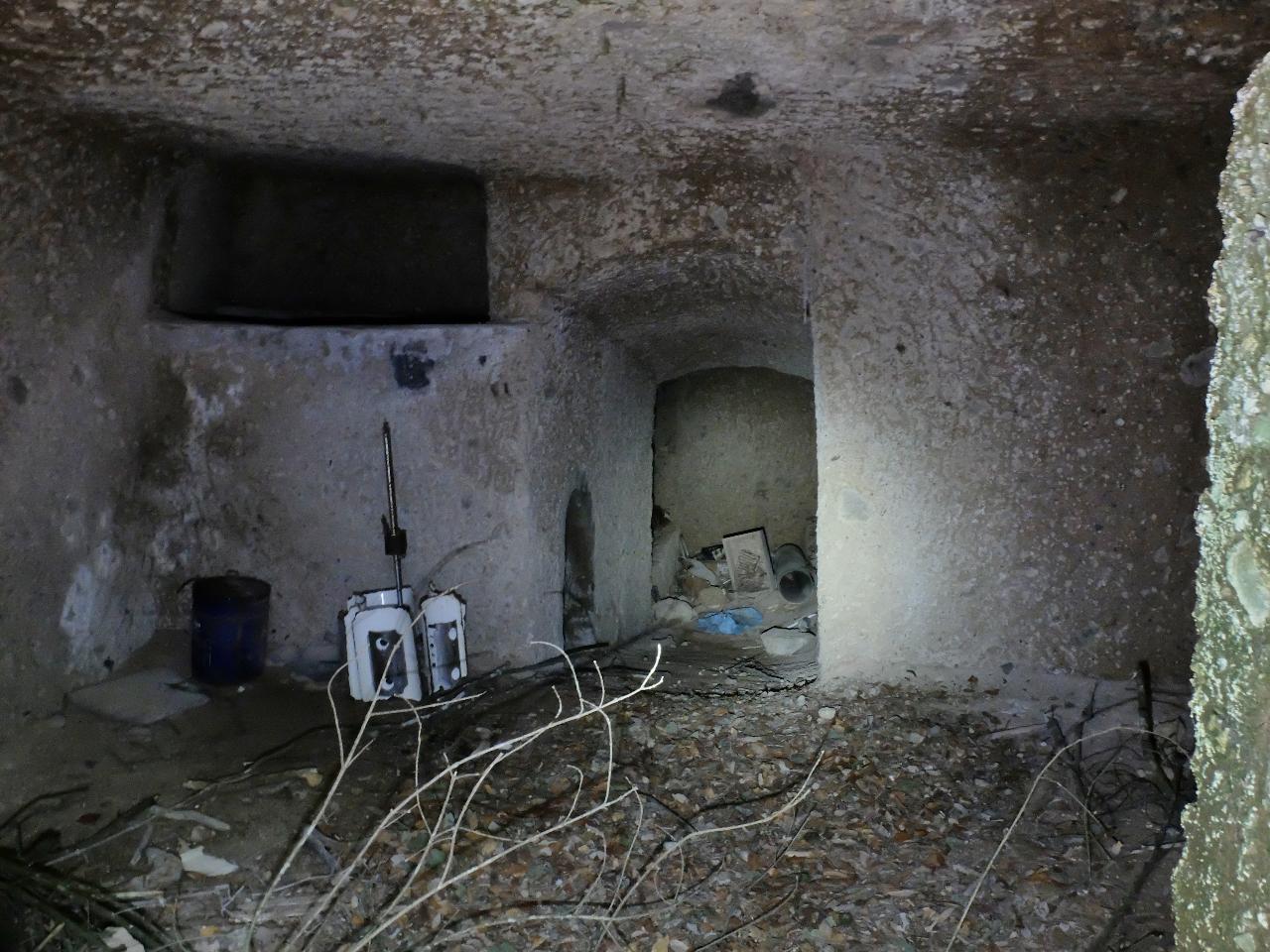


Shooting in these rooms with flash isn’t a good idea because you lose details (by burning them) and the overall view of the place.
Then my choice has been continuous light, looking for the best results using the little equipment available in the field for a young archaeologist.
Fujifilm X30 is the camera: I know it is old, but it is small and pocketable, has a zoom 28-110mm and a tilt screen. Usually not needing large prints or finer details along these explorations, so the 2/3” sensor is enough indeed.
Two LED torches give the light: a front one and a hand one, which are also enough to manage the shooting and give a suitable colour light (K5400 approx) that is important to document paintings and plasters. And, because photos aren’t so contrasted, is easy to modify them by a software for photo-retouch.
Tripod is a “must to have”.

Then I managed shooting as follow:
- General view of the location to be documented;
- Camera on tripod set to 100ISO, shutter 10-30”, focus, f/8 or so, Manual or Aperture priority mode;
- Start by self-timer, using in-camera level when possible and often manual focus;
- Along the shoot, I move across the room, light painting more of the farthest walls and less of the nearer. I was counting differences of time lighting approximately.
When there is enough light, the handheld torch is usefull to evidentiate details,
Obviously, the method needs time and some initial tests to get the best results.
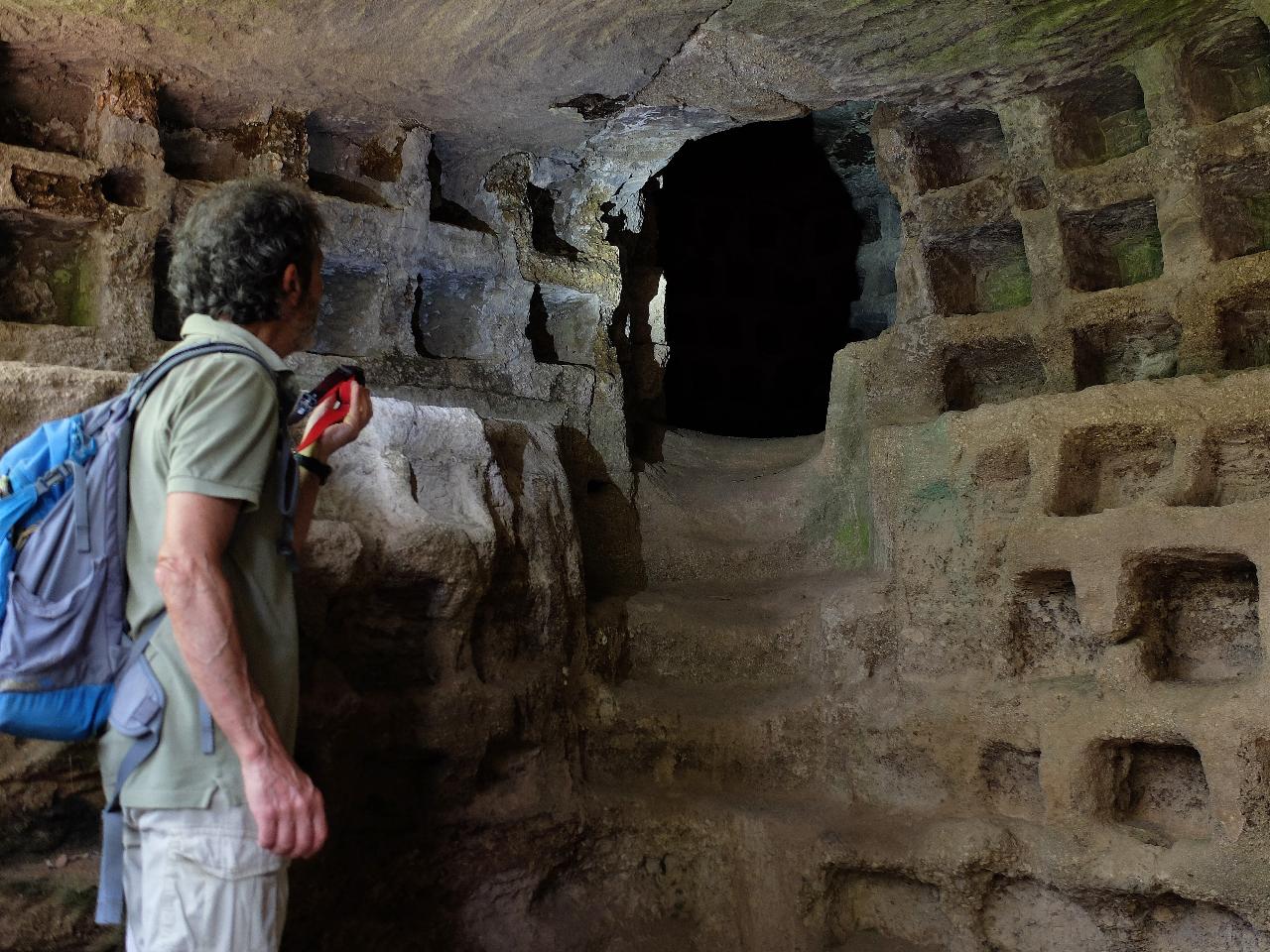
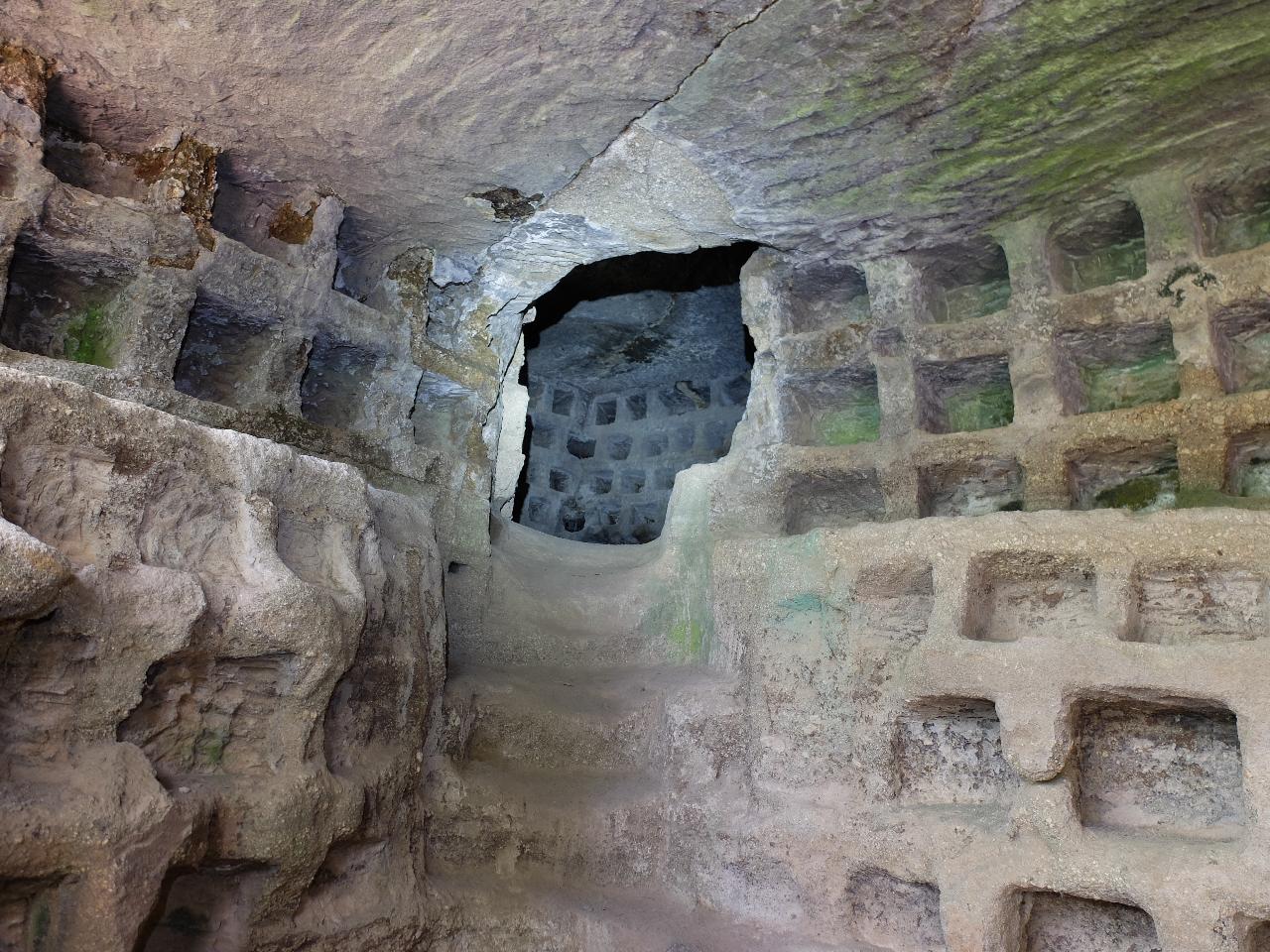

Last pieces of advice:
- Extreme wide-angle lenses aren’t a very good choice because they distort too much lines and often you have to shoot close subjects and the distortion gets huge;
- A larger sensor will get better low lights details;
- Larger and higher spaces need powered lights like larger LED panels, but how to position them must be studied appropriately.
A trick to resolve 1&3 is to create a well-planned photo composite; give it a try!




“Luciano is my name, I live in Italy, Rome where I born in 1966. Civil Engineer and Geographer as graduate, and photographer since childhood because my father loved it too, then he was my first teacher.”