Documenting the Present, Preserving the Past
Introduce yourself and tell us how photography came into your life. Where did the journey begin?
I entered the workforce at a very young age. The experiences I went through during those early years became a turning point that shaped where I am today.
In 1987, I started working at a printing house in Istanbul. This was the first step toward the profession I continue to pursue today, as well as toward the educational institutions and organizations that helped me develop my professional career. My journey began at the İMÇ blocks in Unkapanı, Istanbul.
In 1989, I enrolled at Istanbul Printing Vocational High School, where I received formal education in this field. At the beginning of my education, in 1990, my interest and passion for photography began to take shape during my high school years, inspired by my teacher, Demir Anadol. This marked the beginning of what has now become a 36-year journey with photography. Until two years ago, I worked primarily with black-and-white film and slide film. For the past two years, however, I have been using a Fujifilm X-T3 digital camera.
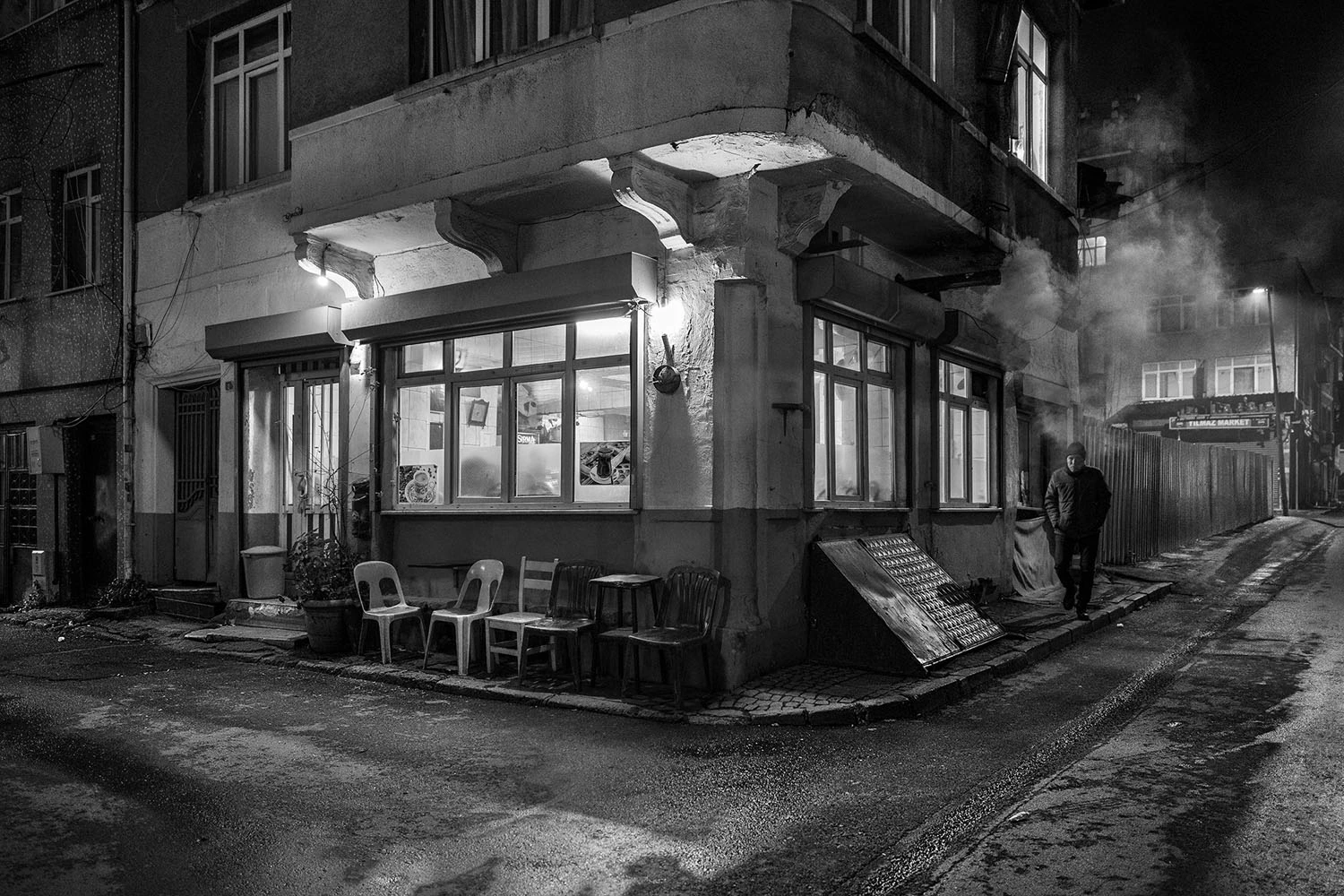
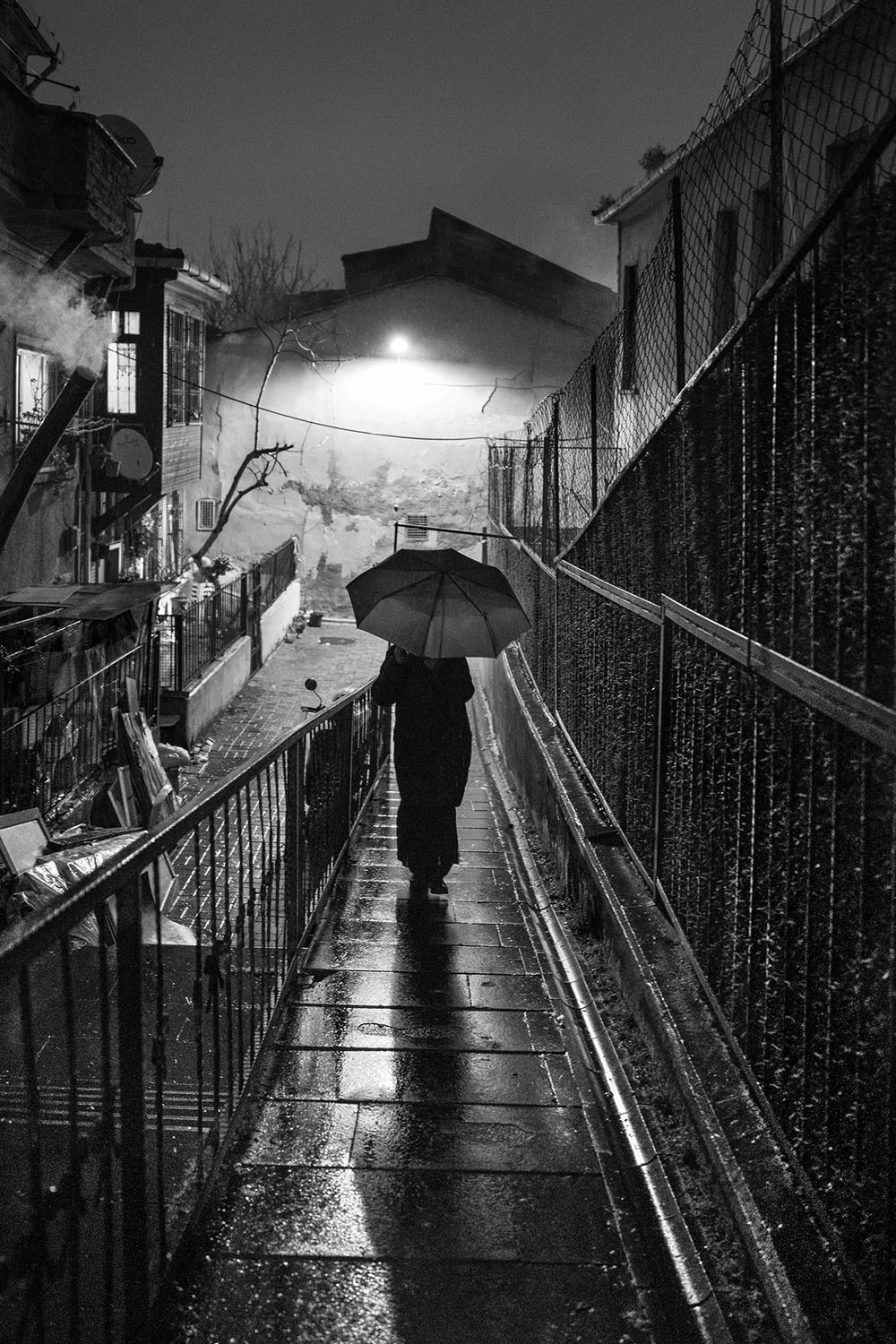
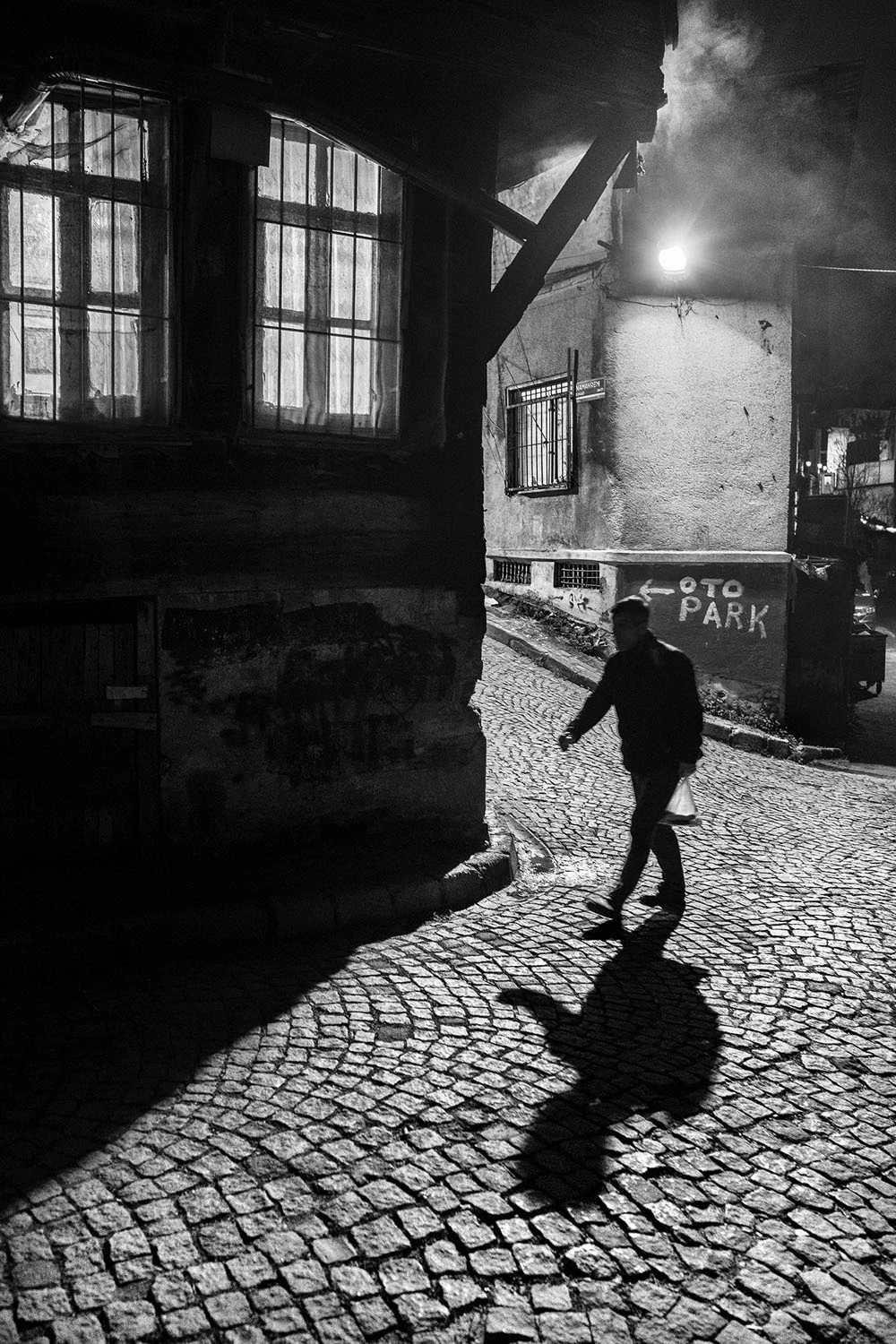
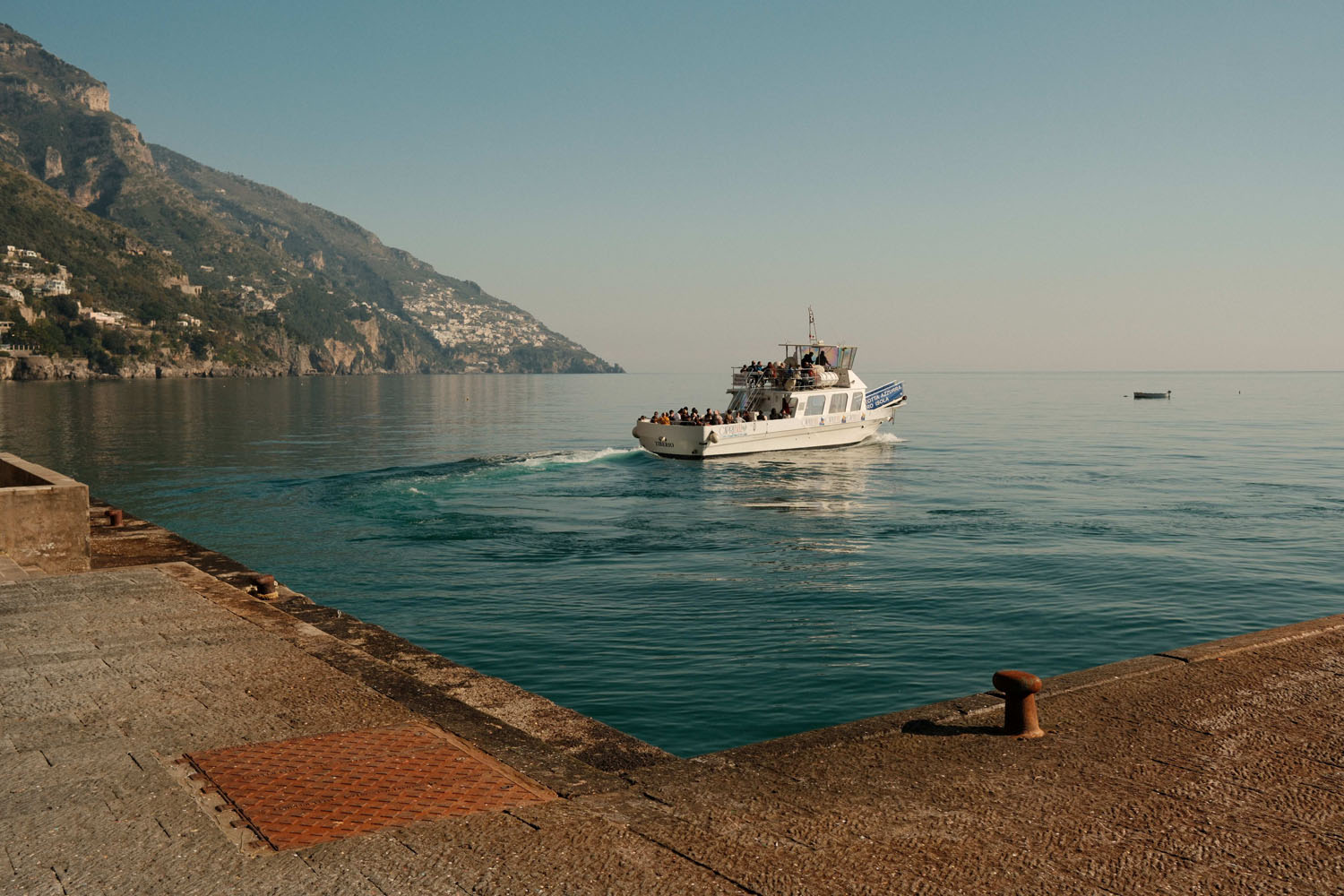
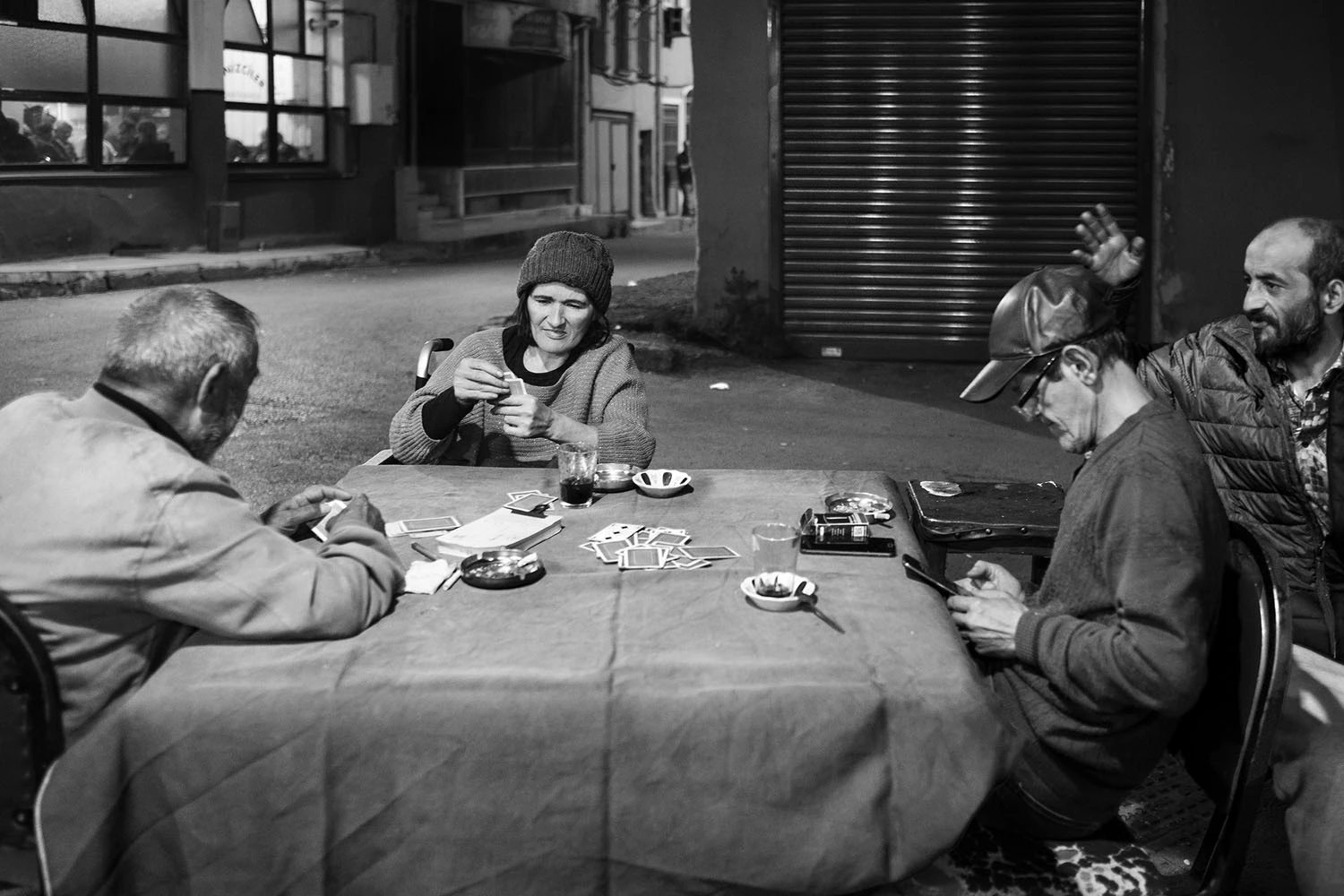
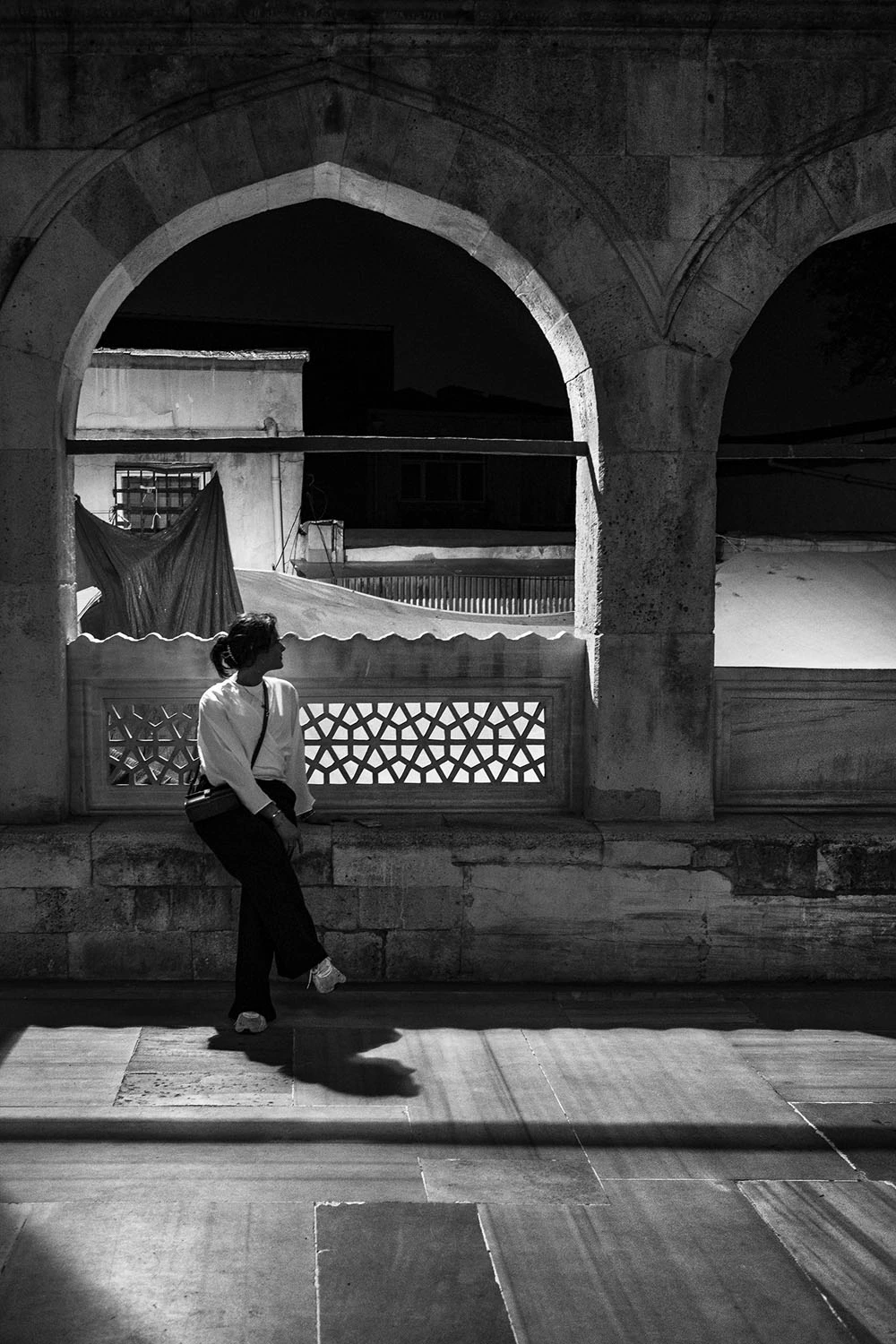
RIGHT: Fuji X-T3 . Fuji XF18mmF1.4 . F/2.0 . 1/60″ . ISO 1600
How would you describe your photographic style today, and how has it changed over the years?
I work with a strong belief in the storytelling power of photography. I photograph people and places around a specific subject or theme, with the belief that the present should be documented and carried into the future through images.
Which photographers have shaped the way you see, and what exactly did you take from them?
I have been influenced by many legendary photographers. I would like to mention two of them in particular.
Henri Cartier-Bresson
What has influenced me most about Henri Cartier-Bresson is his ability to place people at the center of his photographs and reveal their lives through his images. His ability to create photographs that sometimes tell a story and sometimes serve as powerful documentary records has had a significant influence on my approach to photography.
Steve McCurry
Steve McCurry has also had a strong influence on me. His work amid the brutality of war, and his ability to photograph in the most difficult and challenging circumstances, have deeply impressed me. I am particularly inspired by the way he captures and communicates human emotions through photography.
If someone could see only one of your photographs, which would you choose to represent your work — and why that one?
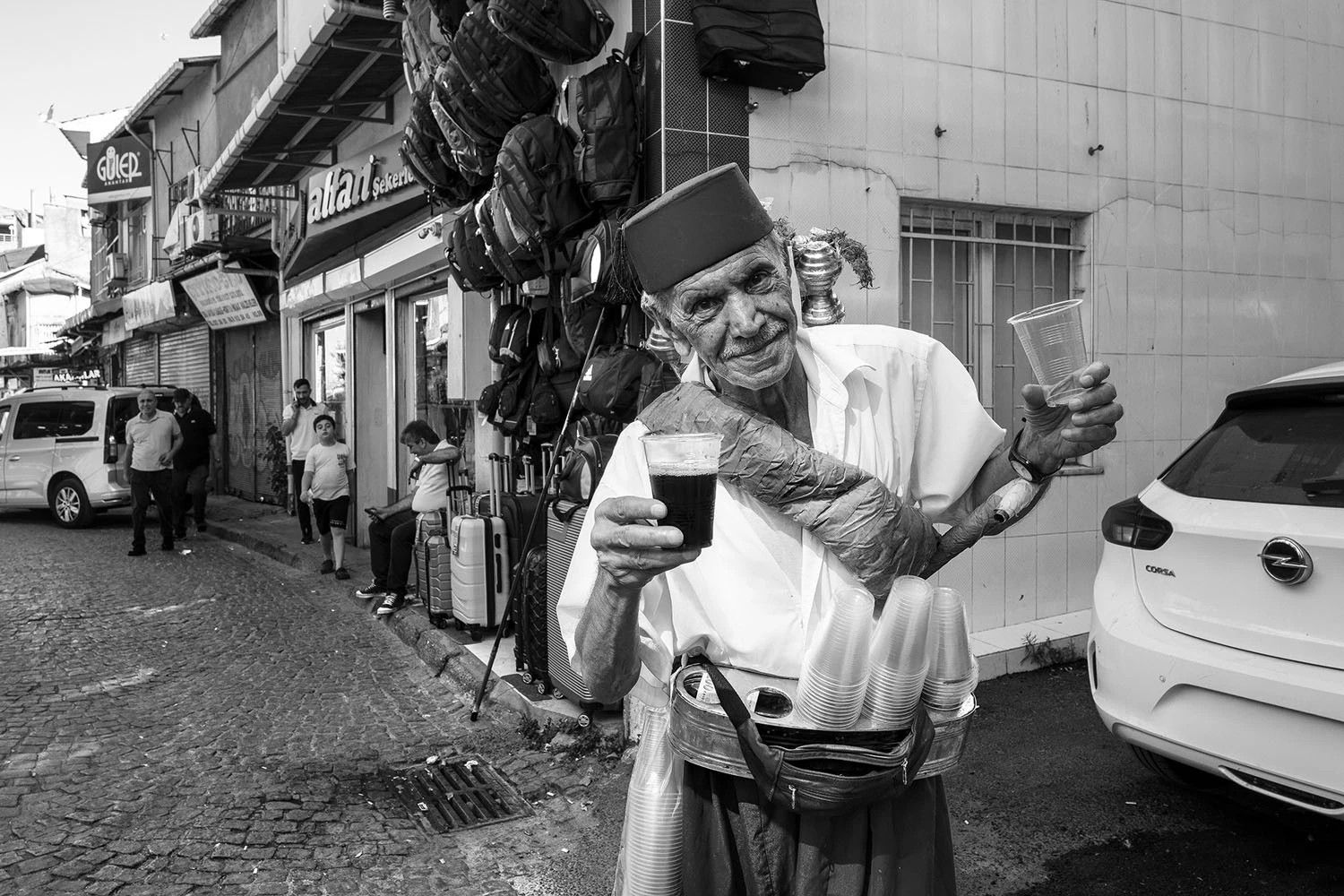
I once photographed a street vendor selling fruit juice. For me, this photograph conveys the human spirit and the dignity of hard work and honest labor.
Which area of photography best describes your work?
Street Photography.
What first pulled you towards street photography, and what keeps taking you back out?
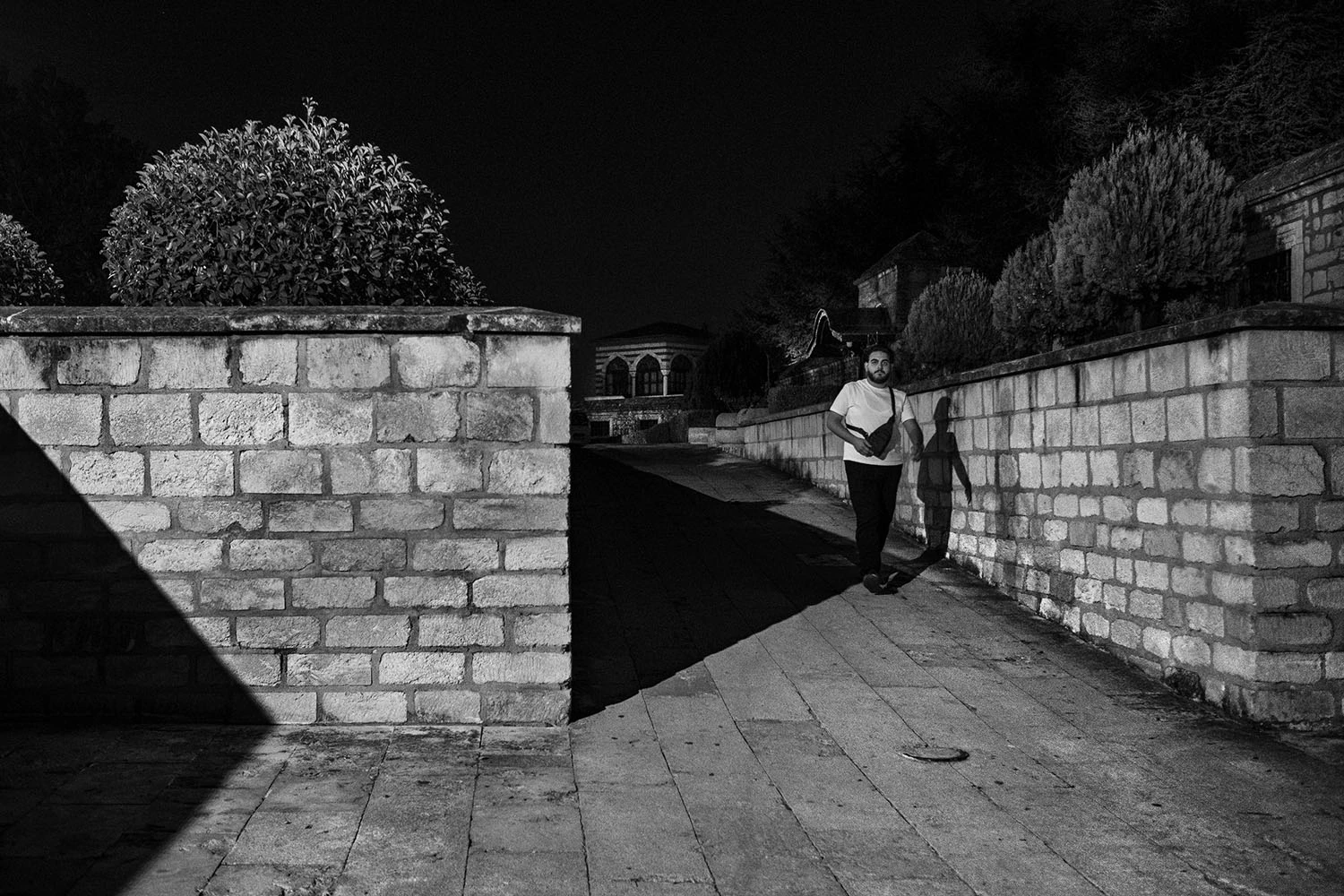
The street is life itself. I have always been drawn to people and the spaces in which they live their everyday lives. That is why I enjoy photographing life on the streets: to preserve a visual record of the present and leave a document for the future.
What catches your eye when you’re walking through a city with a camera?
People and the lives they live.
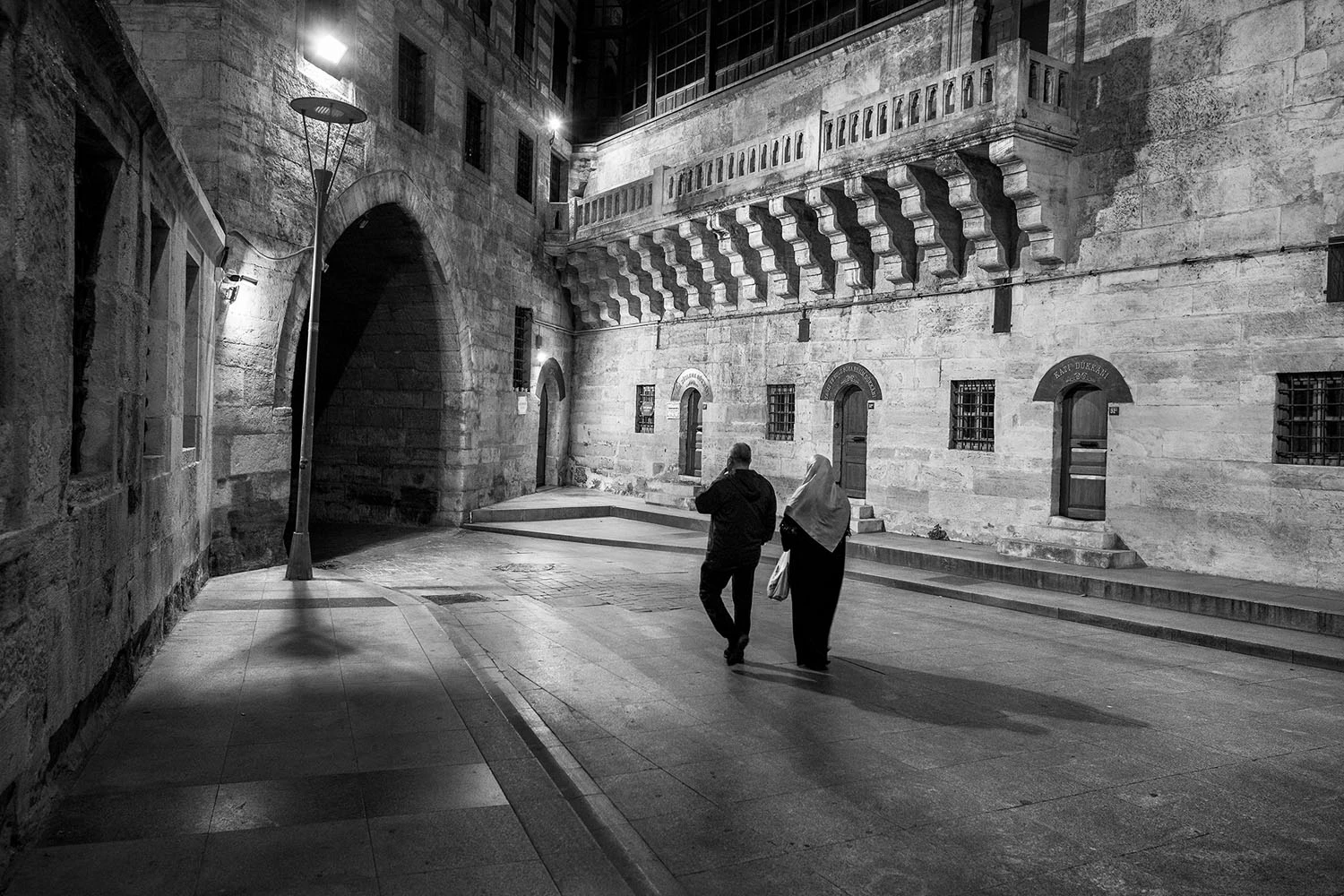
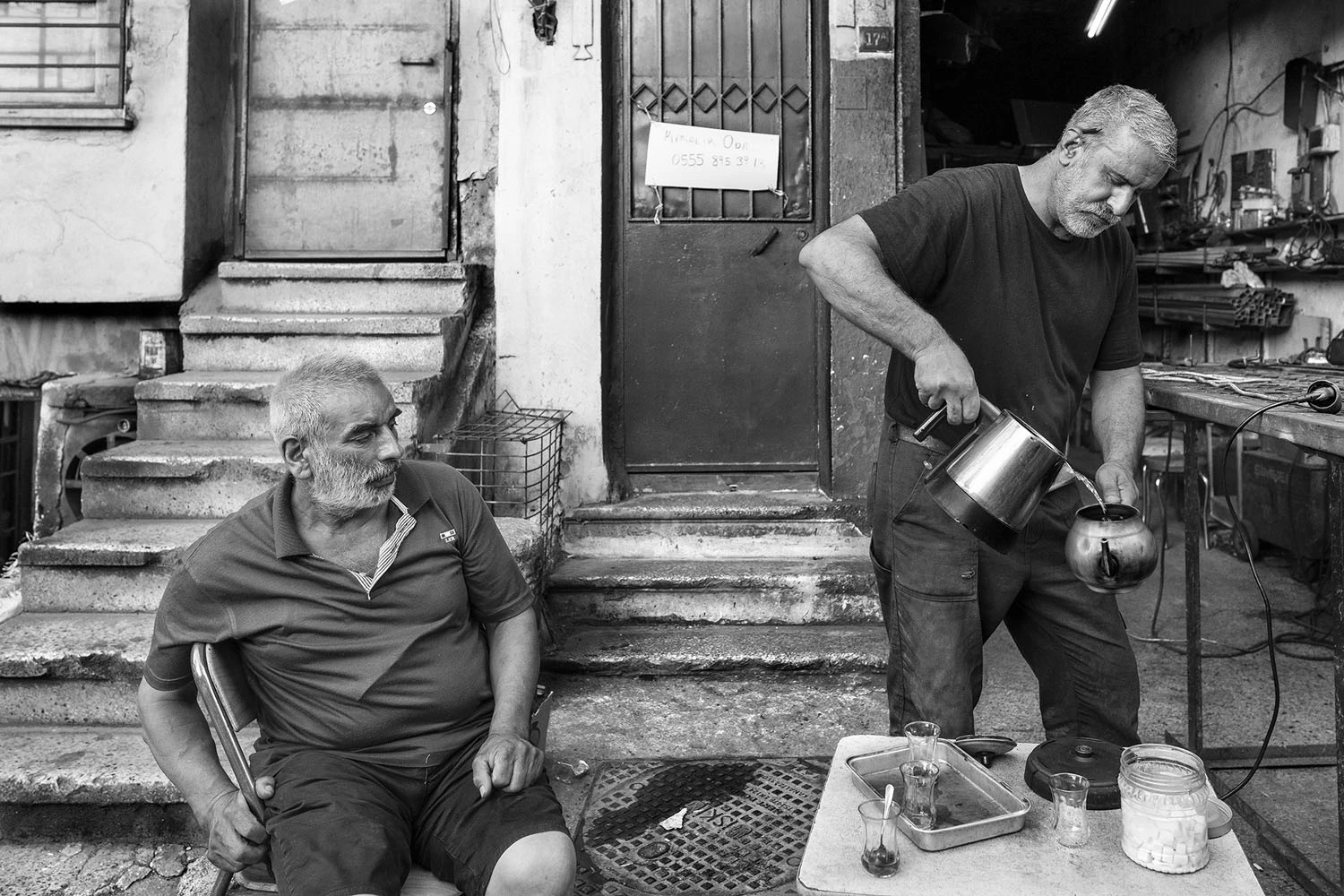
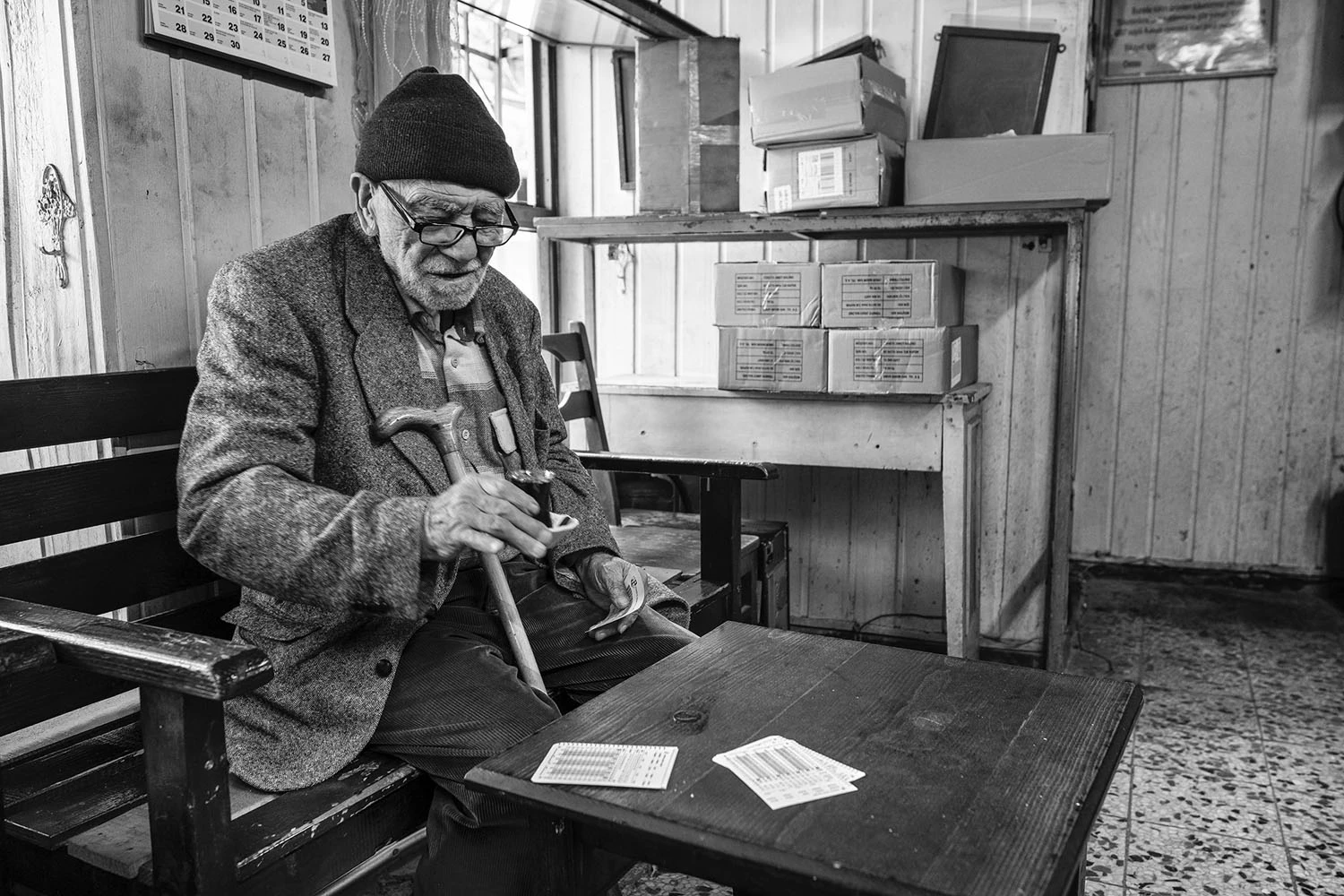
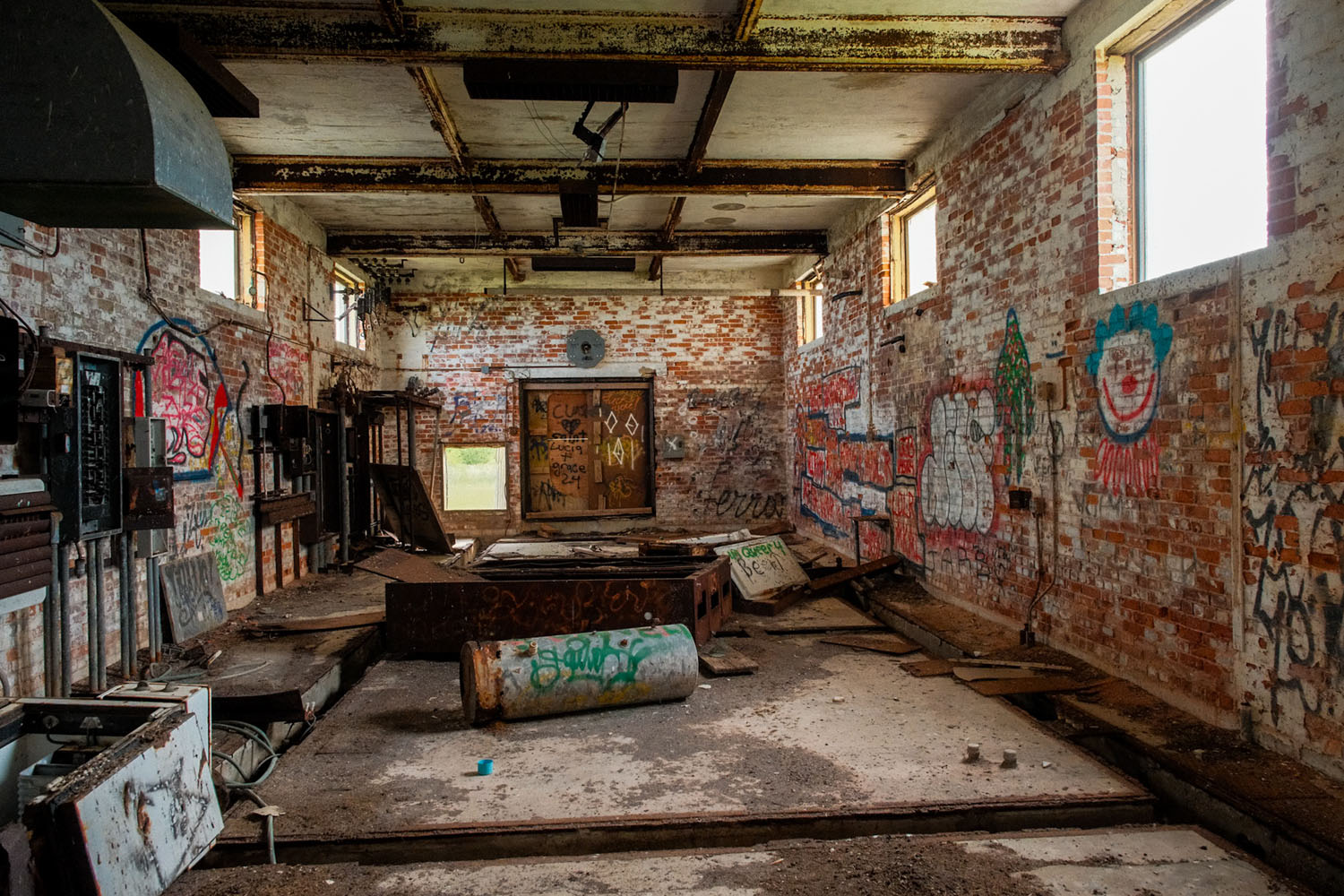
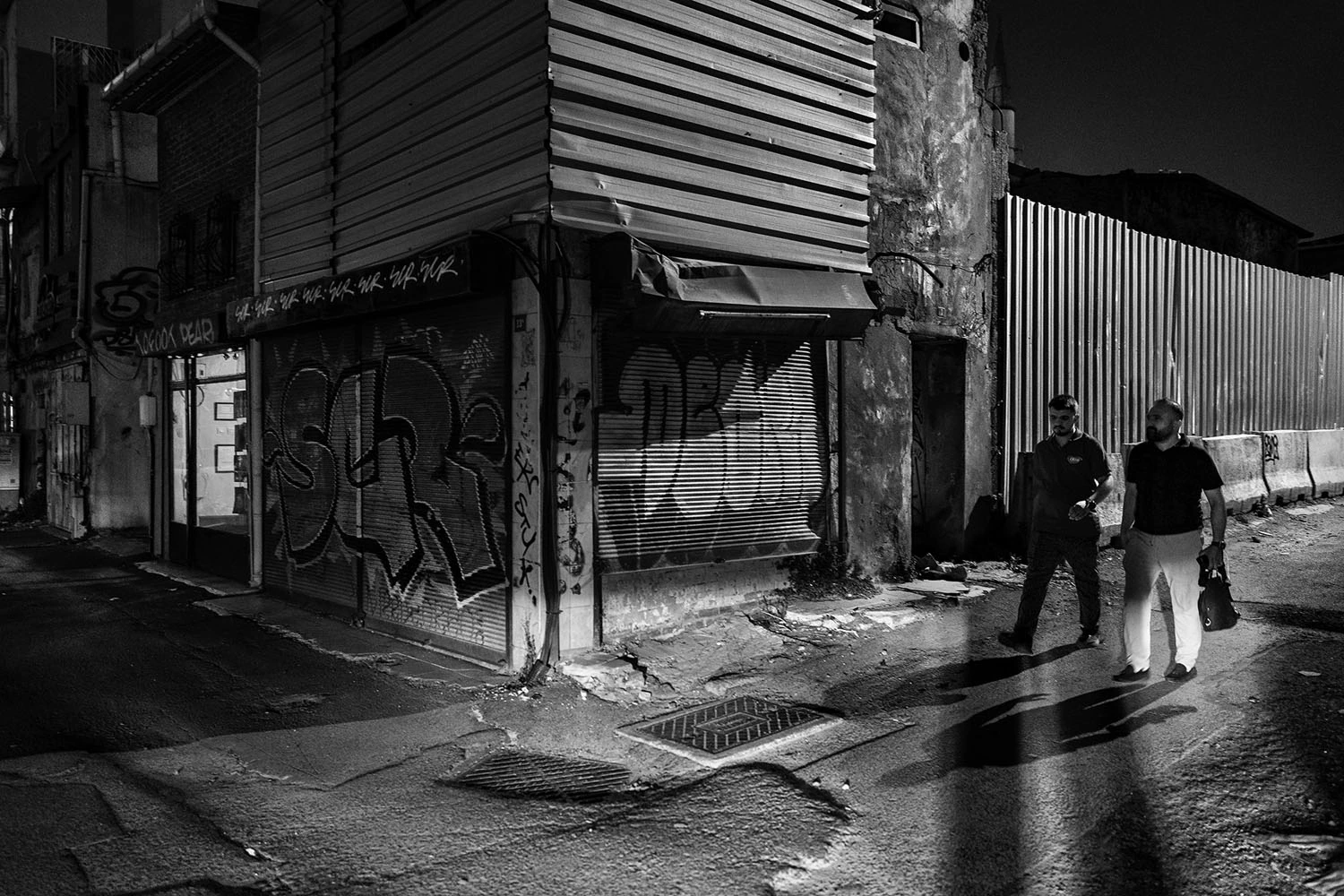
RIGHT: Fuji X-T3 . Fuji XF18mmF1.4 . F/2.8 . 1/60″ . ISO 400
How do you photograph strangers — how do you become part of a scene rather than an intruder in it?
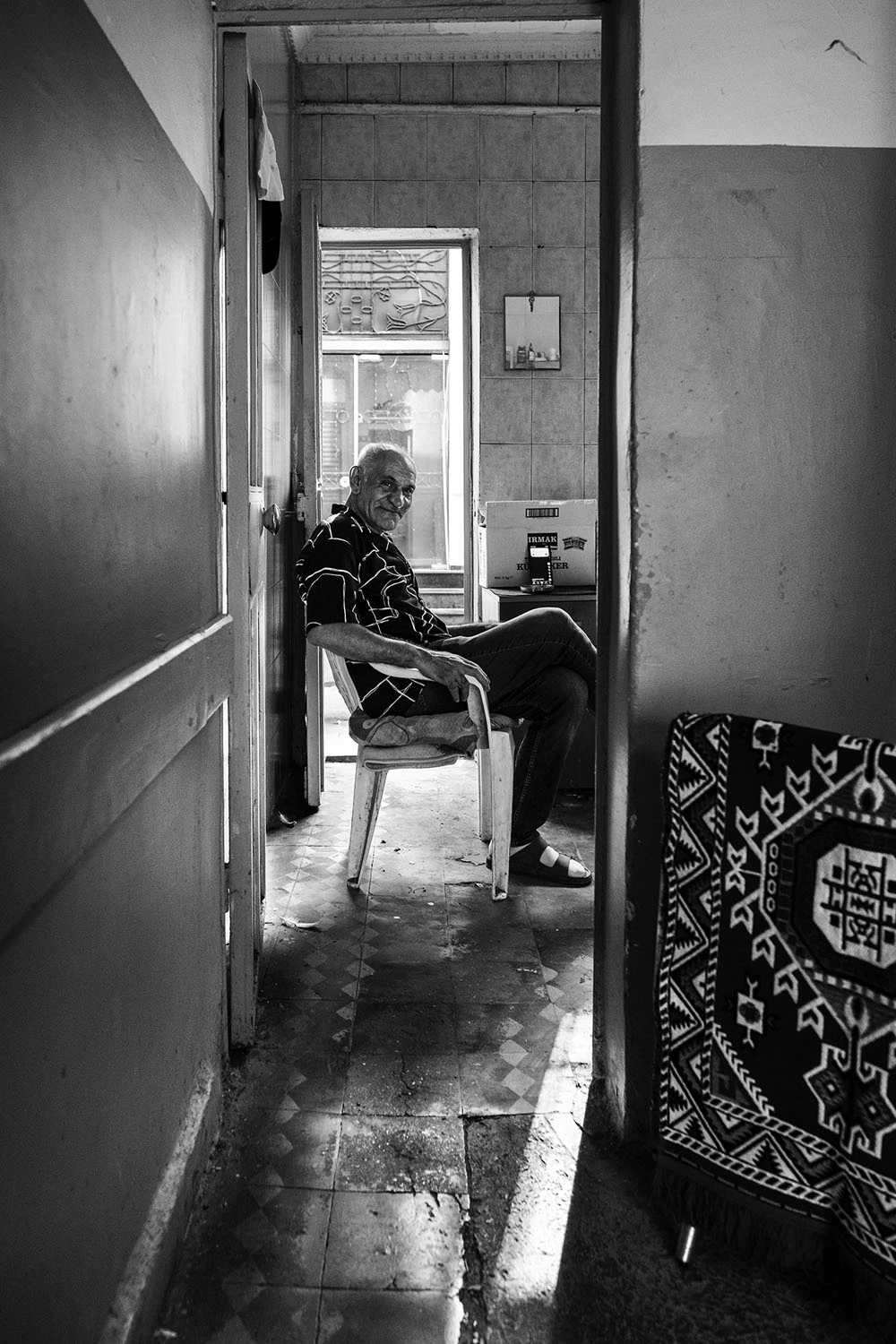
Without doing anything at first, I wait for people to become accustomed to my presence and to my eyes meeting theirs. I observe them for a while, and then I start a conversation. When I feel that they have accepted me and become comfortable with my presence, I begin taking photographs.
Tell us about a chance encounter that gave you one of your favourite photographs. What happened?
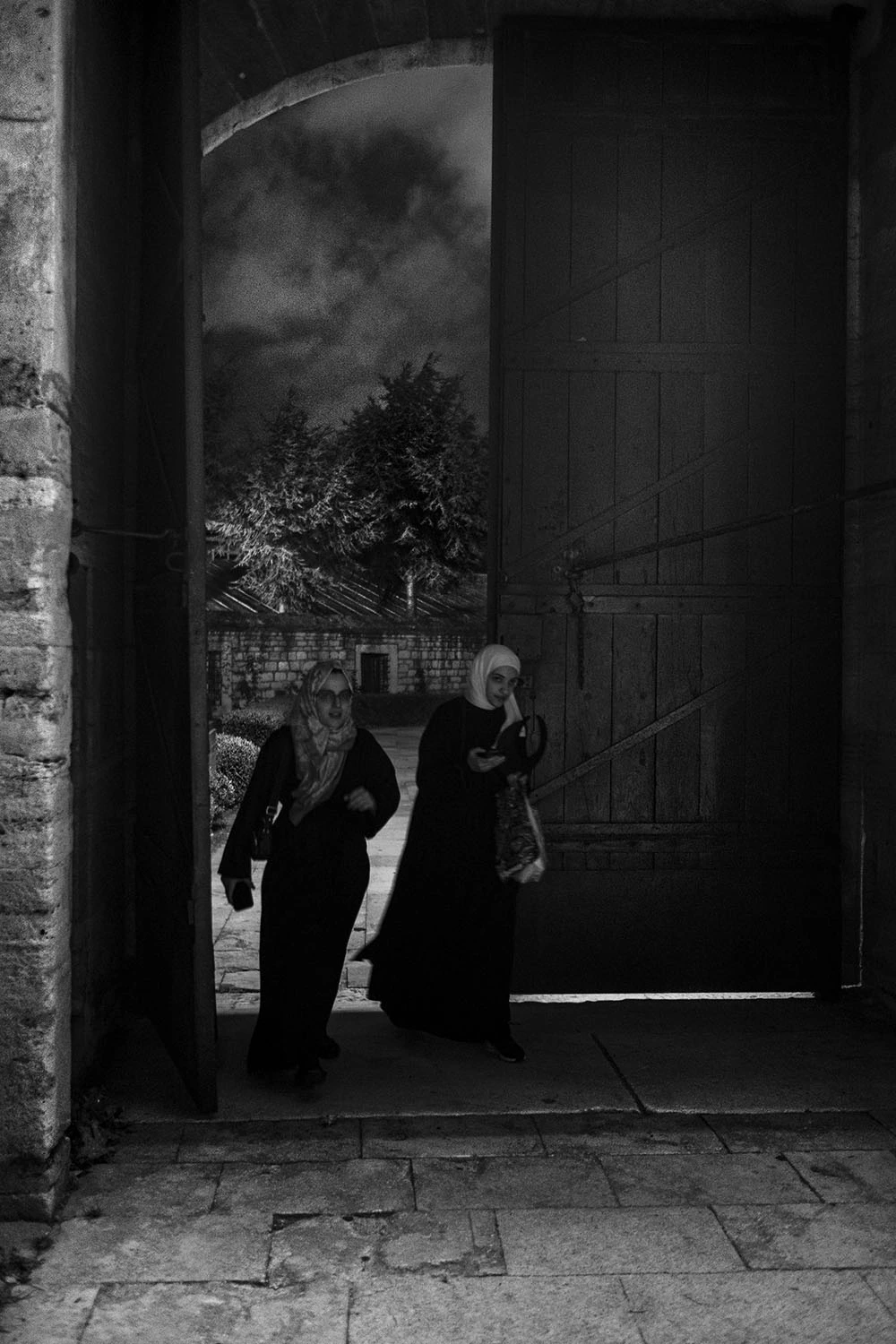
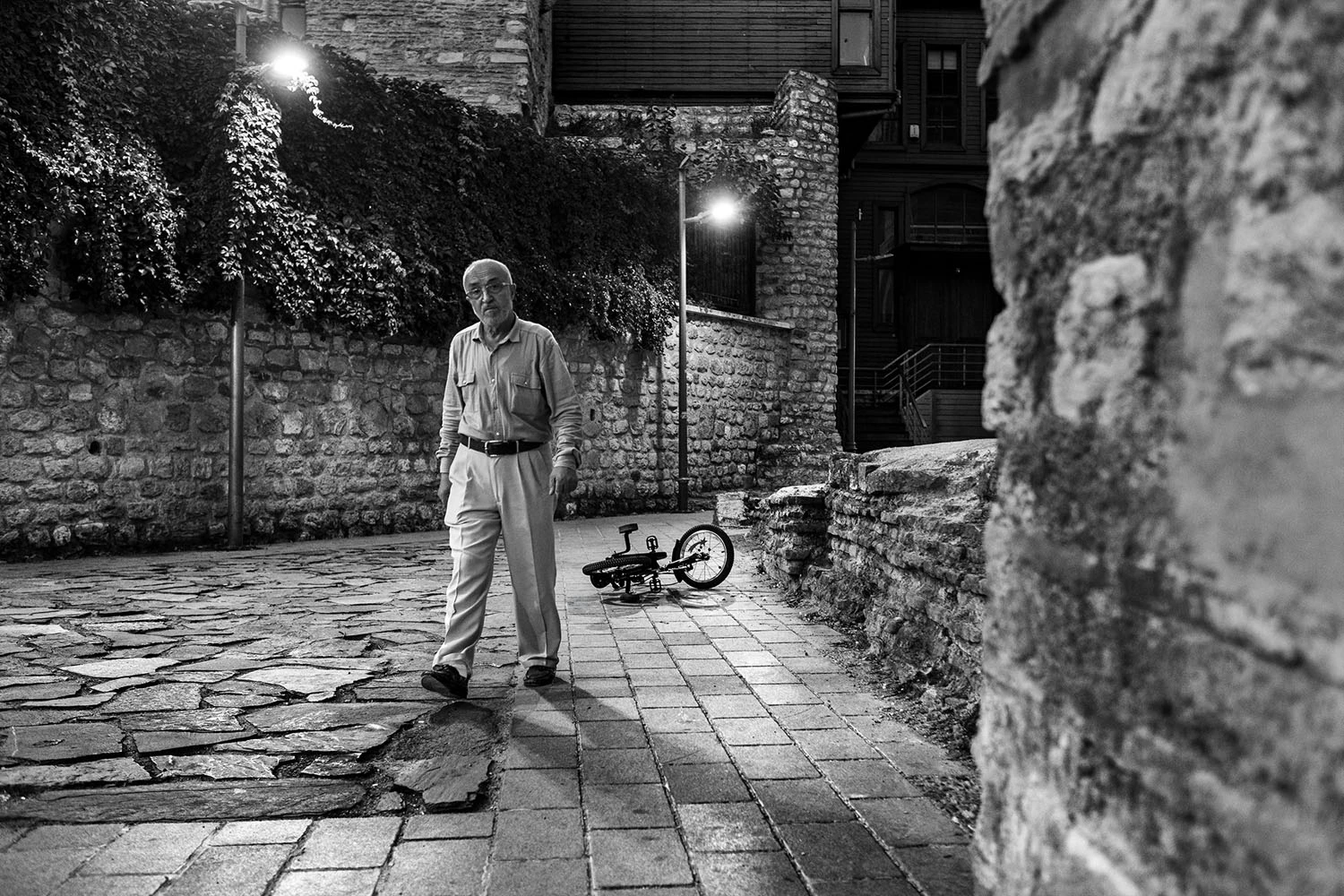
The moments I spend photographing in the late hours of the day, in one of Istanbul’s old neighborhoods, always seem to bring me my best photographs.
What makes a street photograph last, long after the moment itself has gone?
The moment a photograph is taken has already become part of the past, and the experience captured in that moment will be carried into the future.
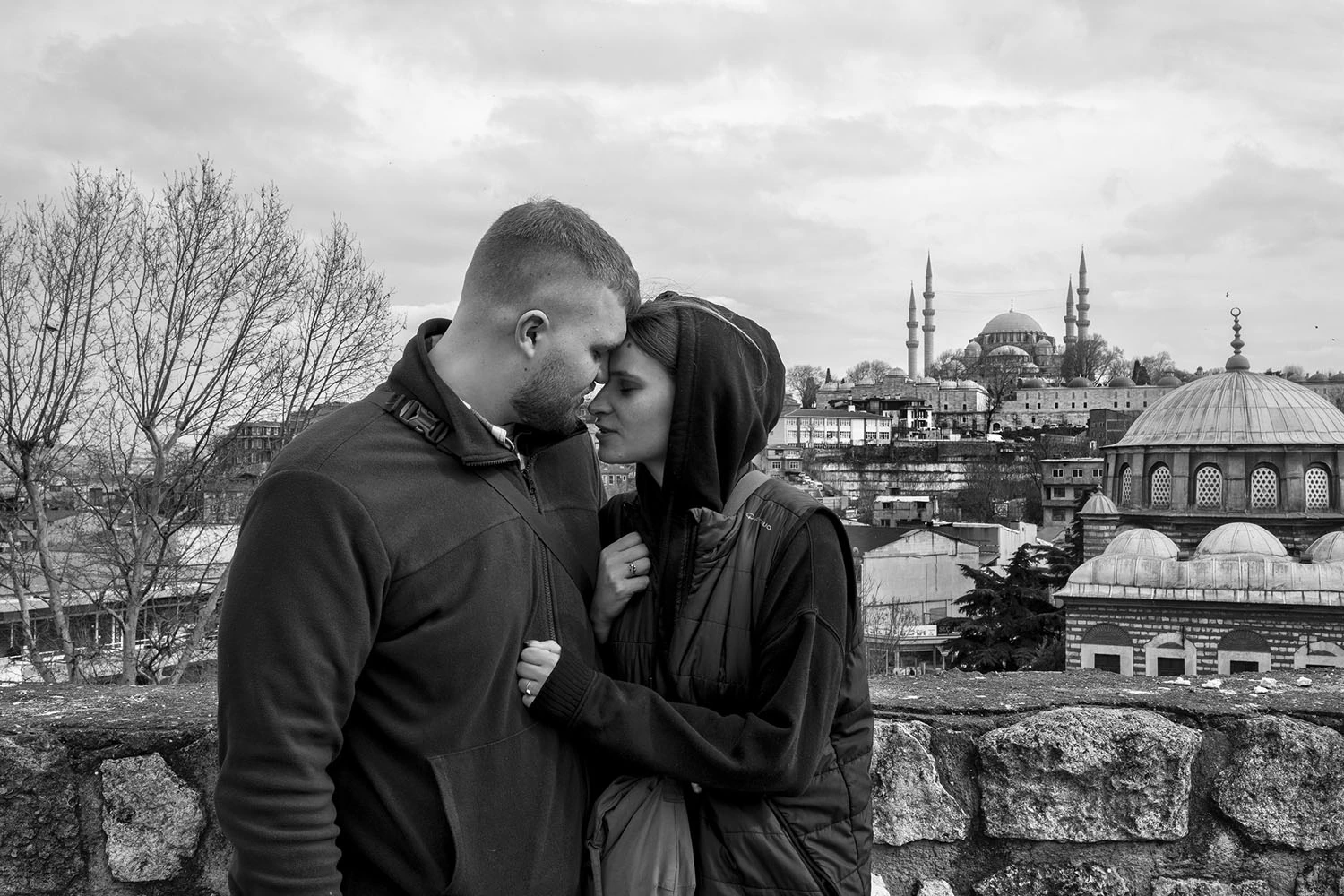
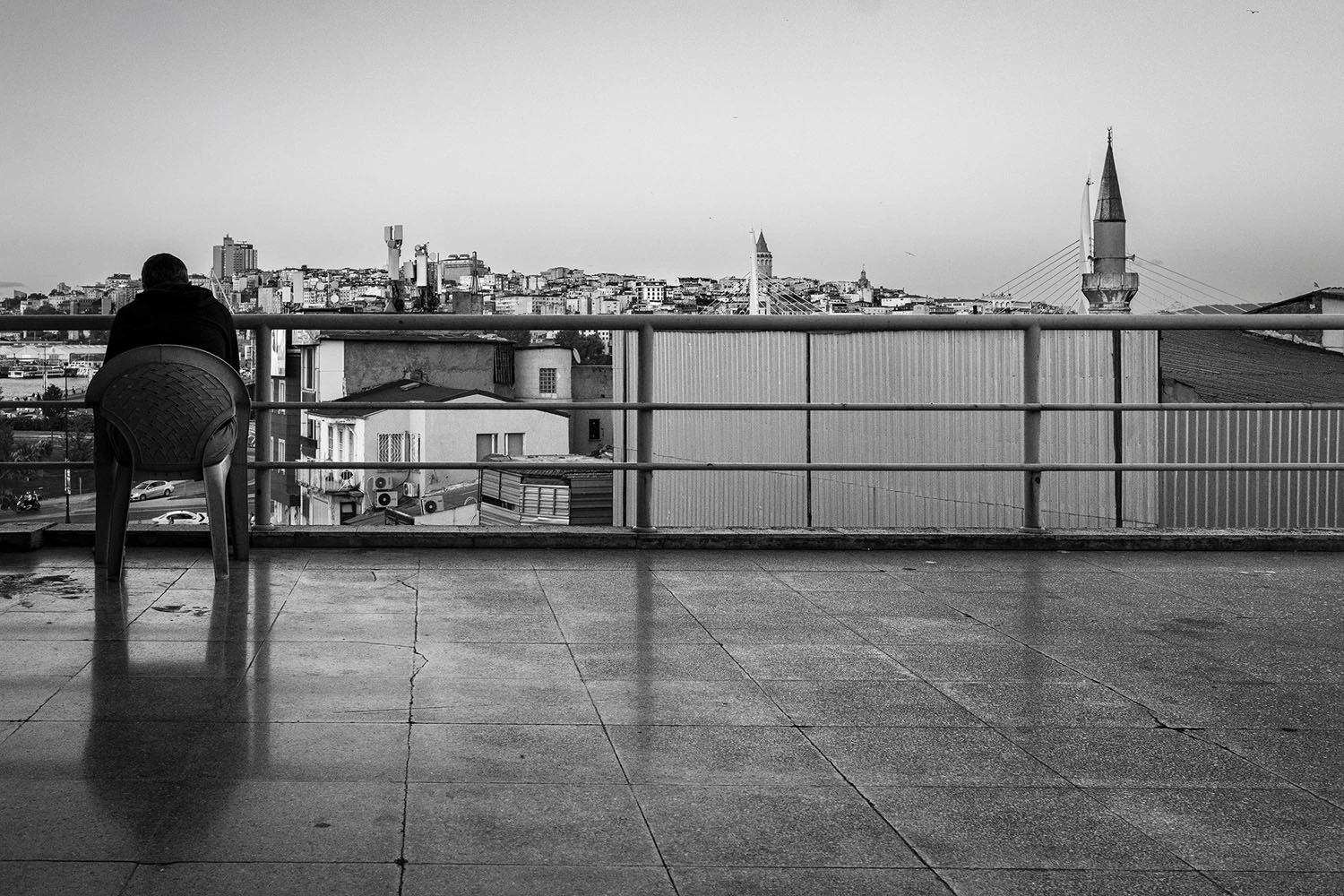
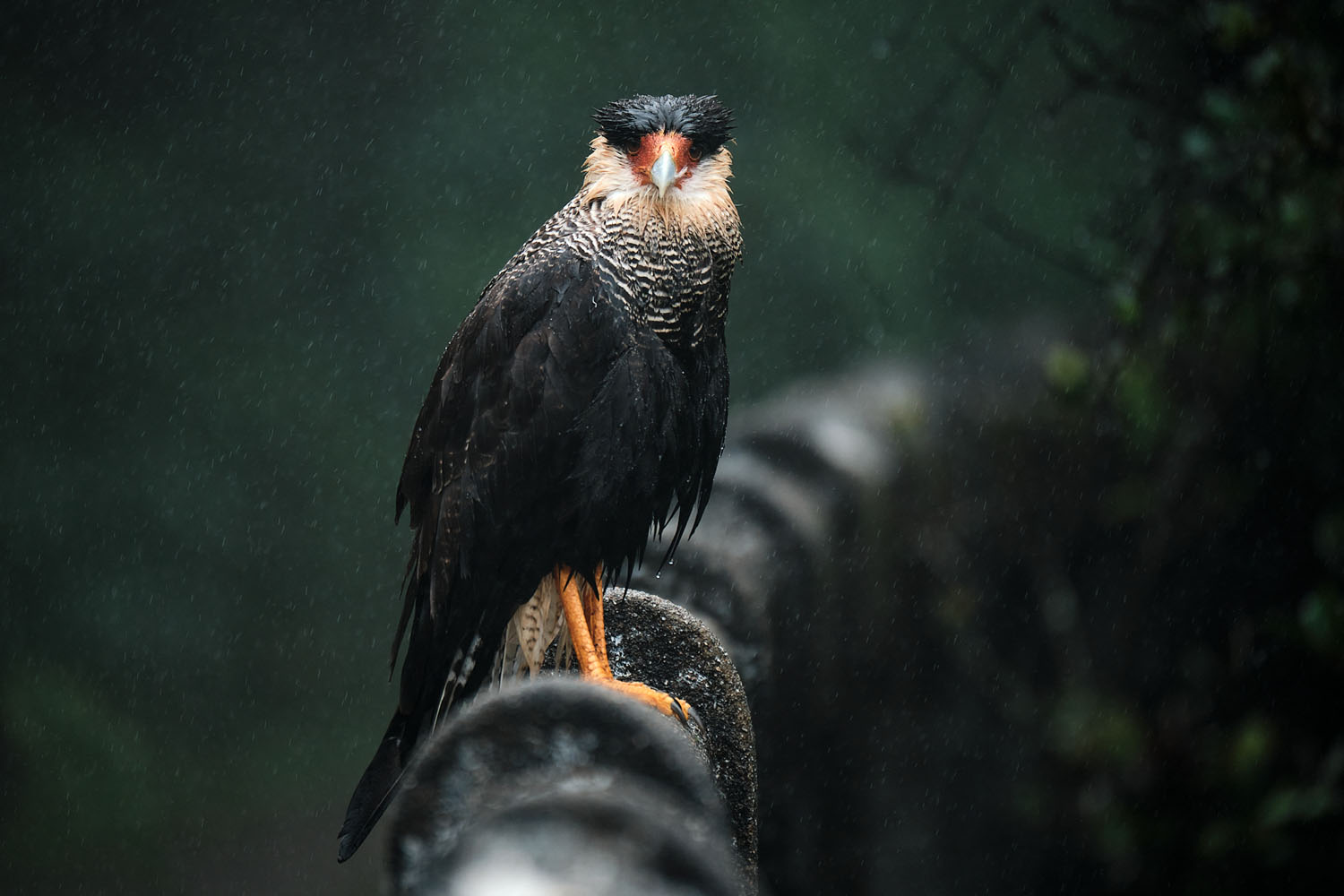
RIGHT: Fuji X-T3 . Fuji XF23mmF1.4 . F/8 . 1/125″ . ISO 800
What camera and lenses are at the heart of your kit right now, and what makes them right for the way you work?
Fujifilm X-T3
Fujinon XF18mmF1.4 R LM WR
Fujinon XF23mmF1.4 R WR
Which Film Simulation, colour profile or custom camera settings do you keep coming back to, and why do they suit the way you see?
I do not use film simulations.
What keeps you working with the Fuji X system, and what would you miss most if you switched away from it?
A compact body, excellent ergonomics, and practicality.
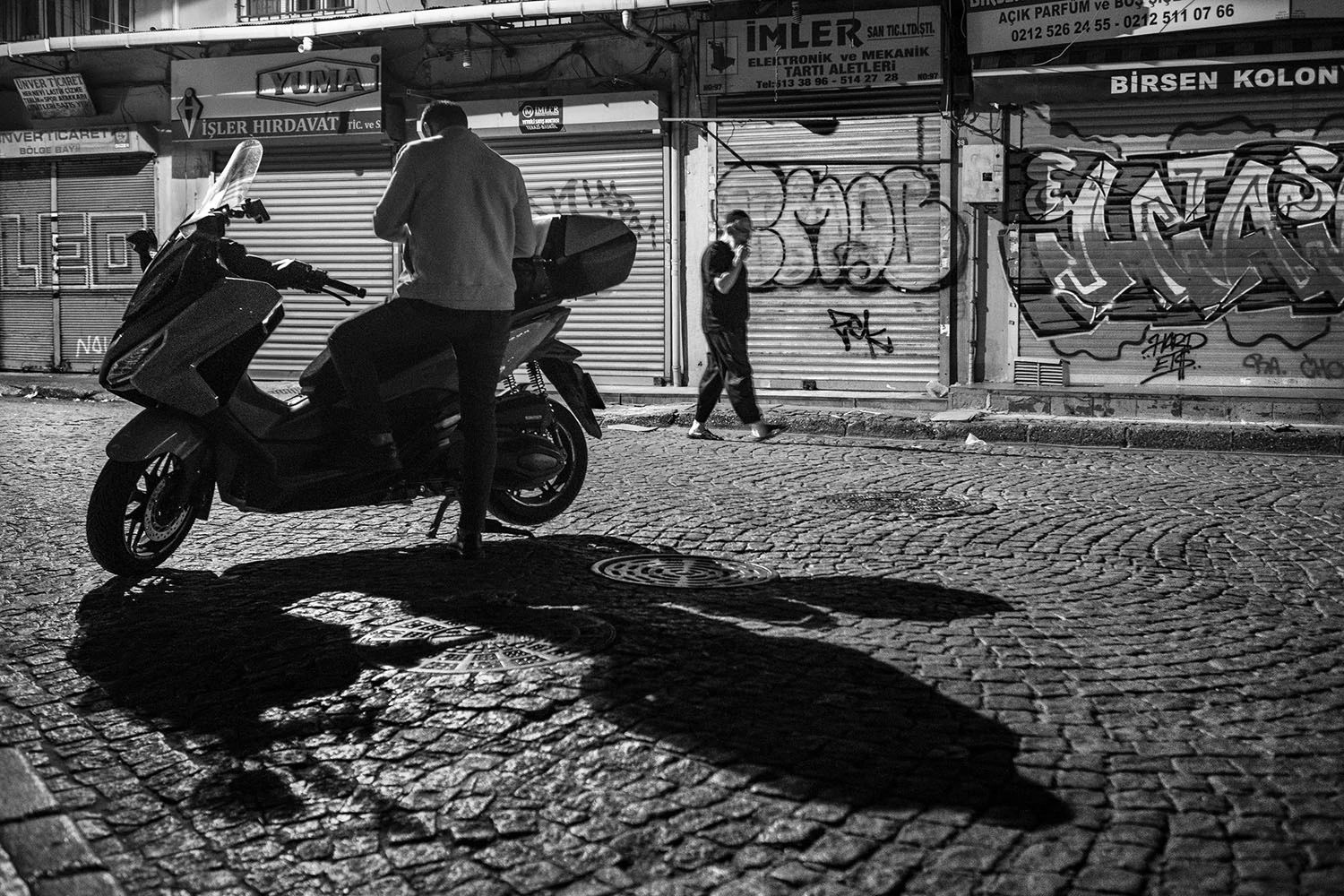
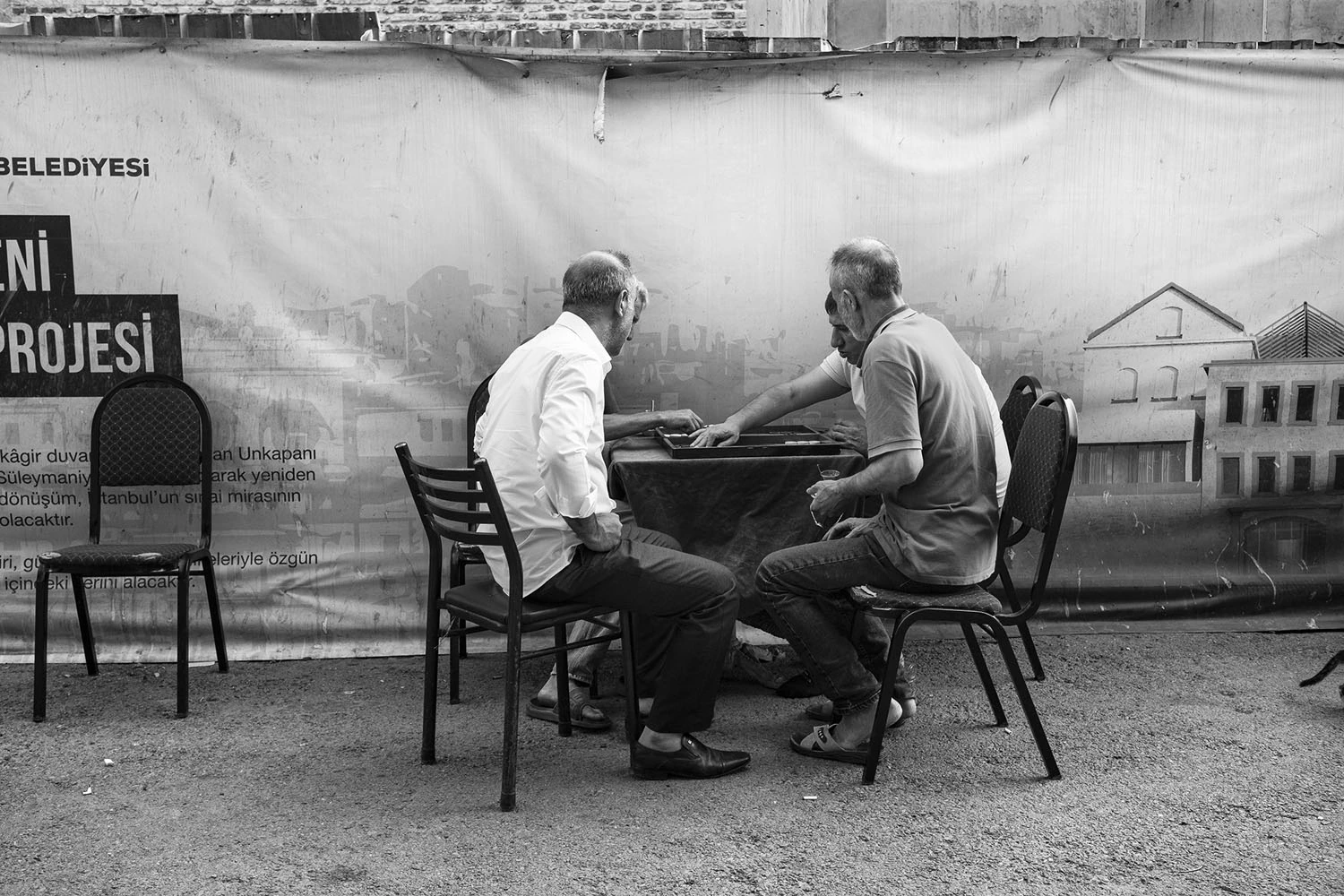
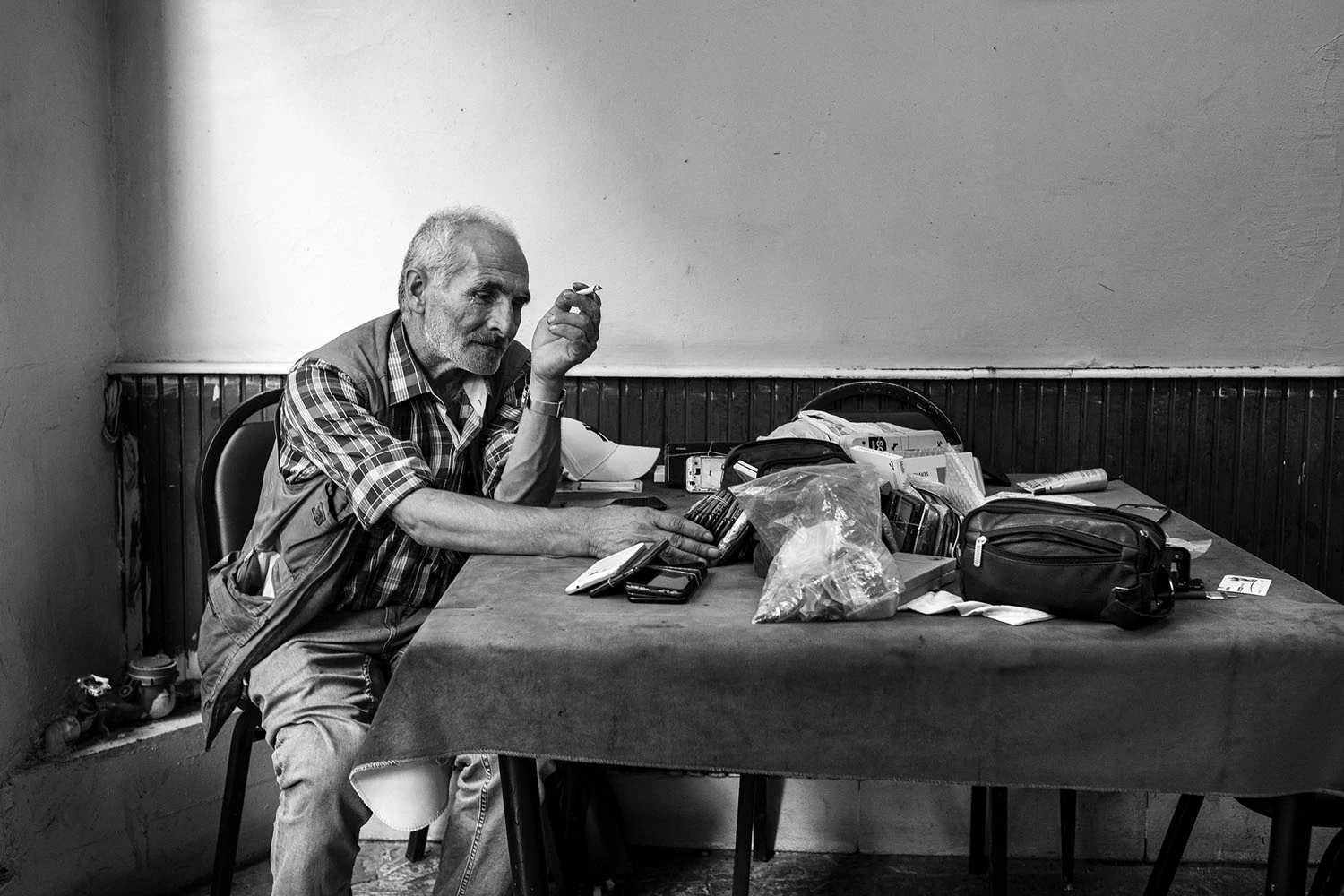
RIGHT: Fuji X-T3 . Fuji XF23mmF1.4 . F/7.1 . 1/125″ . ISO 400
Walk us through your editing workflow — which software do you use, and how much of the final image is made after the shutter closes?
Software I use: Adobe Photoshop, Adobe Lightroom CC, Adobe Lightroom Classic and RAW — absolutely indispensable.
I usually edit my photographs the day after the shoot.
What are you usually trying to achieve in post-processing — and what do you deliberately leave untouched?
First, I make the necessary color adjustments. Then, I create black-and-white photographs with carefully balanced contrast and a full 16-step range of gray tones.
If you could leave a single piece of photographic wisdom for someone picking up a camera today, what would it be?
Color management: Knowledge of Adobe RGB and sRGB, and 16-step grayscale.
Looking back, what is the most valuable lesson photography has taught you?
Human connection, tolerance, and patience.
RIGHT: Fuji X-T3 . Fuji XF23mmF1.4 . F/1.6 . 1/60″ . ISO 1600
Which single accessory could you not work without — and what would you lose without it?
Fujinon 23mm. I don’t think I could take such good street photographs without this lens.
How has your relationship with gear changed over the years, and what drove those changes?
Using prime lenses has changed the way I see and approach photography.
What are you working on right now, and where can readers follow it?
I am currently photographing the areas of Istanbul where I first began my working life: Eminönü, Küçükpazar, Vefa, Cibali, and Süleymaniye.
Those who are interested in following my work can find me on Instagram at @ahmetsinancmyk.
“My journey began at the İMÇ blocks in Unkapanı, Istanbul.
In 1989, I enrolled at Istanbul Printing Vocational High School, where I received formal education in this field. At the beginning of my education, in 1990, my interest and passion for photography began to take shape during my high school years, inspired by my teacher, Demir Anadol. This marked the beginning of what has now become a 36-year journey with photography. Until two years ago, I worked primarily with black-and-white film and slide film. For the past two years, however, I have been using a Fujifilm X-T3 digital camera.”