In the moment: Finding mindfulness through seascape photography
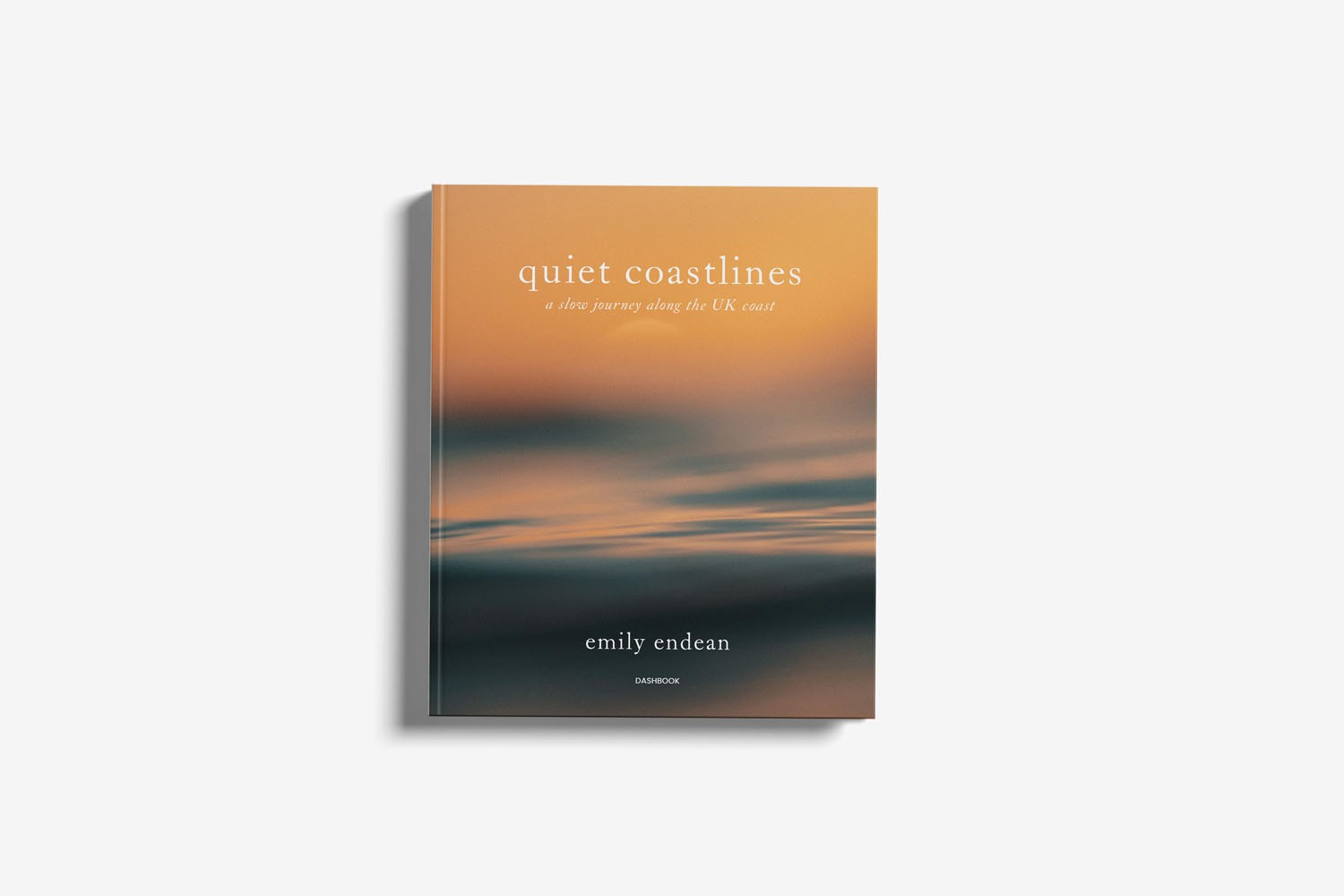
The essay below is an exclusive excerpt from Quiet Coastlines, the highly anticipated photography book by Emily Endean, currently available for exclusive pre-order. Find out more at the end of this article.
I don’t photograph the ocean simply because it is beautiful.
Of course, it is. After years of photographing the coast, though, I’ve realised that what keeps drawing me back isn’t really the beauty itself, but what happens to me when I’m there. The ocean has a way of slowing everything down for me. It makes me pay attention, to really look at what is happening in front of me rather than thinking about everything else that is going on around me.
Whether I’m standing on a rocky shoreline with my camera, watching the tide move around me, or waist-deep in the water with an underwater housing, I become completely absorbed in what is happening in front of me. I’m watching the movement of the waves, the changing light, the shapes and patterns being created and then disappearing almost as quickly as I notice them. There is something very calming about that, and I think it is one of the reasons I have become so drawn to photographing the sea.
Photography gives me a reason to stay, and staying changes what I see.
I might arrive at the coast initially looking at the obvious things: the sweep of the shoreline, dramatic rocks, beautiful light or a crashing wave. Those are the things we naturally notice first, and there is absolutely nothing wrong with photographing them. But the longer I spend in a place, the more those bigger elements begin to fade into the background and I start noticing the quieter details instead.
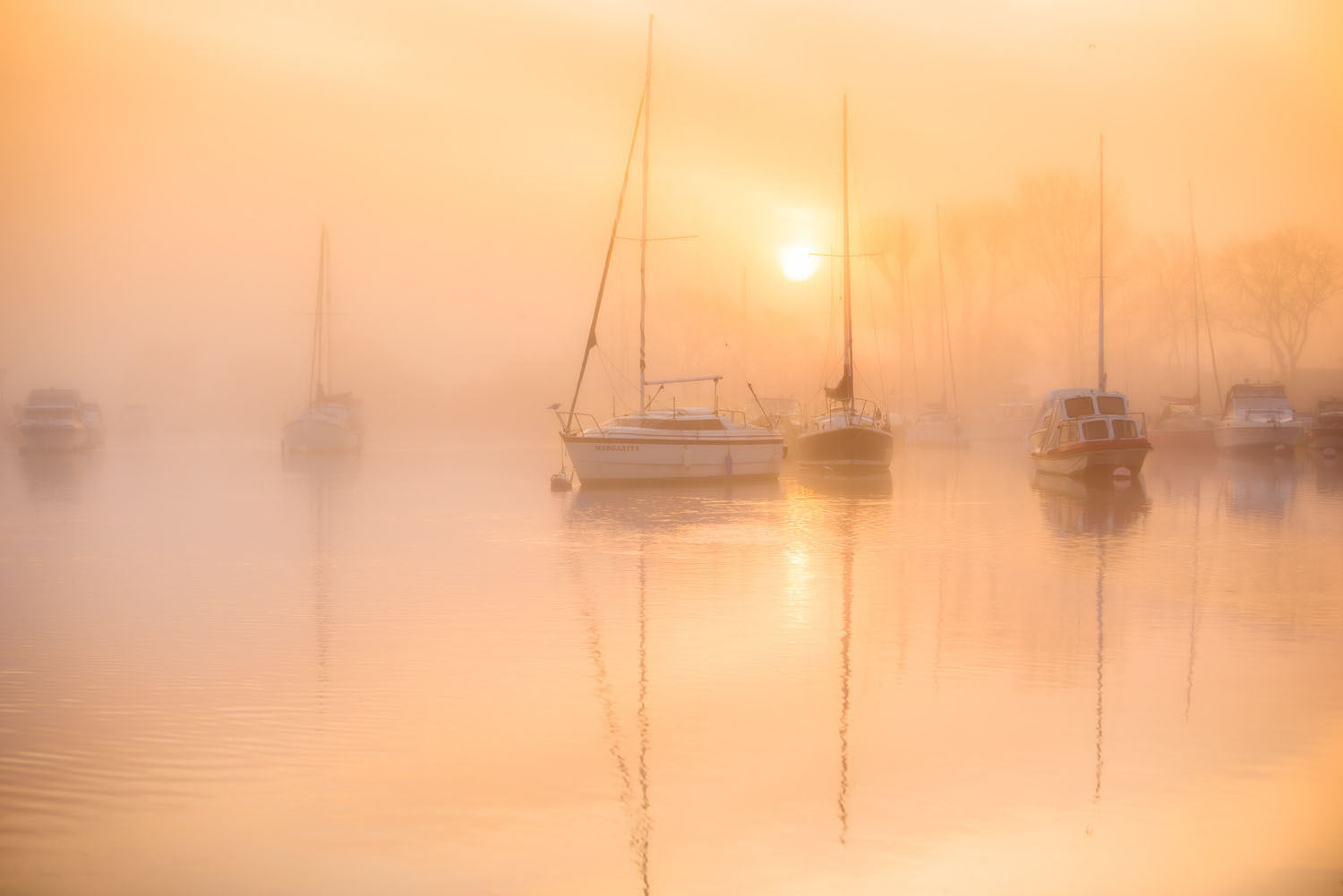
The way the light catches the surface of the water for just a fraction of a second. Patterns created by the retreating tide. Reflections that appear and disappear with every movement of the sea. Sometimes it is simply the shape of a wave as it begins to form.
These are often the moments that interest me most because they aren’t necessarily obvious. They require me to slow down and really look.
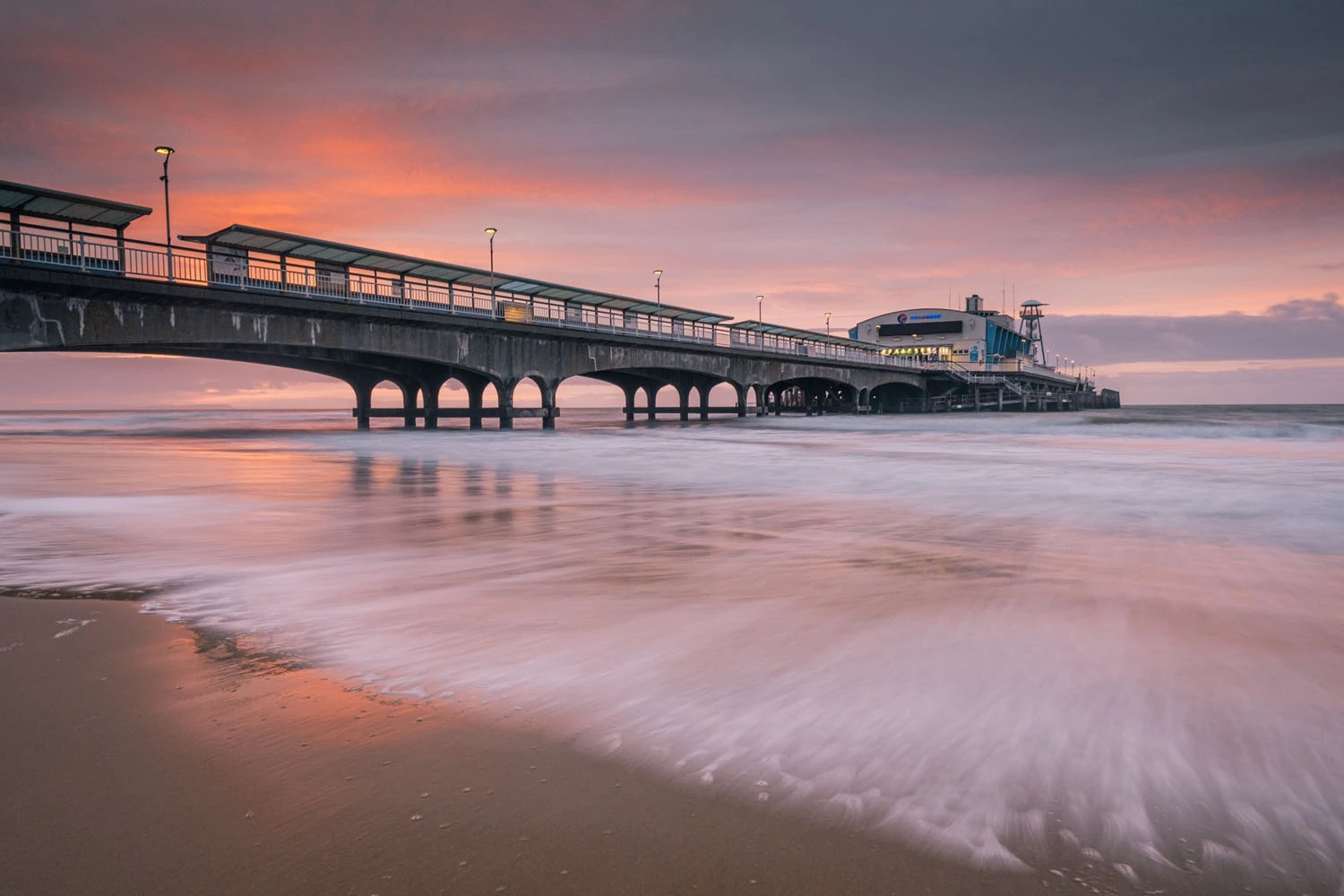
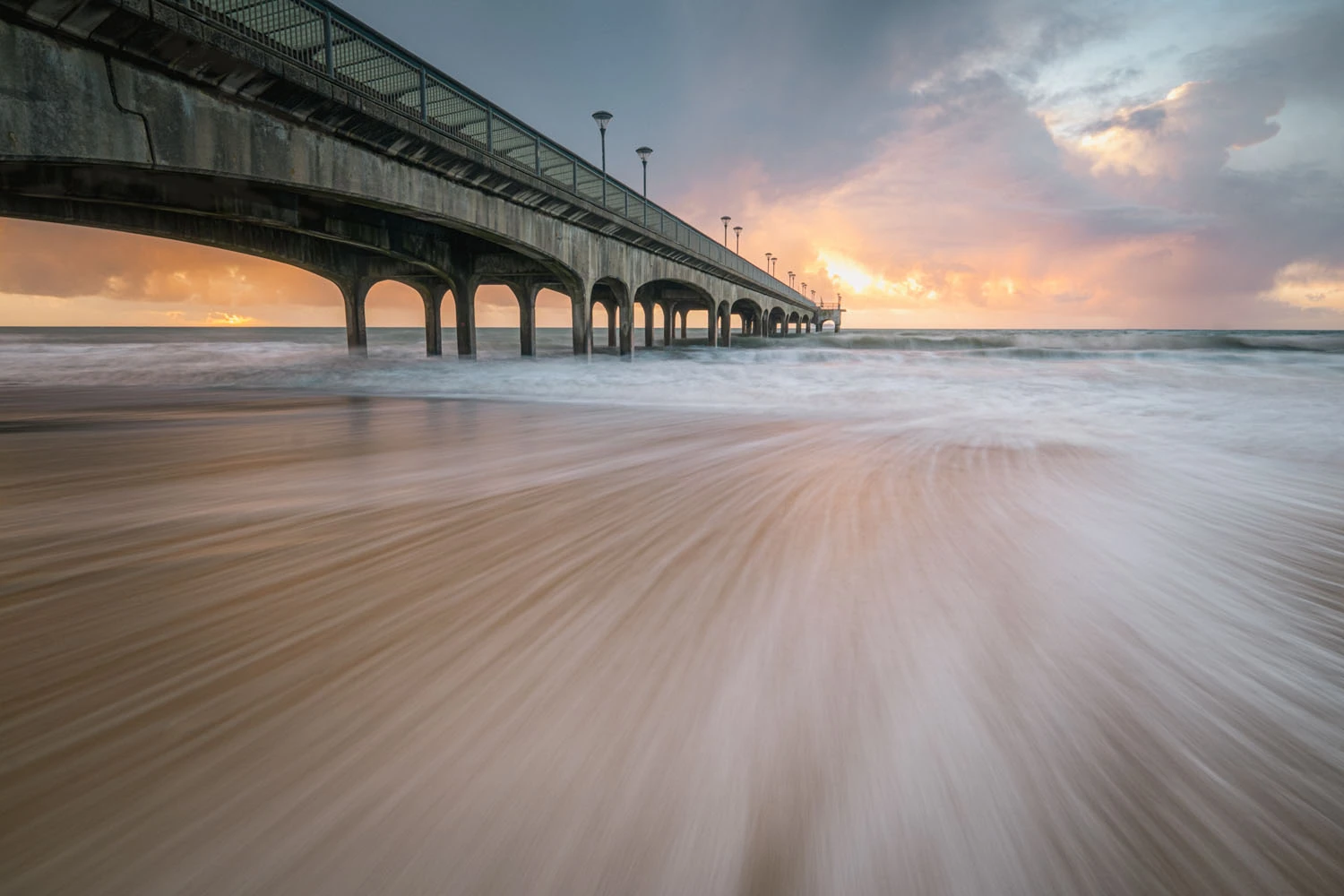
RIGHT: Fuji X-T3 . Fuji XF10-24mmF4 @12.60mm . F/14 . 2.0″ . ISO 80
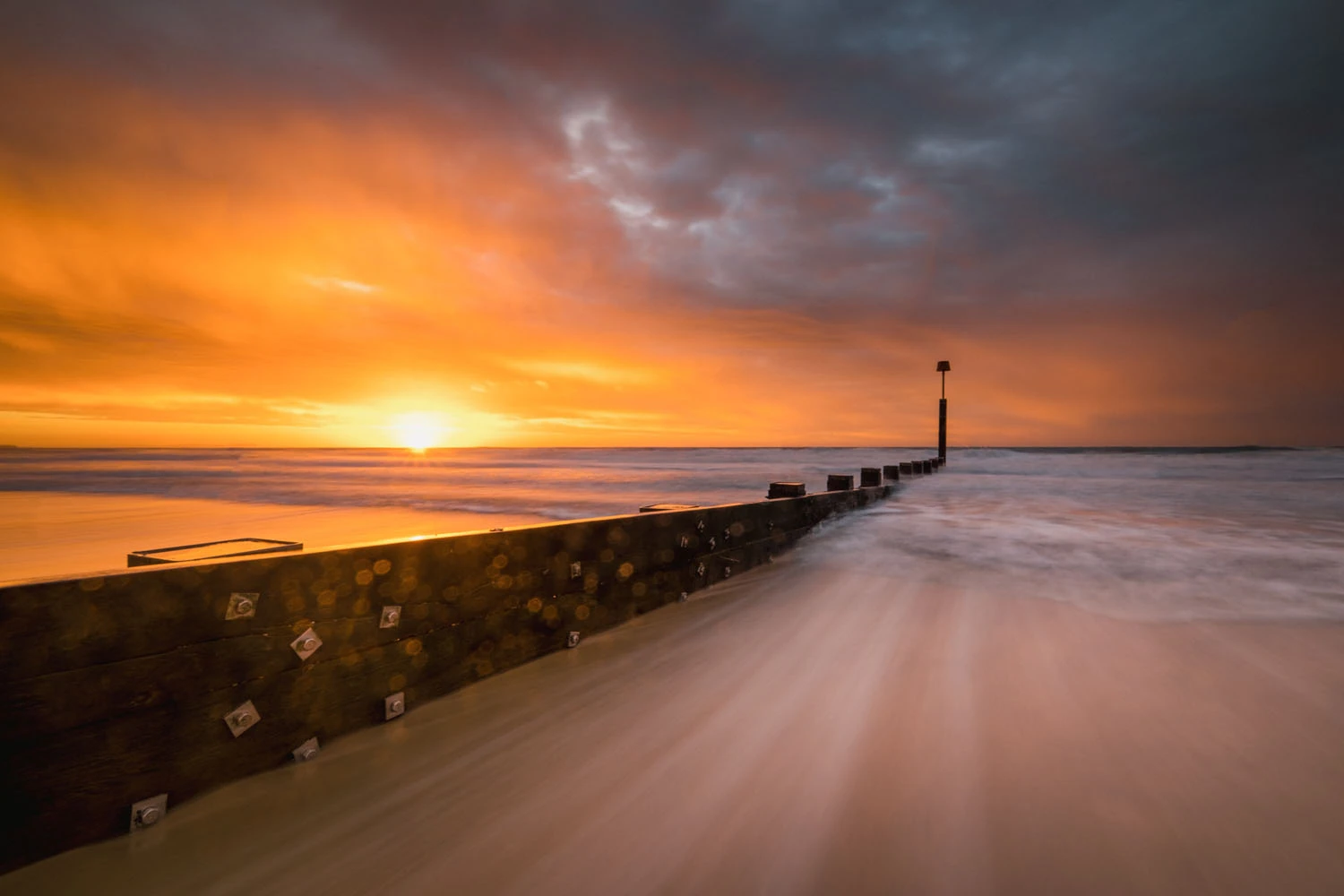
I think there is a difference between seeing something and actually looking at it. We see the ocean all the time and we quickly recognise the familiar elements of a seascape: the horizon, the waves, the rocks, the beach. But when you spend time watching it, you realise that it is never really the same twice. The surface is constantly moving, the light is changing, the tide is shifting, and even on what appears to be a completely calm day, there is an incredible amount happening.
Photography has become my excuse to stop long enough to notice it.
Of course, I will often have an idea in my head about the photograph I want to make. I might have chosen a particular location, checked the tide and weather, and arrived hoping for a certain kind of light. But the ocean doesn’t really care about my plans, and I’ve learned that trying to force a photograph that simply isn’t there is rarely worthwhile.
The light might disappear. The wind might change. The sea might suddenly become much calmer or much more energetic than I expected. Sometimes the photograph I had imagined in my head just doesn’t happen.
And that’s okay.
In fact, I think learning to let go of that expectation has changed the way I photograph the coast. I can make plans, but I also have to be willing to respond to what is actually happening. You cannot control how the next wave will break or exactly where a patch of sunlight will fall. You have to watch, anticipate and react, and sometimes the photograph that comes from that is far more interesting than the one you had originally imagined.
For me, this is where seascape photography and mindfulness really meet.
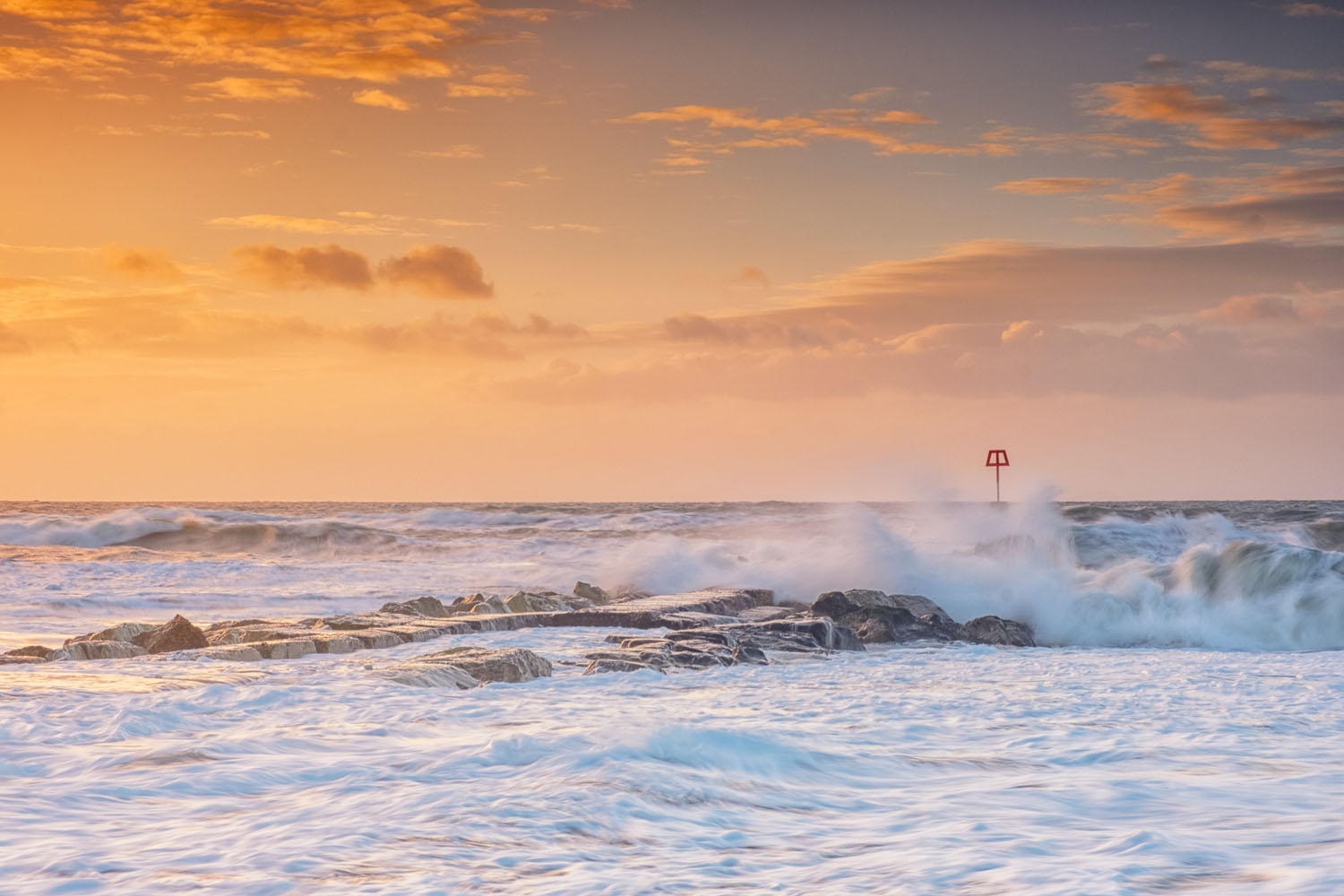
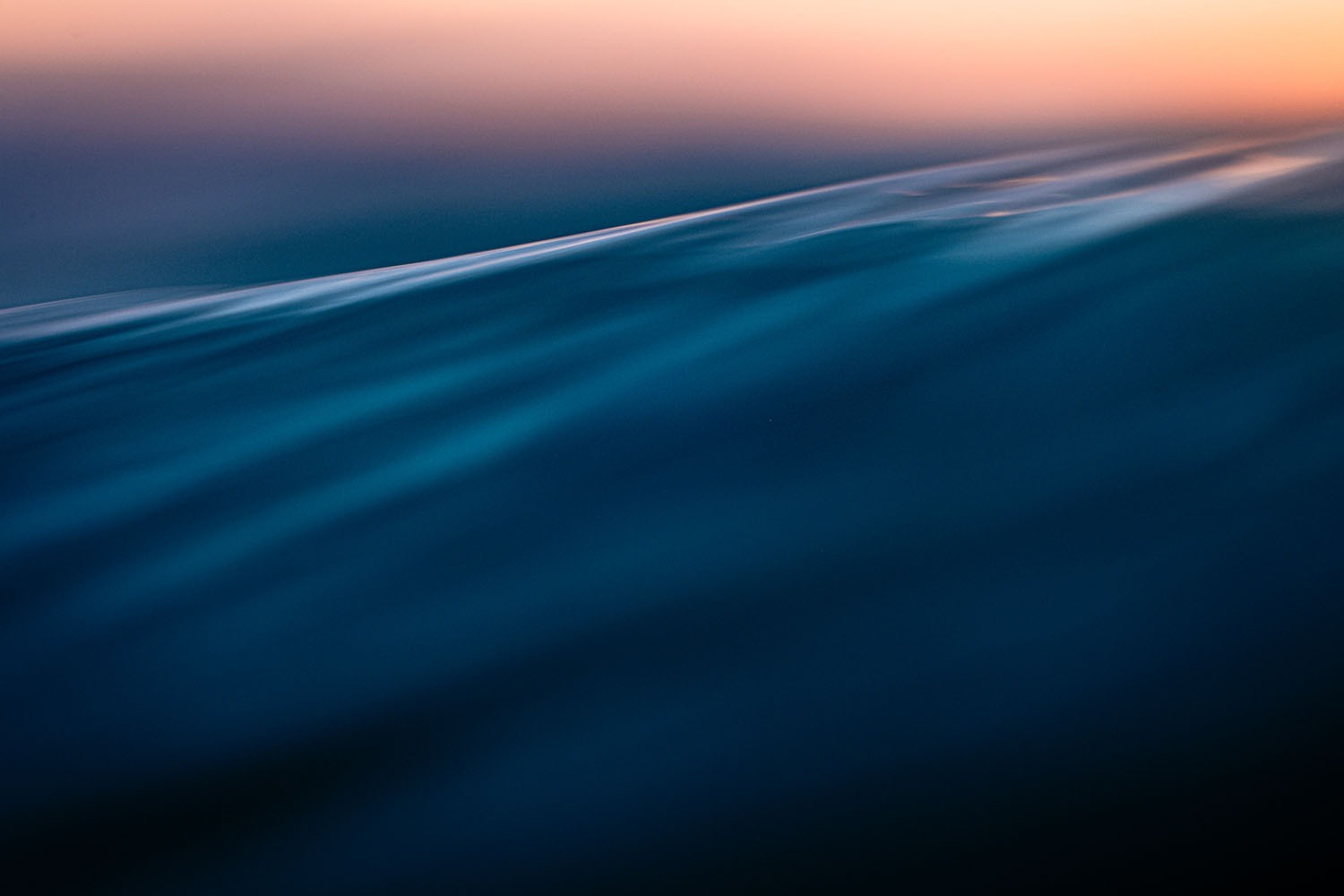
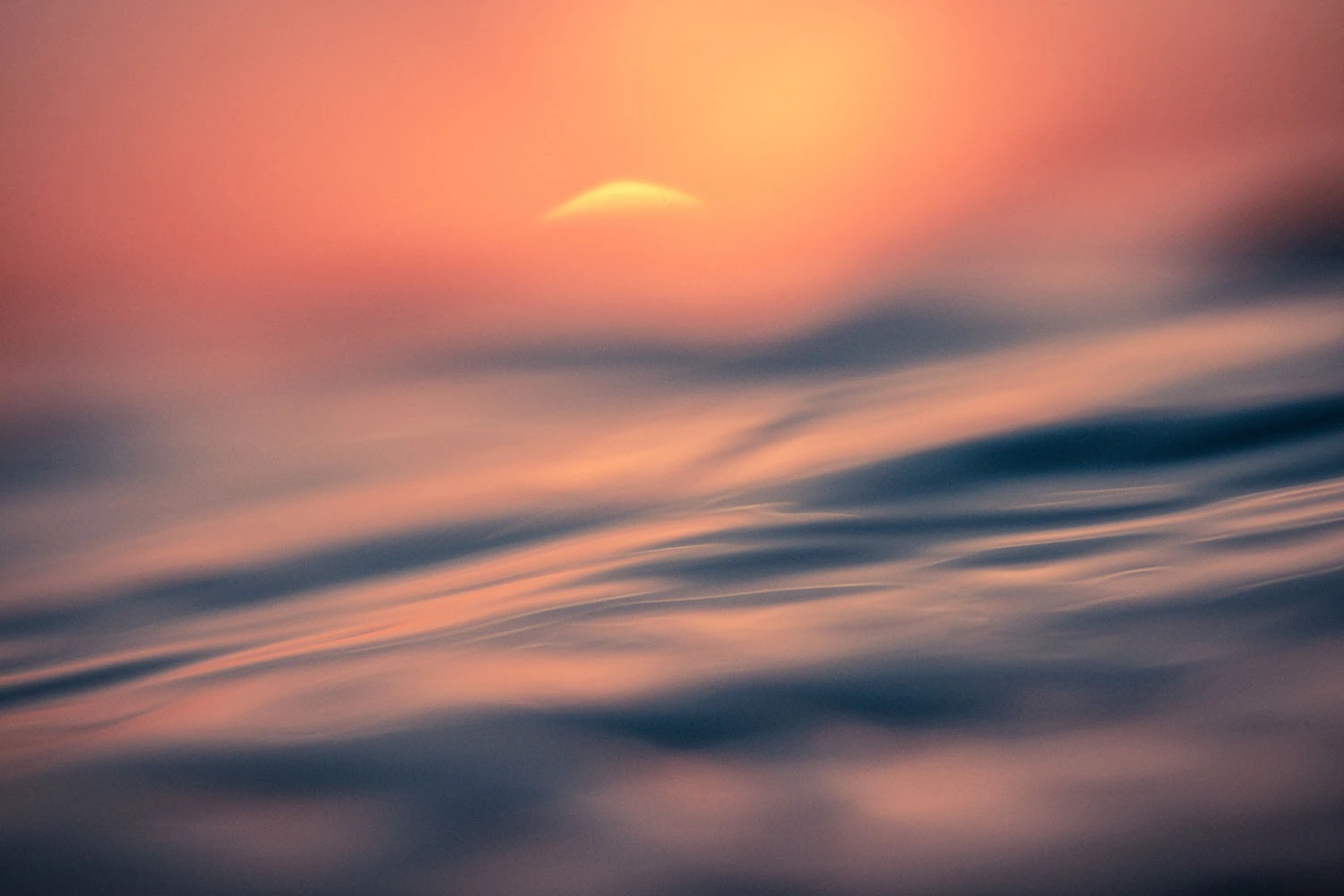
RIGHT: Fuji X-T3 . Fuji XF60mmF2.4 Macro . F/6.4 . 1/500″ . ISO 160
Photography has taught me to be present, but the ocean has taught me how to practise that presence. When I’m photographing, I’m not thinking too much about yesterday or tomorrow. I’m thinking about the next wave, the movement of the water and the way the light is changing. Everything becomes much more immediate.
I think that feeling becomes even stronger when I’m actually in the water.
Photographing from within the ocean is a very different experience to standing on the shore and looking out. Everything becomes closer and more immersive. I’m physically part of the environment I’m trying to photograph, feeling the movement of the water around me while watching for what might happen next.
There is also very little room for distraction. I’m concentrating on where I am, what the water is doing and where I want to place myself. It is probably one of the few times when I am completely absorbed in the present moment.
And perhaps that is why I have become so interested in creating photographs from within the sea. I’m not simply observing the ocean from the outside; I’m experiencing it. The camera gives me a way of translating some of that experience into an image.
I’m also no longer particularly interested in simply documenting a beautiful coastline. I want to interpret it and find something within it that feels like my own perspective. I want the photograph to reflect not just what was there, but something of how it felt to stand there and experience it.
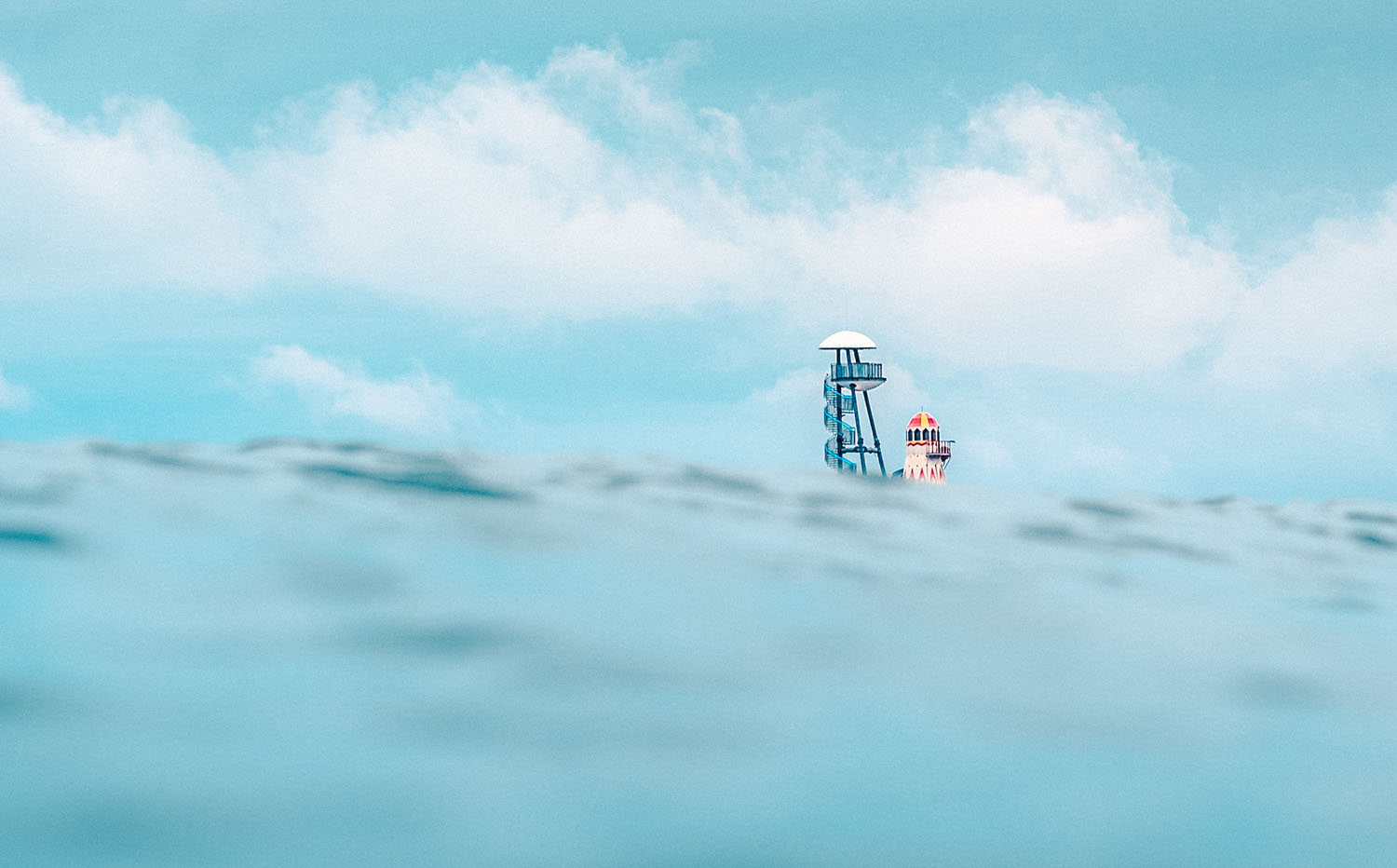
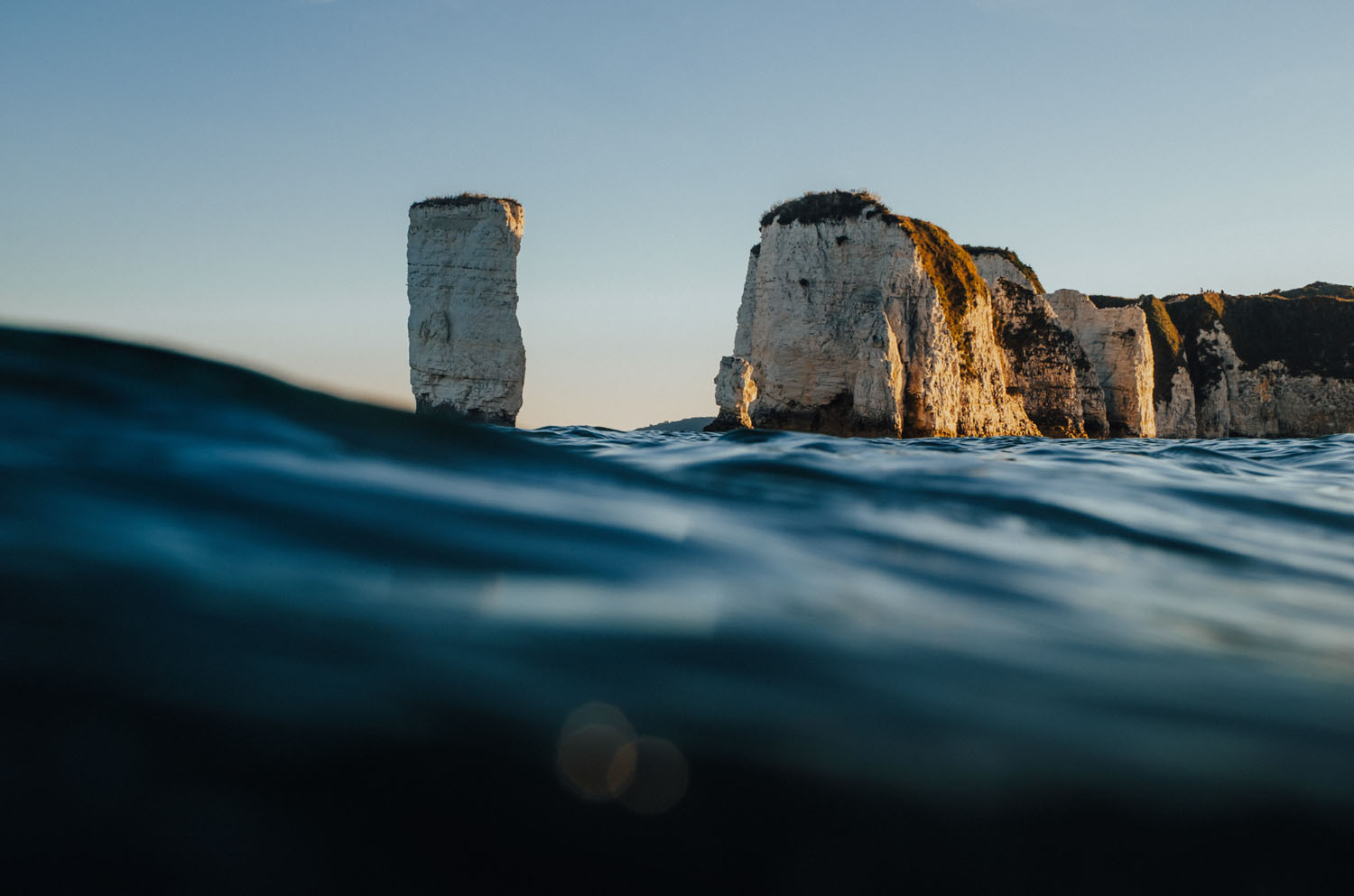
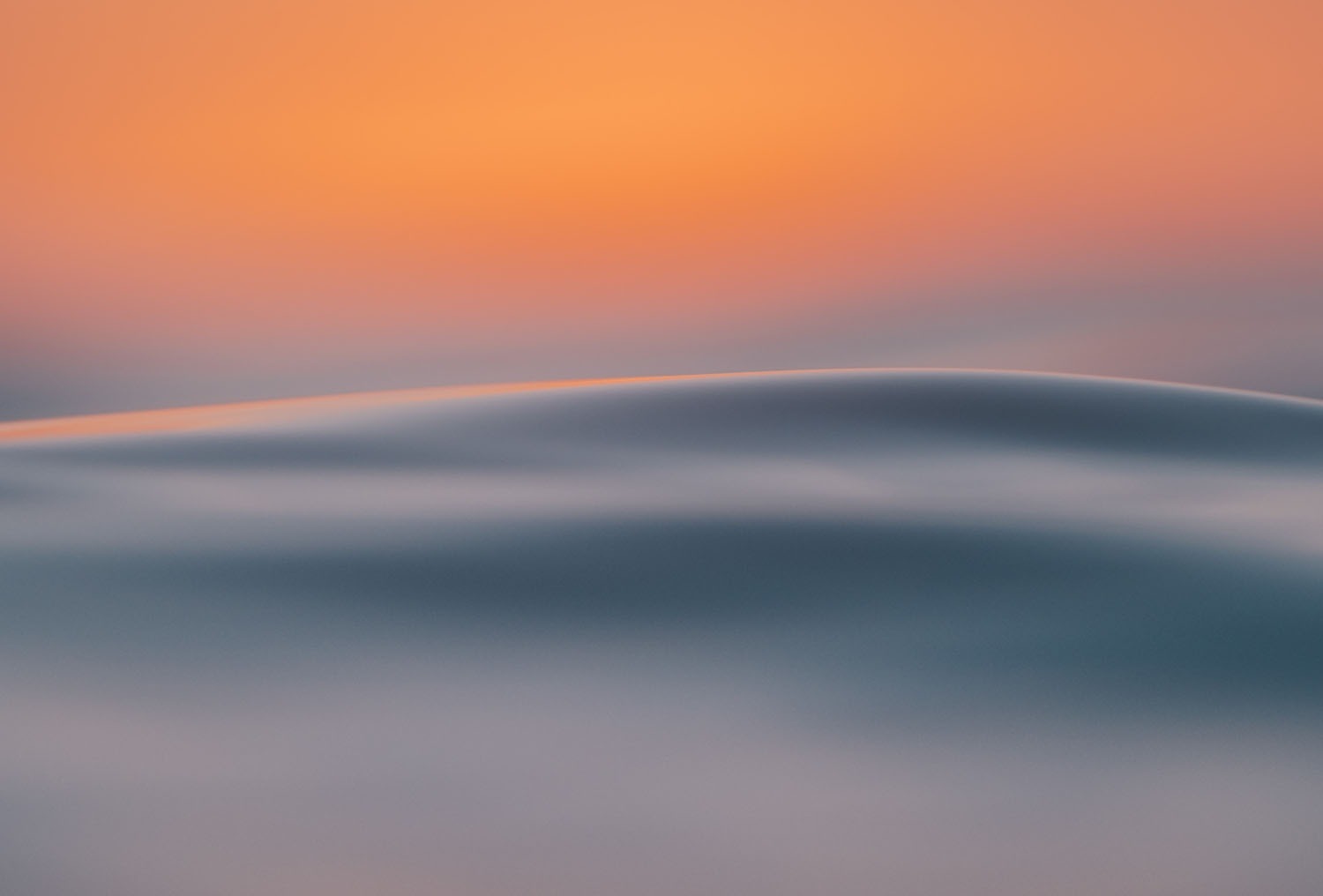
RIGHT: Fuji X-T5 . Fuji XF60mmF2.4 Macro . F/5.6 . 1/250″ . ISO 160
That doesn’t necessarily mean creating something dramatic. In fact, some of the photographs I am most drawn to are often the quietest. A subtle change in colour, a fragment of a wave, lines and textures across the surface of the water or an abstract moment that might not immediately reveal itself as the sea.
Perhaps that is because those photographs remind me of the experience that created them. The feeling of being at the coast before sunrise, waiting for the light to change, watching wave after wave arrive, or simply standing still and allowing myself to be absorbed by what is happening around me.
The photograph is the end result, but the experience comes first.
There are photographs of the sea everywhere. There always have been, and I don’t think my goal is to make another photograph that simply proves the ocean is beautiful.
I’m much more interested in discovering how I see it.
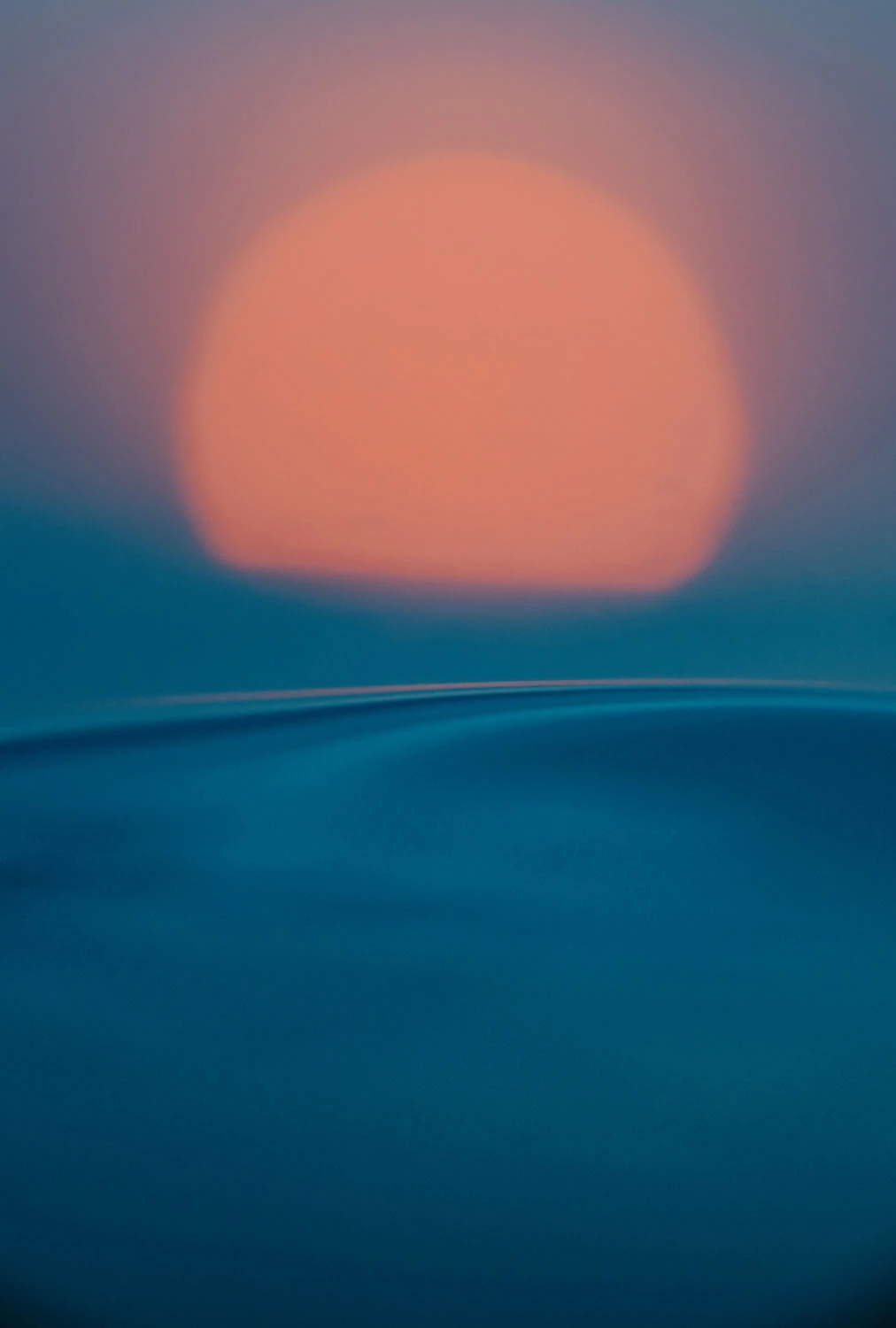
That has taken time. It has meant moving beyond looking for the ‘perfect’ seascape and becoming much more curious about what else is there. It has meant allowing myself to photograph the things that catch my attention, even when they don’t necessarily fit a traditional idea of landscape photography. Sometimes that means looking closely at a tiny section of water; sometimes it means changing my perspective completely and getting into the sea.
More than anything, it has meant learning to trust my own response to a place.
Photography is often talked about in terms of settings, lenses and technique, and of course those things matter. But for me, the most important part happens before any of that. It starts with looking, with giving myself enough time to notice something and being open to where that might lead.
The more time I spend photographing the ocean, the more I realise that I’m not trying to capture something that will last forever. I’m trying to notice something that might only exist for a second.
The light will change, the wave will disappear, and the pattern on the surface will be gone almost as quickly as it appeared. But perhaps that is exactly what makes those moments worth photographing.
The ocean has taught me that there is always something else to notice if I’m willing to slow down enough to see it. Photography gives me a reason to stay, to keep watching and to keep looking for those fleeting moments.
And in a world where we are constantly encouraged to move on to the next thing, I think that is one of the greatest gifts photography has given me: the opportunity to stop for a while, be completely present in a place and simply see what is in front of me.
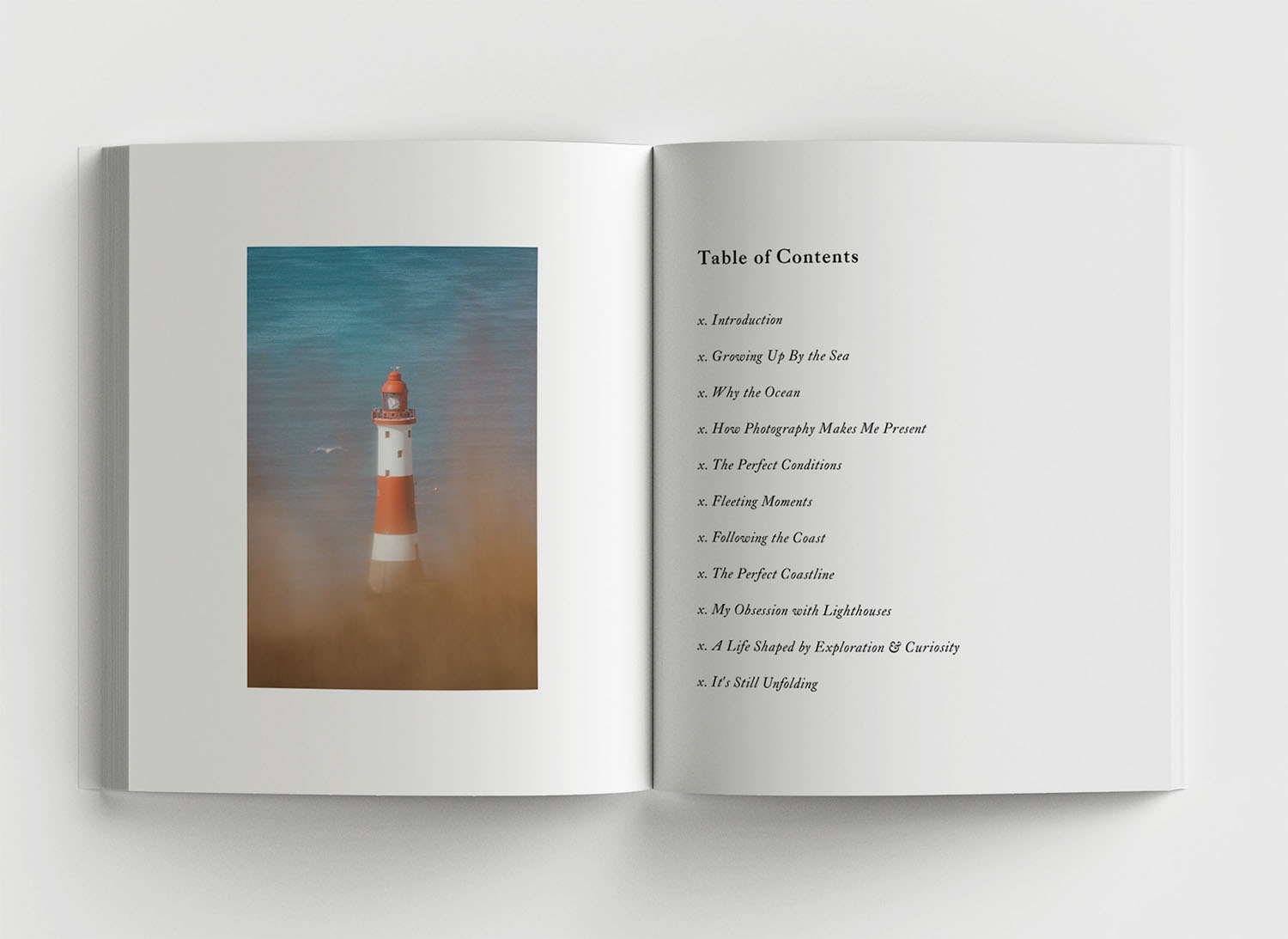
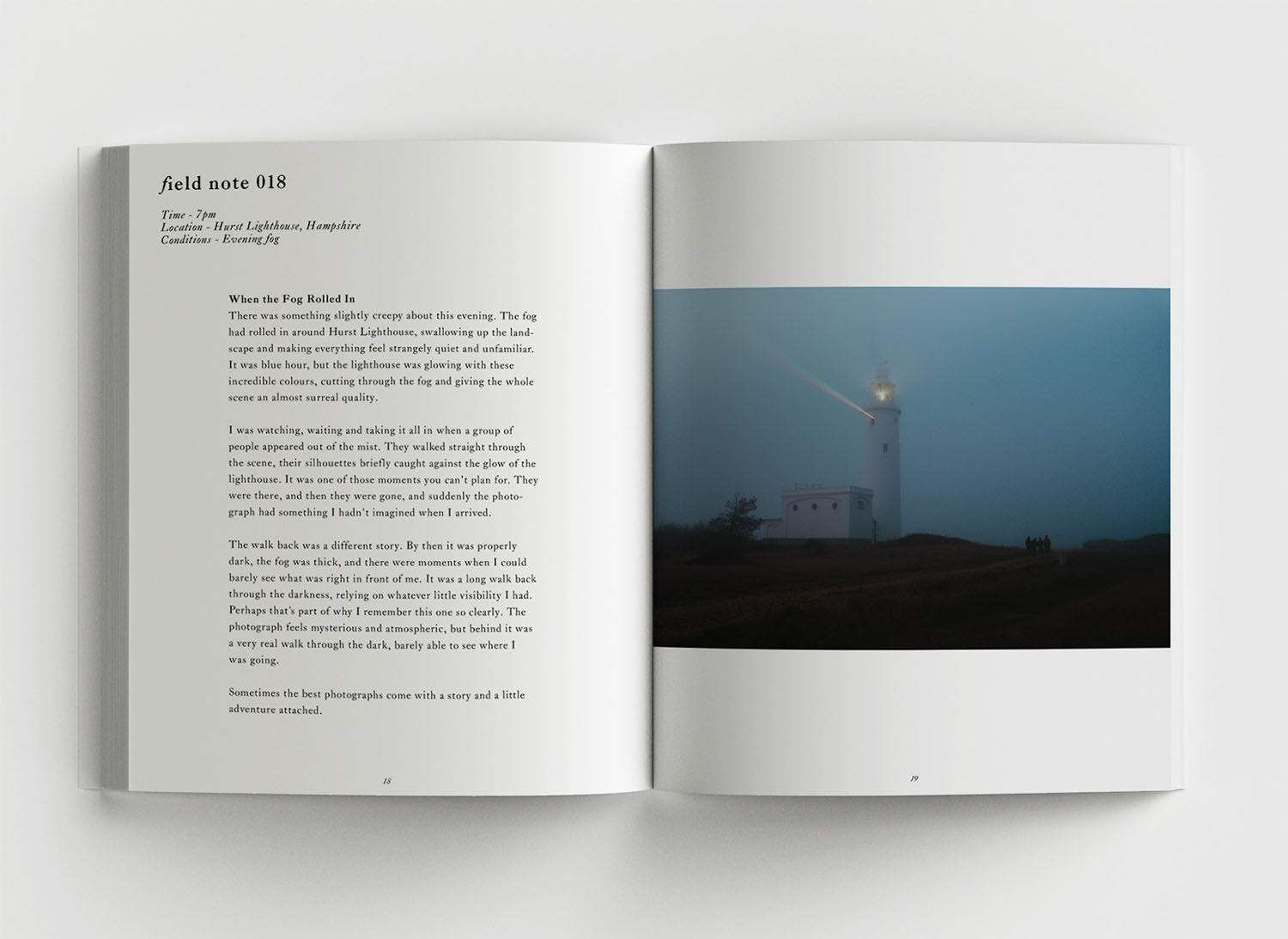
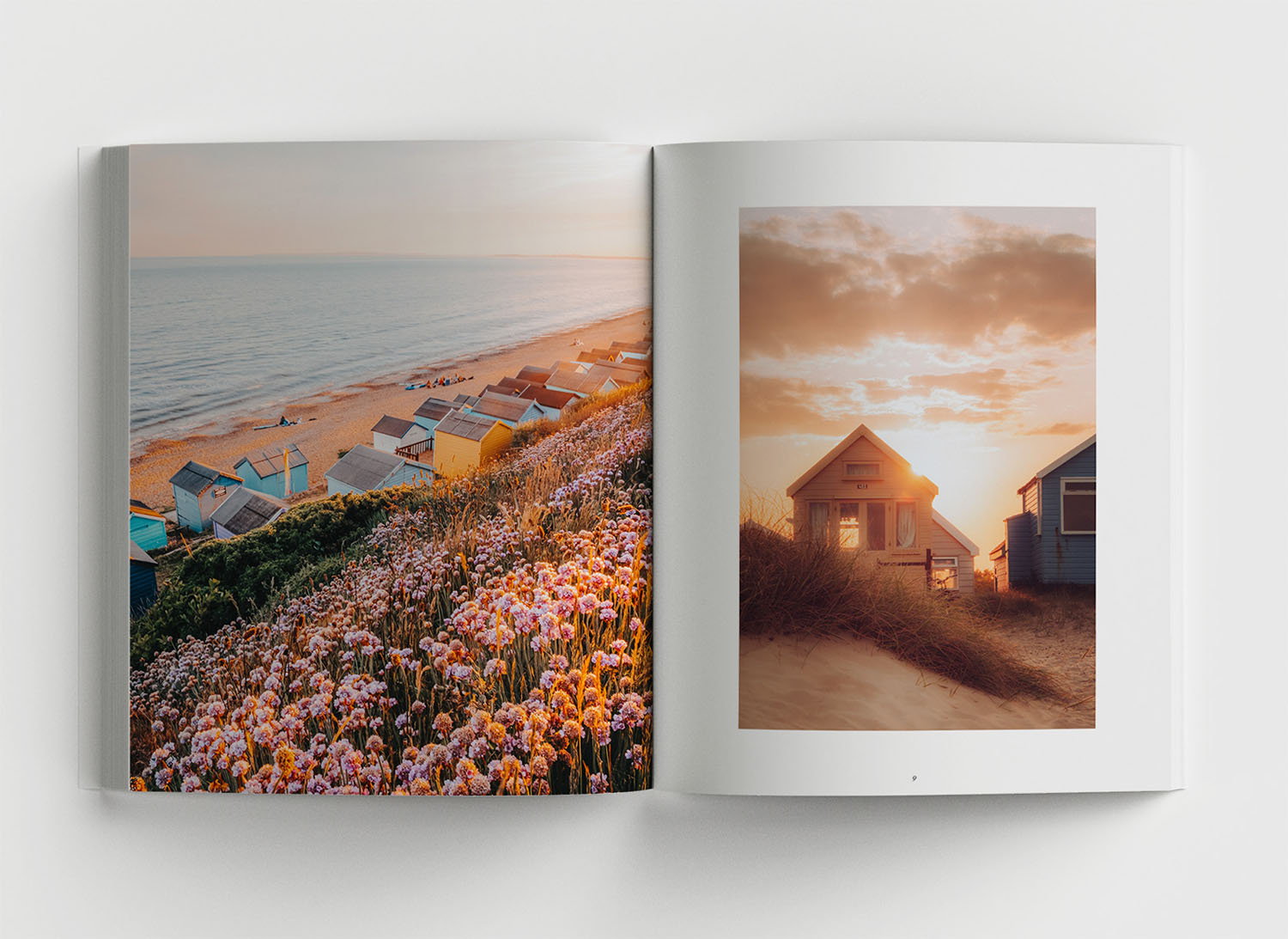
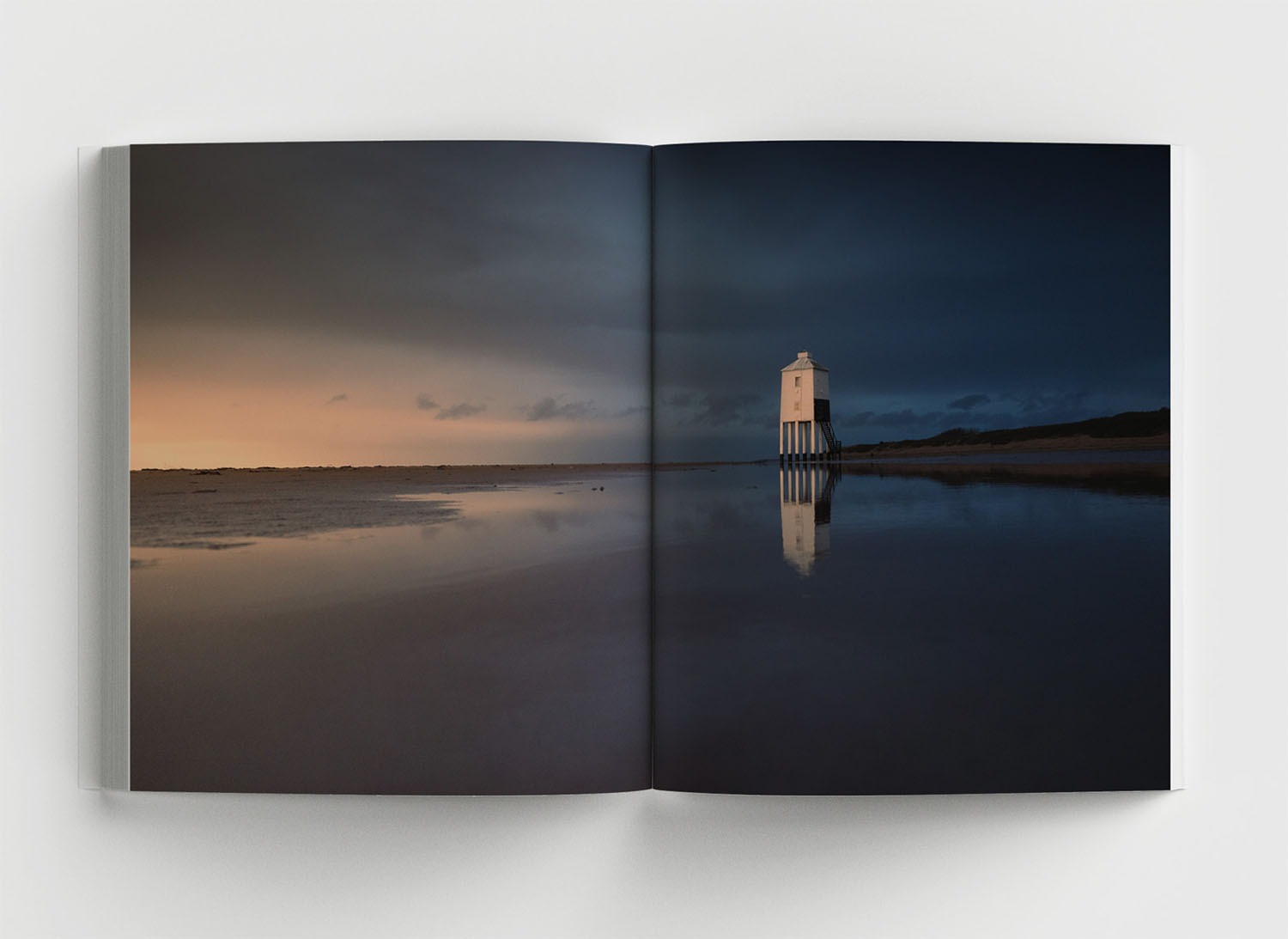
The words and images above are part of Quiet Coastlines, Emily Endean’s new photography book. A beautifully printed work on high-quality paper that captures a deeply personal photographic journey along the coastlines of England, Scotland and Wales. Secure your copy during the pre-order period.
Once you’ve placed your pre-order, click the button below and email Emily with your purchase confirmation. She’ll reply to you personally and, as a Fuji X Passion reader, you’ll receive a pack of presets she has created exclusively for our community.
Yes, it’s the very same preset pack she uses for the photographs you’ve seen above, completely free for everyone who has supported this book!
Don’t miss this opportunity. Pre-order this limited edition now and help make this book a reality!
Maurício & Hugo
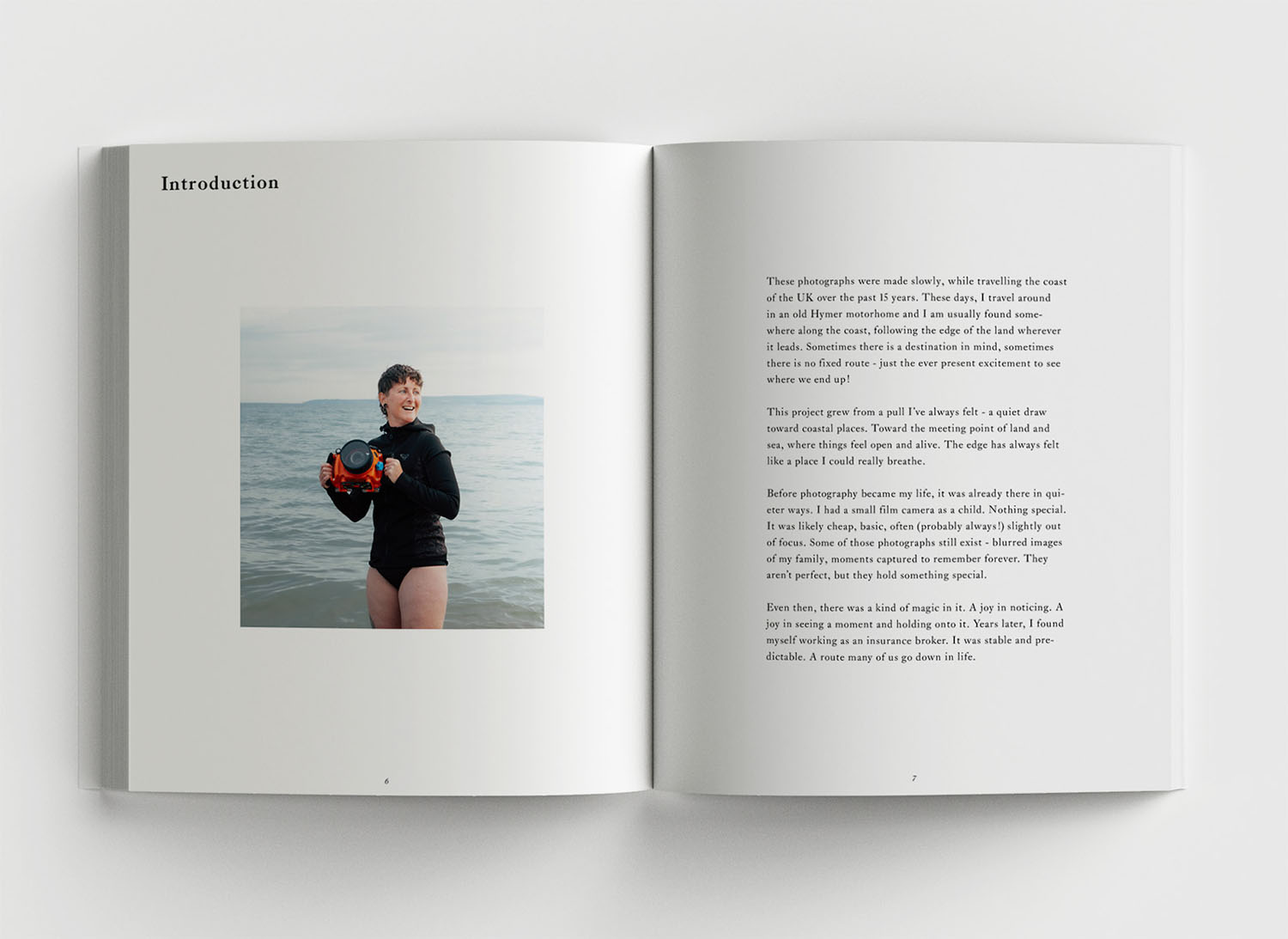
Emily is an outdoor freelance photographer from the UK, capturing soulful imagery through her work and personal projects. Emily is addicted to chasing great light, seeking the beauty in the ordinary and just generally being out in nature. Emily uses her transferable skillset across multiple genres, conveying stories, evoking emotions, and preserving moments in time, using her creativity to produce captivating and meaningful images.