Learning to see: Viktor Gazdag’s photographic journey
Introduce yourself and tell us how photography came into your life. Where did the journey begin?
I’m Viktor, originally from Hungary, and relocated to live and work in England for 9 years. I bought my first digital camera, a Fuji X-S20, in April as I went to Japan in May. I started watching how to take photos on YouTube videos about 1-2 months before buying the camera and bought a book as well (The Photographer’s Eye by Michael Freeman). I started taking practice pictures with my mobile phone and practiced seeing and looking for patterns.
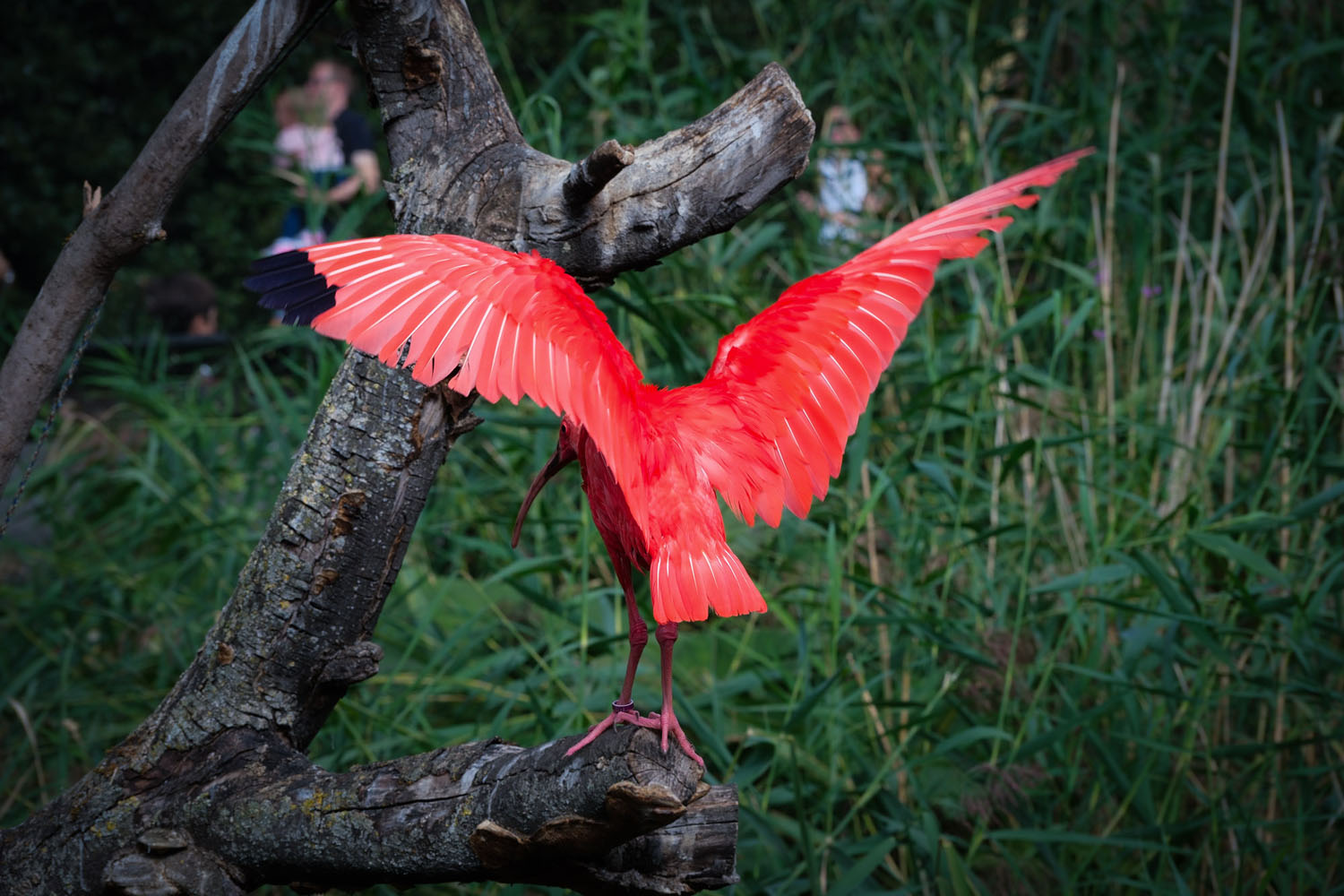
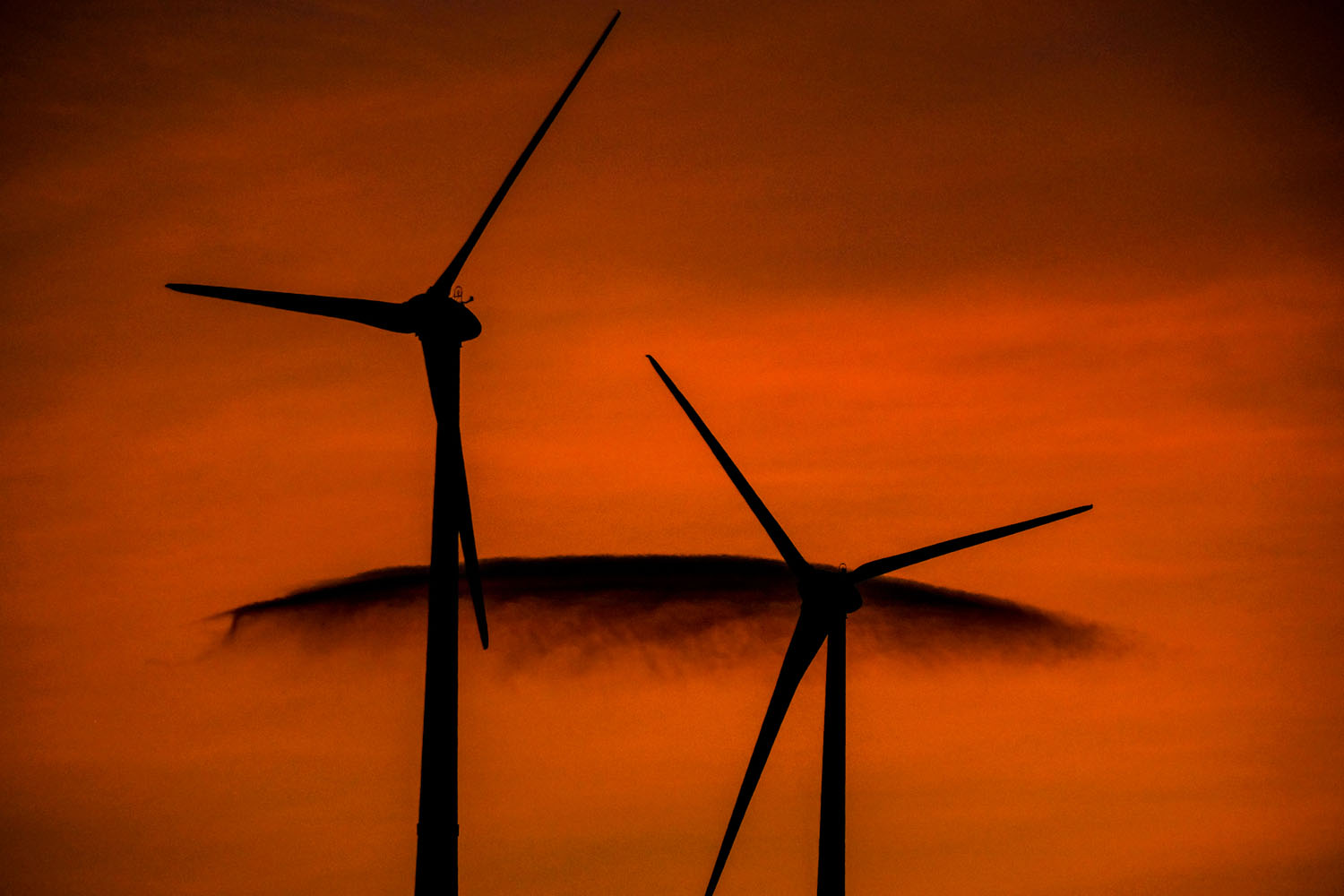
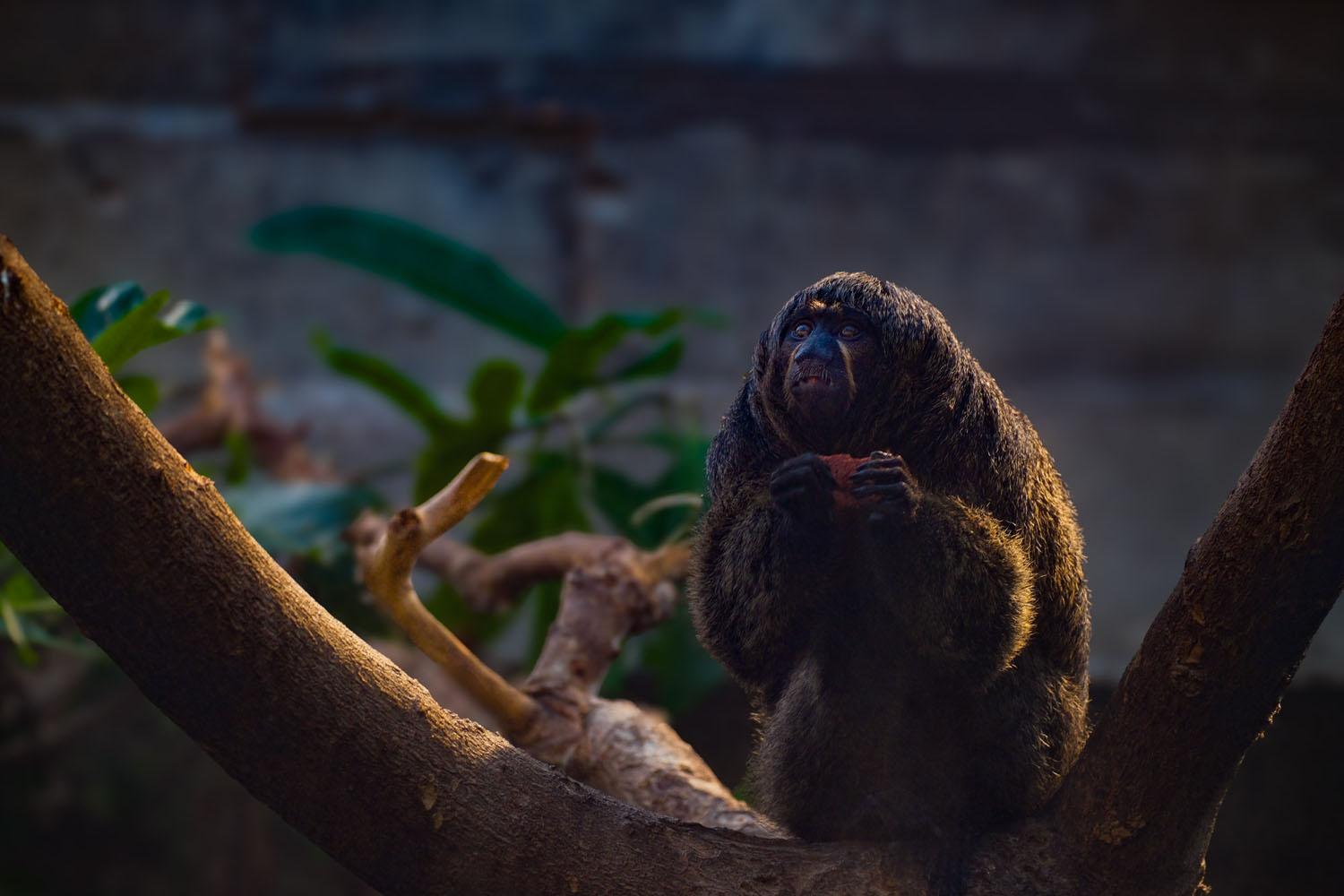
RIGHT: Fuji X-S20 . Fuji XF70-300mmF4-5.6 @300mm . F/5.6 . 1/60″ . ISO 400
How would you describe your photographic style today, and how has it changed?
I think it still changes and evolves. First, I only took colour pictures. Then I did black and white. I sometimes experimented with certain styles or topics, like high contrast black and white street or tip of the architectures/buildings and nowadays wildlife in Zoo. I have always liked looking for patterns and as much as technicality that I can do in a picture. This technicality also helps backing up my story that I can create for the picture.
Which photographers have shaped the way you see, and what exactly did you take from them?
The Photographer’s Eye by Michael Freeman is a big influence, and I use everything from his book. I watch some people from YouTube (Allan Schaller, Curtis Padley, Simon d’Entremont, Roman Fox, Optical Wander, Petapixel, Jason Vong, The Global Photography Community, That Icelandic Guy, Mike Chudley, Black and White Profusion, etc.), but I don’t think they influence me too much, it’s just that I like them talking about how they take pictures or what pictures they took and analyse them as well sometimes.
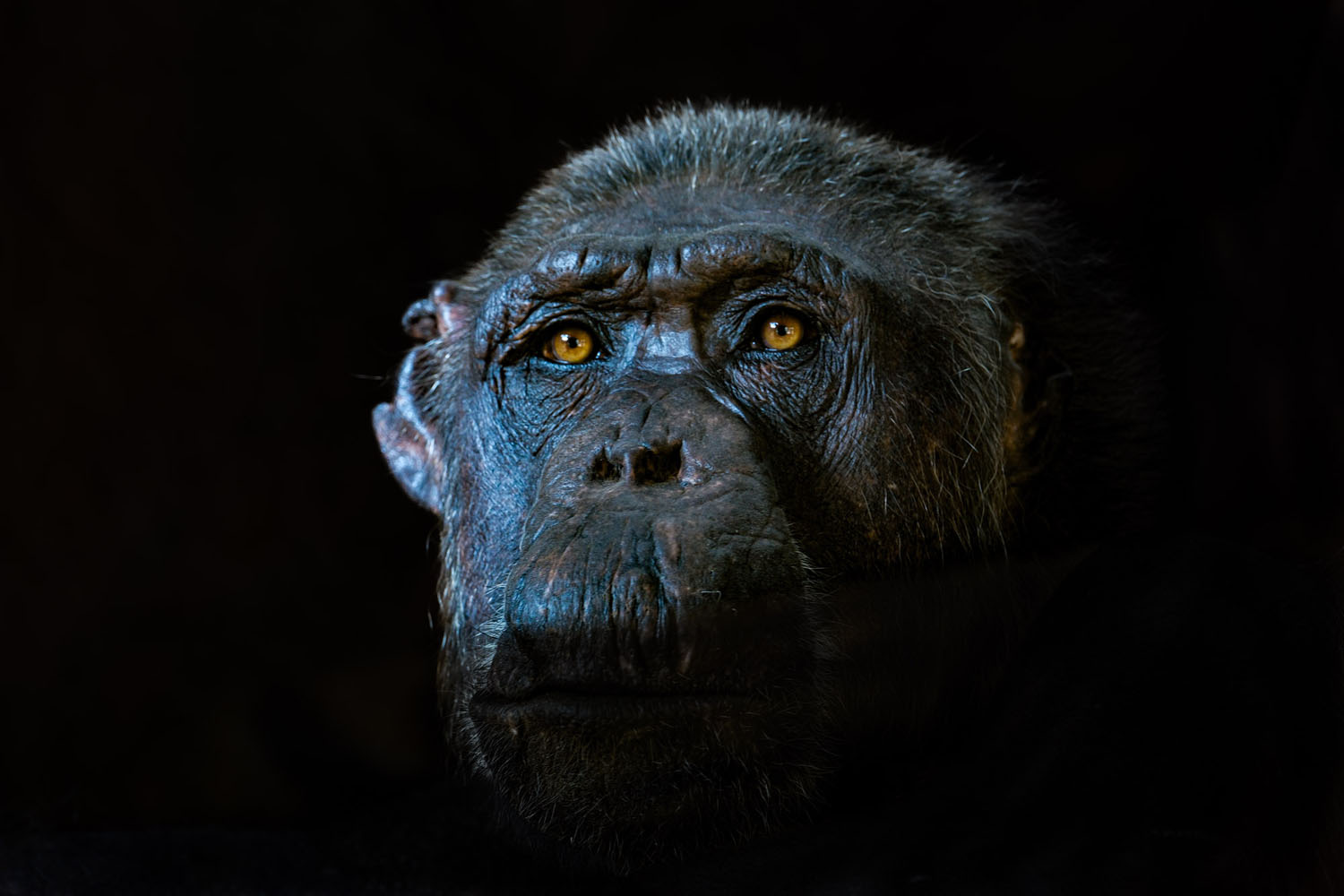
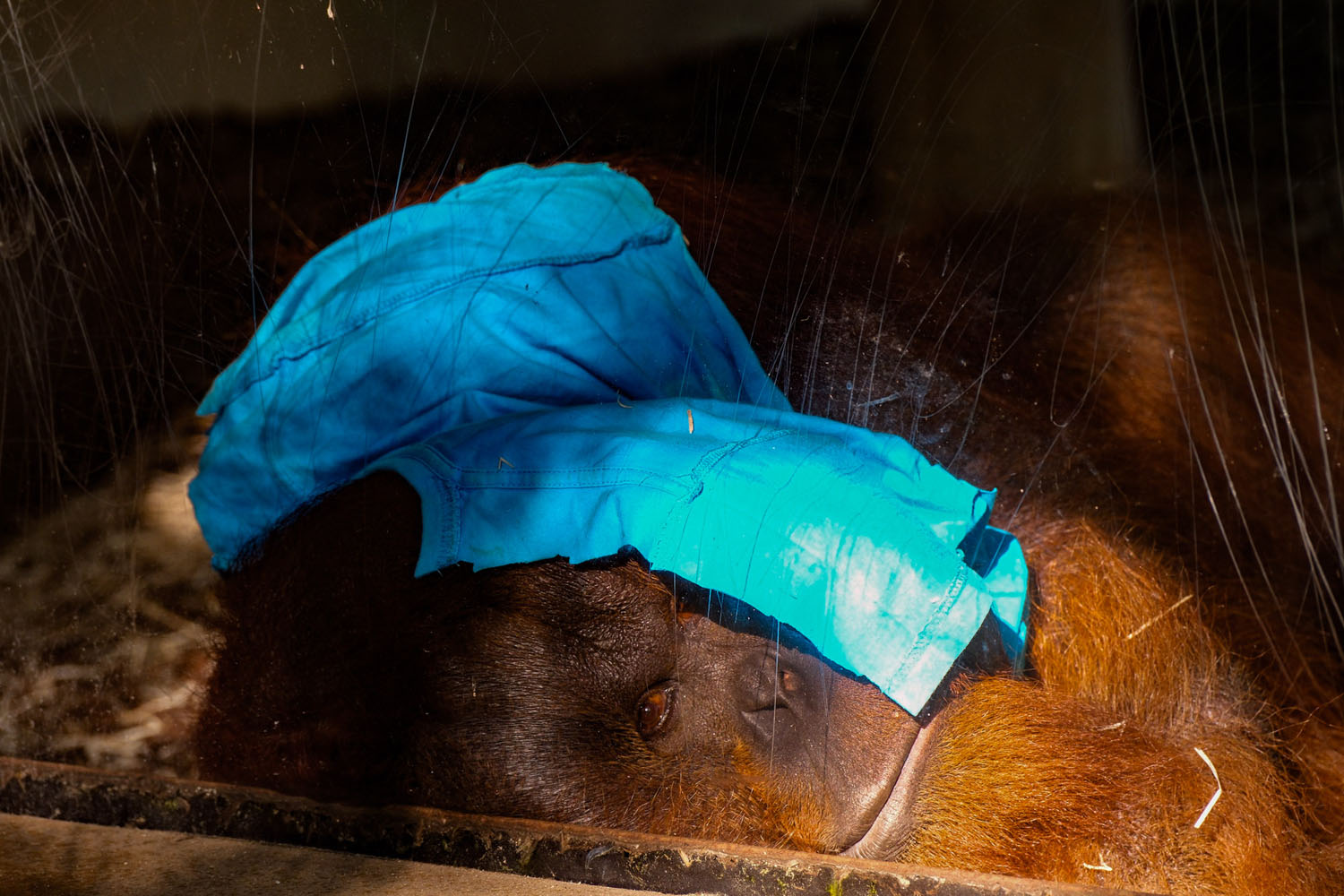
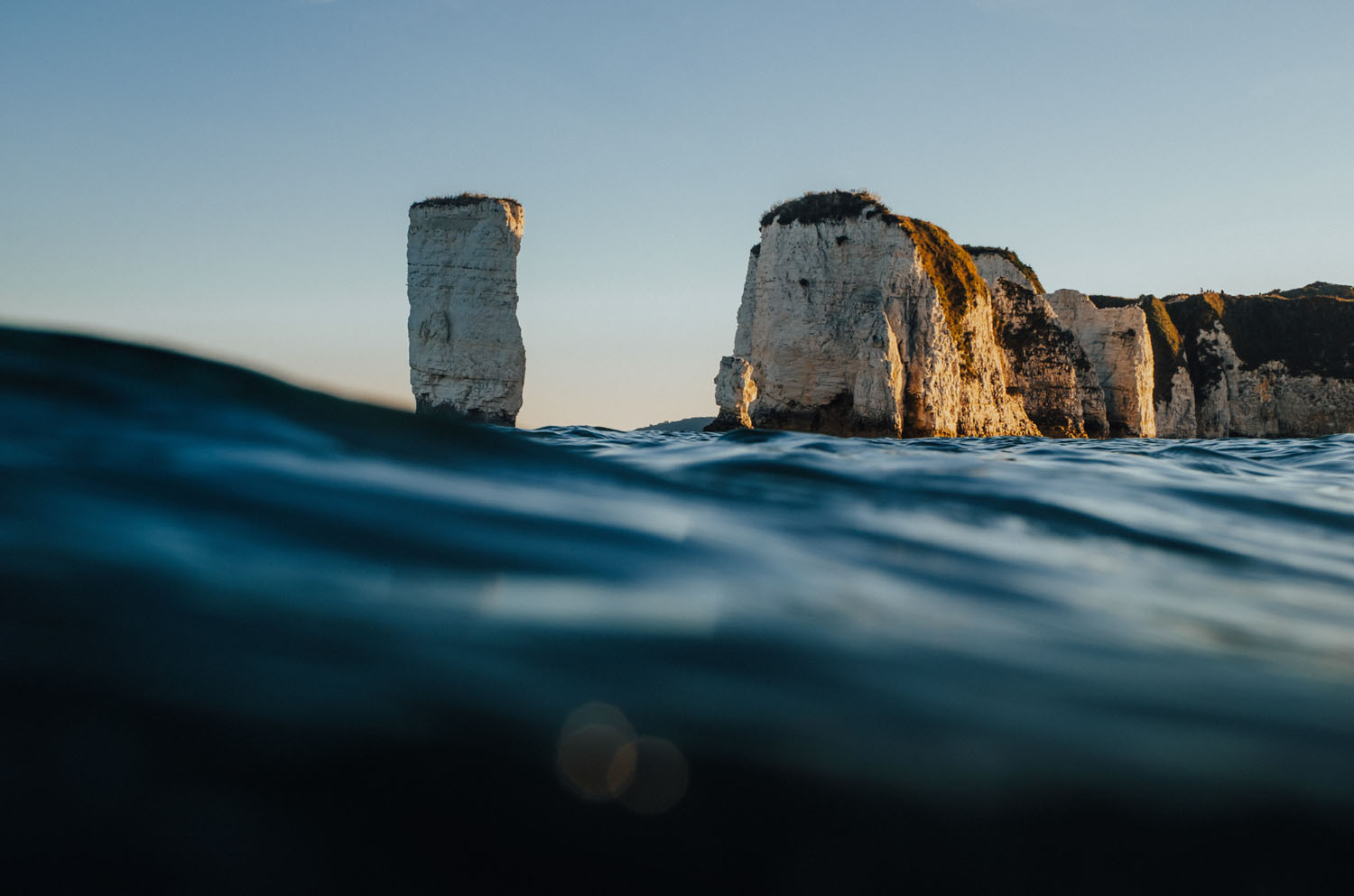
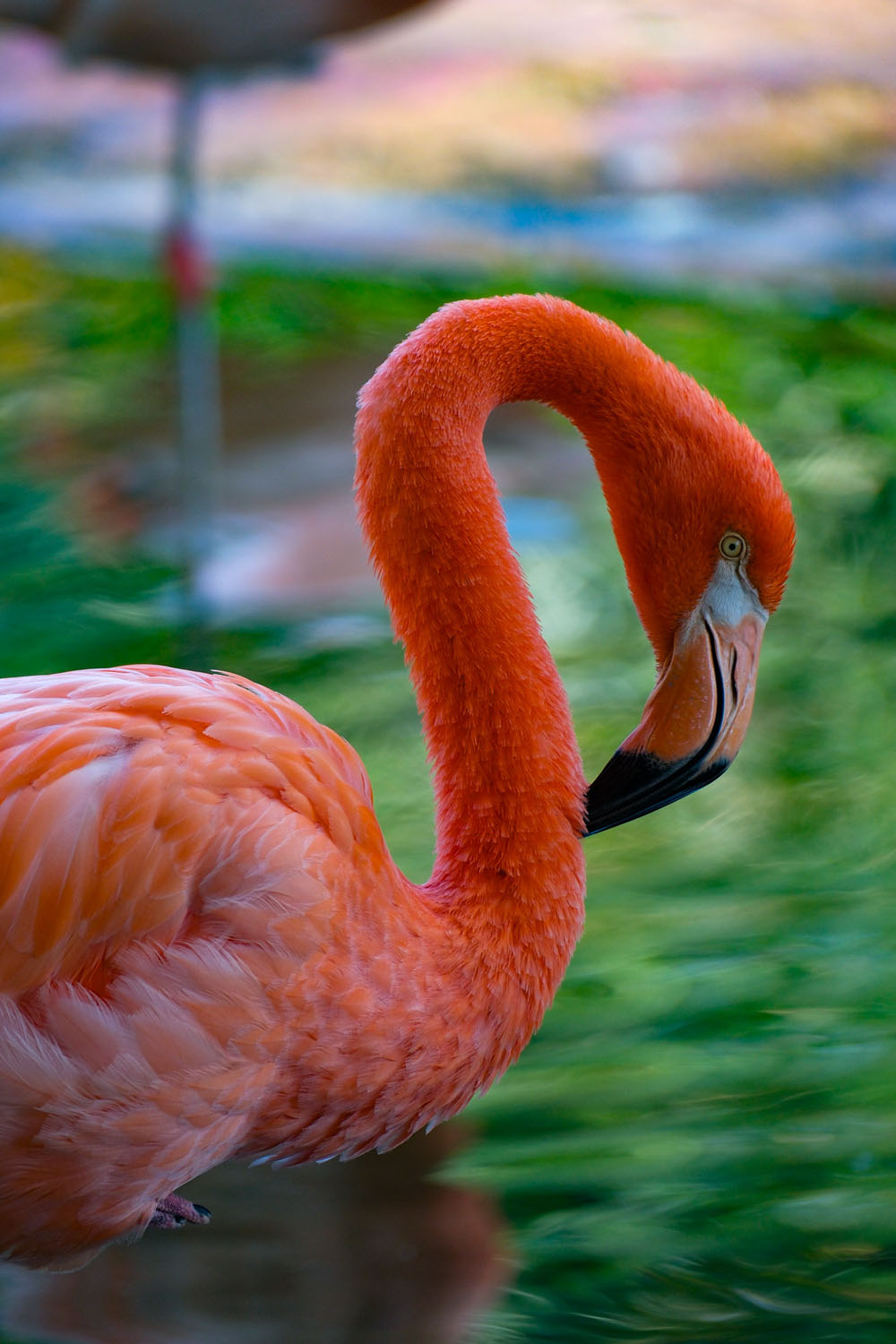
RIGHT: Fuji X-S20 . Fuji XF70-300mmF4-5.6 @191.60mm . F/5.6 . 1/40″ . ISO 800
If someone could see only one of your photographs, which would you choose to represent your work — and why that one?
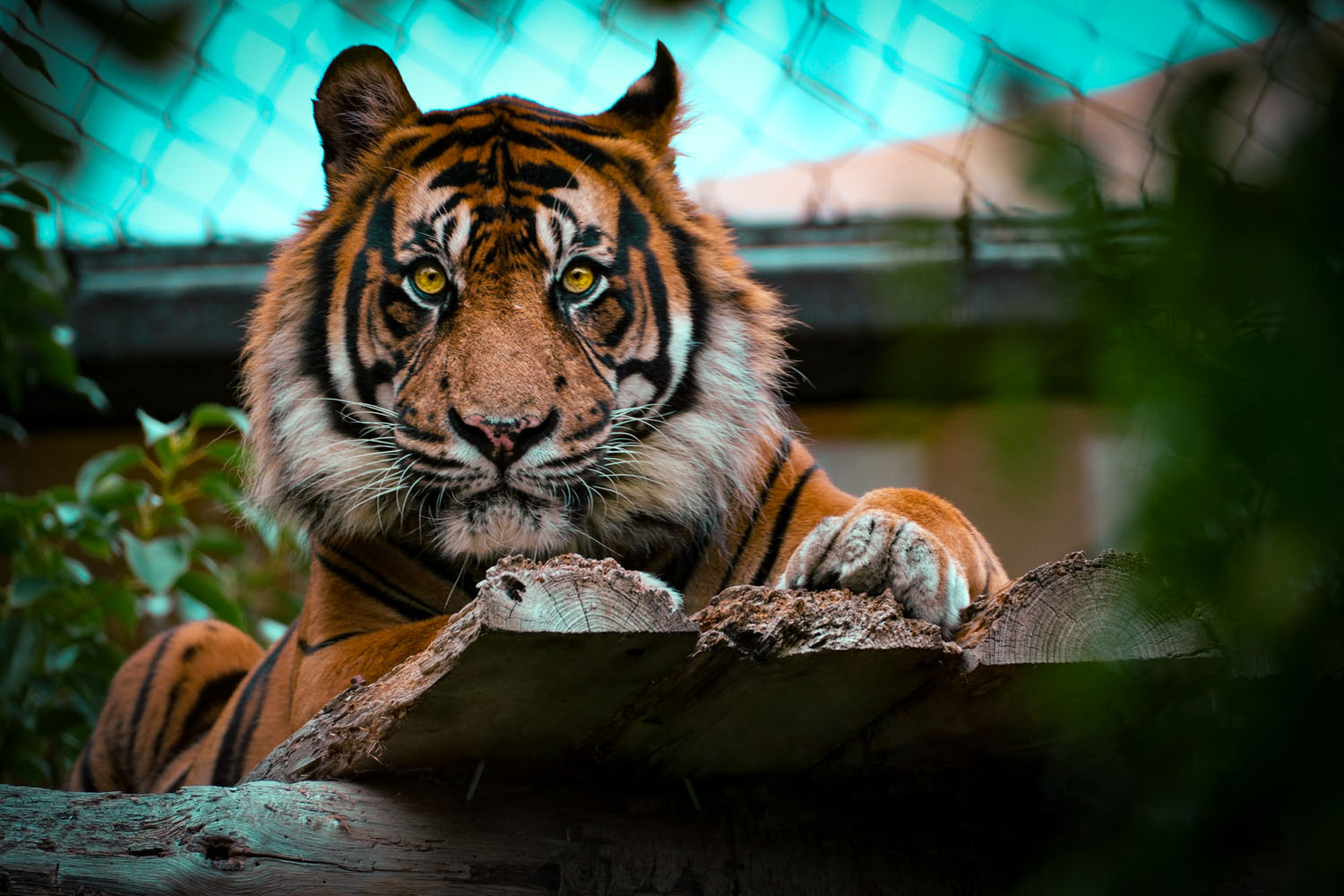
Either my tiger, who looked into my eyes and locked in to hunt me in the zoo, or the black-and-white woman with an umbrella and a tote bag.
Both have a long story that I can tell. The tiger one has the intensity and feeling. The woman with the tote bag has a deeper meaning.
Which area of photography best describes your work?
Wildlife & Nature Photography.
What first pulled you into wildlife and nature photography, and what keeps the fire going?
I always liked looking at pictures with cats, dogs and wildlife. You never know what they will do, and they are also beautiful creatures. In addition, you can see and feel their emotions as well.
How do you plan a shoot — what happens long before you reach the hide or the field?
I don’t really plan. I observe them and see what they are doing. I have only taken pictures in a zoo so far.
How much does understanding animal behaviour shape the images you come home with?
Absolutely. I first observe what they do and how can I use the environment to add technicality to it, then take pictures.
Where do you draw the line between getting the photograph you want and leaving the animal in peace?
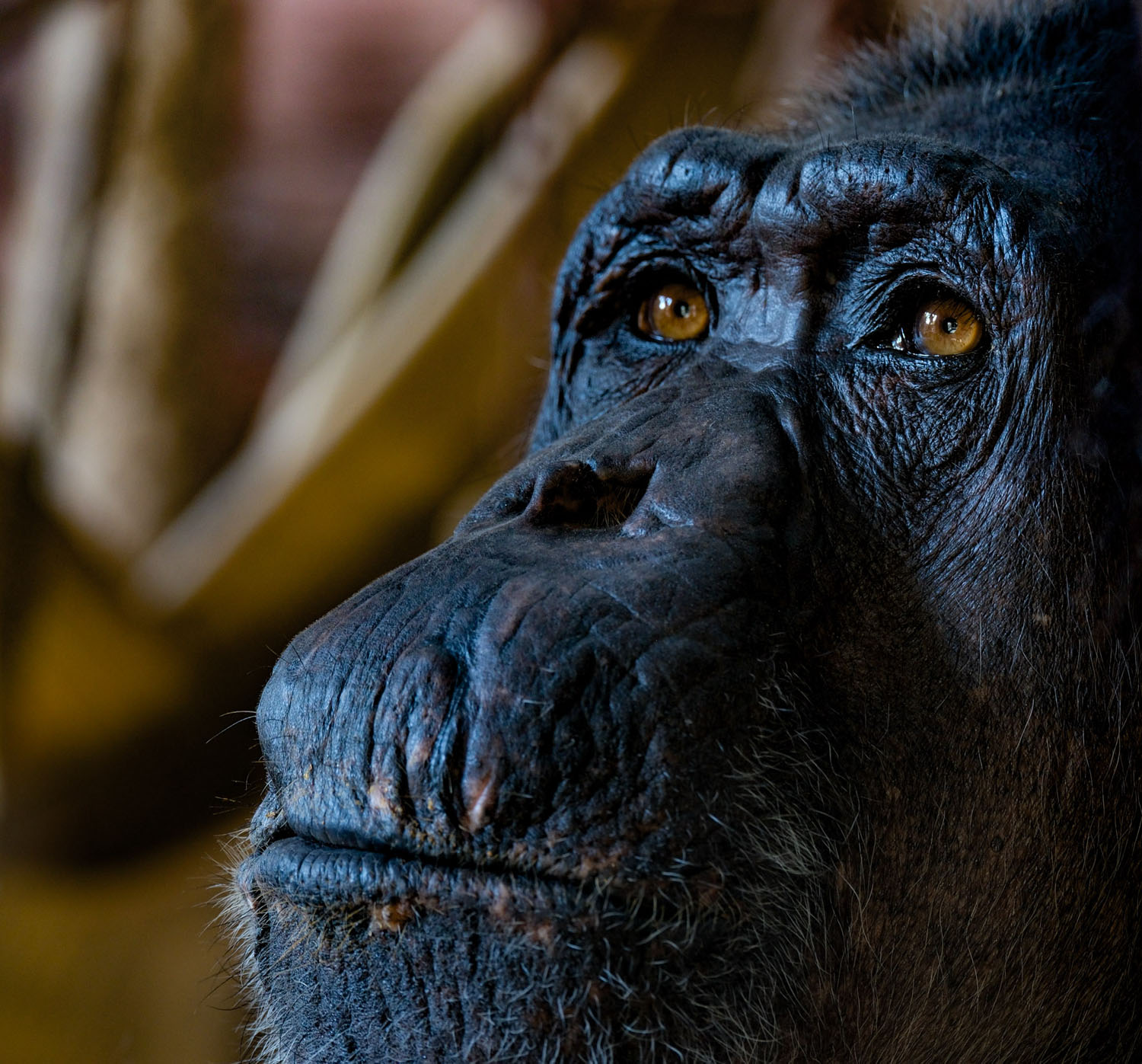
Recently, in Barcelona, I told a girl not to tap on the glass and not to yell at the chimpanzee. I told her not to disturb the animals. We are already fortunate and blessed to see them so close, and they are not pets either. Similar like street photography in the sense that not to stage anything and to respect their privacy and peace.
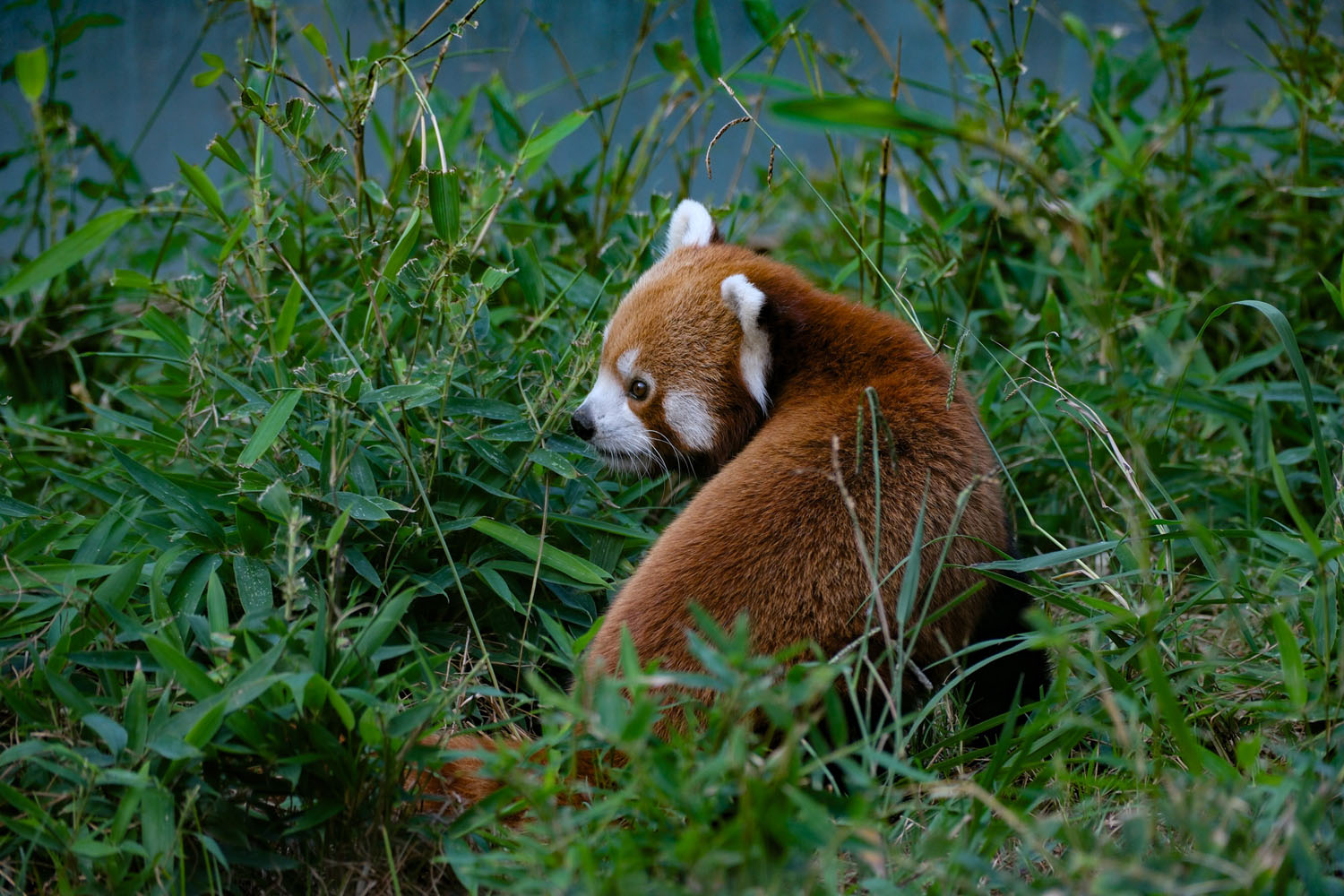
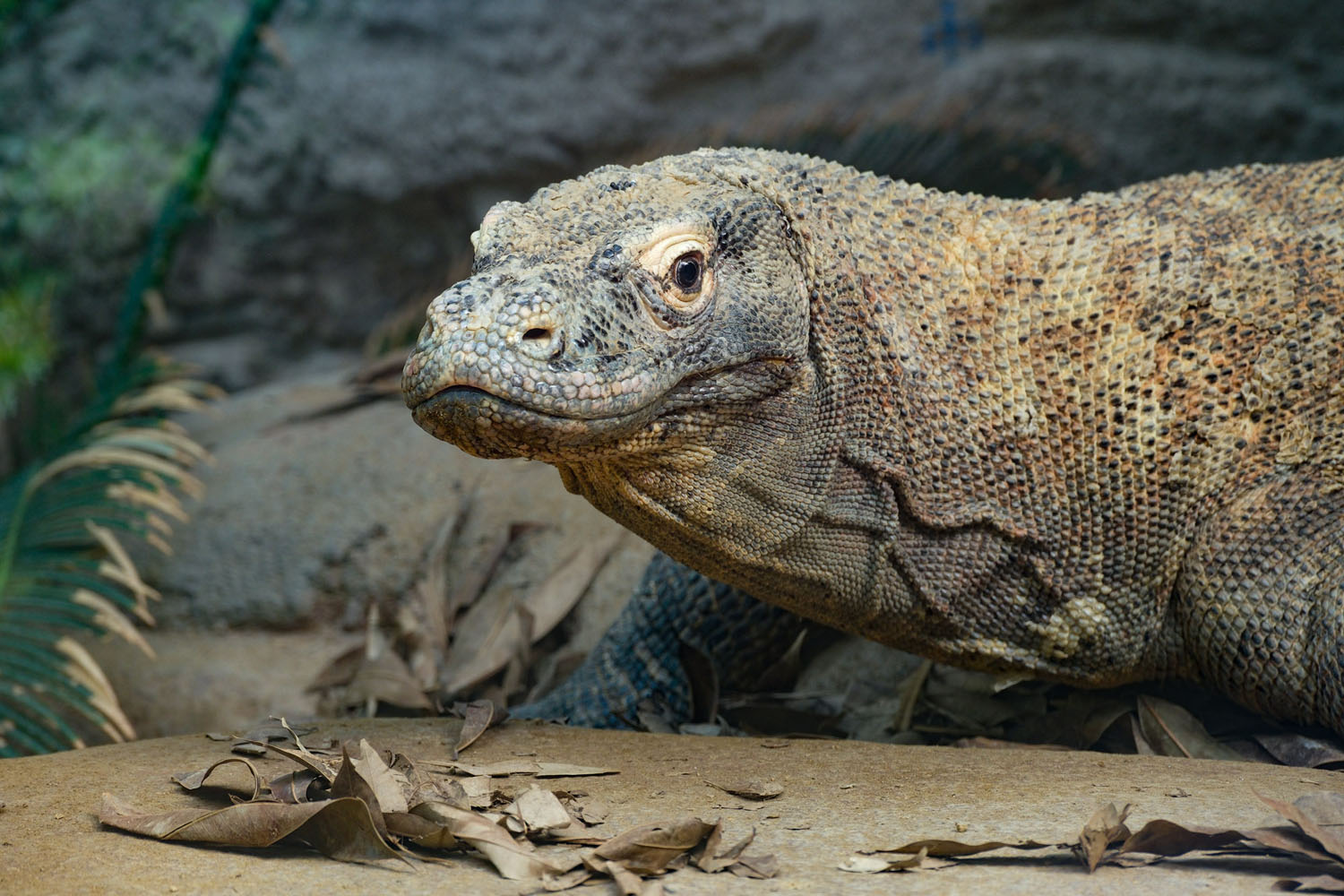
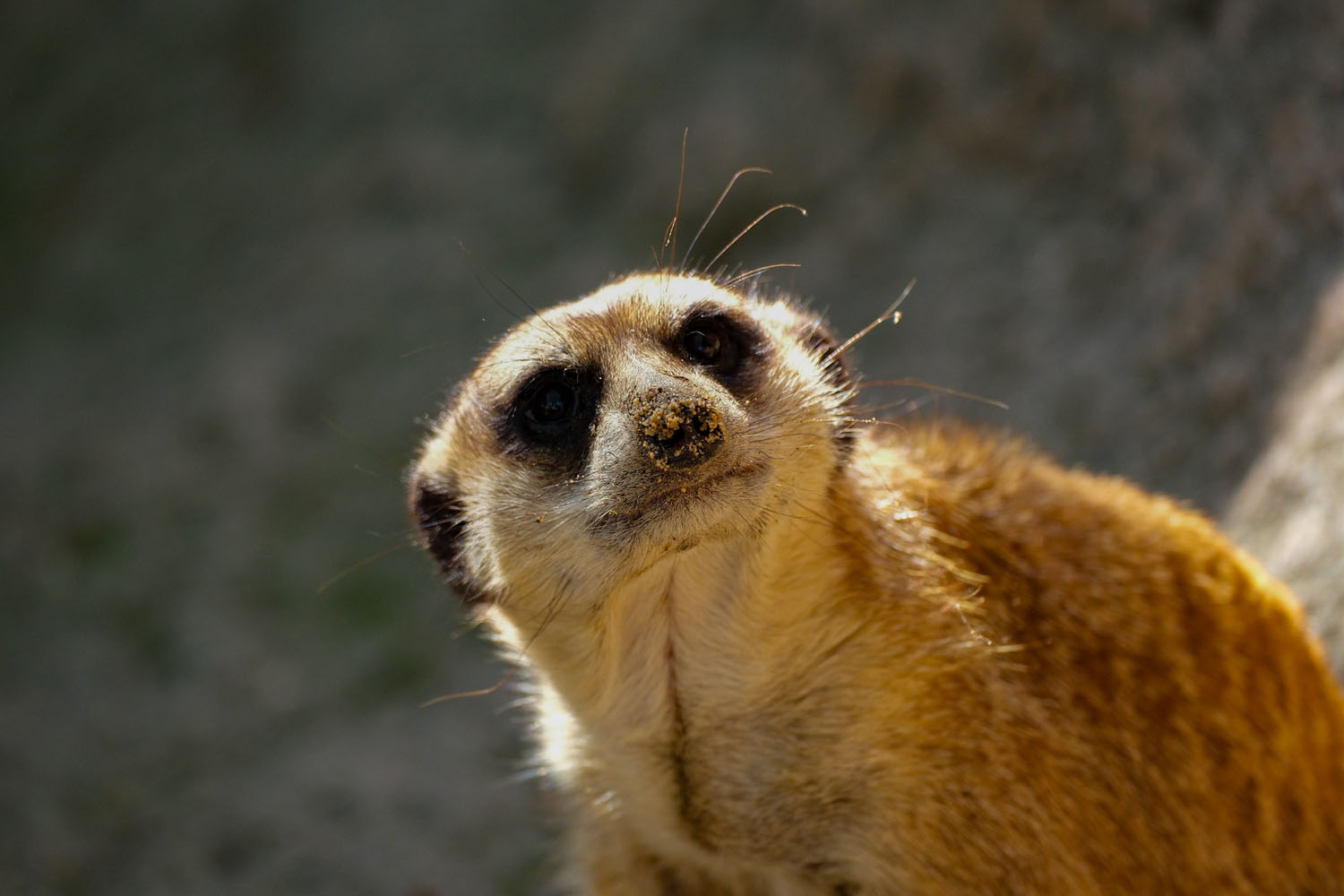
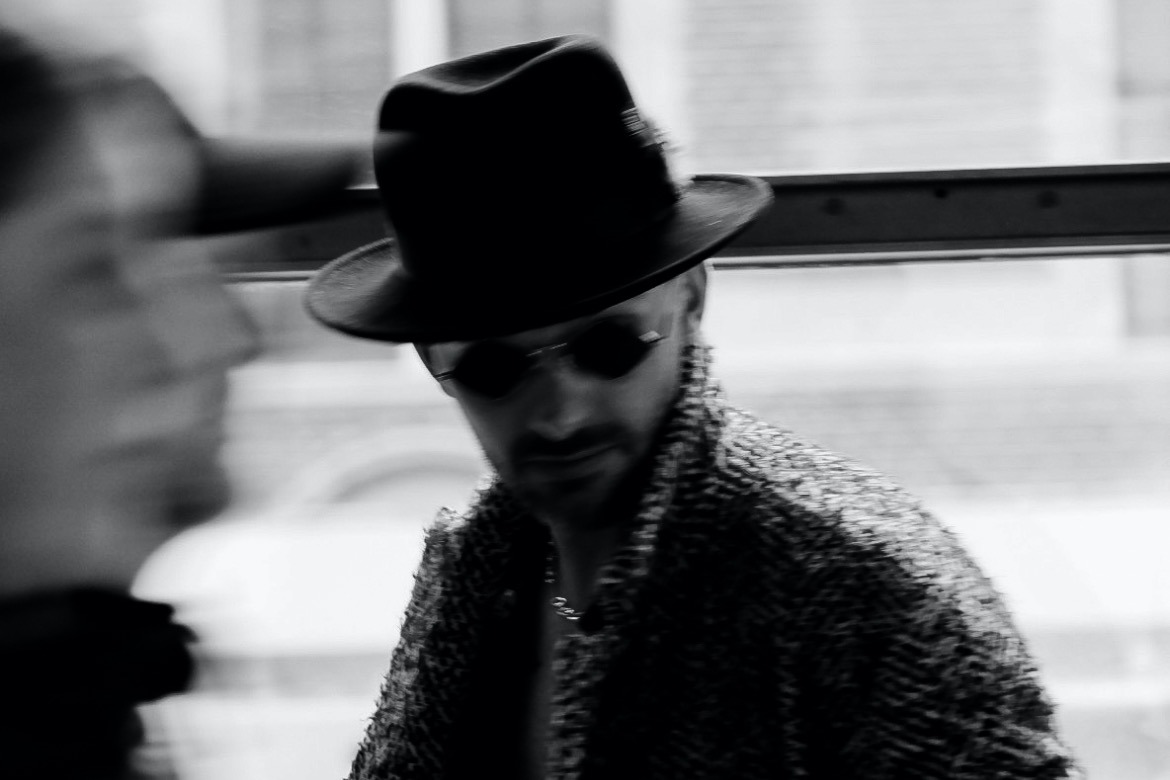
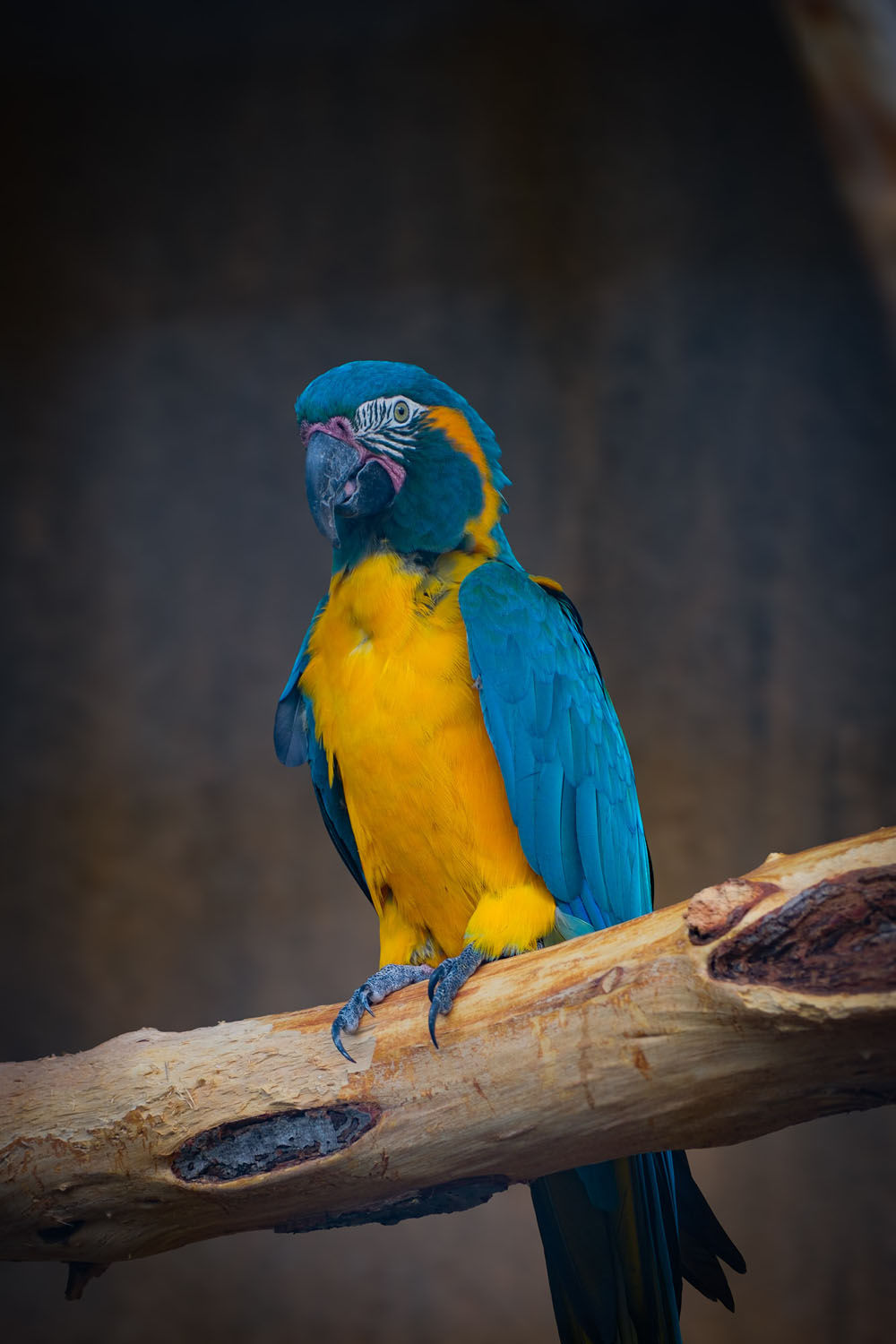
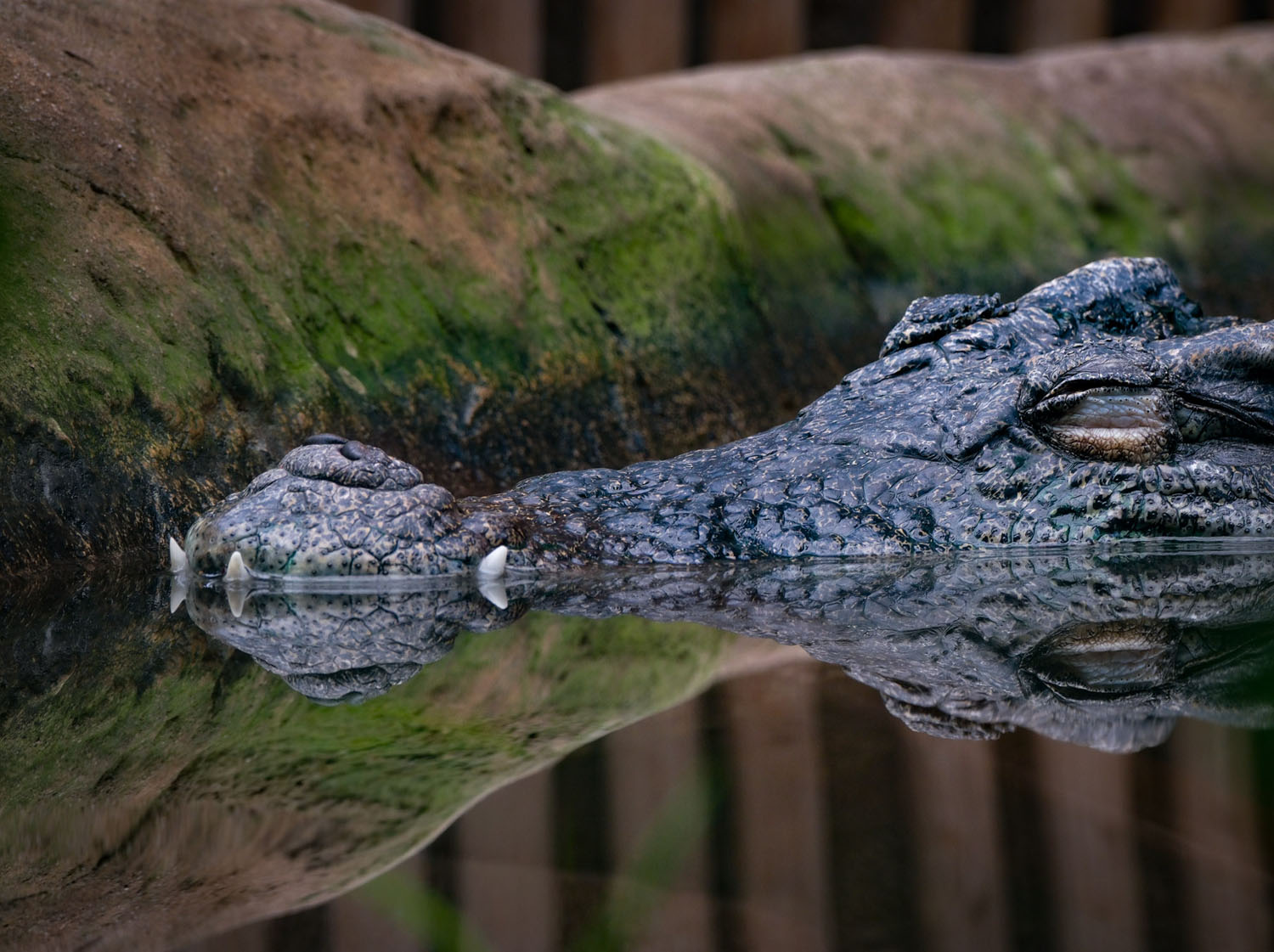
RIGHT: Fuji X-S20 . Fuji XF70-300mmF4-5.6 @300mm . F/5.6 . 1/350″ . ISO 800
What camera and lenses are at the heart of your kit right now, and what makes them right for the way you work?
I only own one camera currently, the Fuji X-S20. I have the kit lens XF 18-50mm F2.8-4.8, a prime lens, the Fuji XF 23mm F2.8, and a zoom lens, the Fuji 70-300mm f4-5.6. The zoom lens is the primary as the animals are far away.
What keeps you working with the Fuji X system, and what would you miss most if you switched away from it?
I chose Fuji because of the colour and price. I underestimated the garbage autofocus problem. Looking at other cameras, probably the buttons and layouts that I would miss.
Walk us through your editing workflow — which software do you use, and how much of the final image is made after the shutter closes?
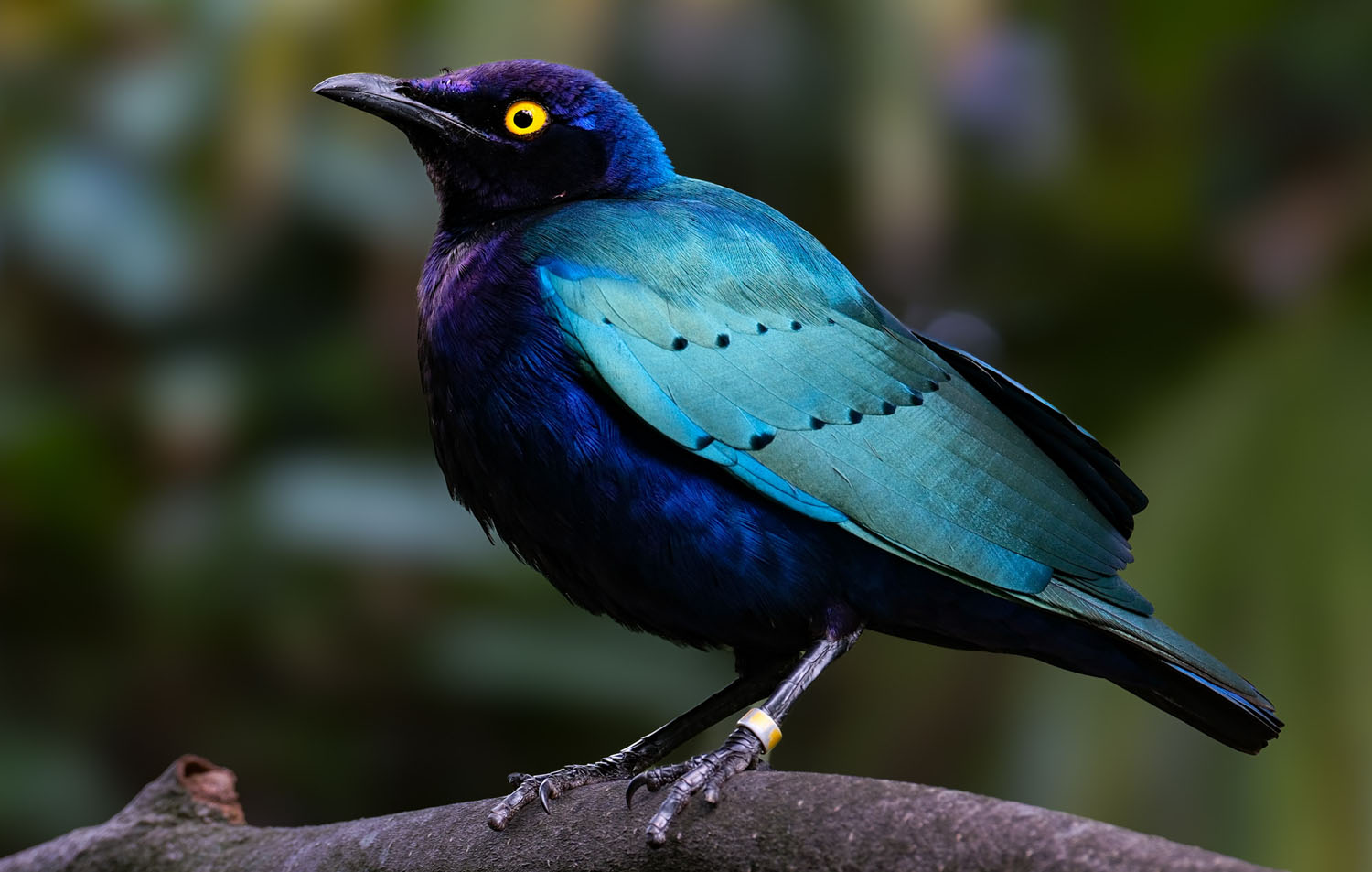
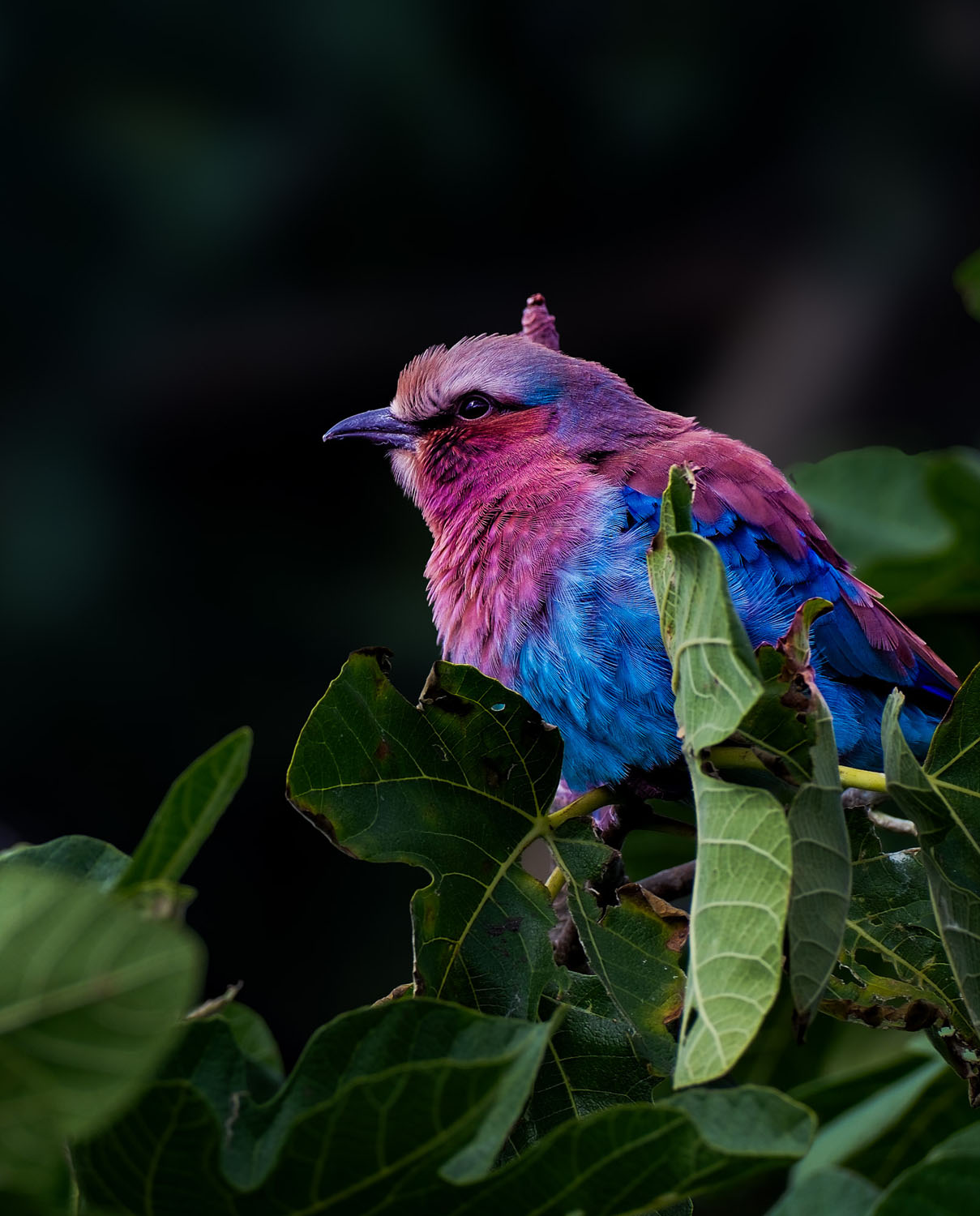
First, I select the pictures that are in focus. Then, after that, I select what I like or has good technicality. Then I use Adobe Lightroom. Check first whether I need to crop or make horizontal adjustments, then dehaze, exposure, highlights, etc.
What are you usually trying to achieve in post-processing — and what do you deliberately leave untouched?
I’m going for crispy, focused, clear pictures with a bit of contrast and saturation.
If you could leave a single piece of photographic wisdom for someone picking up a camera today, what would it be?
Read The Photographer’s Eye by Michael Freeman.
Looking back, what is the most valuable lesson photography has taught you?
We walk past by so many interesting and beautiful things. Be it as a pattern, colour, an arch on a building (there are like 15 types), a historical thing like a coal hole or stink pipe, etc. If you don’t slow down a bit and look for things, you miss most of it.
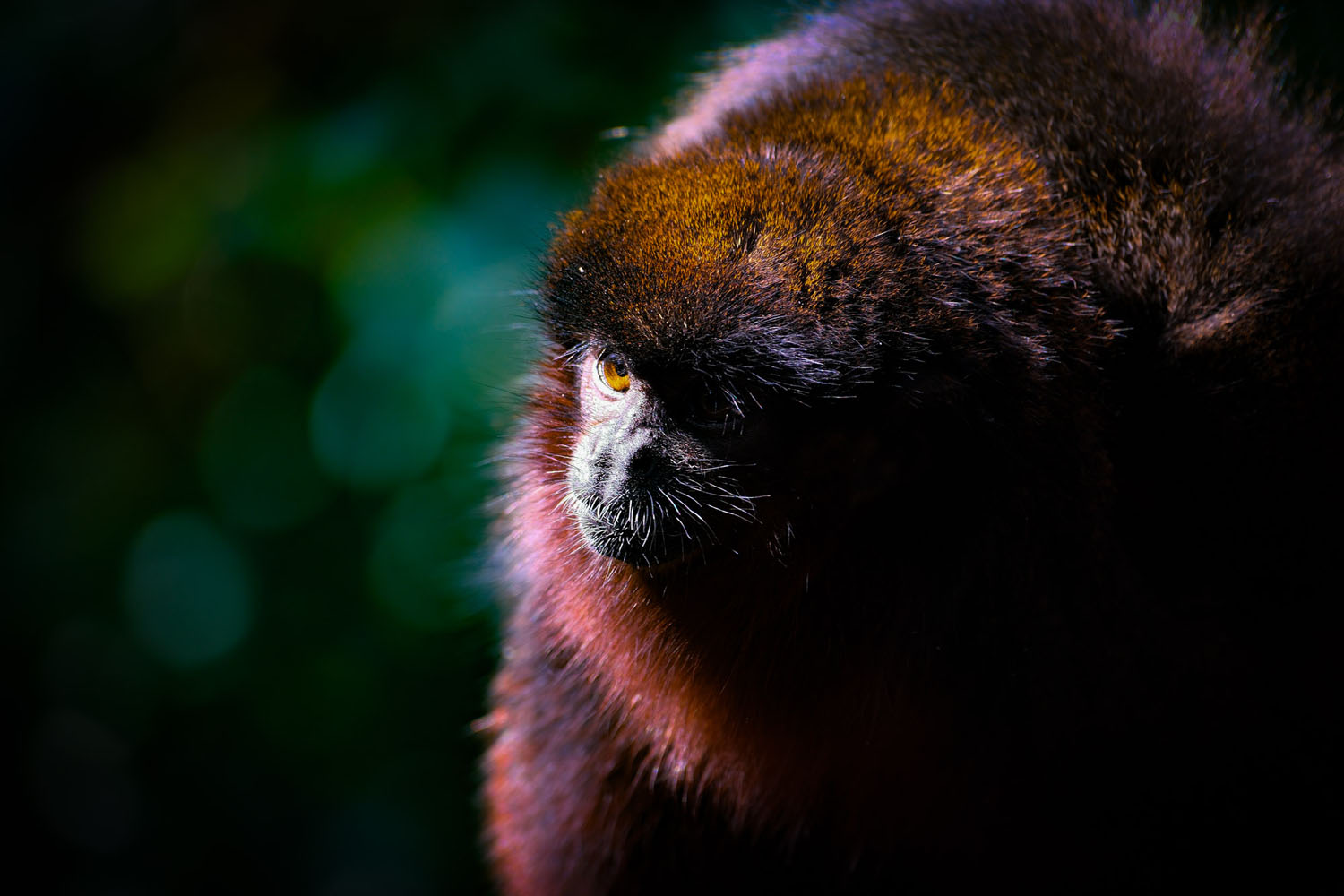
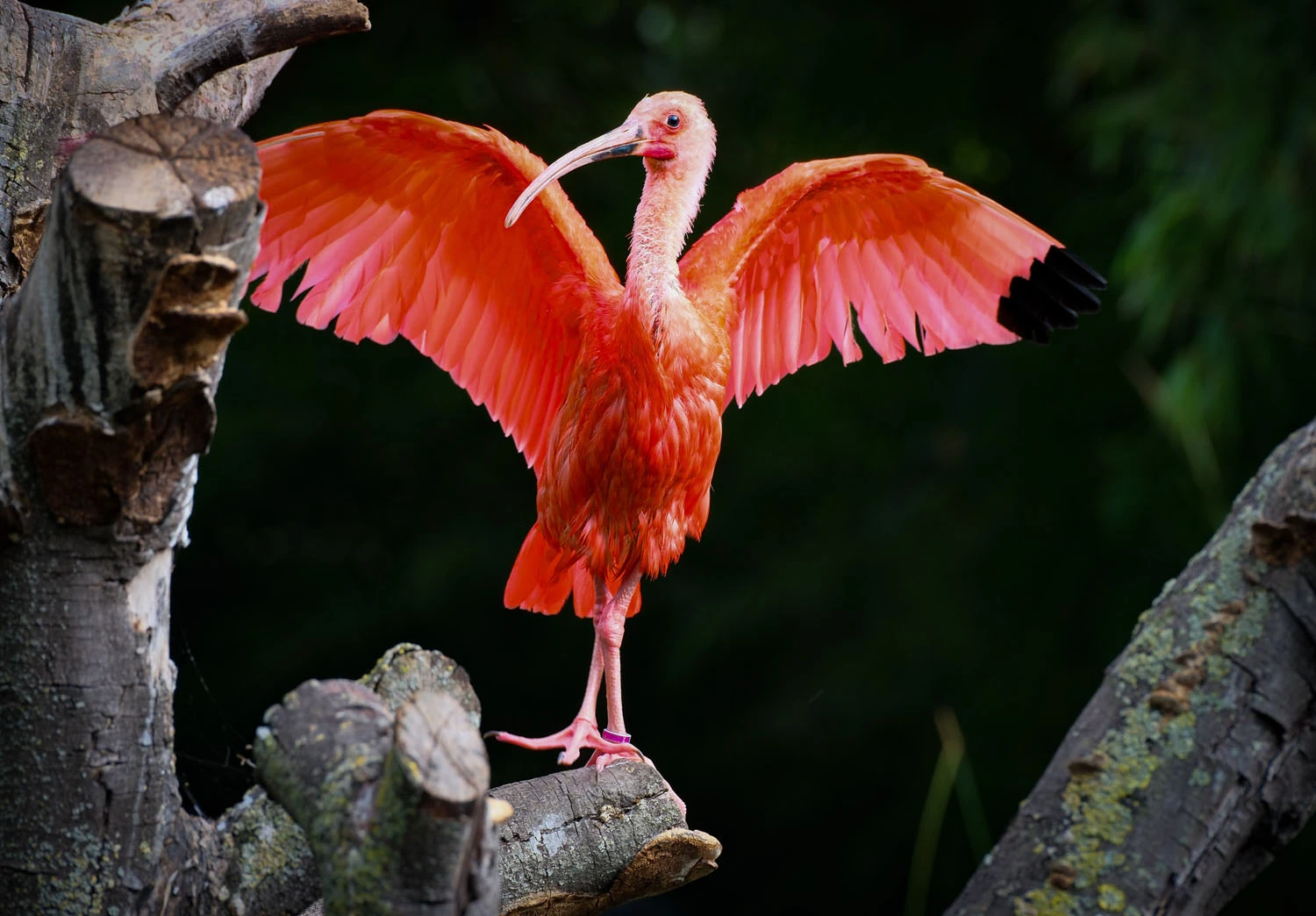
RIGHT: Fuji X-S20 . Fuji XF70-300mmF4-5.6 @278.40mm . F/5.6 . 1/17″ . ISO 400
Which single accessory could you not work without — and what would you lose without it?
Camera straps. I would constantly fear that I drop the camera and ruin the lens. They are expensive!
How has your relationship with gear changed over time, and what drove those changes?
Trying a prime lens and a faster lens. They made me move more and underestimated how clear the pictures are. Also autofocus. I think we all know, unfortunately, what I’m talking about.
What are you working on right now, and where can readers follow it?
I’m travelling to Rome and will visit a zoo there as well. I already visited London and Barcelona. Next will be two zoos in Hungary.
I’m trying to have a website as well, so people can see the pictures in a bigger size. When I have it, I will share it on Instagram.
I’m looking for competitions as well.
They can follow me on Instagram: www.instagram.com/mr.photov/
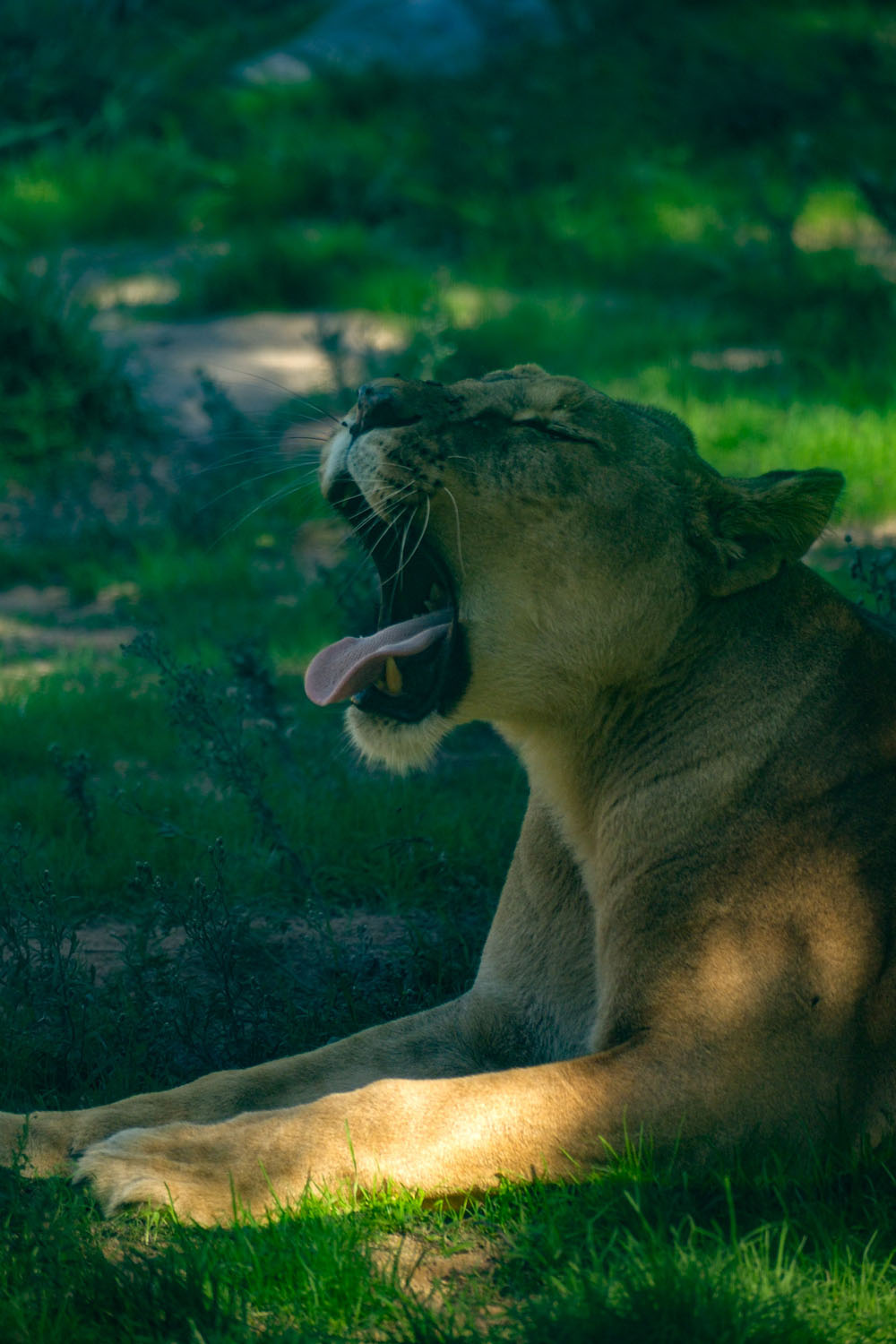
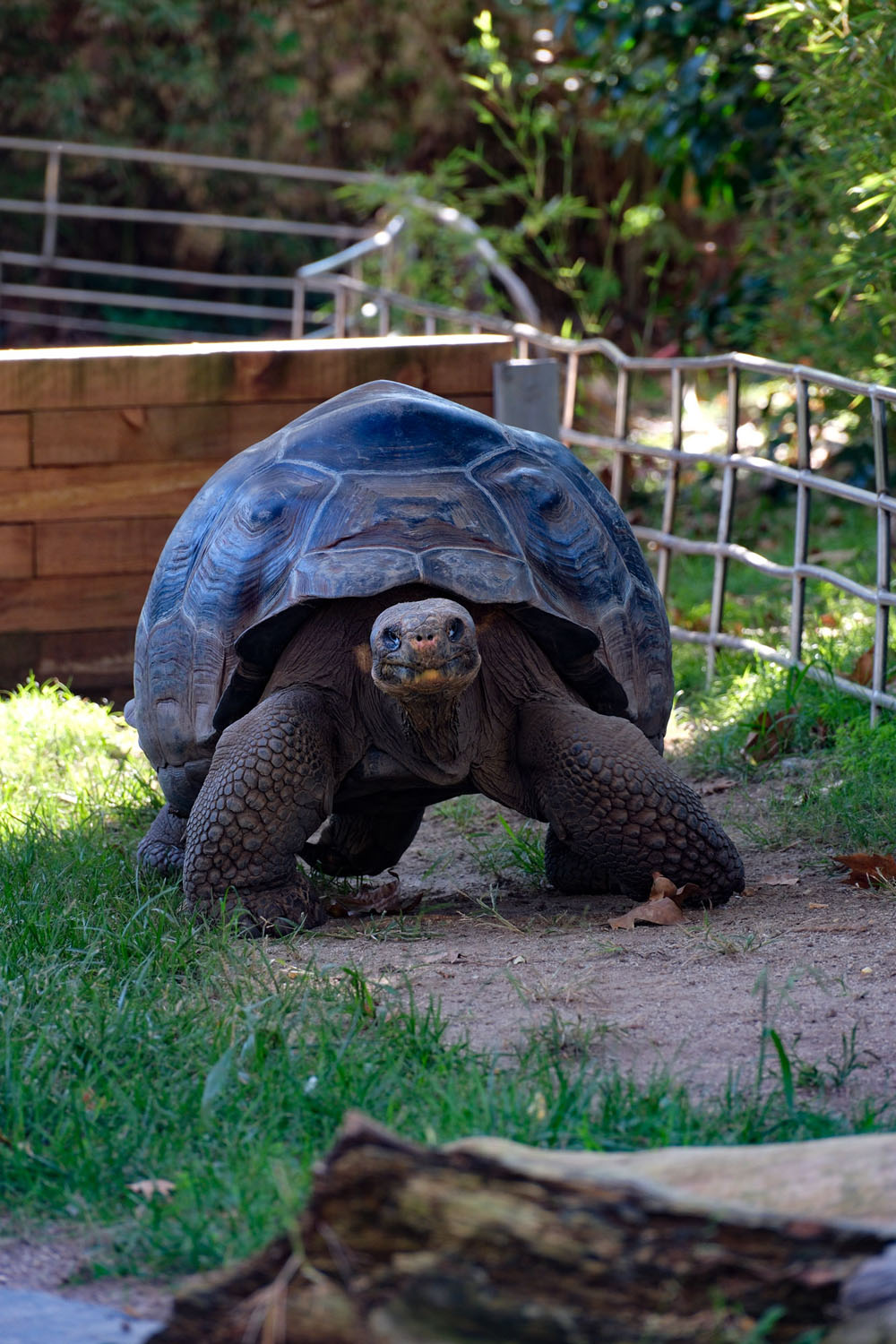
RIGHT: Fuji X-S20 . Fuji XF70-300mmF4-5.6 @198.90mm . F/5.6 . 1/120″ . ISO 800
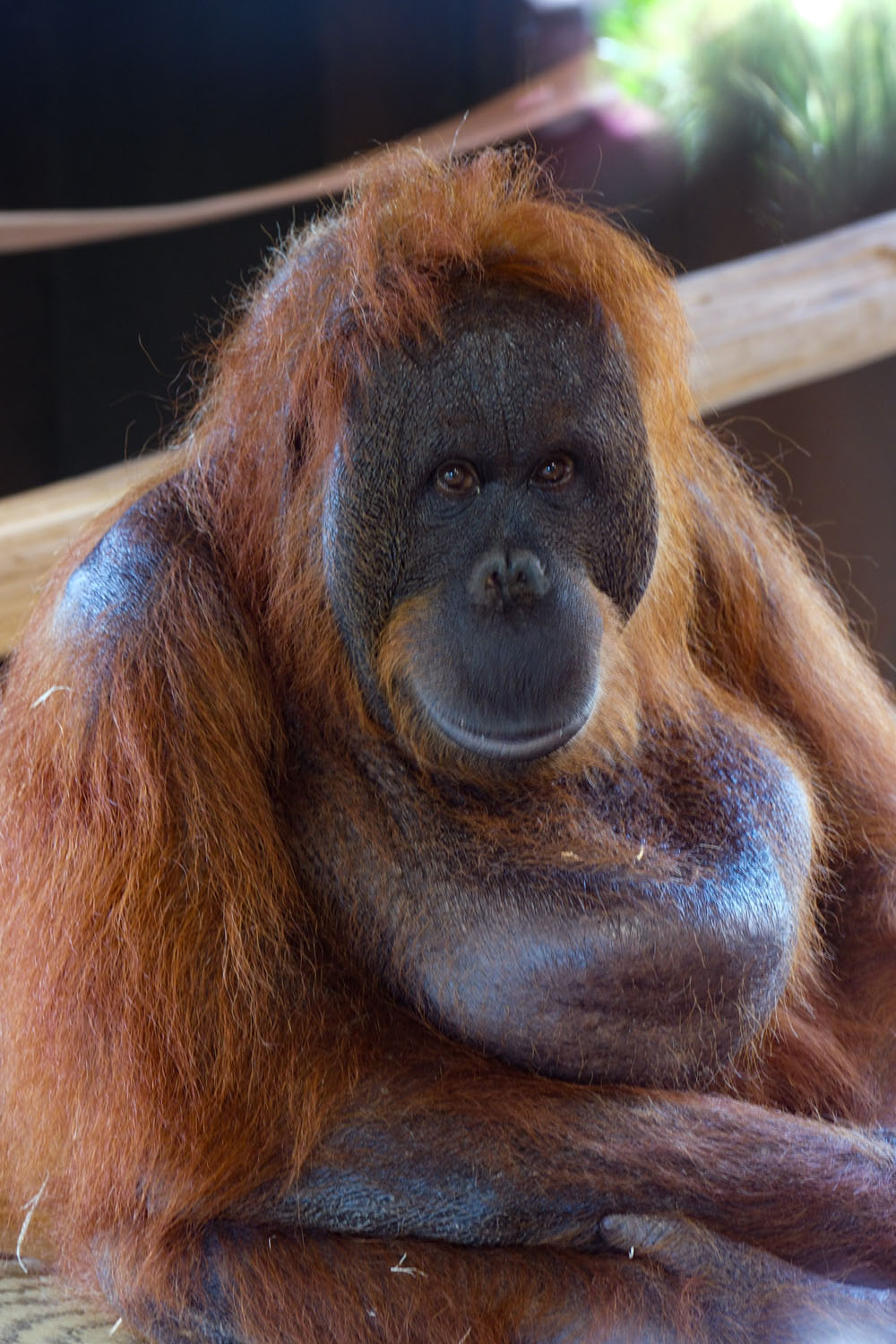
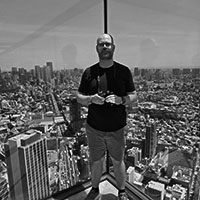
Originally from Hungary, Viktor has been living and working in England for the past nine years. His photography journey began shortly before a trip to Japan in May, when he bought his first digital camera, a Fujifilm X-S20. After exploring photography tutorials on YouTube and reading The Photographer’s Eye by Michael Freeman, he began practising with his mobile phone, learning to observe his surroundings, recognise patterns and develop his photographic eye.