Hands-on Review: Fujifilm X100VI
My name is Alessandro Miceli, I’m 24, and I’m a hobbyist photographer. I picked up my first camera at 14, but over the years I’ve often lost momentum, mostly because I’ve always found editing on a computer deeply boring. I mainly shoot landscapes, portraits and travel. I’m not chasing the technically perfect shot or a conceptual image. For me, photography has a very specific purpose: capturing and keeping memories of the things I do with my girlfriend, my friends and the people I love. My camera is my visual notebook. It’s how I hold on to happy moments and the time we spend together.
I chose the Fujifilm X100VI out of a real need for simplicity, and during what I’d call a photographic crisis. I’d been through a lot of cameras and interchangeable-lens systems, and it always ended the same way. I’d come home with hundreds of RAW files and hours of post-processing ahead of me. I got so fed up with that routine that I stopped showing my photos to anyone. Partly I was never happy with them, and partly I was simply too lazy to edit them. I wanted a way to enjoy shooting again. Fujifilm’s JPEG colours let me drop editing altogether, go back to enjoying the moment and share my photos straight away.
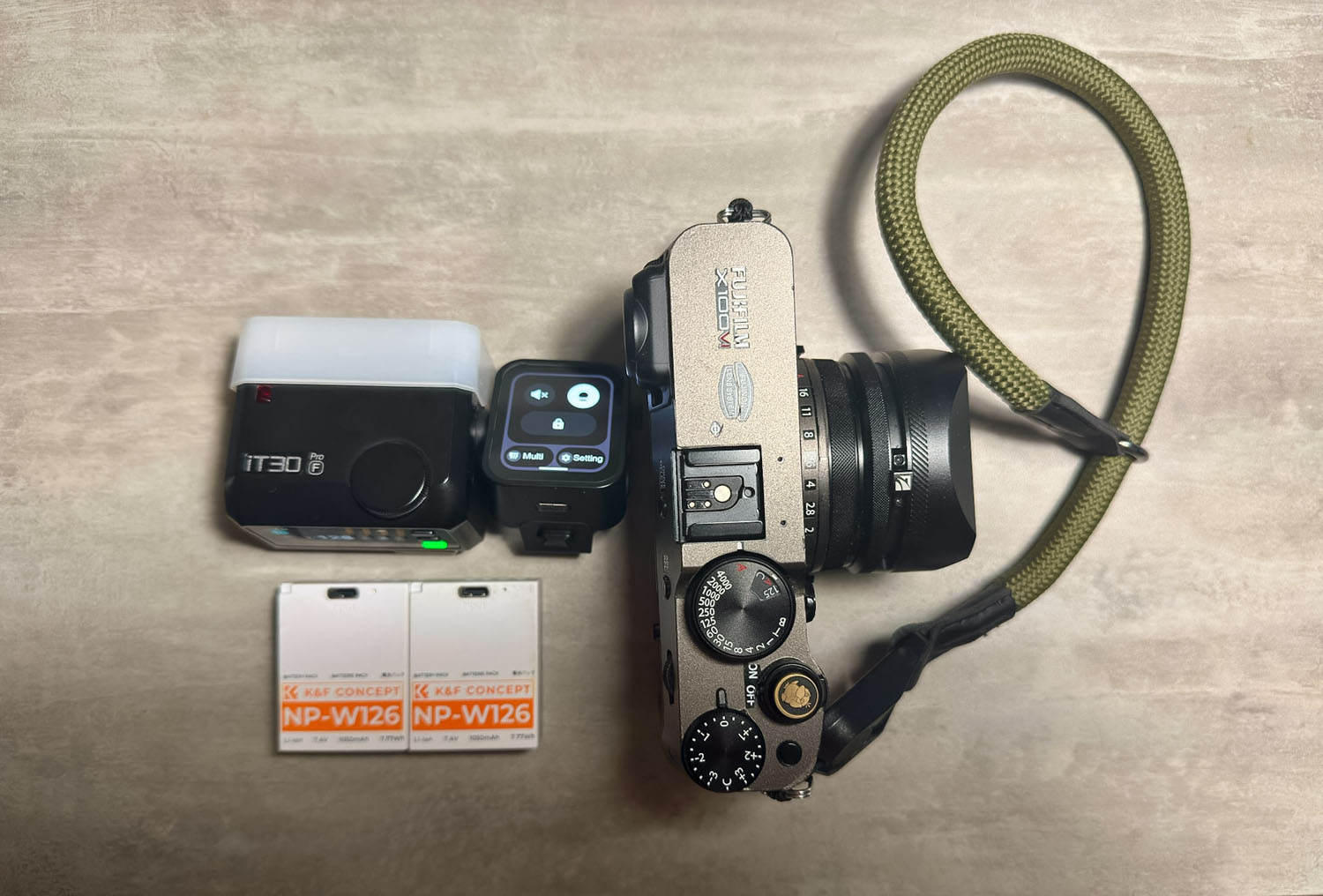
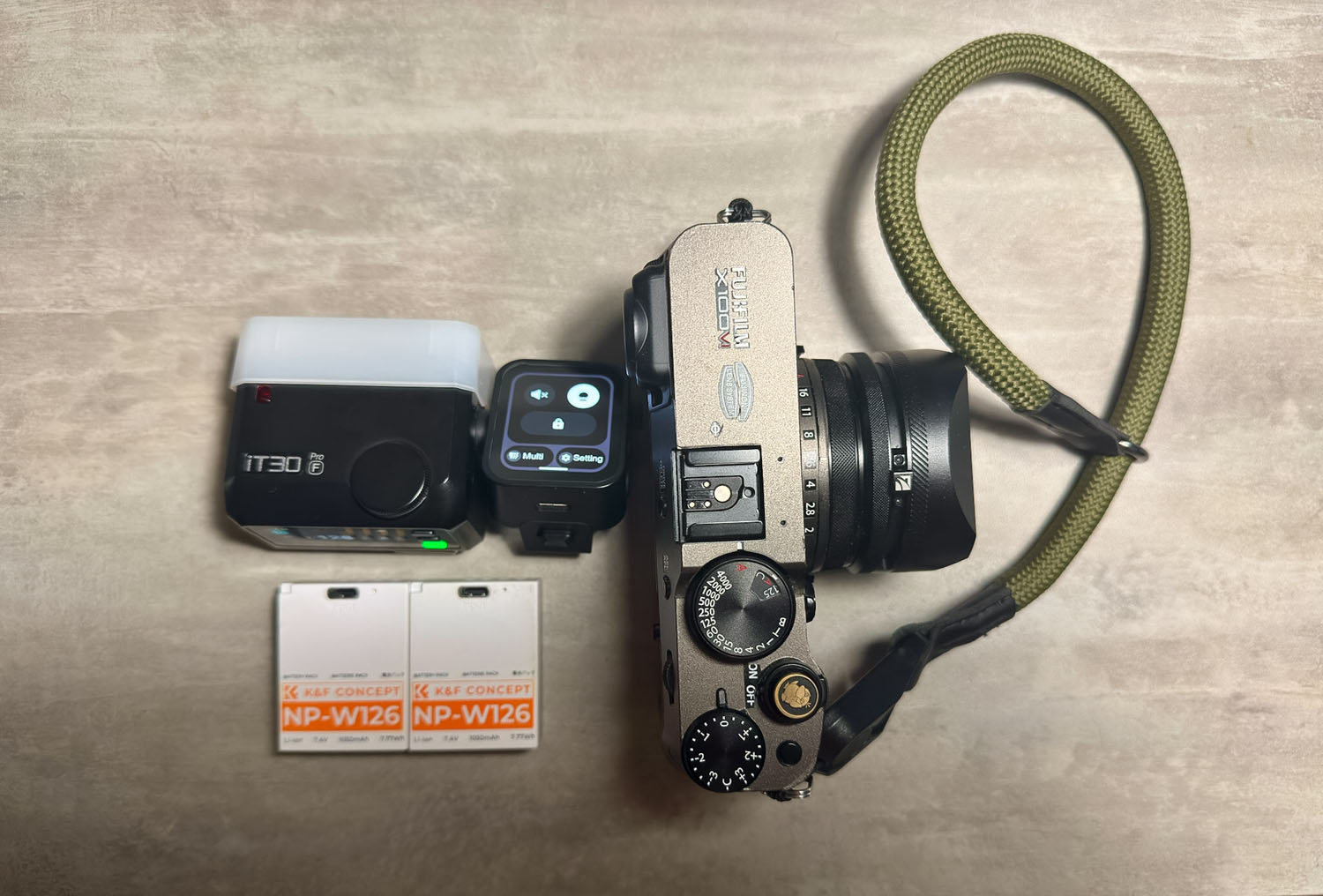
The first time I held the X100VI, I felt a sense of freedom. There was no heavy camera bag and no stressing over which lens to mount. It’s compact and beautifully designed, and it simply makes you want to go out. Within the first few weeks, I noticed my whole approach had changed. I no longer looked at a scene thinking about how I’d edit it in Lightroom. I just enjoyed it, knowing the camera was recording exactly the atmosphere I was seeing.
These days, the X100VI goes everywhere with me, whether I’m travelling or just out for an evening walk. I don’t see the fixed lens as a limitation. If anything, it cured me of “choice paralysis”. I grab the camera, head out, and all I have to think about is framing and light.
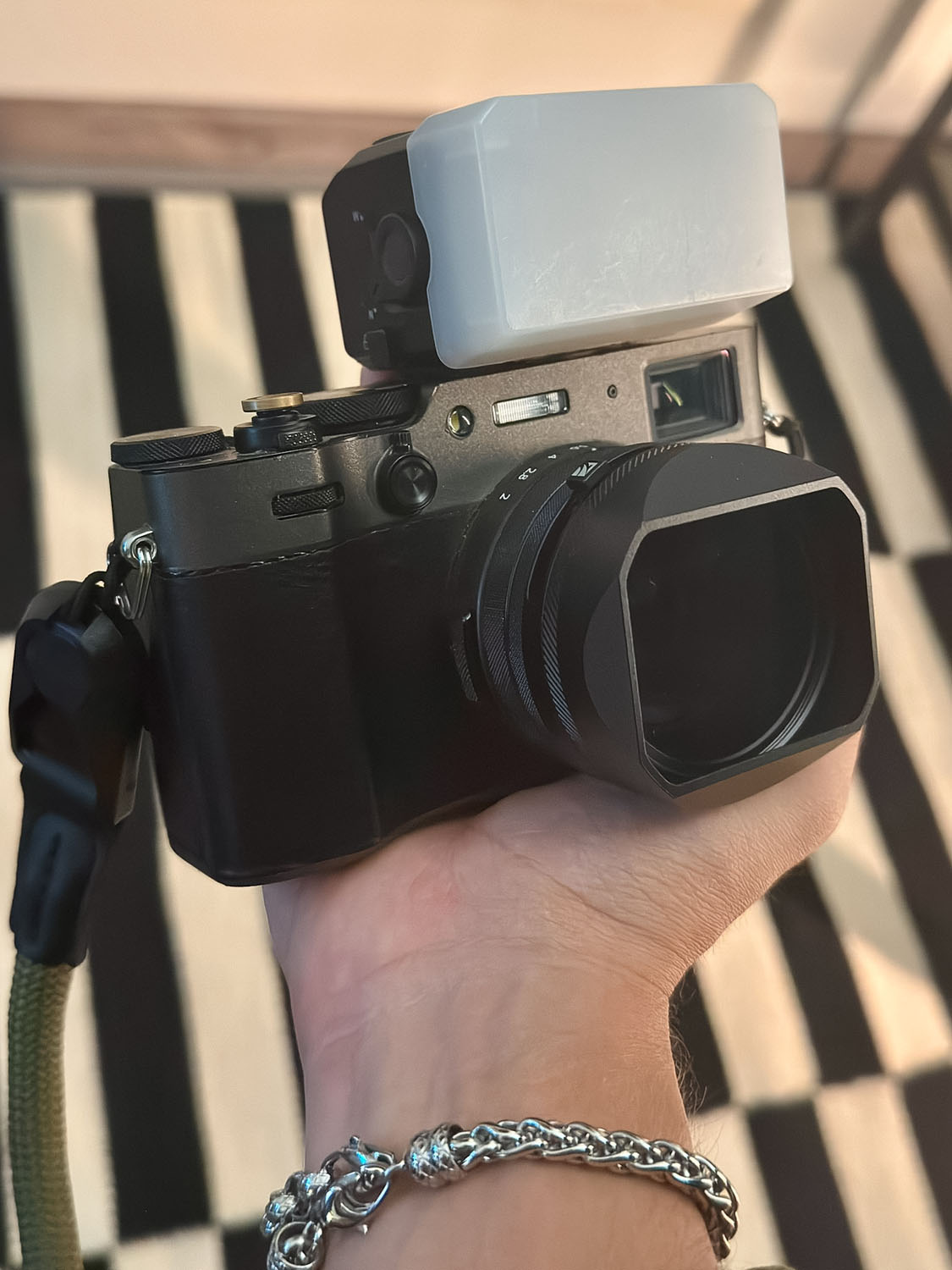
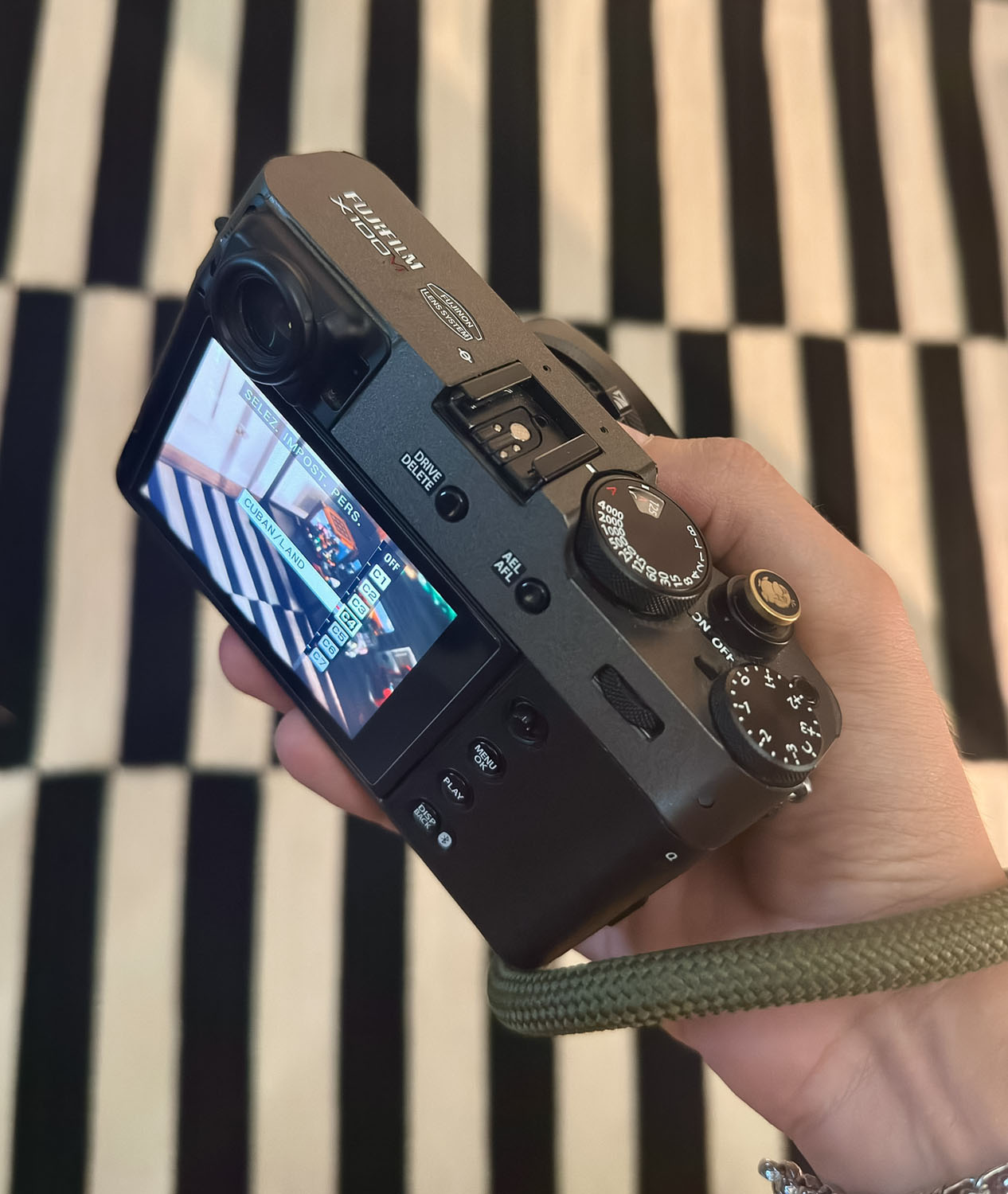
To be honest, a body this small comes with some ergonomic compromises. You don’t get the deep grip of a DSLR, but that’s a price I’m happy to pay for portability. There’s also a huge range of accessories, like thumb grips and half cases, that improve the grip and make the camera feel more like your own. The physical dials for shutter speed, ISO and exposure compensation make shooting tactile and really satisfying. I’ve saved my favourite recipes to the C1-C7 custom banks, including the CUBAN/LAND recipe I mention below, so I can switch from one look to another in a second.
Out in the field, the X100VI performs really well. In-body stabilisation makes a big difference in low light and for portraits in natural light. The built-in ND filter deserves a special mention. Being able to shoot wide open in broad daylight without overexposing, at the press of a single button, is fantastic. The autofocus is my one real complaint. Compared with some other brands, it can hesitate when things move fast, but for the portraits and landscapes I shoot, it’s more than enough. Battery life isn’t its strong point, so on a full day out I always keep a spare in my pocket.

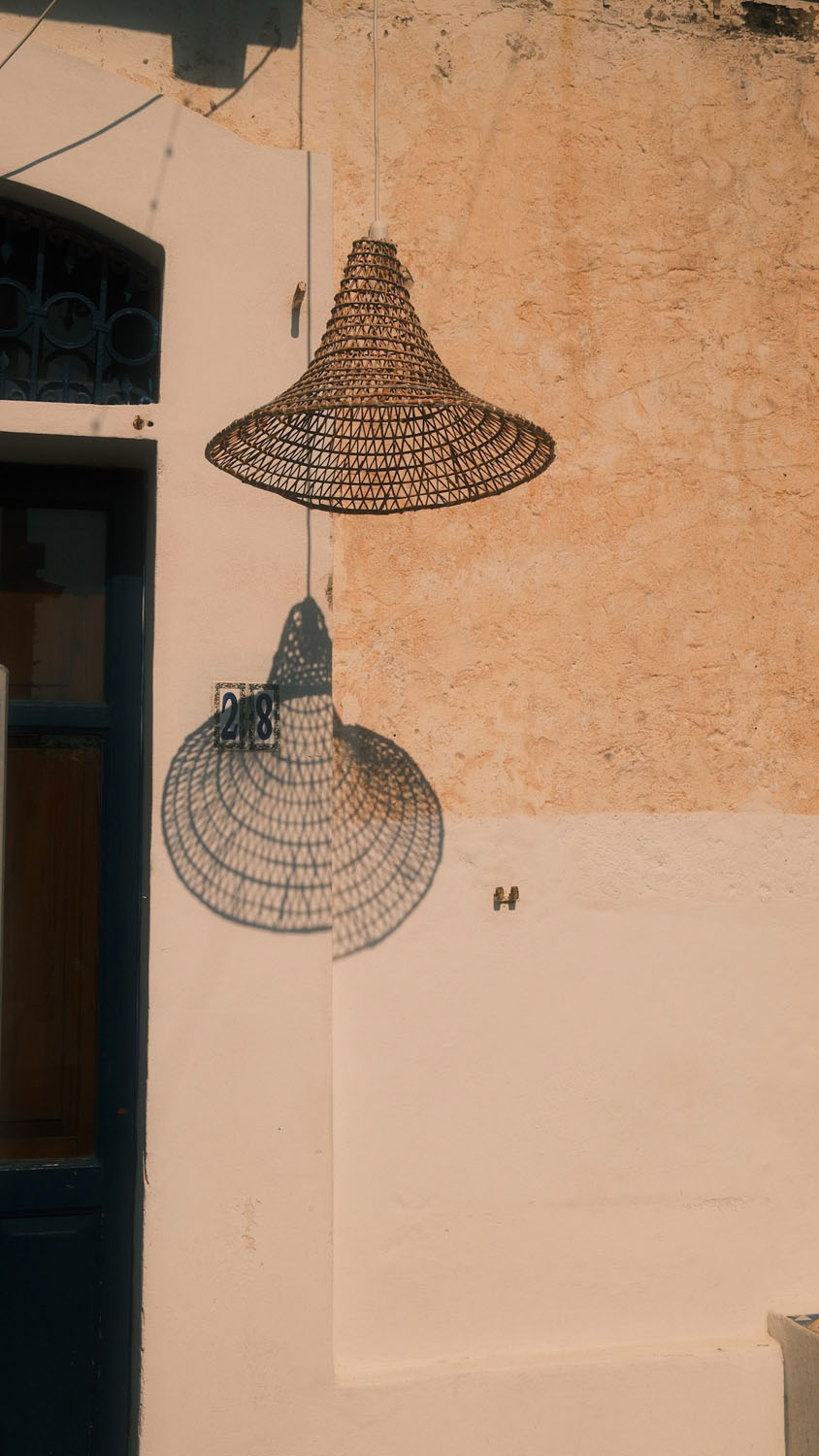
RIGHT: Fuji X100VI . F/8 . 1/3800″ . ISO 500
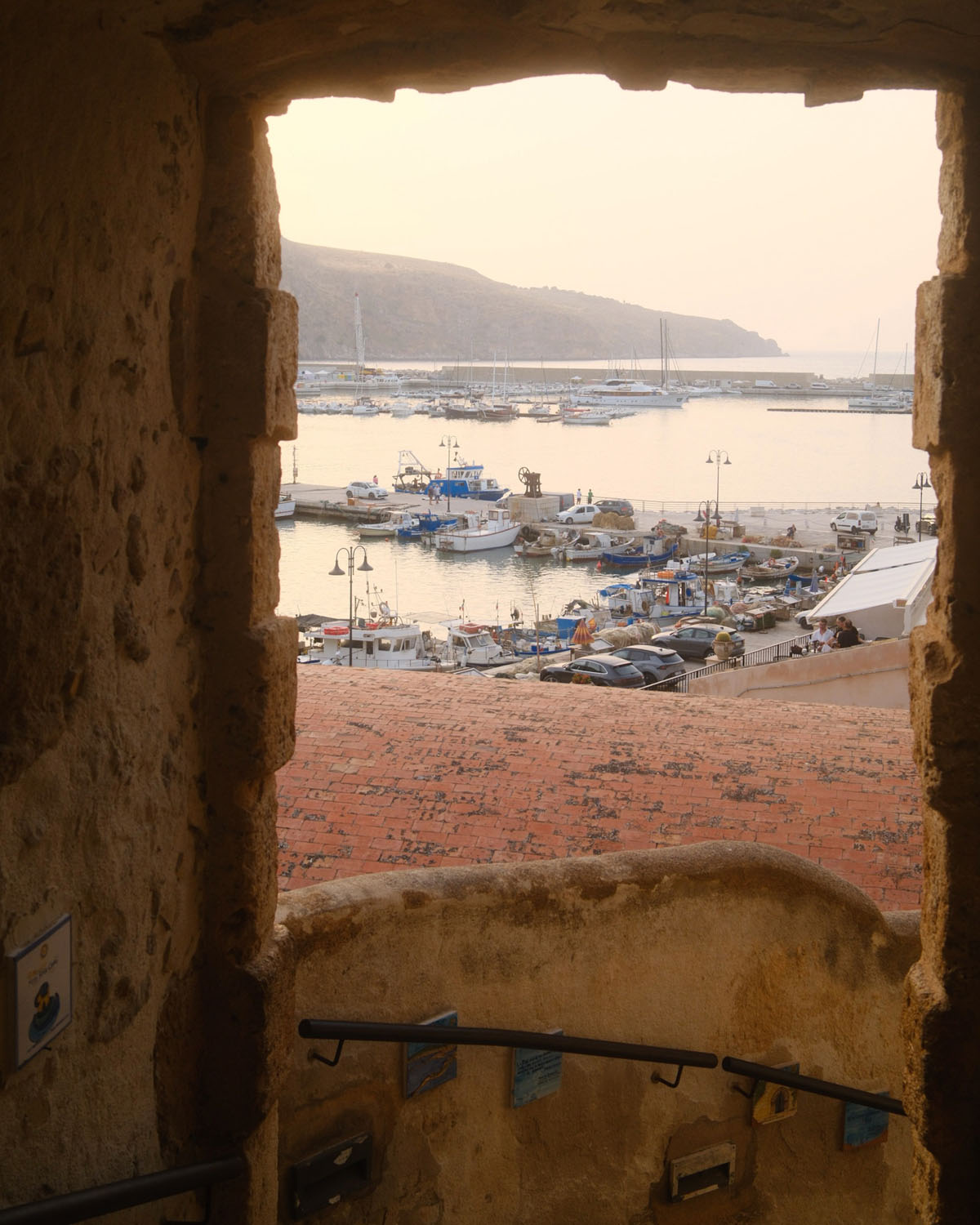
Without a doubt, the JPEG engine and the film simulations are my favourite features. This one feature saved my relationship with photography. I set up a recipe before I shoot and get a finished image with an organic, film-like character, and that’s priceless to me. I transfer the photo to my phone and share it right away with whoever I’m with. It brought the fun and the social side back into my hobby.
I almost always have a 1/4 mist filter on the lens. It softens the highlights and, together with the recipes, takes the JPEGs even closer to a film look. For a long time I used a K&F Concept Black Mist 1/4, and for the past few days I’ve been trying Freewell’s kit with a lens hood, which combines a polariser and a 1/4 Glow Mist in a single filter.
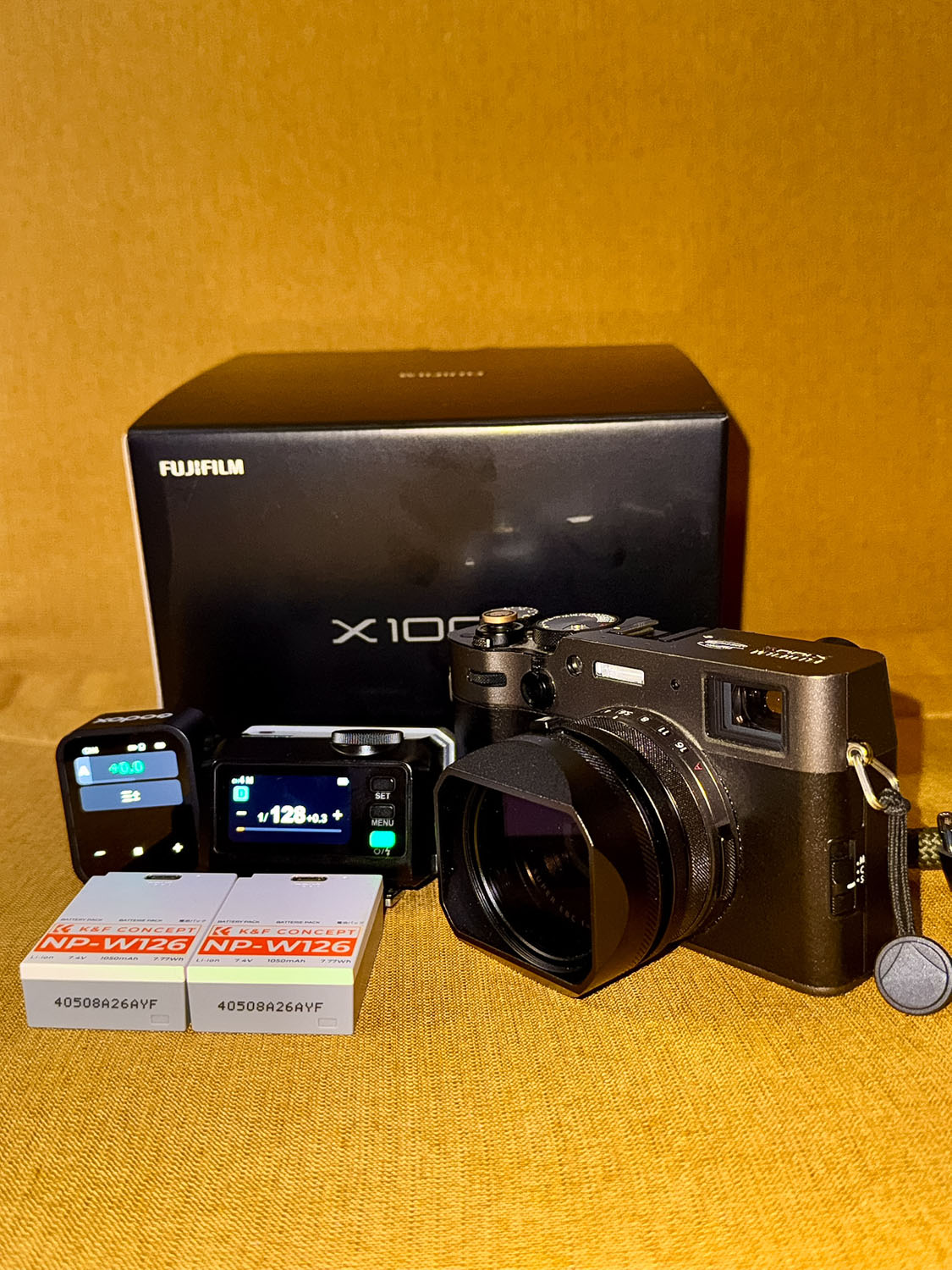
No camera is perfect, and this one is no exception. As I mentioned, the autofocus could be a little more responsive, so you don’t miss the moment when things get hectic. And given how much the photos I take mean to me, a second SD card slot would have been really useful. An instant in-camera backup would let me sleep a lot easier.
One of the photos I’m most attached to was taken during a weekend at the seaside with my girlfriend. We were on the beach, and the light was beautiful. In the past, I’d have shot RAW, already thinking about balancing colours and shadows once I got home, and in my head I’d have been miles away from that relaxed moment.
With the X100VI, I just set the “CUBAN/LAND” recipe, which gives the image the warm, slightly nostalgic look I love, and took the picture. It came out of the camera finished, with the tones exactly right. I sent it to my phone, and we looked at it together that same evening. That’s what I love about this camera. It doesn’t take time away from your memories. It gives them back to you straight away.
A few weeks later we were having dinner at a friend’s place: a long table, candles, half-empty bottles and a lot of laughter. I shot all evening under the warm glow of the lamps with my own tweaked version of the Daily Astia recipe, pushing the ISO without thinking about it too much. Before dessert, I’d already sent the photos to our group chat, and the reaction was the one I always get: “Have you edited these already?” No, that’s how they came out of the camera.


RIGHT: Fuji X100VI . F/5.6 . 1/1900″ . ISO 500
One of the guests was a friend who has been shooting for years and spends his Sundays in Lightroom. He asked if he could try the camera, took a few shots, and didn’t give it back until the end of the night. A few days later, he messaged me to say that maybe I had a point: when you shoot for fun, editing can sometimes kill the enthusiasm. He isn’t the only photographer friend who has told me something similar after trying it. To be clear, that’s just my personal view. People who work in photography have different needs, and plenty of people genuinely enjoy editing. For me, though, the best part is watching everyone look at the photos while the evening is still going.
After spending a good while with the Fujifilm X100VI, I can say for sure that I’d choose it again. It changed the way I experience photography. It taught me to let go of post-processing and focus on how a moment feels. It gave me back the urge to shoot and share, and it reminded me why I picked up a camera for the first time when I was 14.
My Recipes
Most of my photos are also shot with a 1/4 mist filter on the lens (K&F Concept Black Mist 1/4, and more recently the Freewell CPL/Glow Mist 1/4).
CUBAN/LAND: my version of Classic Cuban Negative by Osan Bilgi, with grain turned off
- Film Simulation: Classic Negative
- Dynamic Range: DR400
- White Balance: Auto, Red +4, Blue -5
- Highlight: -2 / Shadow: +1
- Color: +4
- Sharpness: 0
- Clarity: -4
- High ISO NR: -4
- Grain Effect: Off
- Color Chrome Effect: Strong
- Color Chrome FX Blue: Strong
Daily Astia (mod) by FurtherAdu
- Film Simulation: Astia
- Dynamic Range: DR400
- White Balance: Auto, Red +4, Blue -4
- Highlight: +1 / Shadow: 0
- Color: +2
- Sharpness: -2
- Clarity: +4
- High ISO NR: -4
- Grain Effect: Off
- Color Chrome Effect: Off
- Color Chrome FX Blue: Strong
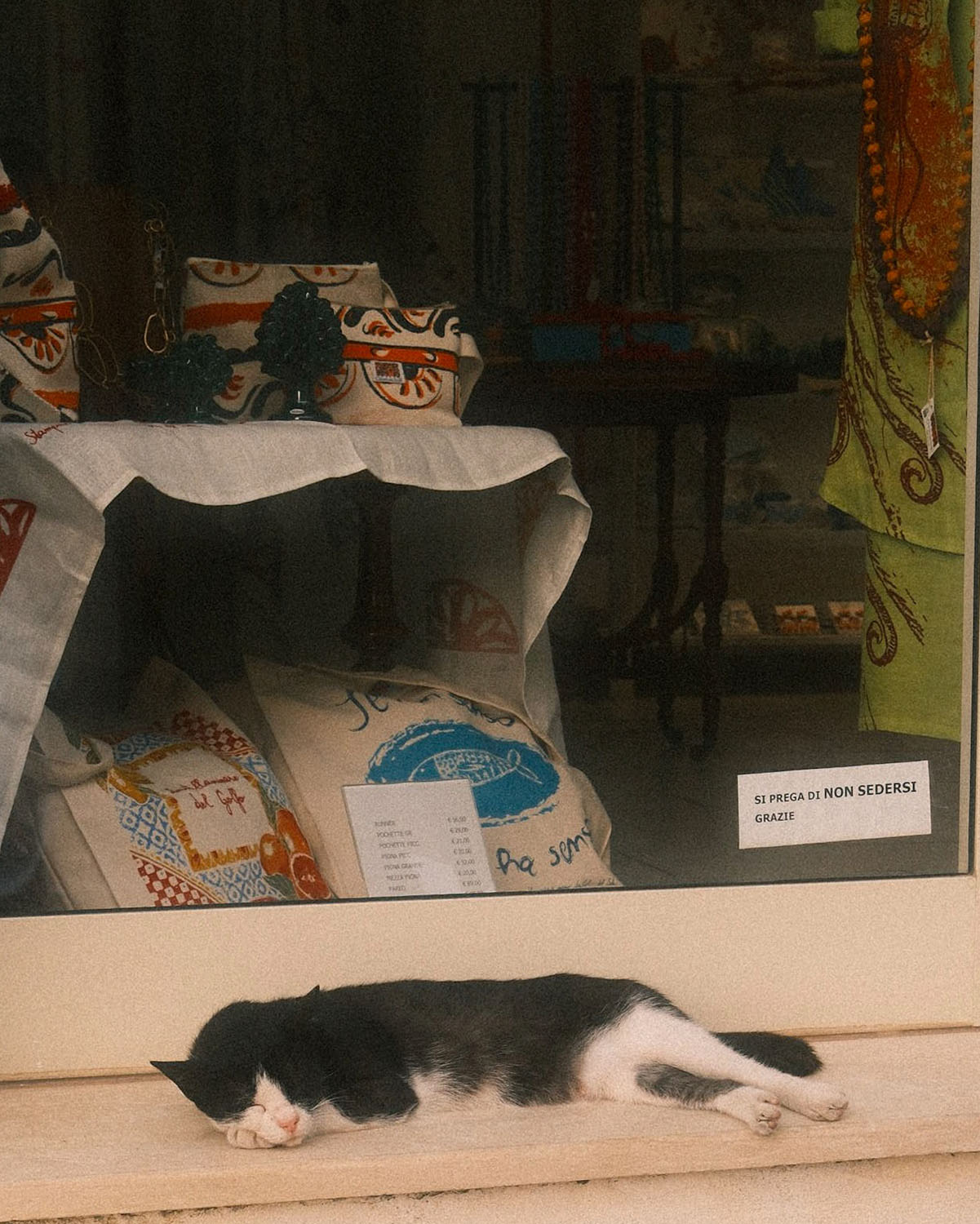
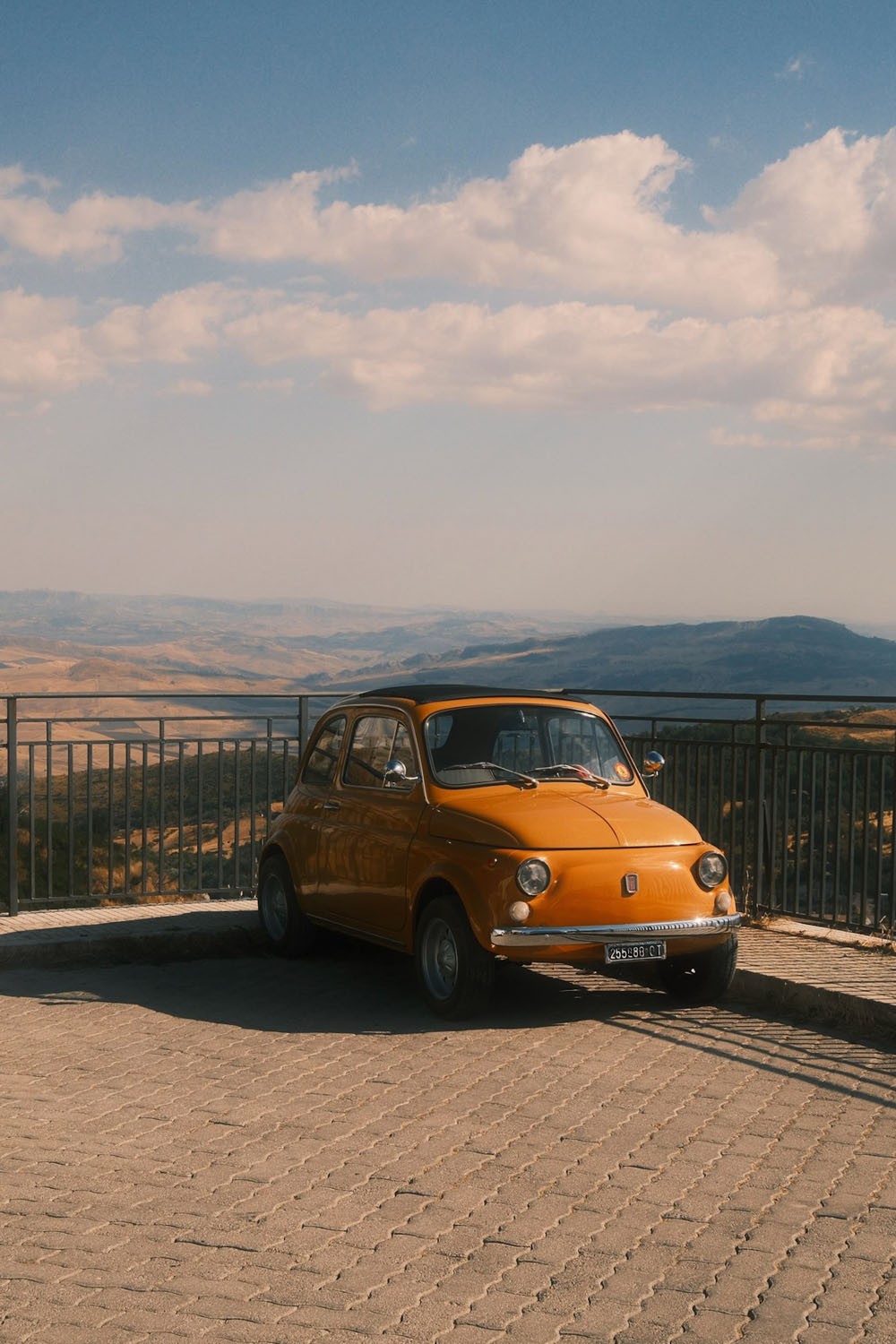
RIGHT: Fuji X100VI . F/5.6 . 1/2200″ . ISO 500
“My name is Alessandro Miceli, I’m 24, and I’m a hobbyist photographer.. I mainly shoot landscapes, portraits and travel. I’m not chasing the technically perfect shot or a conceptual image. For me, photography has a very specific purpose: capturing and keeping memories of the things I do with my girlfriend, my friends and the people I love.”