Living Mirror
The core role of photography has always rested on a simple triad: the memory of a moment, proof of presence — being “there and then” — and a prompt for emotion. In this original sense, photographs work as living mirrors — they speak to us, and about us, across the years. They are alive because I am alive — a mirror that lives only through the moment I look again.
But our relationship to history, art, our own selves, and our own past is different now. So, the mirror, following us, changes too.
Point of Departure
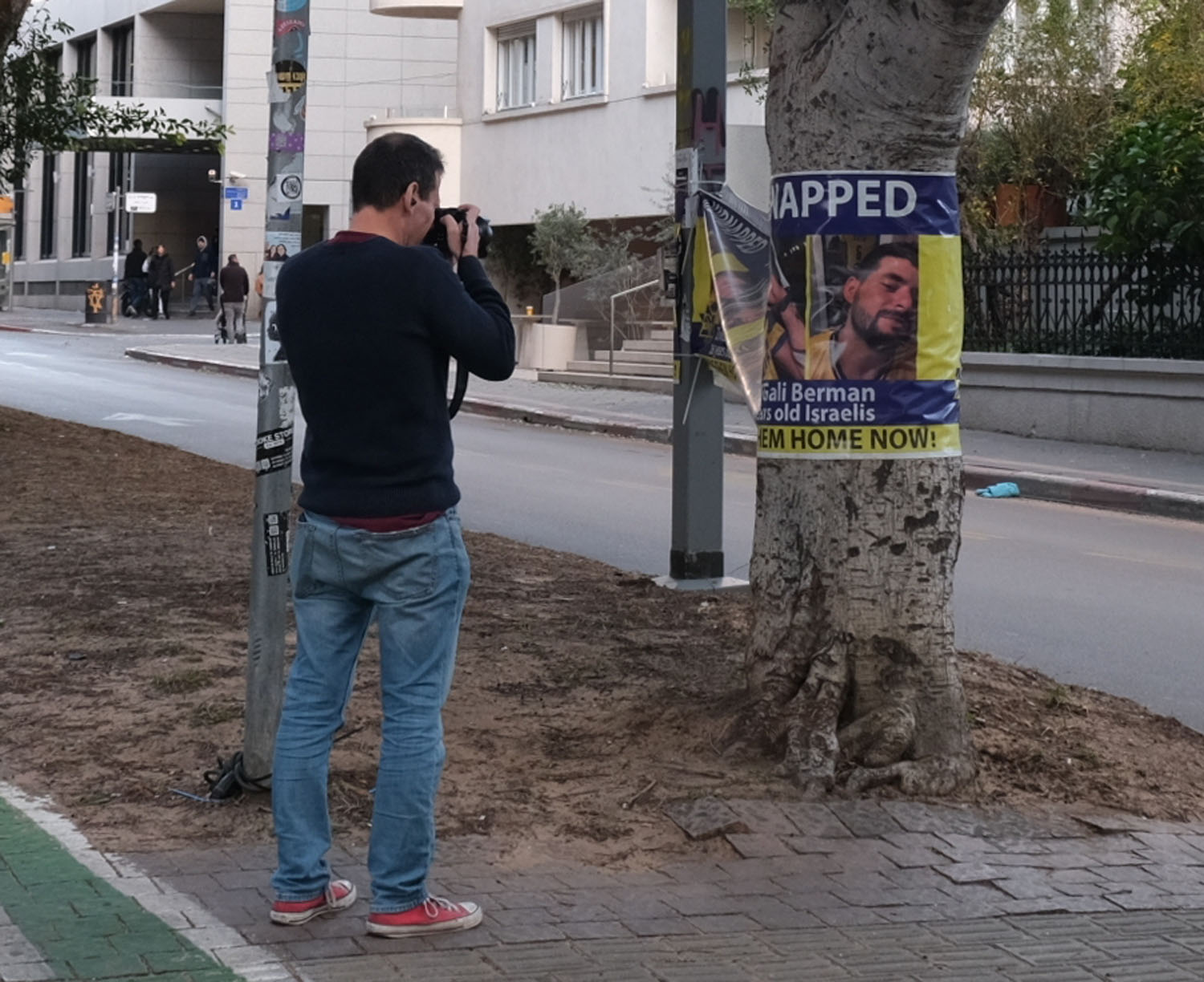
No other art stays this close to reality. Painting gives us the artist’s interpretation. Photography gives us something closer to testimony: a direct imprint of light, fixed in one exact second. The philosopher Roland Barthes had a phrase for it — “the evidence of being.” This is why it matters in a courtroom, in a lab, in a hospital chart. It matters just as much on a city street: a man photographing a missing person’s poster nailed to a tree, bearing witness to nothing more than a face and a plea, making sure the document exists.
Bias, here, can cost something. But reduce photography to a mechanical cast of reality, and you miss half of it: through the choice of moment, composition, light, a picture becomes something deeply subjective. Its uniqueness lives right at that seam — between the machine that fixes and the eye that chooses.
A strip of old 35mm film, held with a rubber band against the bright screen of a phone — that’s the symbol of this whole dialogue between eras. The phone, of all things: the engine of today’s digital noise, stripped down here to its most basic job. A light source. A lightbox. The screen’s glow finds the old slides in the dark — silhouettes, unguarded faces, everyday details nobody staged. The perforations. The torn edge. The grain. Physical proof that this conversation across time was real. The photo is nearly fifty years old — taken in 1977. The smartphone lighting it won’t last that long. The film probably will.
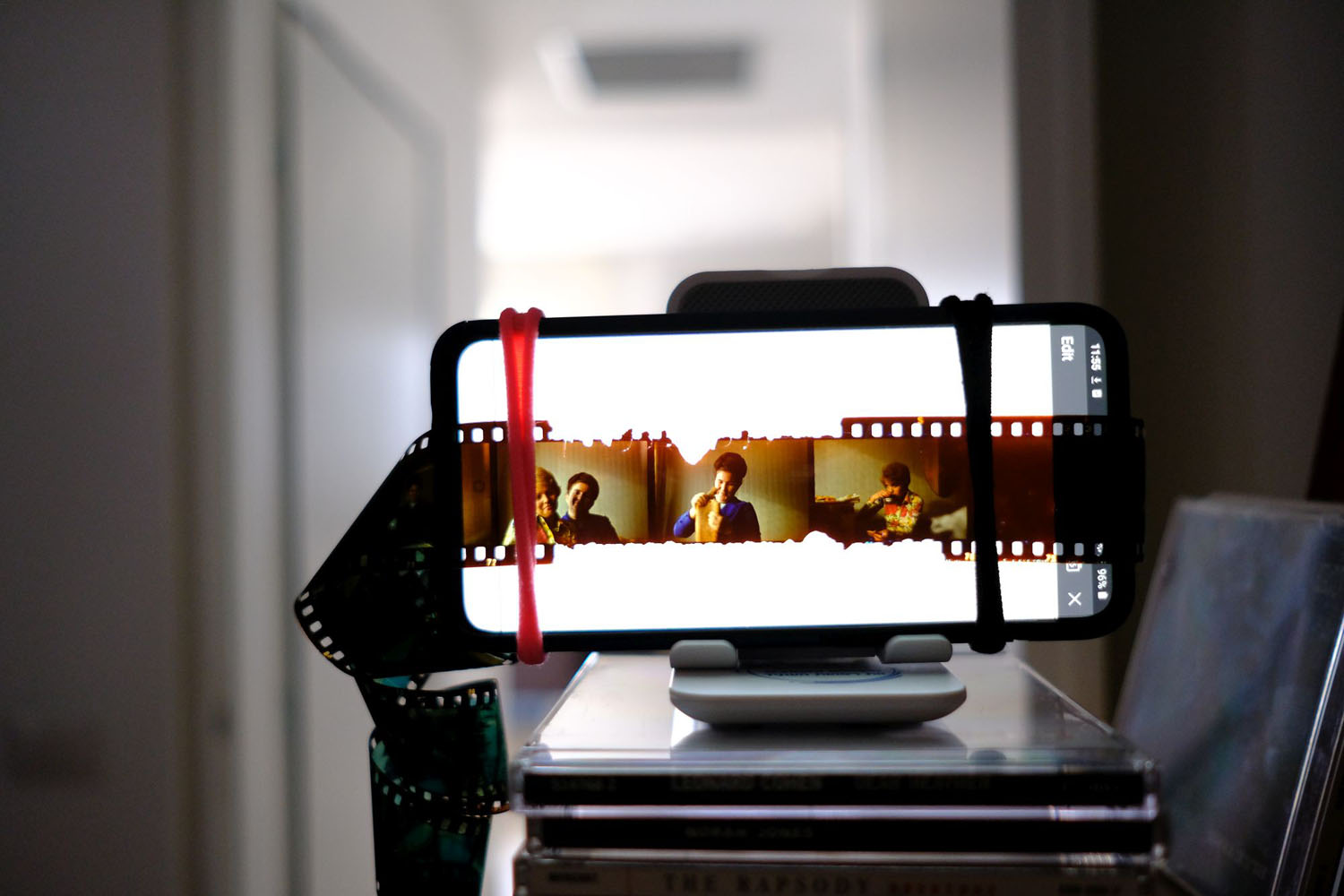
Old slides have their own charm, their own truth. Staging existed back then too — in fashion, in a studio portrait. But an ordinary person, photographed on an ordinary day, didn’t perform. This doesn’t read like some abstract digital file — it feels like a physical thing, still holding a piece of real light from 1977.
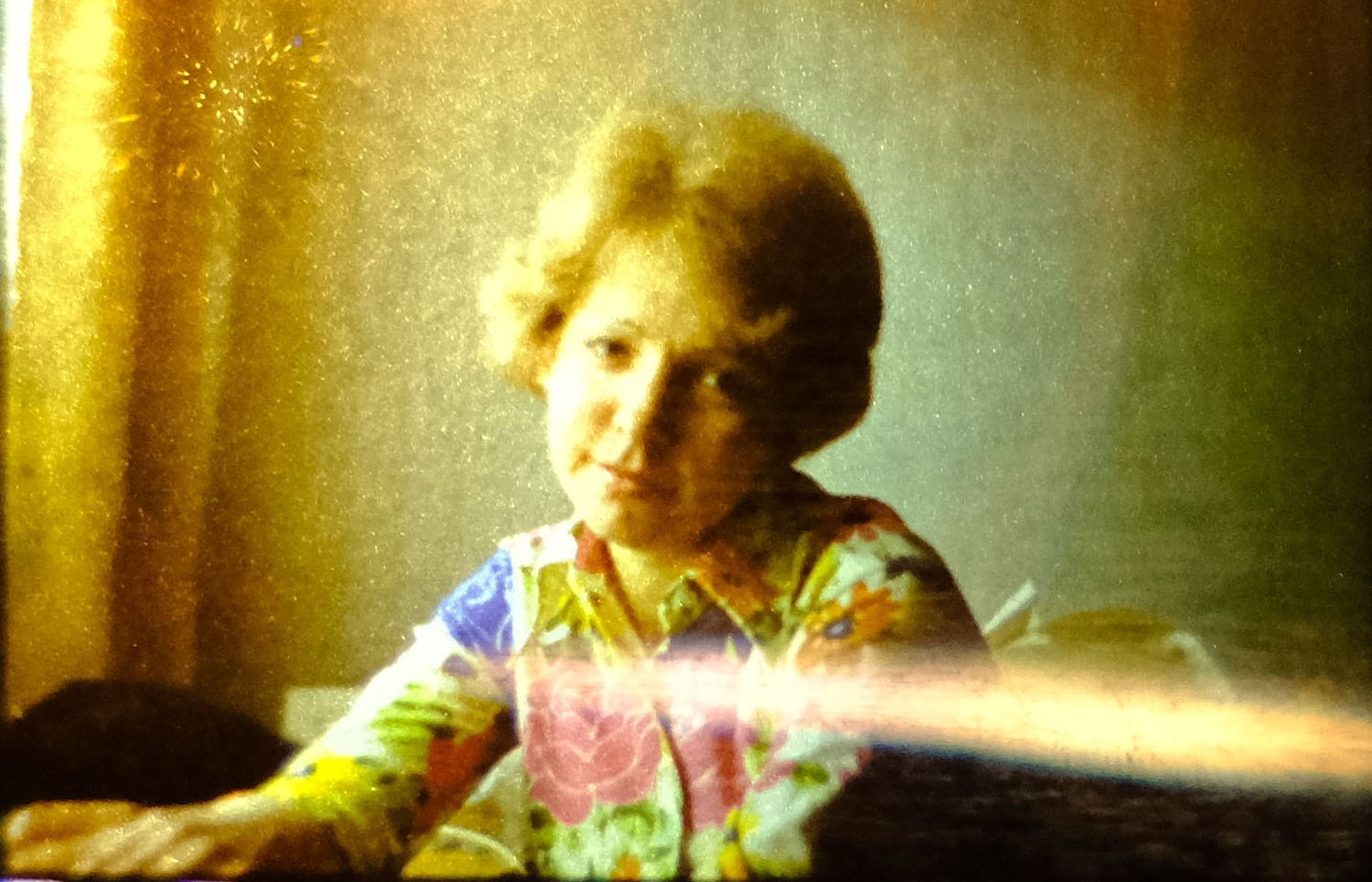
That’s changed. The camera is an interlocutor now; someone you present yourself to rather than simply stand in front of — and not just for the professionals. Any street photo does this too.
Memory isn’t static. The print stays the same. We don’t. Years later, older, having lost things and gained others, we open the same photograph and find something new in it — not because it was hidden there all along, but because we build it, now, with different eyes. The photograph becomes a palimpsest. A new layer settles over the old one. We write it — our present selves, not our past ones.
The Boundary of Authenticity
Today’s AI-generated images are flawless. And empty. They’re an abstraction of a place, a concept — missing one fundamental thing: sensory memory. AI has never been cold, tired, hungry, in love. A generated picture can stimulate the eye. It can’t become a key to anyone’s life. It’s a perfect simulation. A shell with nothing inside.
An authored photograph carries something else: the imprint of one actual moment. Its value is in the imperfection — a stranger who wandered into frame, a crooked shadow, a faded edge.
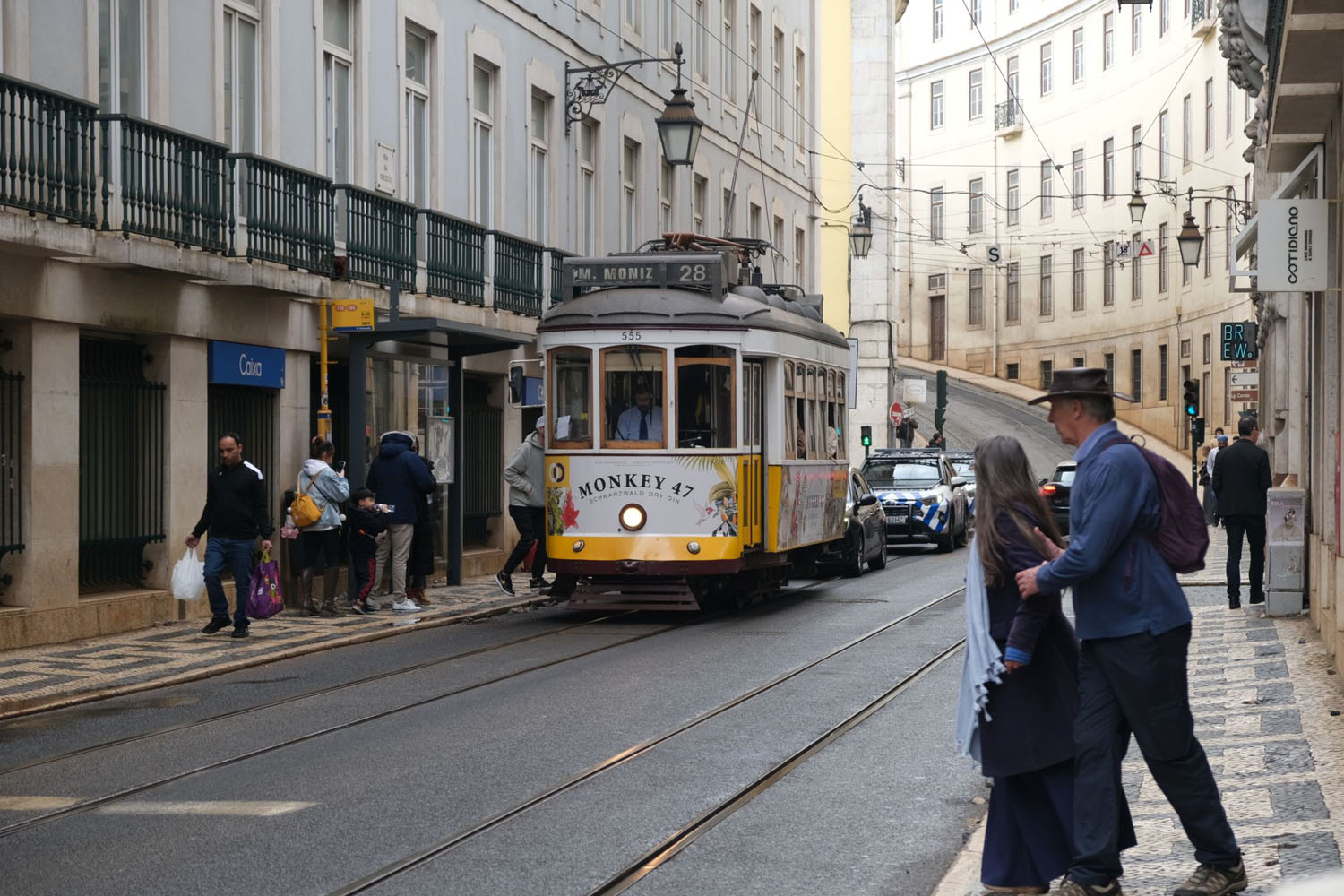
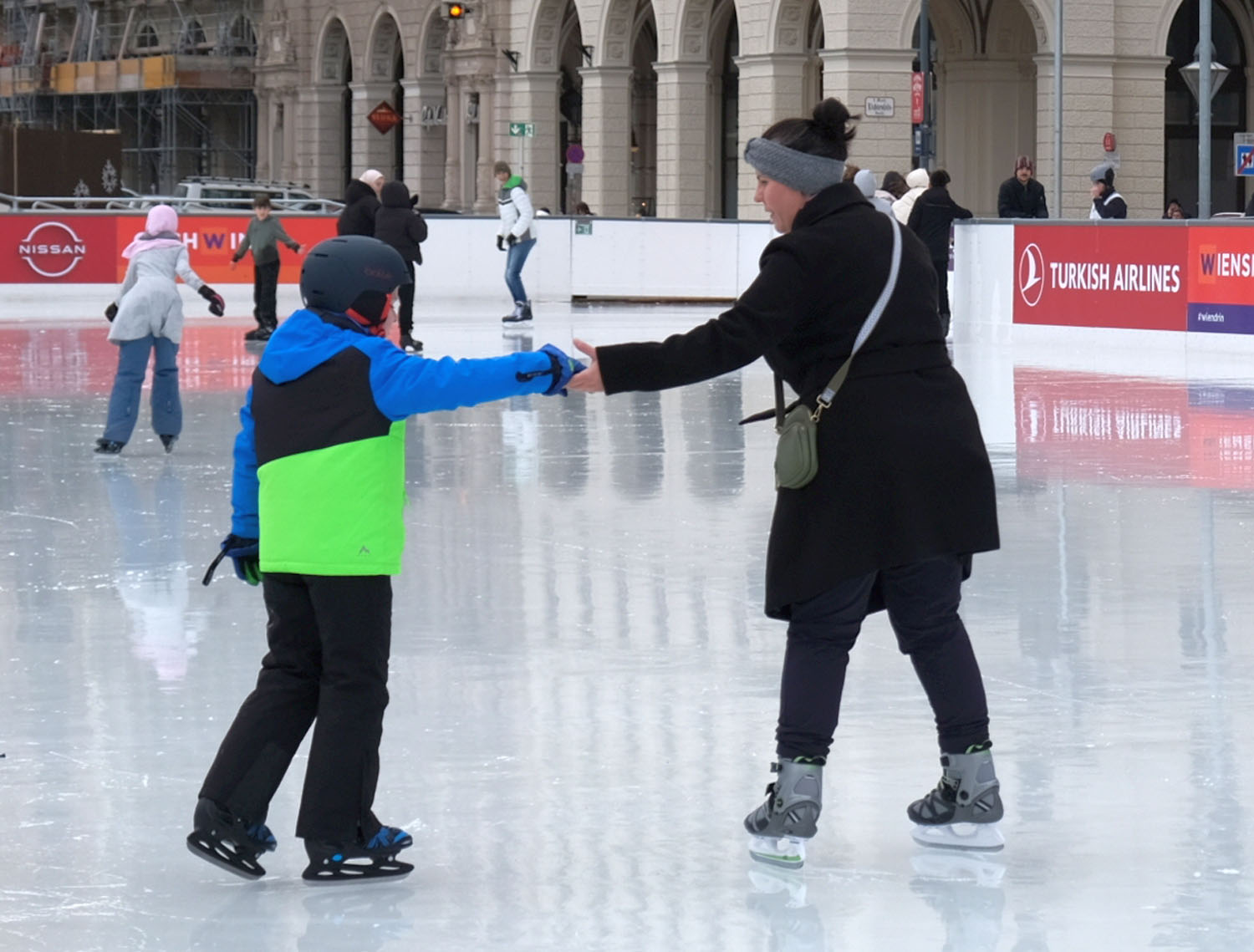
These flaws are what tie it to real experience. Which is exactly why, now that anyone can generate an image from nothing, authenticity is worth more, not less.
Labeling AI-generated content is already becoming standard — soon a mark on a picture, or a note on a piece of text, will be as unremarkable as a copyright line. Once that’s routine, what’s genuine carries its own weight again. But the weight isn’t automatic. It has to be established — call it provenance. There are already more disputes over this than anyone needs to list.
“I Was Here”
Photography used to be a private archive. Now it’s a tool for instant validation. Taste used to be shaped by curators, by serious photographers. Now it’s often shaped by algorithms, by influencers, by whatever the feed rewards. People shoot more than ever, most of it formulaic, most of it chasing likes. Digital noise, doomed to die quietly in a phone’s memory or a social feed. It never becomes a personal story. It just accumulates.
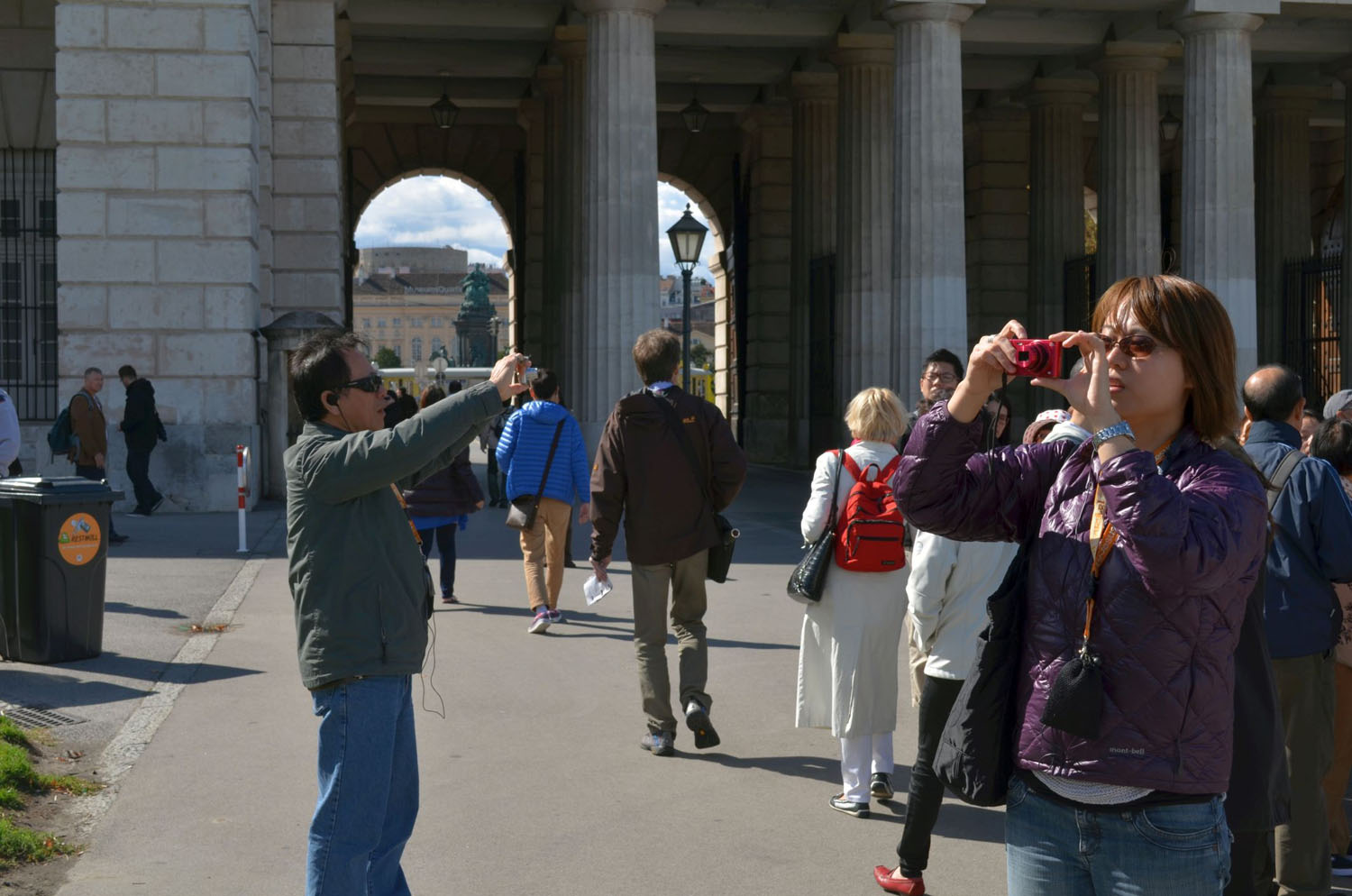
Watch dozens of strangers in front of a landmark, phones rising in unison — it’s a strange thing to witness.
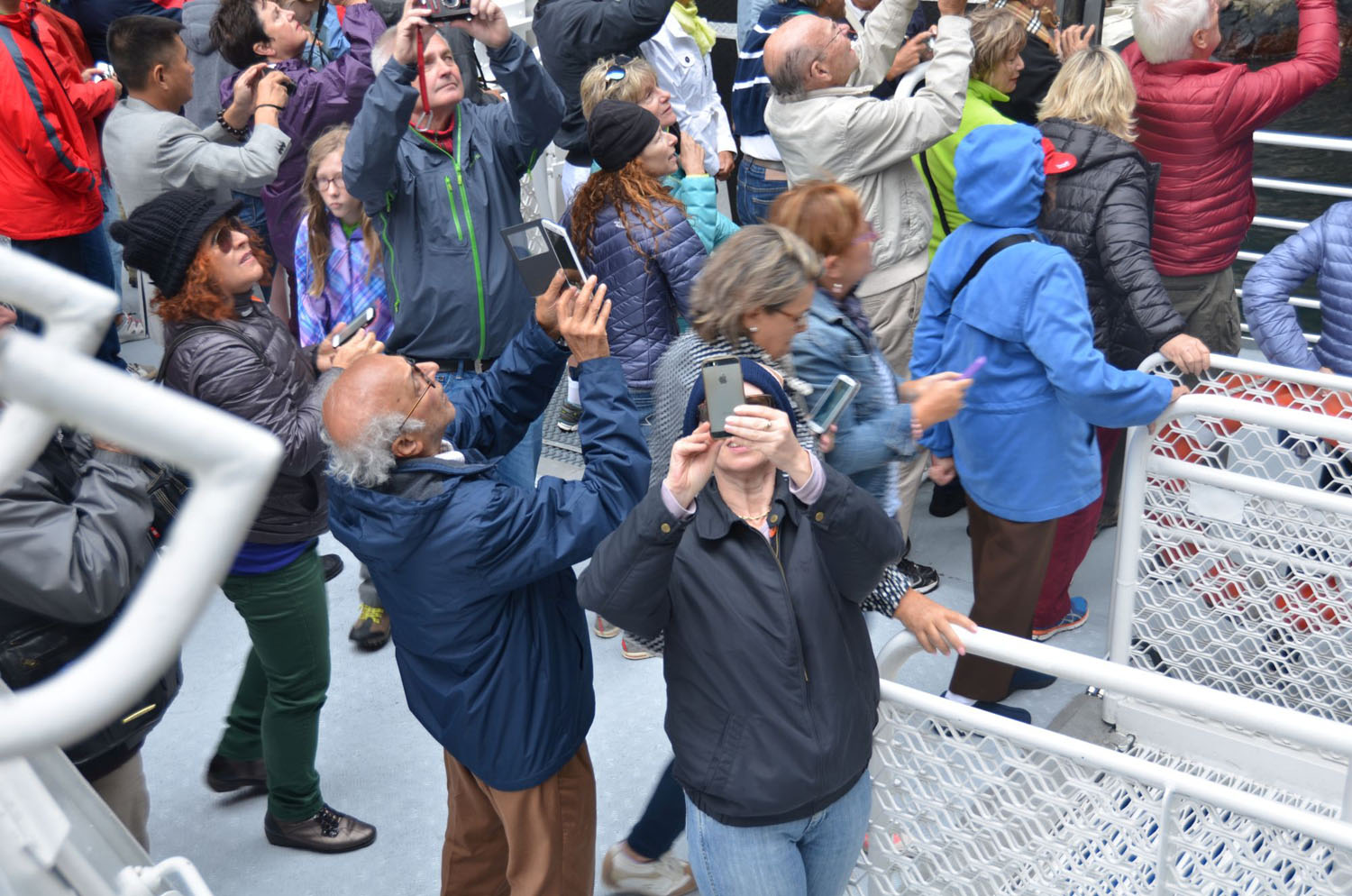
Not looking, exactly. A habit: capture the object, don’t just see it. And why not? Phone or camera already in hand — who knows if we’ll ever stand here again. Insurance for the memory: I was here. But there’s a paradox buried in that race to prove you exist. Surrounded by a thousand identical tourists, repeating the same gesture, a person can feel more alone than anywhere else. Present at the event. Absent from it.
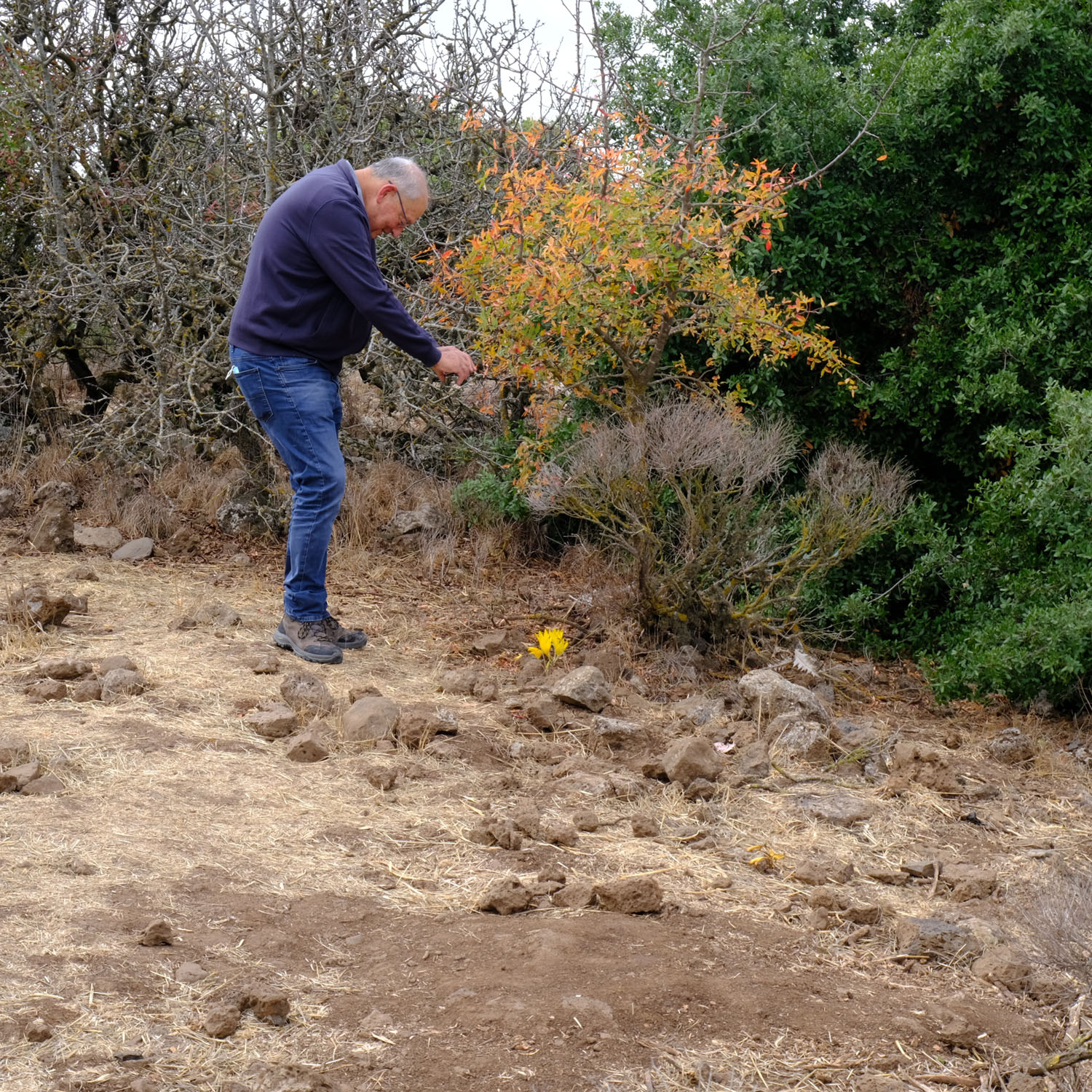
There’s an opposite to this. One person, bent close to the ground, photographing a single yellow flower in the dust, a whole landscape ignored around him. No rush. No crowd. Just one detail, held still. The difference isn’t the size of the subject. It’s the quality of attention — a hundred people sweeping their arms at something vast, one person quietly absorbed in something small.
Hence the “Instagram spot”: serious photographers now hide their locations, to spare a place the crowds, the damage.
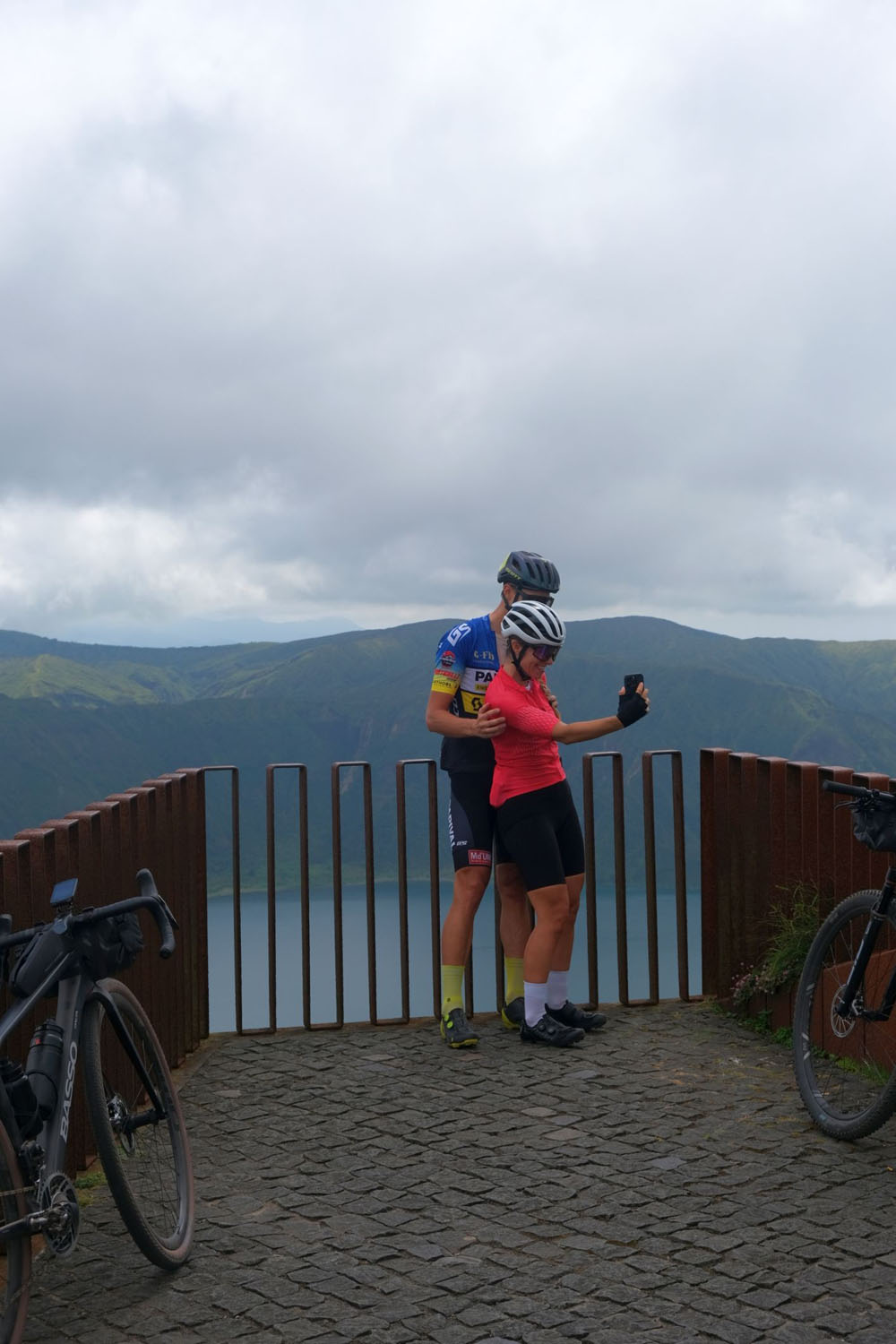
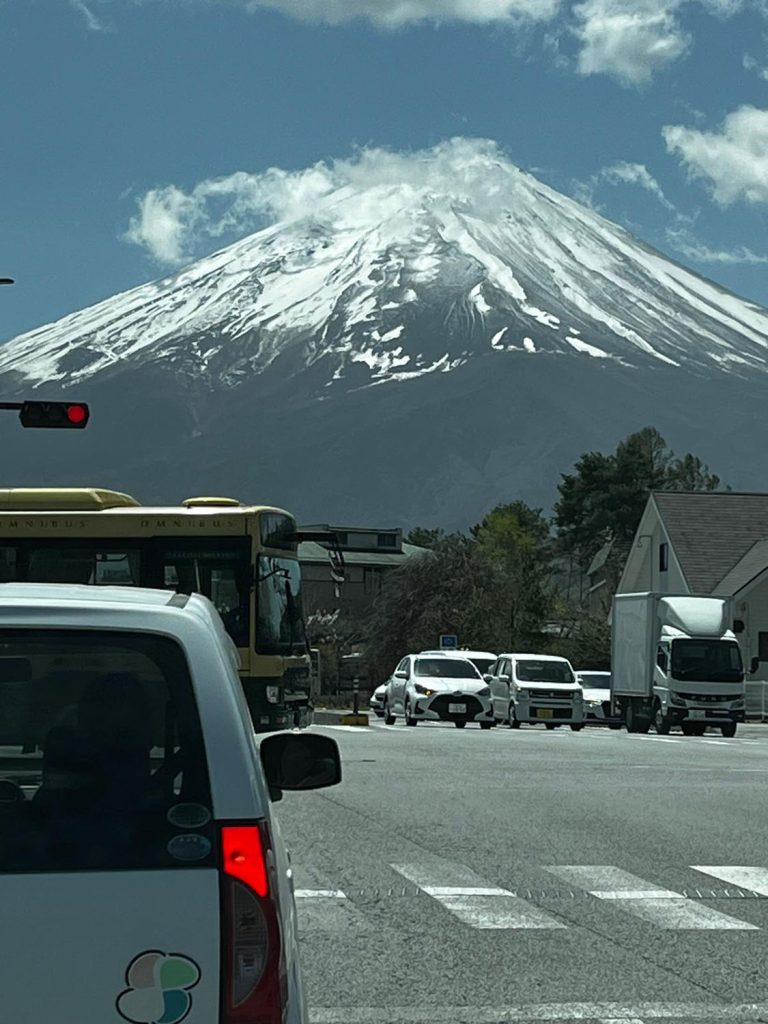
Sometimes the site itself gets shielded — Mount Fuji, screened off from a thousand people fighting for the same angle.
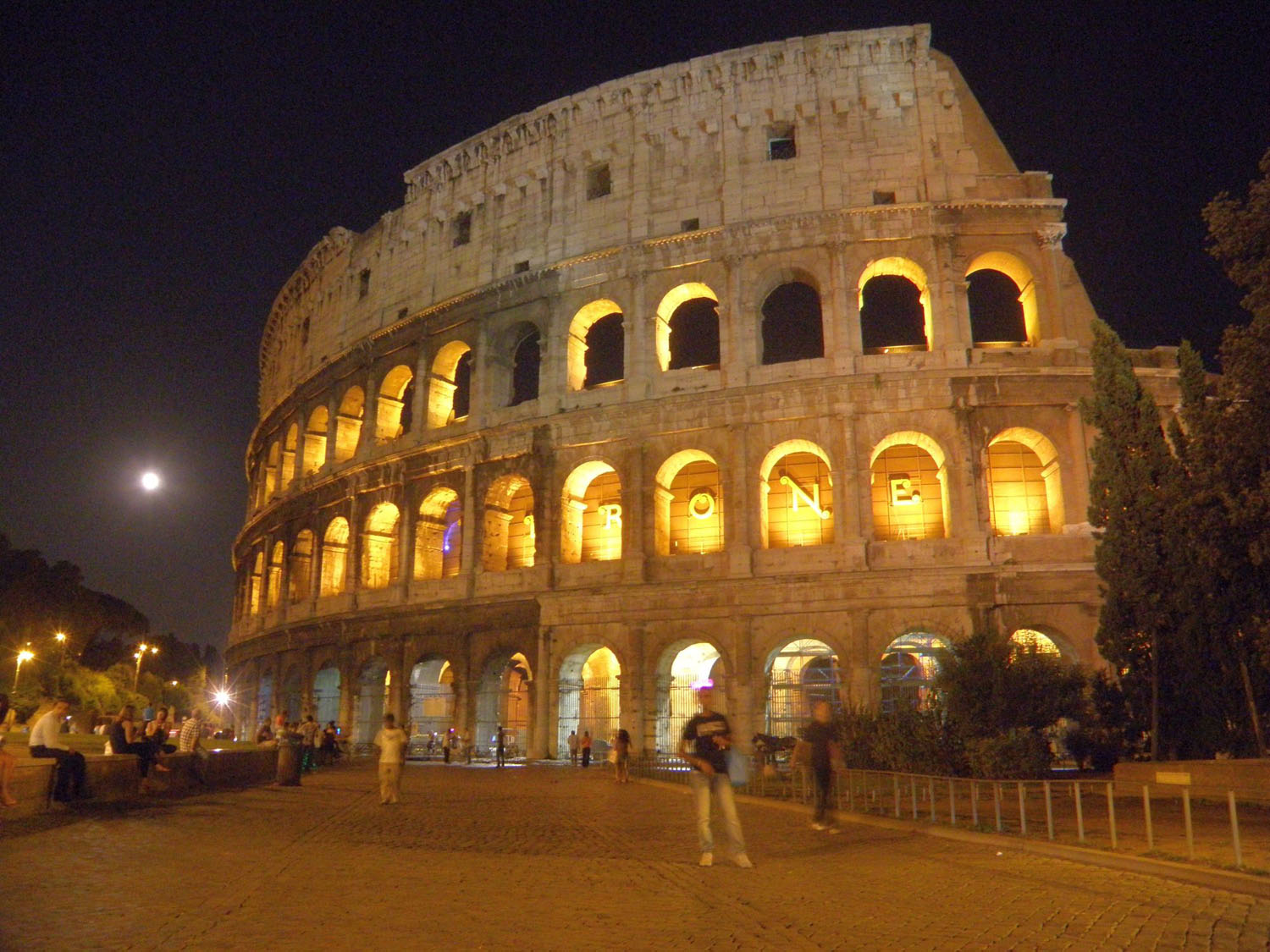
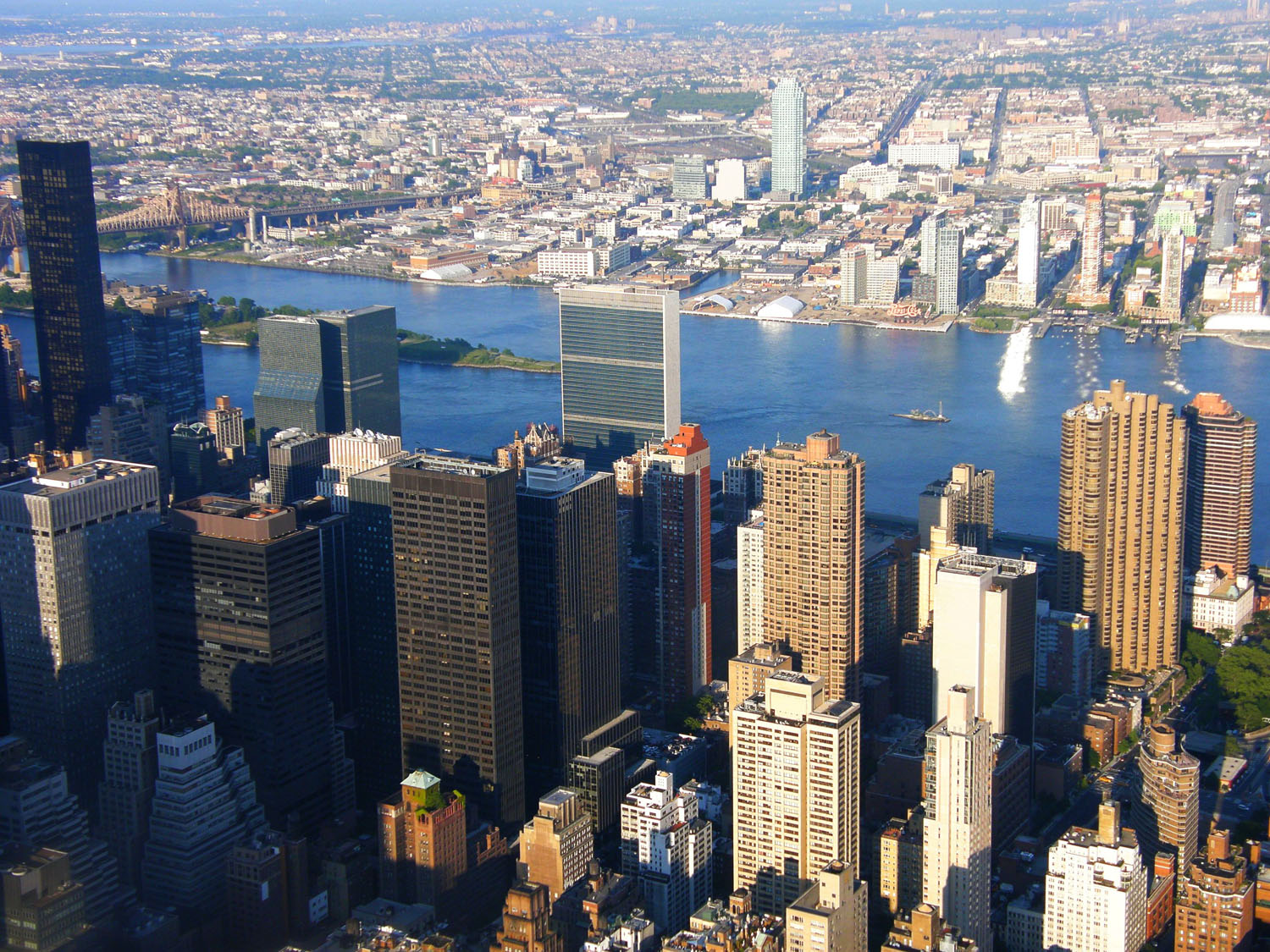
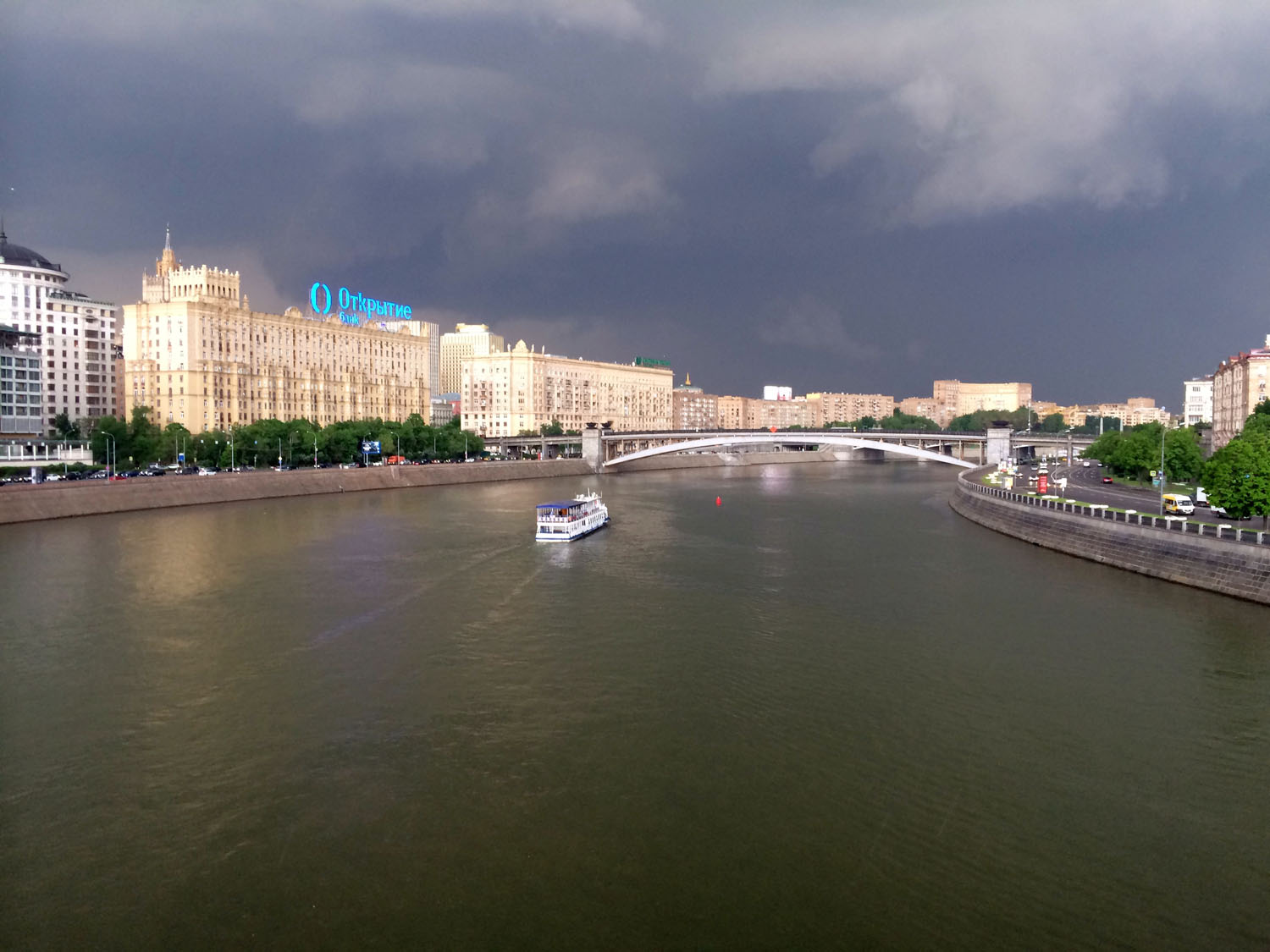
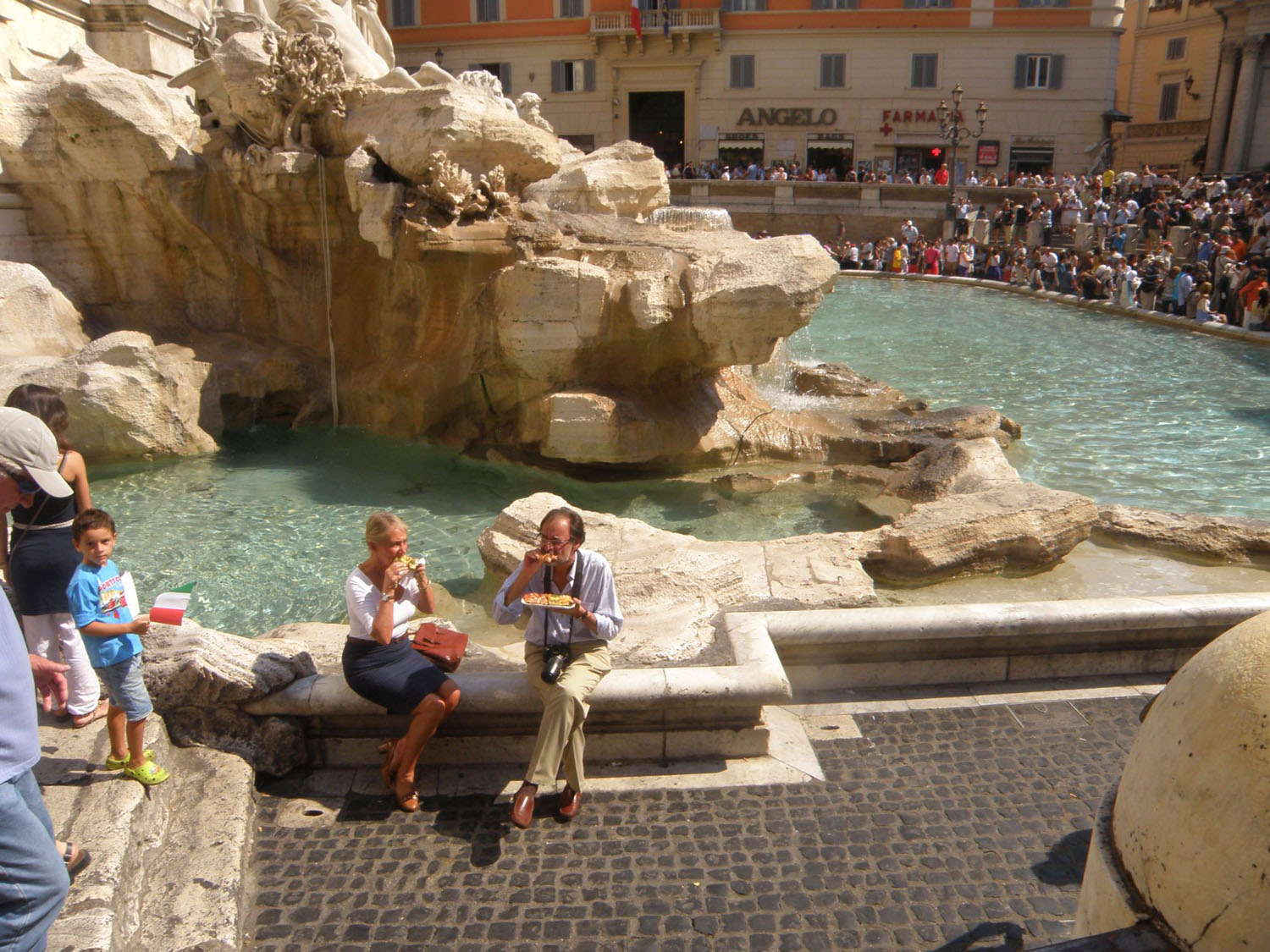
People used to scratch “Kilroy was here” into the wall of some emblematic Colosseum. Now they take a selfie. The form changed. The impulse didn’t. And that’s the real answer to the puzzle: why line up for a photo the internet already has a million perfect versions of? A postcard belongs to everyone and no one. It carries no trace of my light, my hour, my way of seeing. Out of a thousand strangers’ photos of the Colosseum, exactly two matter to me: my own shot — this light, this hour, this angle — and the one of me standing in front of it. That second photo is a claim: I’ve taken a small piece of this place’s history and made it mine, because I was here. I am one of the millions who were here. Not one of the billions who weren’t. Hic fui, ergo sum. I was here, therefore I am.
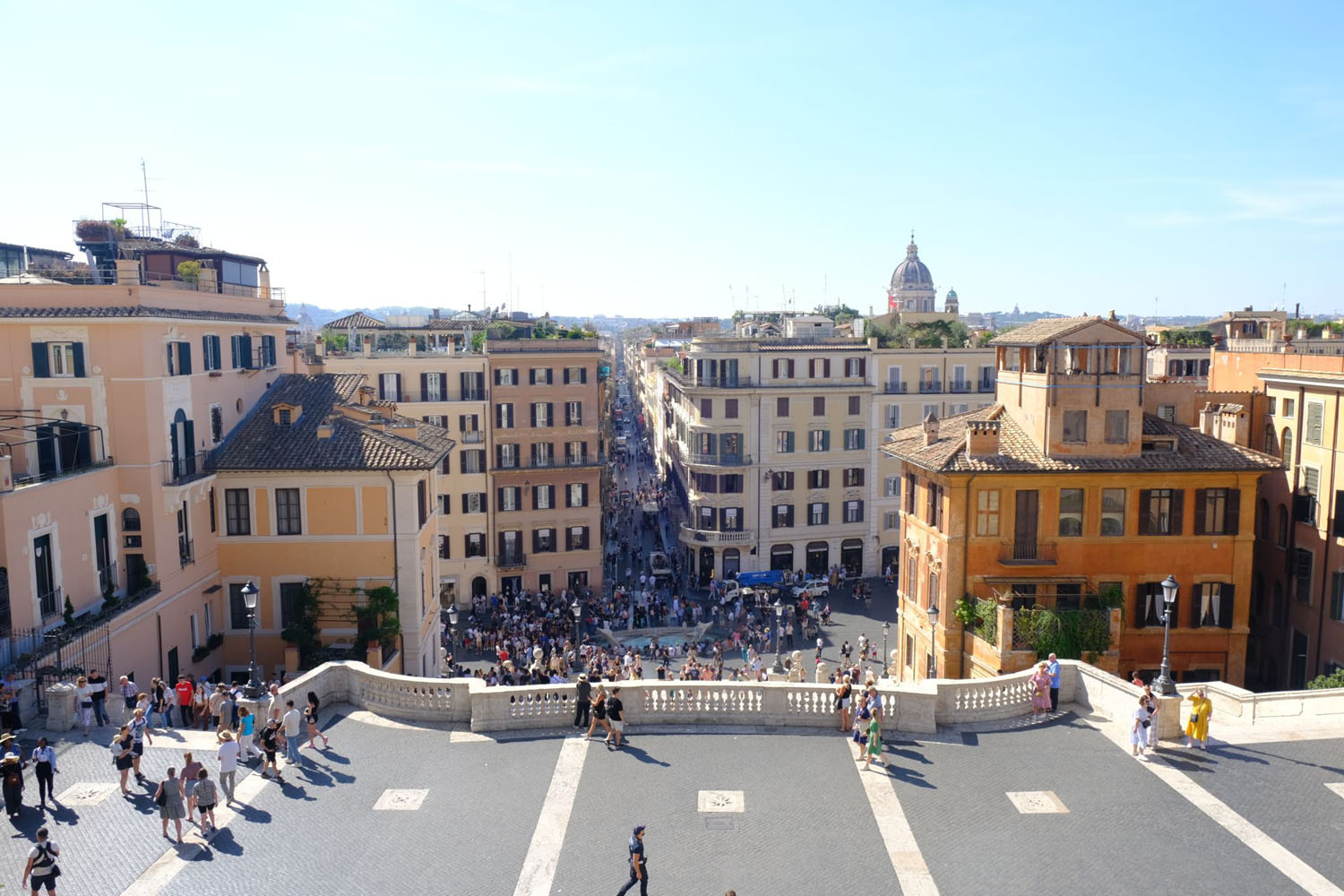
Domesticating Bronze
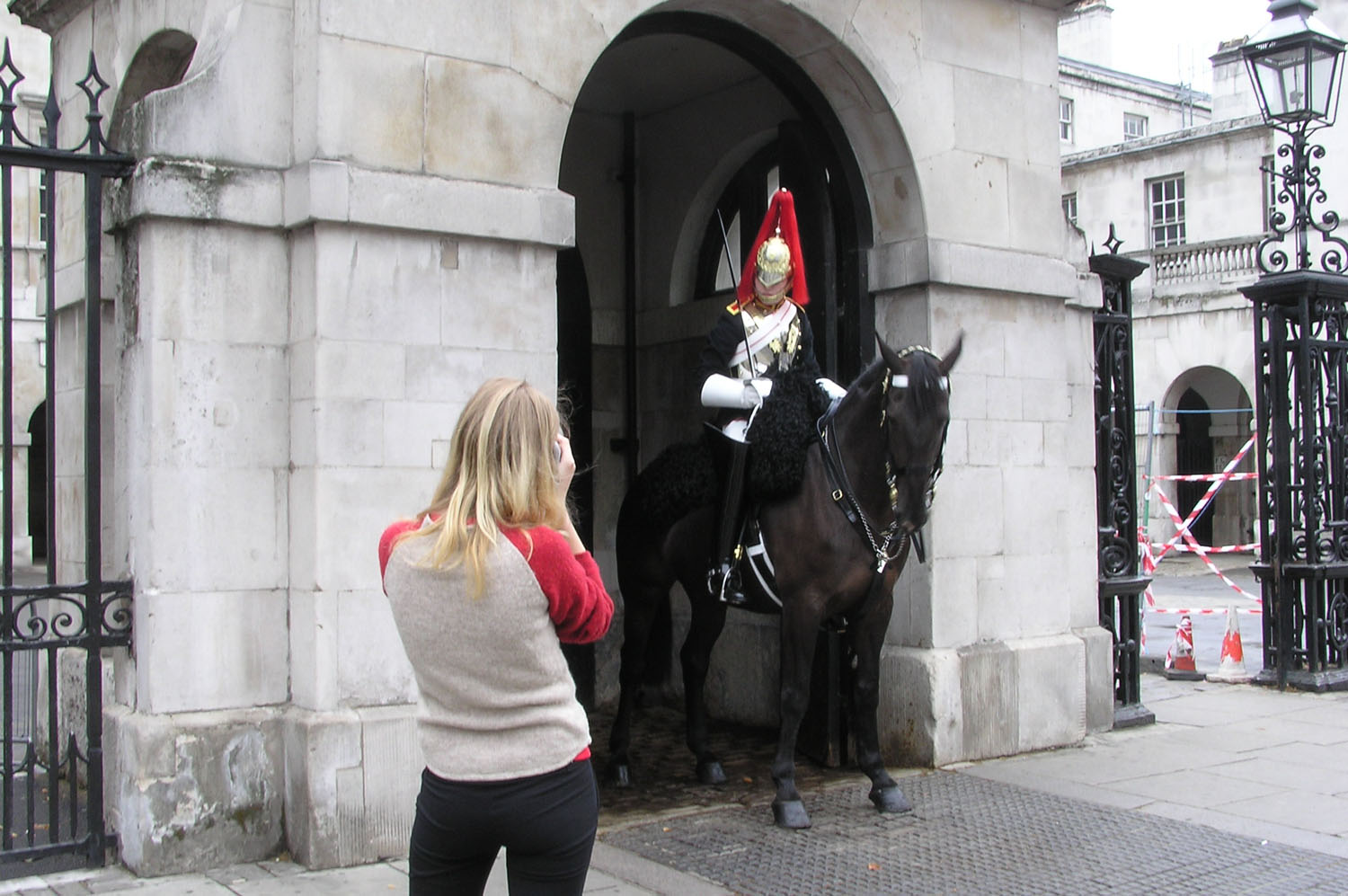
Sometimes the lens turns the other way. People hunt not for the landmark but for a person frozen like one. A mounted guardsman at a gate holds still because that’s the job — not because he’s bronze. A tourist photographs him anyway with the exact same distance and expectation, as if aiming at a monument: hold the pose, don’t move, no interaction, just capture.
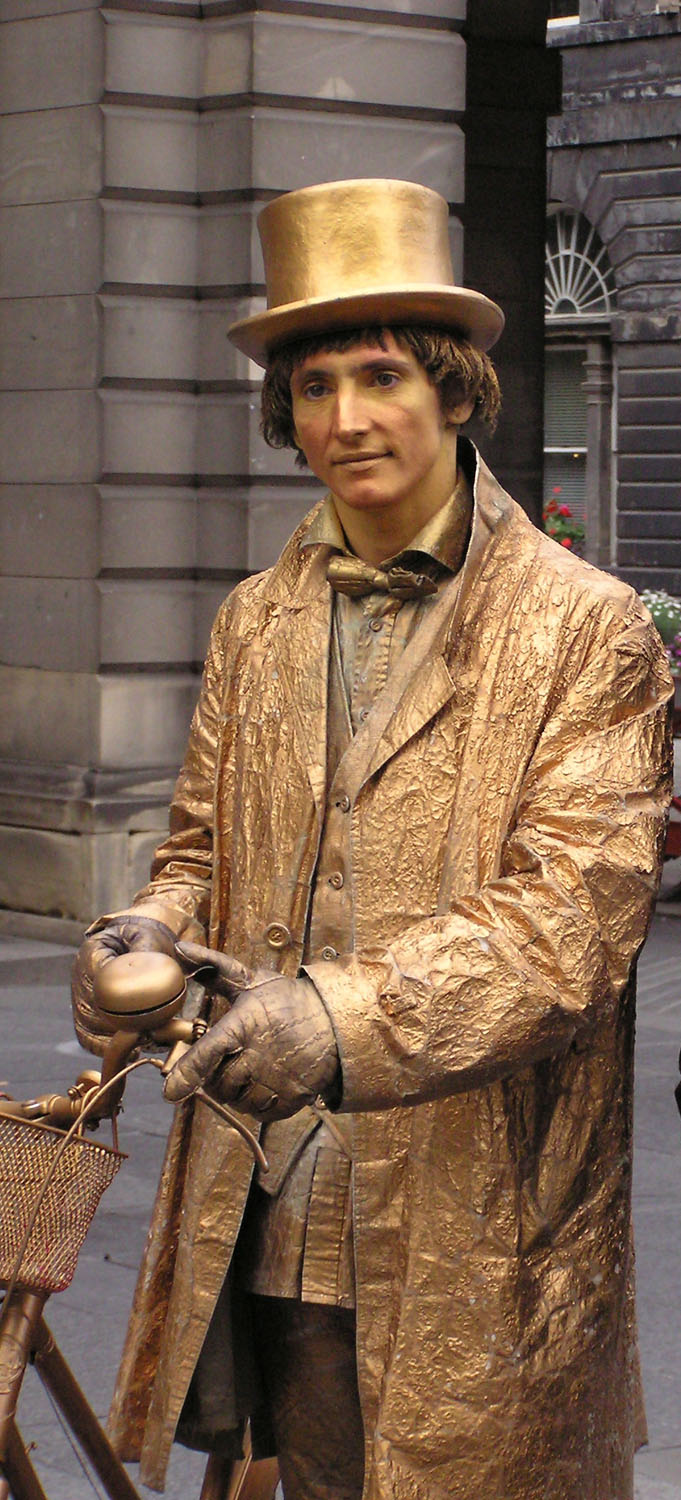
There’s a third version too, where the line disappears completely — a street performer painted gold or bronze, deliberately playing statue for the same kind of shot. Before anyone touches a monument, mimics it, or sits beside it, they first learn to see stillness itself as an occasion for a photo. It doesn’t matter whether that stillness is cast, held on duty, or performed.
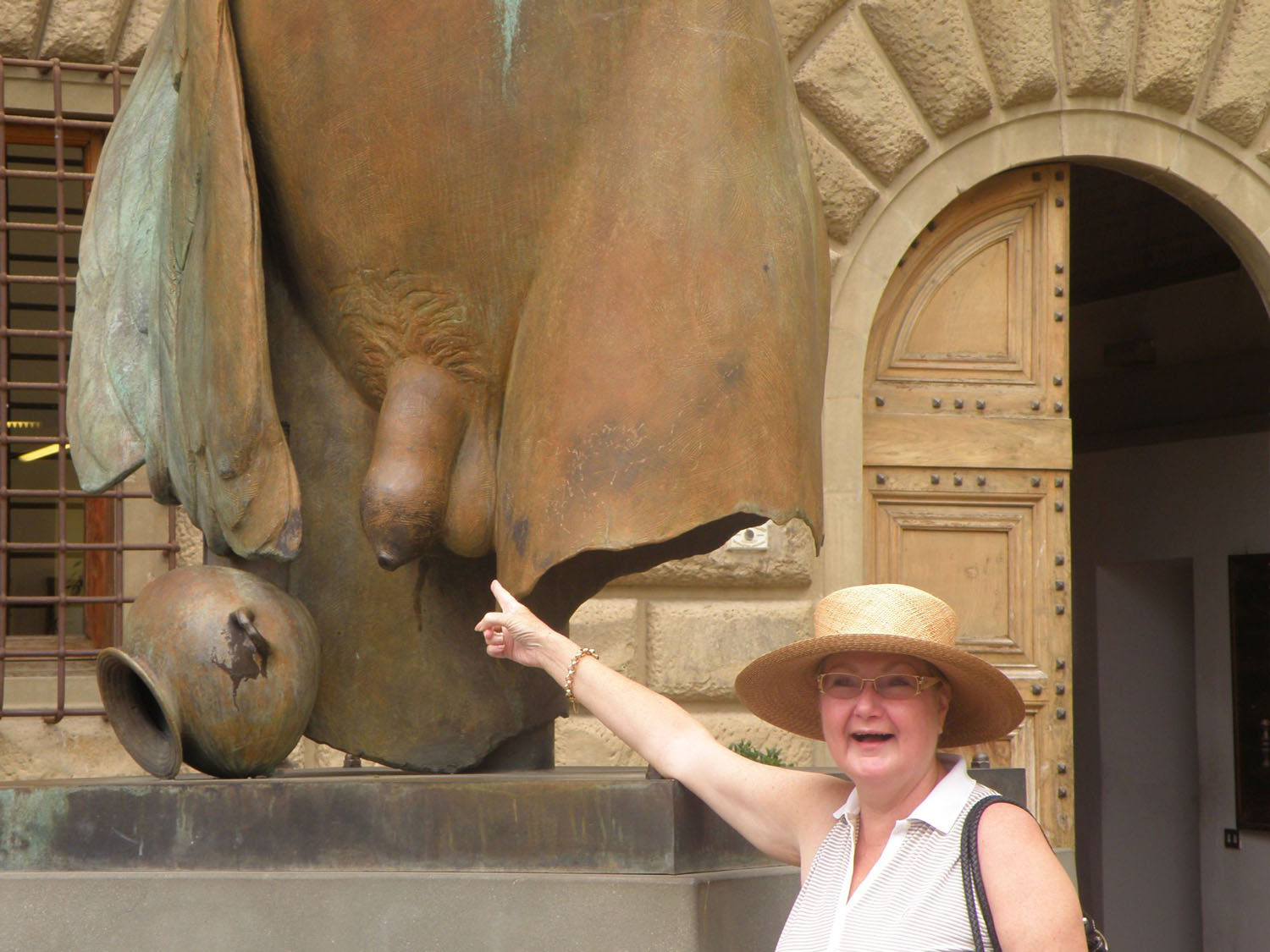
Once, a monument implied distance — reverence, quiet contemplation. That’s often not the case anymore. Mass photography tends to dissolve that sacred distance on contact. Bronze figures stop being monuments and become props: a poke at some bronze detail, an attempt to “tickle” a statue.
People stand beside a monument and copy its pose exactly — echoing a gesture, sitting down next to a sculpture as if striking up conversation, settling in beside a bronze figure to share its stance for a moment.
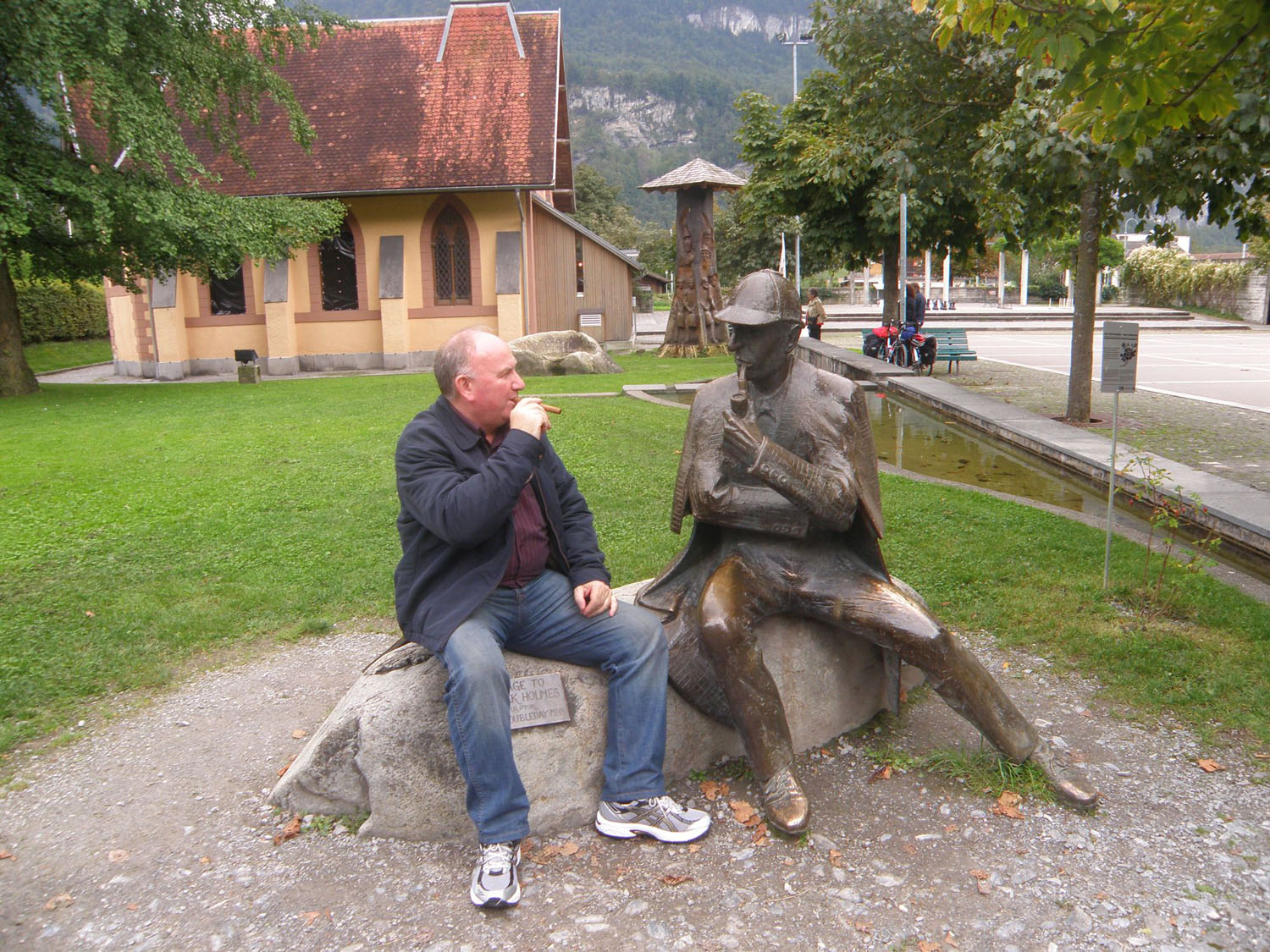
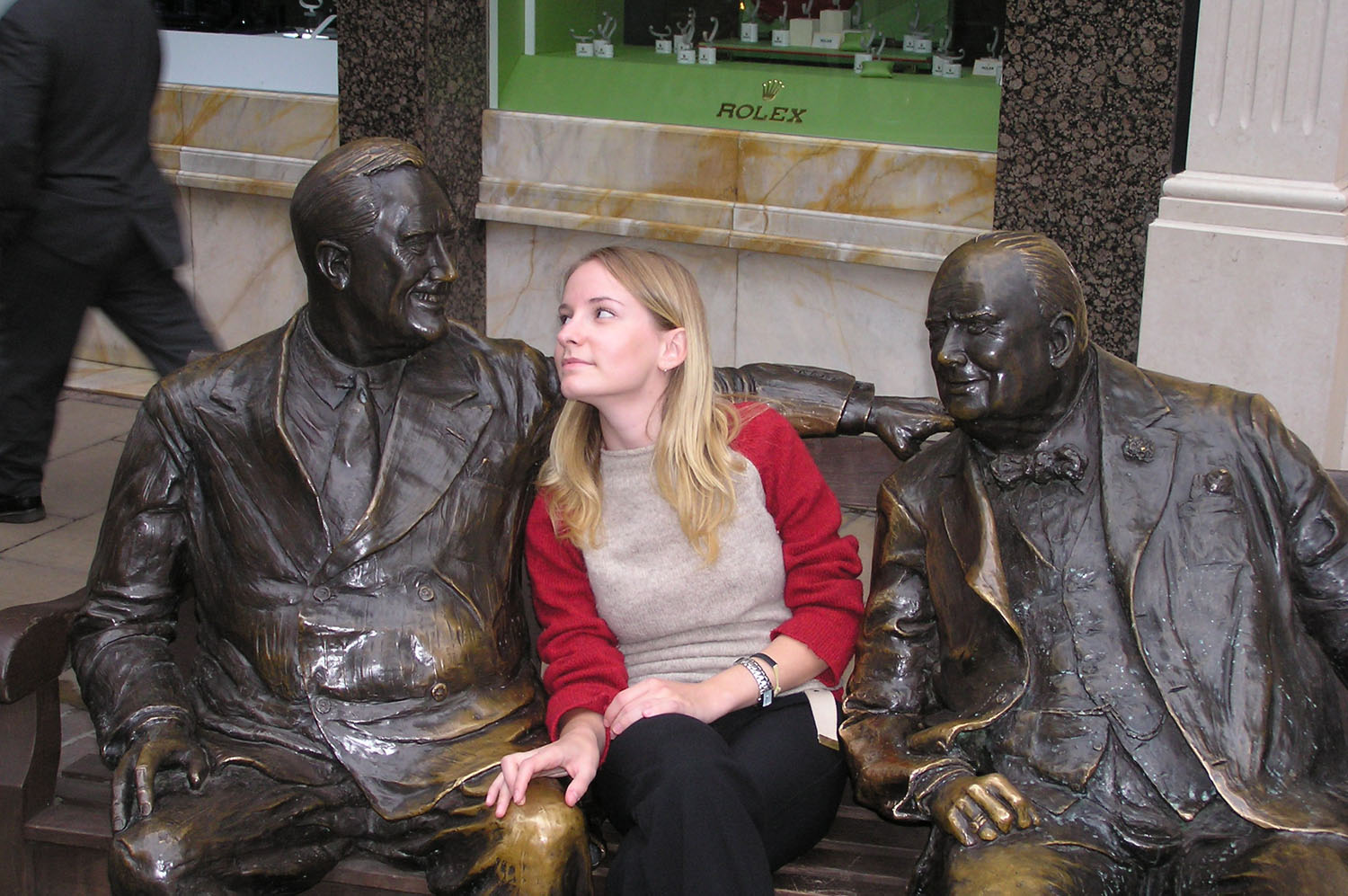
Play does the translating: the great, the fearsome, the official, all shrunk down to something pocket-sized and safe. The monument stops dominating the frame — it becomes just another participant in it.
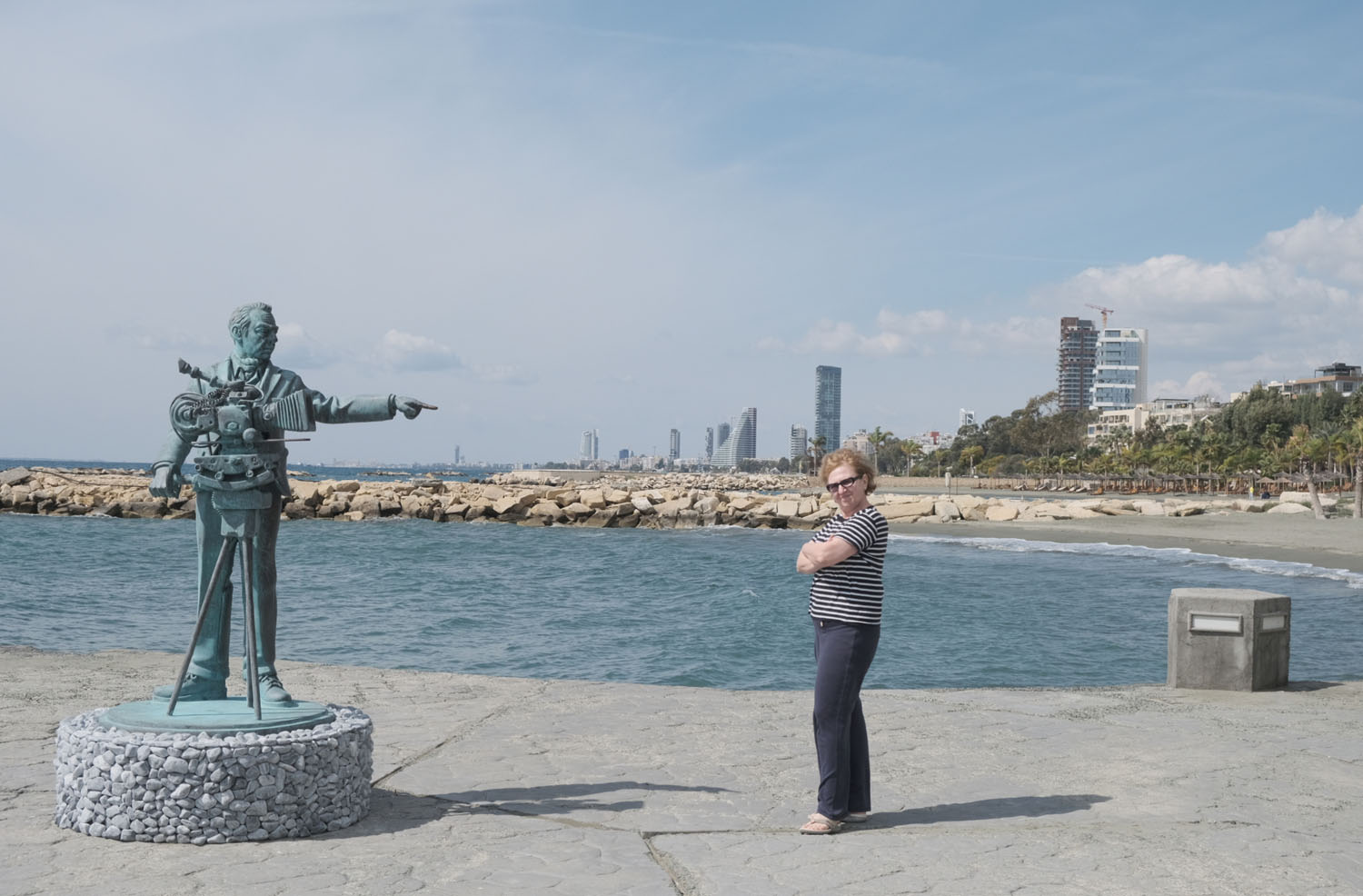
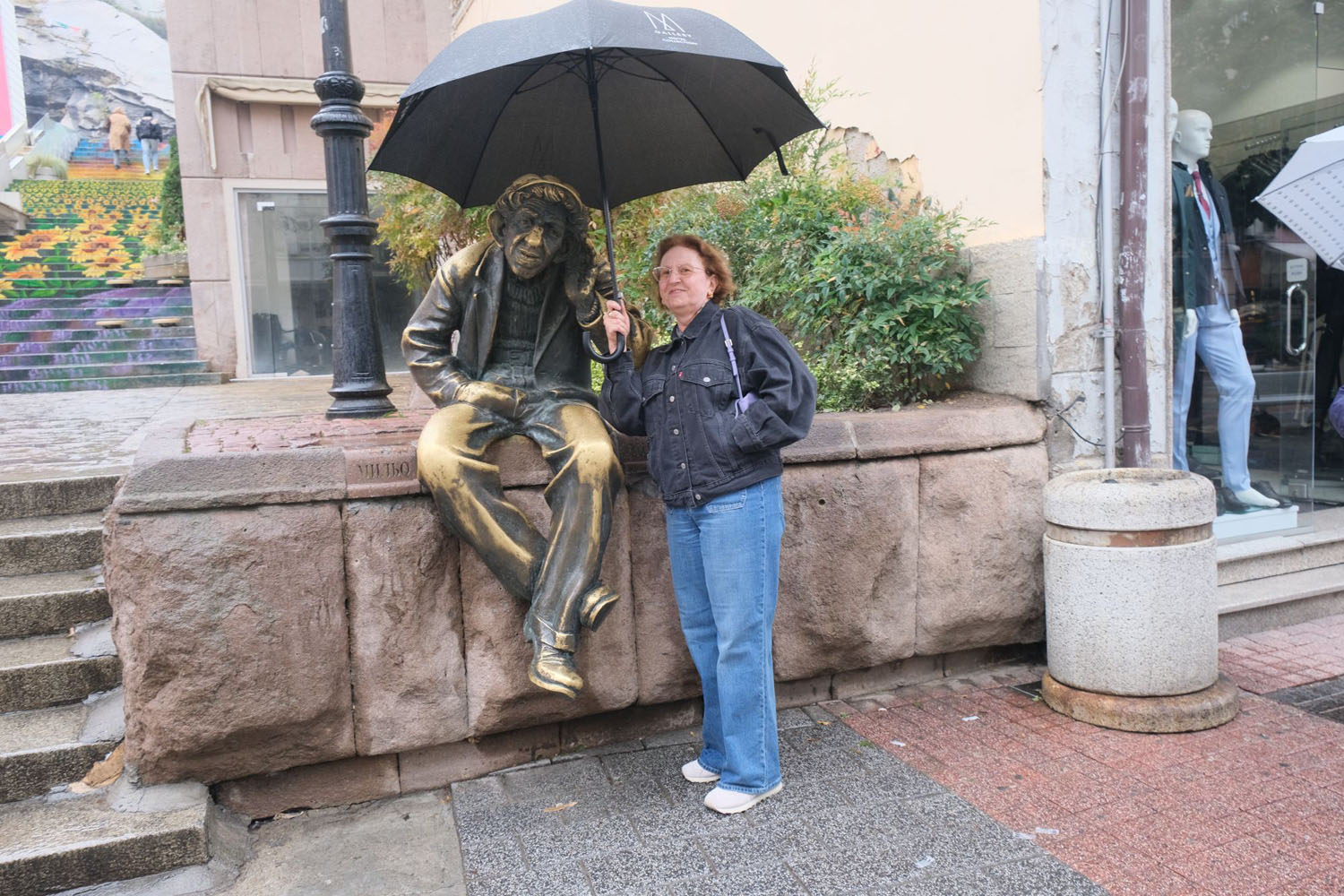
RIGHT: Fuji X-T30 . Fuji XF18-55mmF2.8-4 @18mm . F/5.6 . 1/60″ . ISO 640
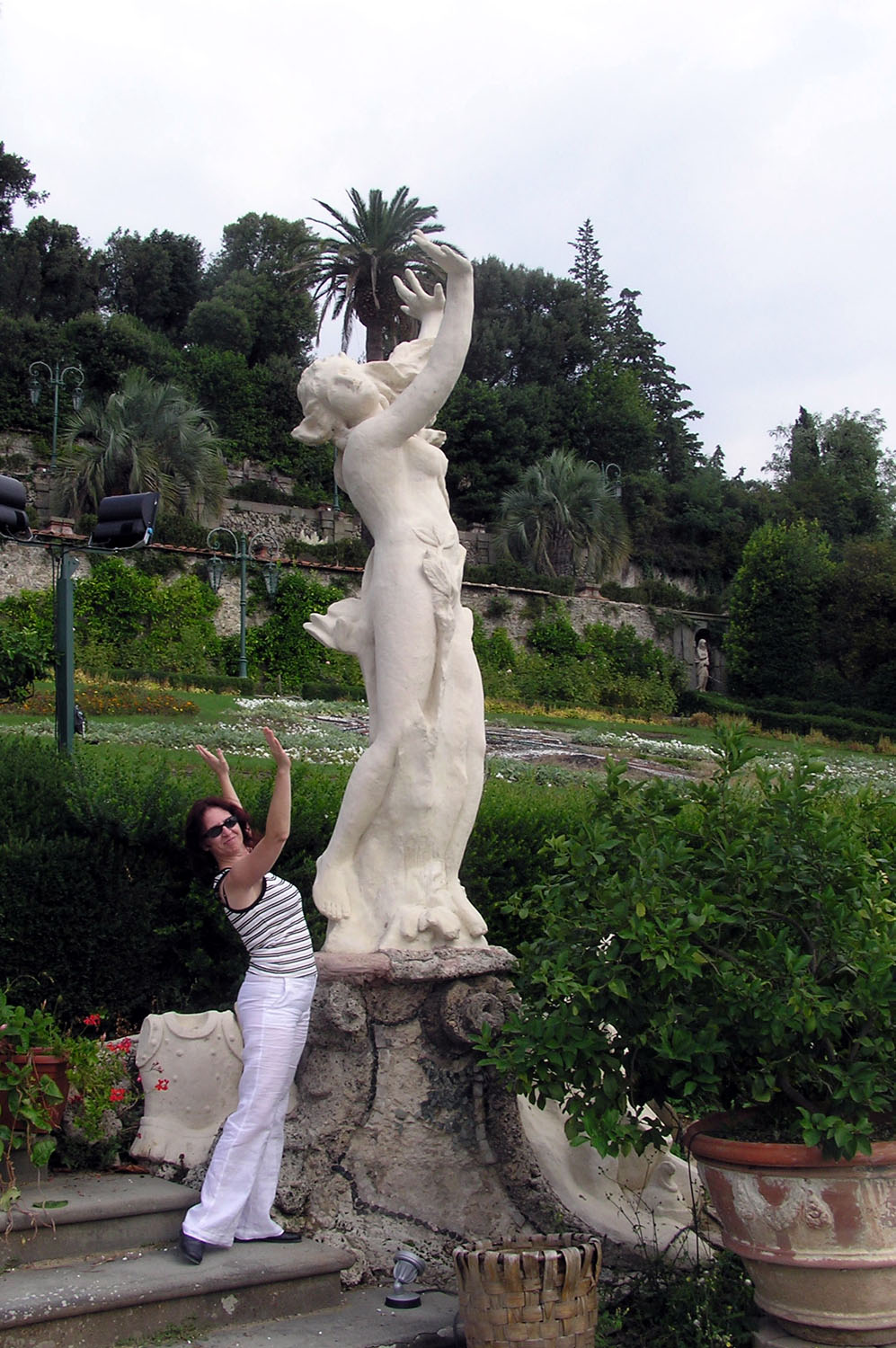
In a classical museum, art often sits behind glass, behind rope — literally behind bars. Contact simply isn’t possible there.
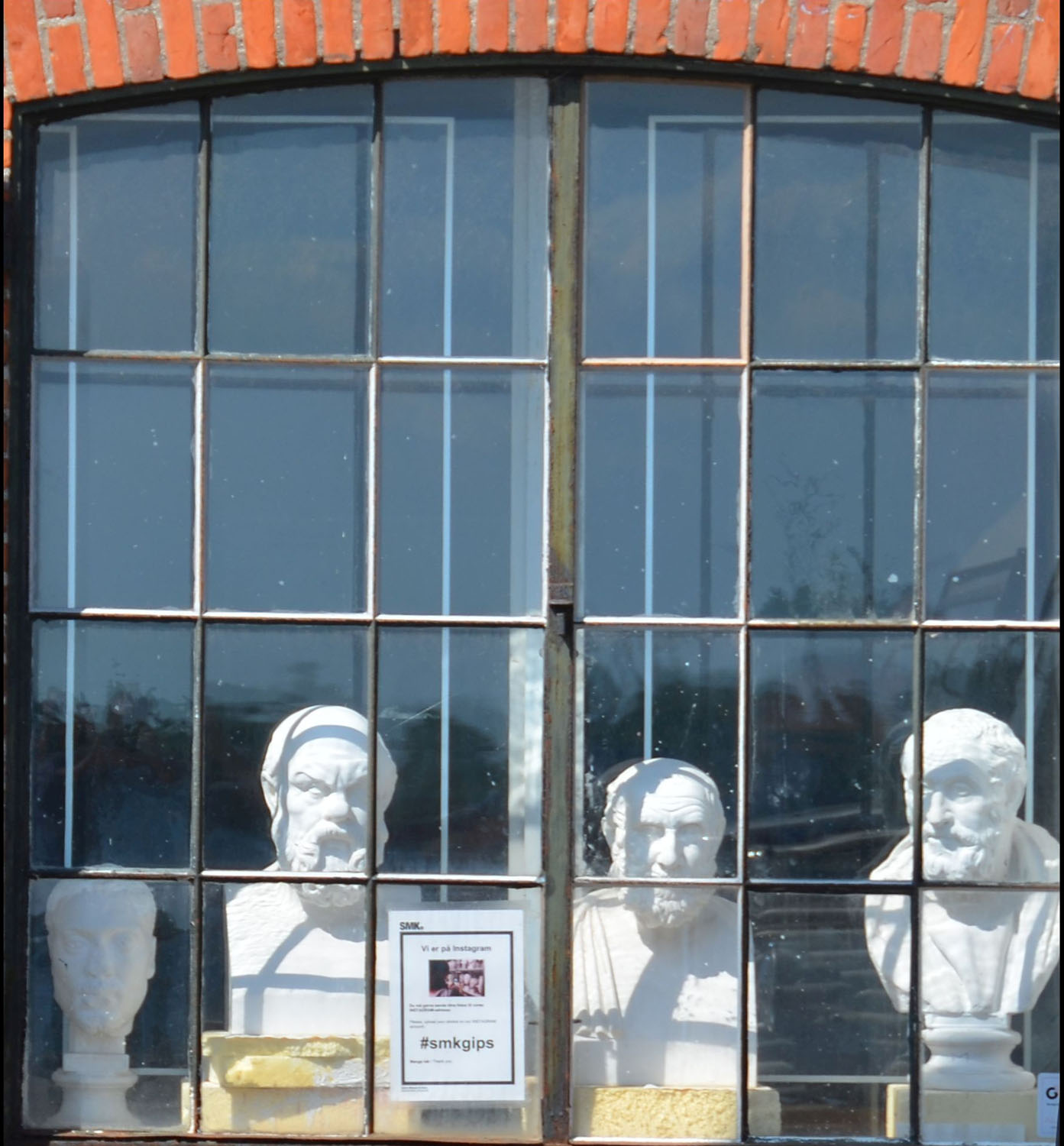
Sometimes the irony sharpens: a sheet taped to the very glass invites you to find the same busts on Instagram instead — a hashtag standing in for the touch the window won’t allow.
My Malevich
This impossible touch has a history. Museums used to solve the access problem differently. Copyists sat in the galleries for years, reproducing masterpieces by hand, so copies could travel where originals couldn’t. The originals themselves went on rare trips — worth crossing a city, a country, for.
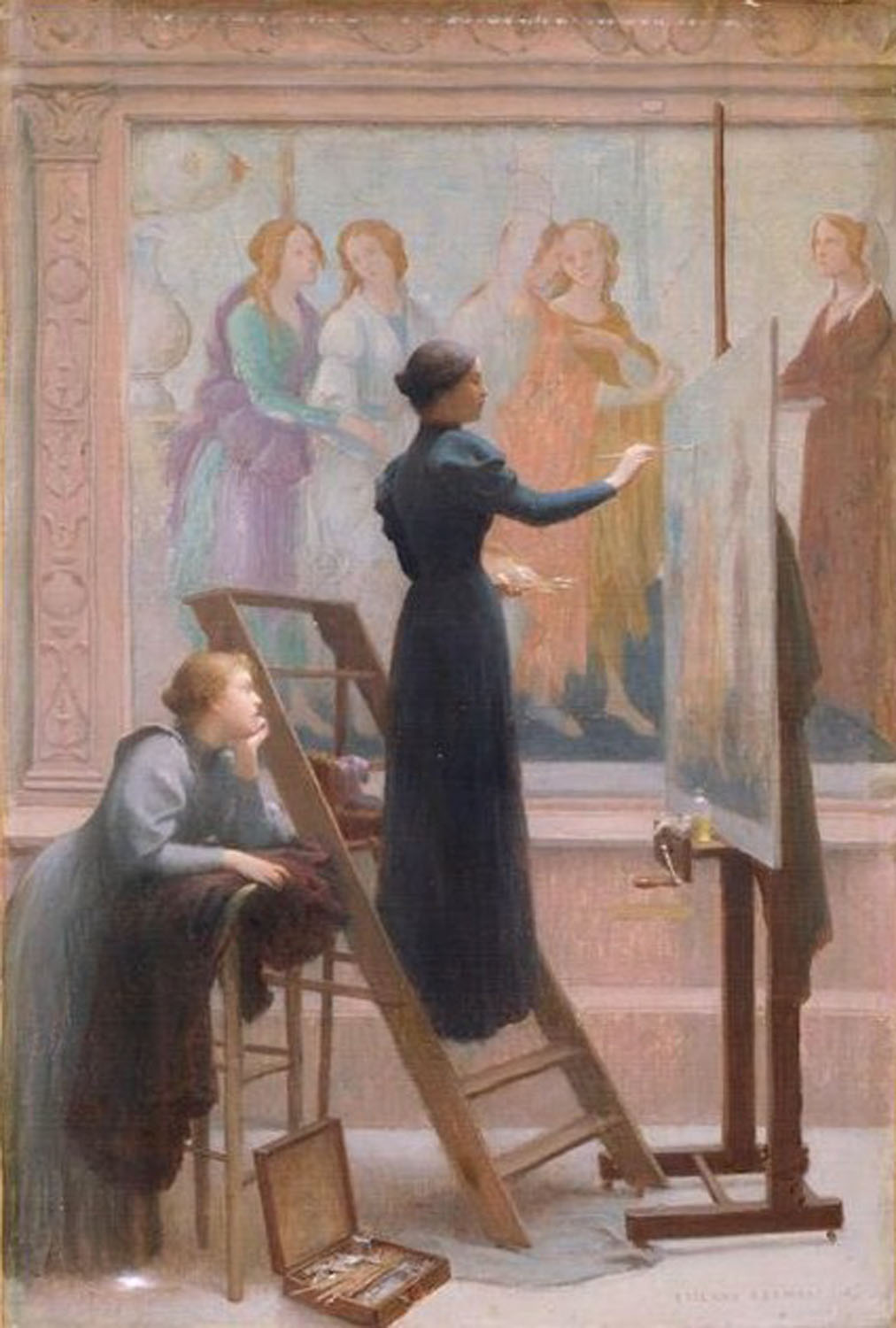
“I went to the exhibition, I saw the Malevich!” — a phrase built the same way as “I was here”: proof of personal presence beside something real. There was a time when cameras were simply banned in museum halls, a photograph treated almost like an assault on the original. Now anyone can walk in with a phone.
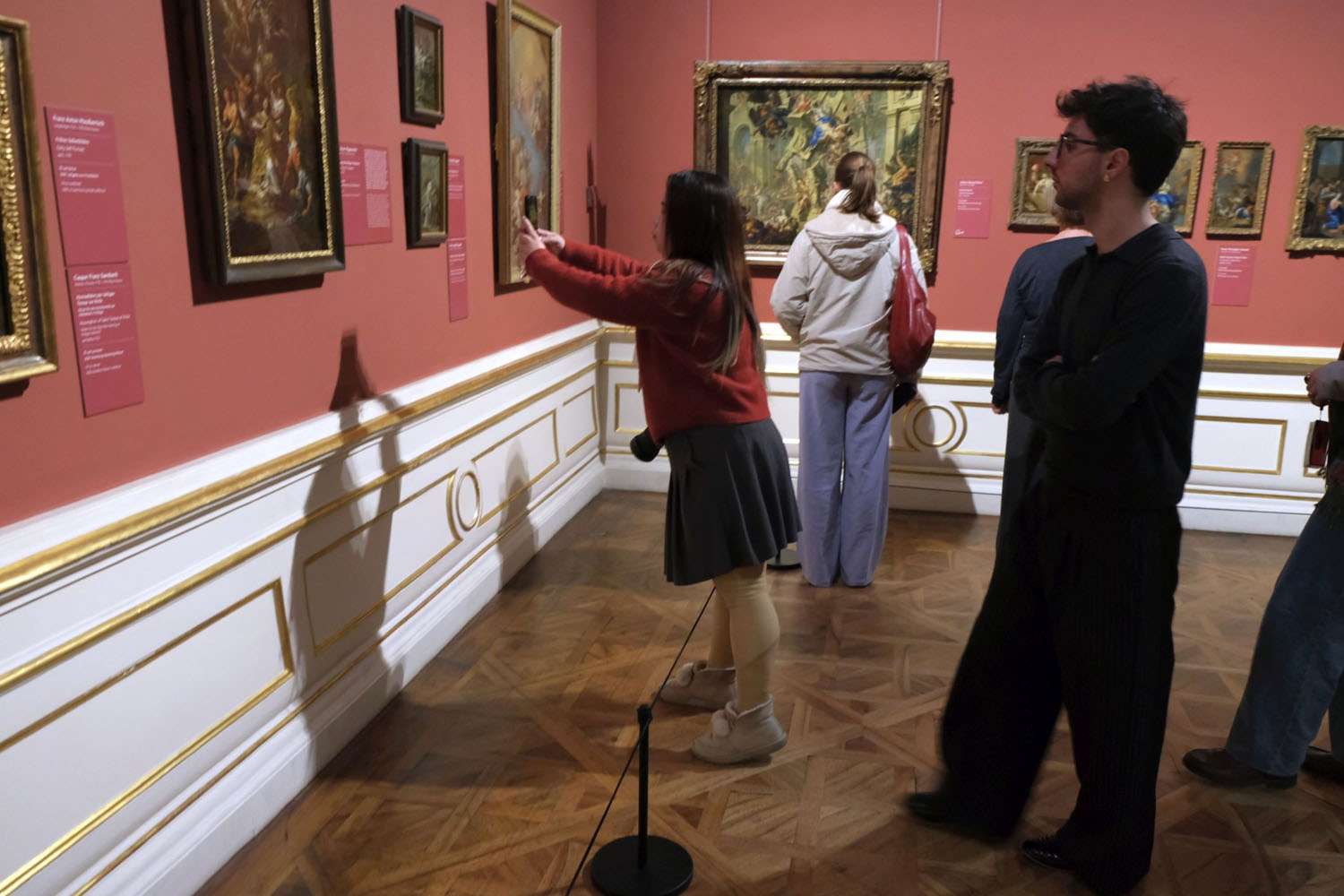
And though the Black Square is one search away in any resolution, a photo you took with your own hand isn’t a reproduction anymore. It’s my Malevich. My Kandinsky. Whatever painting, seen at this angle, in this light, on this day — mine.
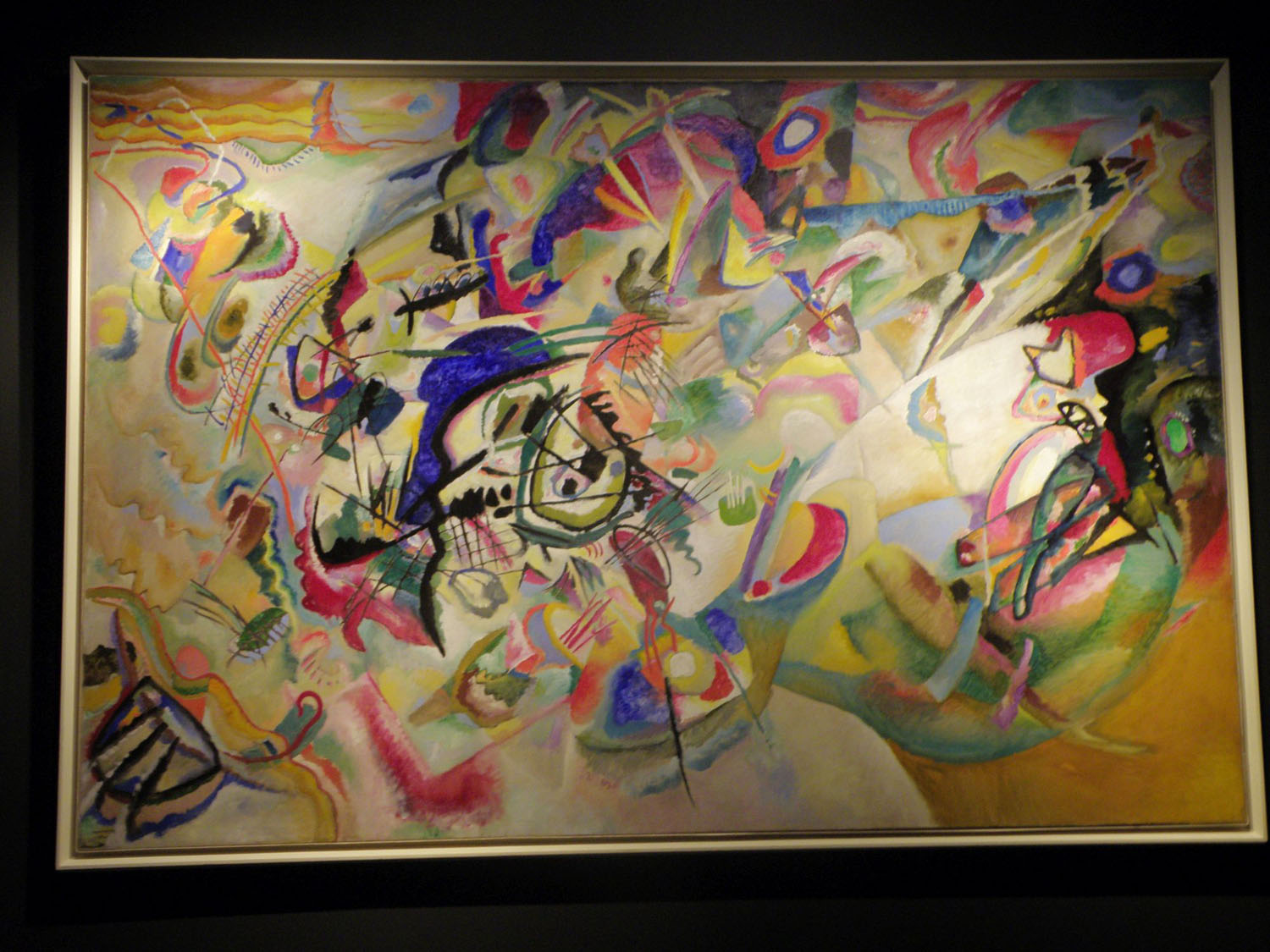
Turn the camera around, though, and the whole claim changes shape. Not long ago, looking at a painting could just be looking — no event, no audience, just a person standing there.
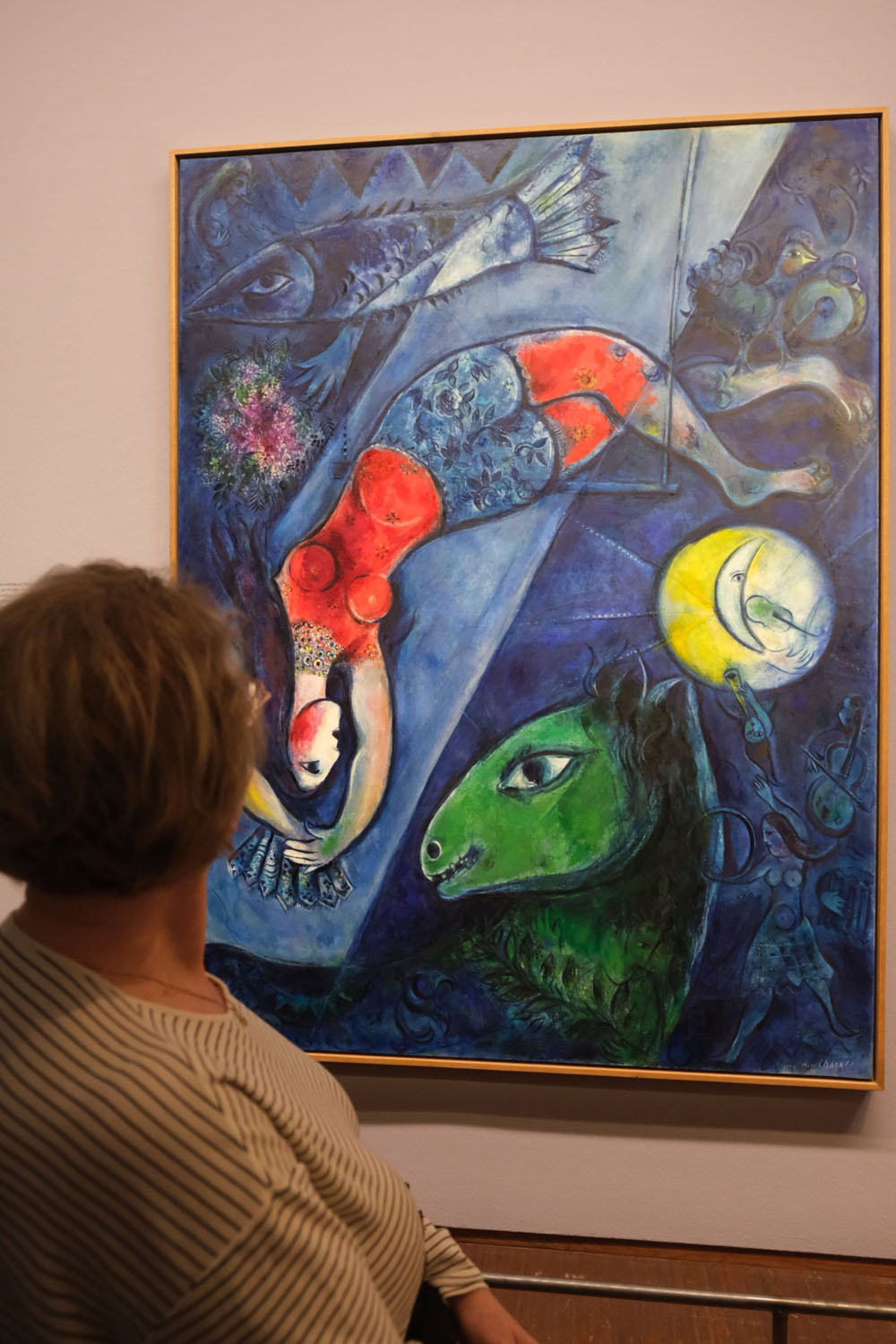
A selfie in front of a painting isn’t “the Malevich in the museum, and me” anymore. It’s “me in the museum, with the Malevich.” The weight shifts from the work to whoever’s looking at it. You can see this clearly in a museum hall: touching is forbidden, so the viewer turns their back and reaches for a phone instead. A young woman in a yellow dress raises her smartphone — a real camera hangs from her shoulder, unused, because what matters here isn’t quality. It’s speed — how fast the picture can leave her hands.
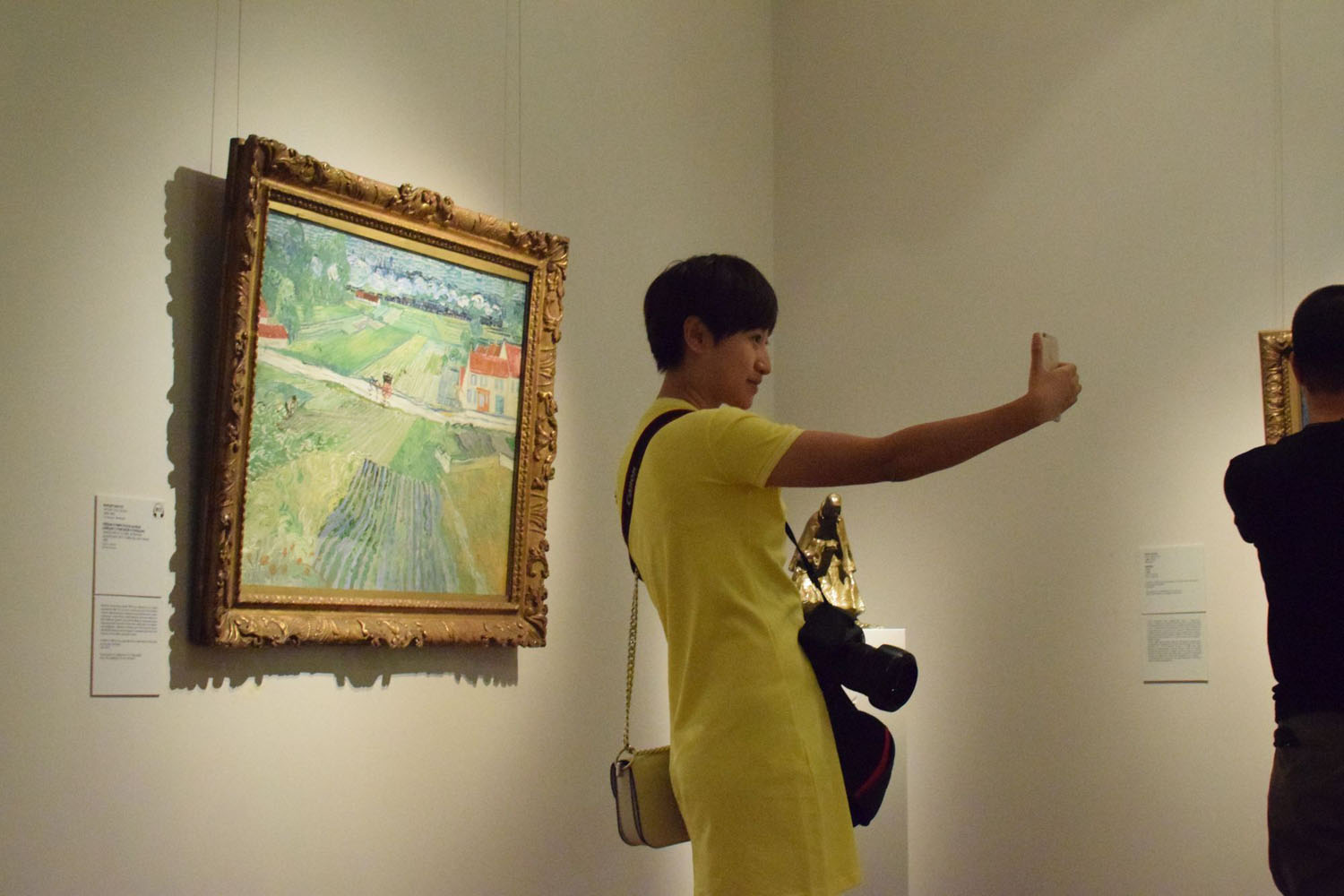
The famous landscape behind her, a Van Gogh this time, is just a backdrop now, a decoration over her shoulder. Photography used to say “I WAS at the museum” — a record of fact, distance kept intact. Now it says “I AM in the museum, right next to Van Gogh” — a performance happening this instant, a person placing themselves in the same frame as the masterpiece. The frame leaves a question hanging, not an answer: are we contemplating art, or consuming it? Folding history into our lives — or turning it into scenery for ourselves?
The Mnemonic Key
Some photographs testify — a record of a fact, where the moment or the place carries the weight. Some build a family chronicle, held together by personal ties. But the important category is the palimpsest photograph: one that doesn’t fade with time, it accumulates.
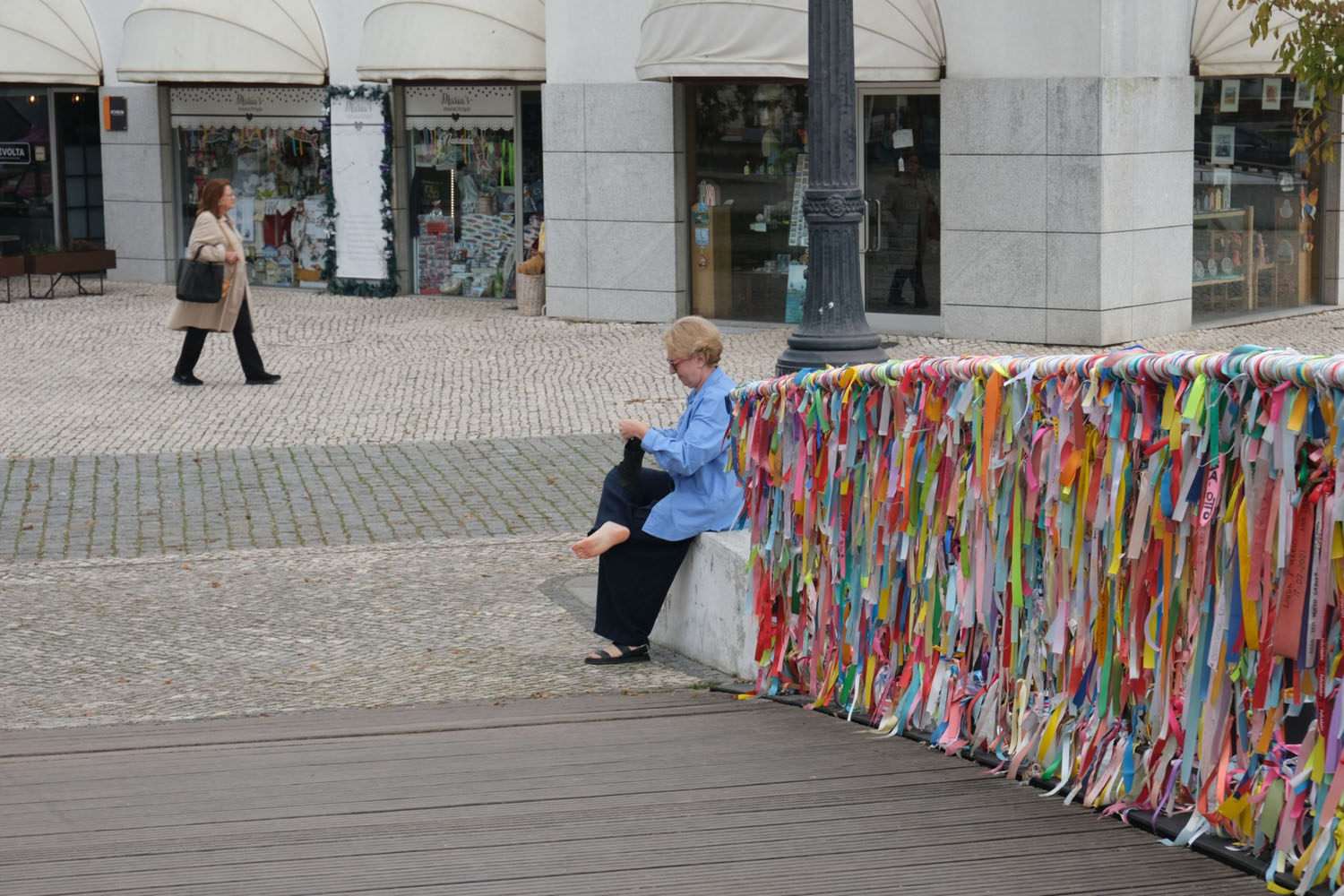
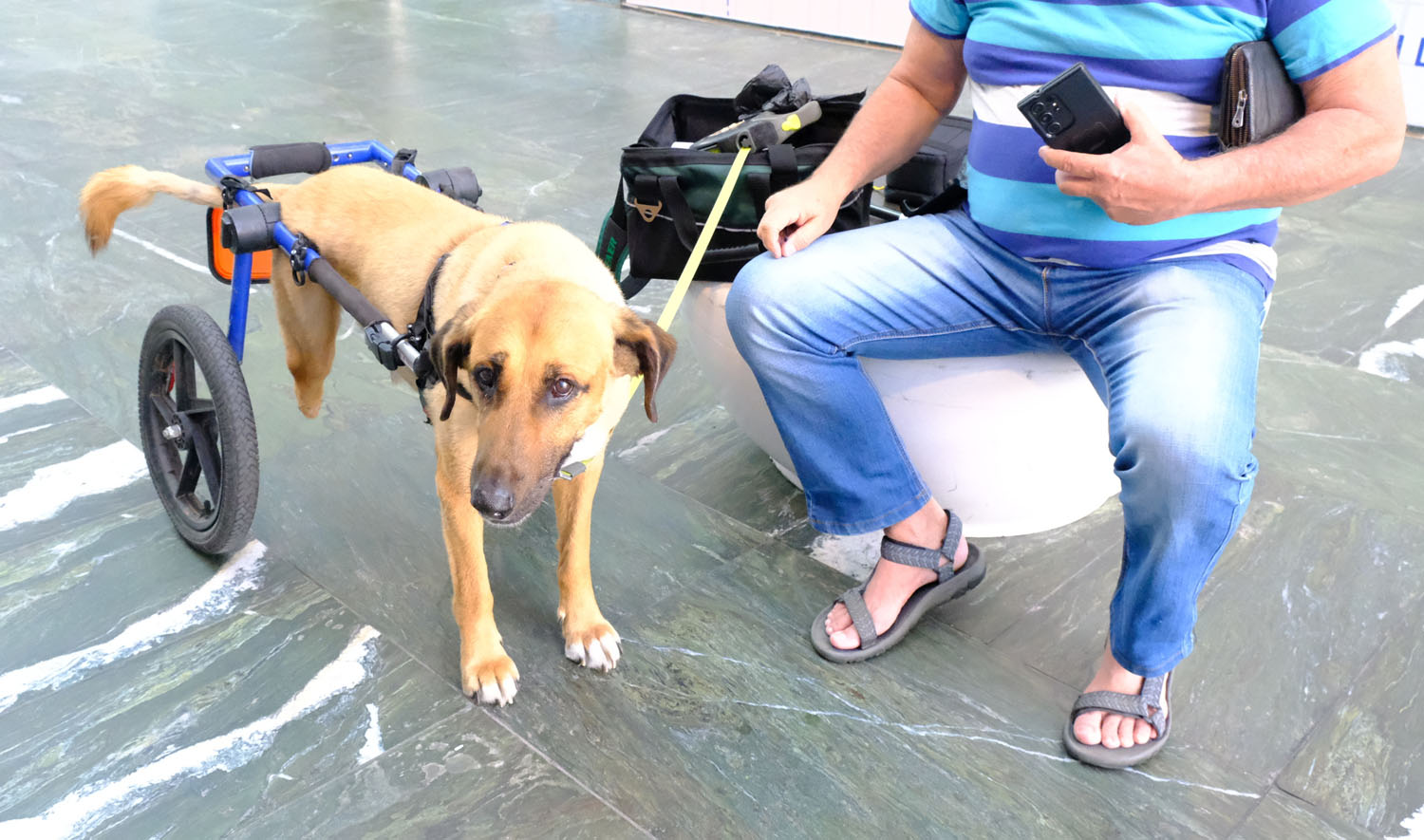
Even a throwaway frame — lunch, a messy desk — can become, five or ten years on, a powerful key to nostalgia. If the author, one day, slows down enough to choose the one thing that matters instead of everything.
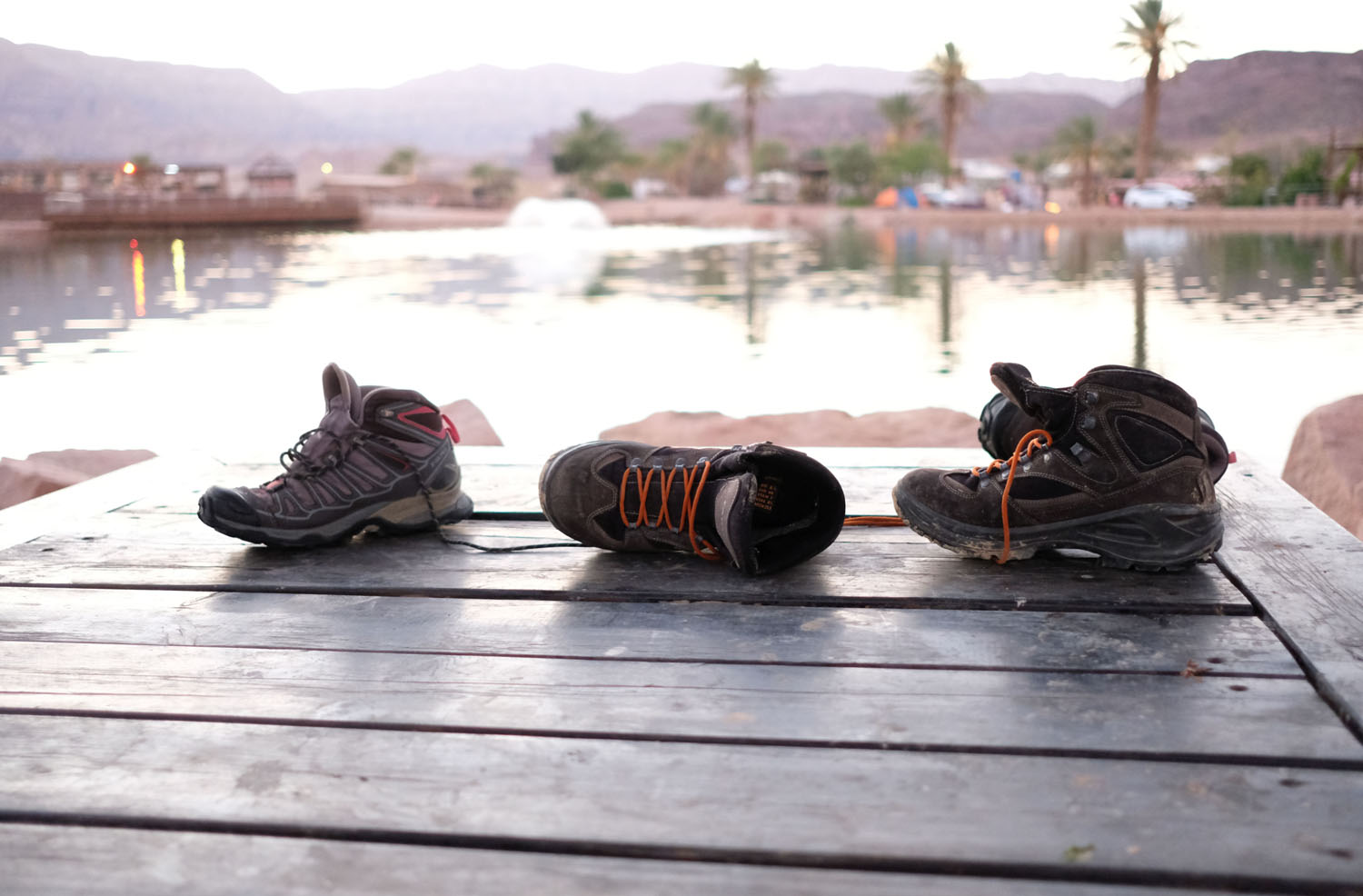
Memory isn’t a videotape you rewind. It’s reconstructive — the brain rebuilds the scene every time, from scratch. That’s why a photograph doesn’t function like a hard drive. It works like a cue for the brain, a mnemonic key: a small, encoded signal that sends you digging for what no file can hold — a smell, a sound, the temperature of the air. None of it was ever on the card.
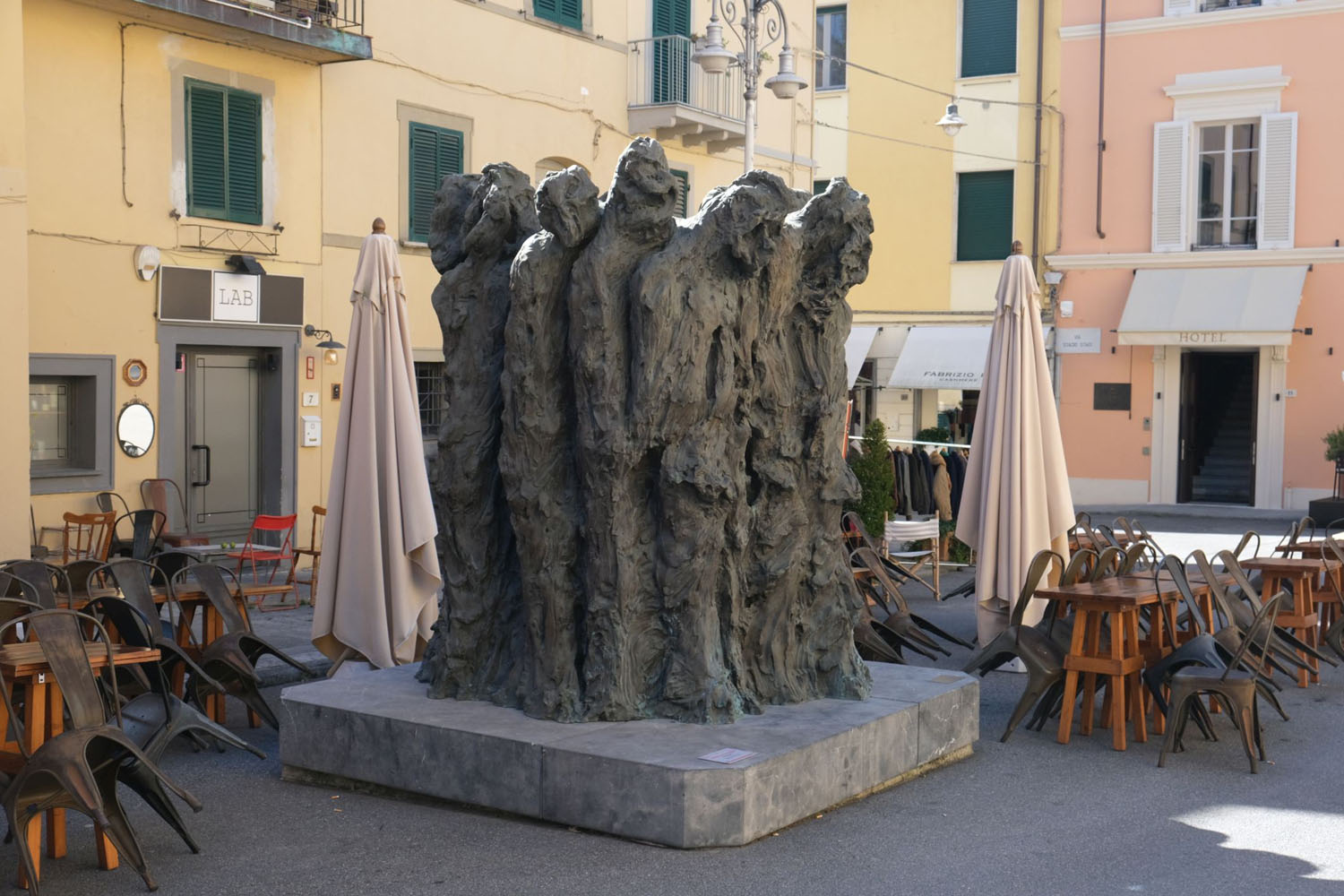
The grand facade fades first. A stray, everyday detail lasts longer — raindrops on a windowsill, something left on a table, light hitting a wall at the wrong hour, the quiet absurdity of a lifeless bronze crowd penned in by stacked, empty café chairs. Years later, that misplaced little thing brings the whole scene back at once: the city, who was sitting there, what you were talking about.
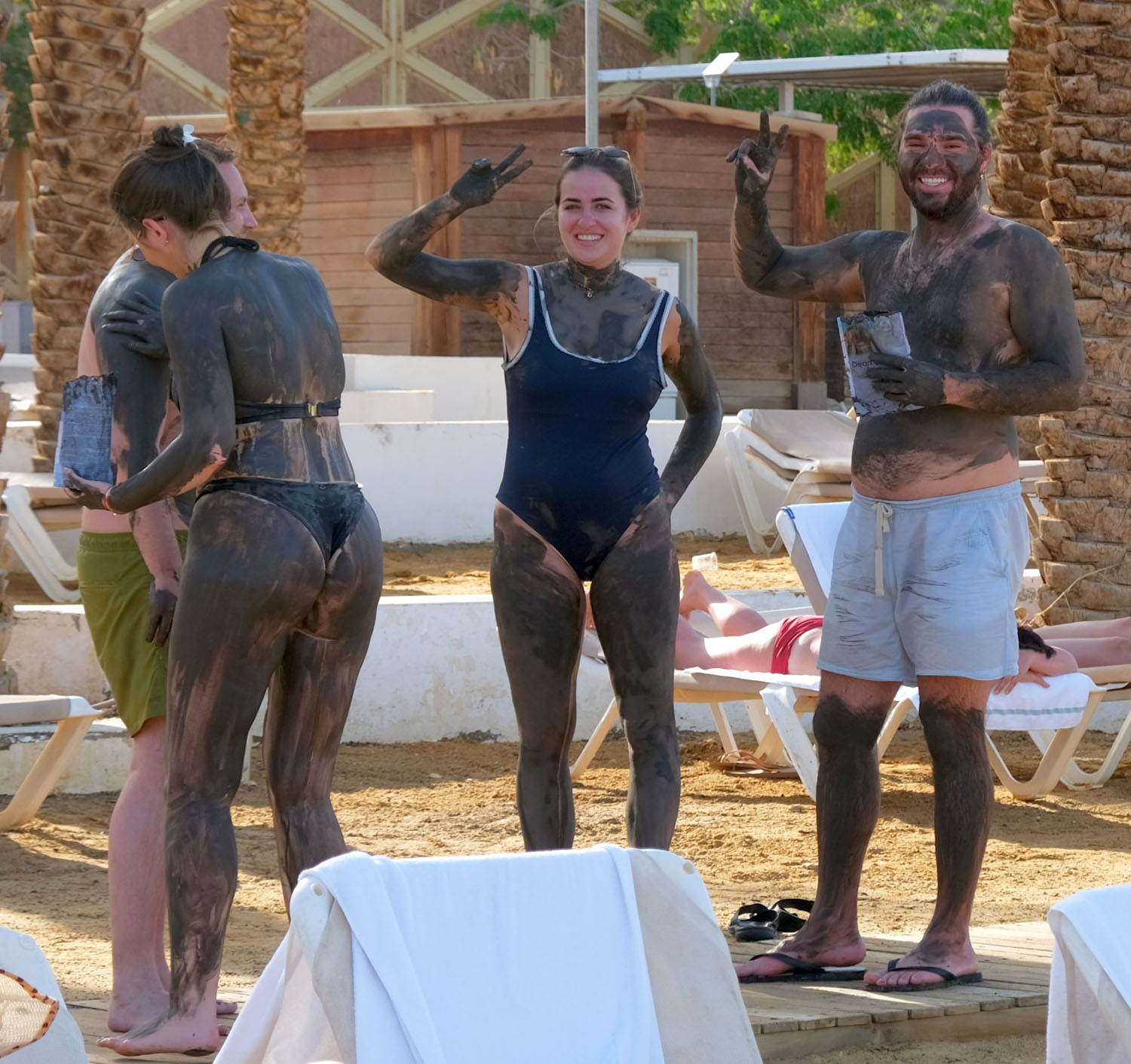
Against the endless scroll, some images ask for something different — slow-reading photographs, built to resist the two-second swipe. Riddle-images. They want your imagination, not your thumb.
Visual rhymes belong here too — moments when the camera finds a resemblance that has no business existing. A mysterious avenue in Porto, a few years back: plane trees with swollen, skirt-like trunks, and nobody quite sure why. Design, or disease?
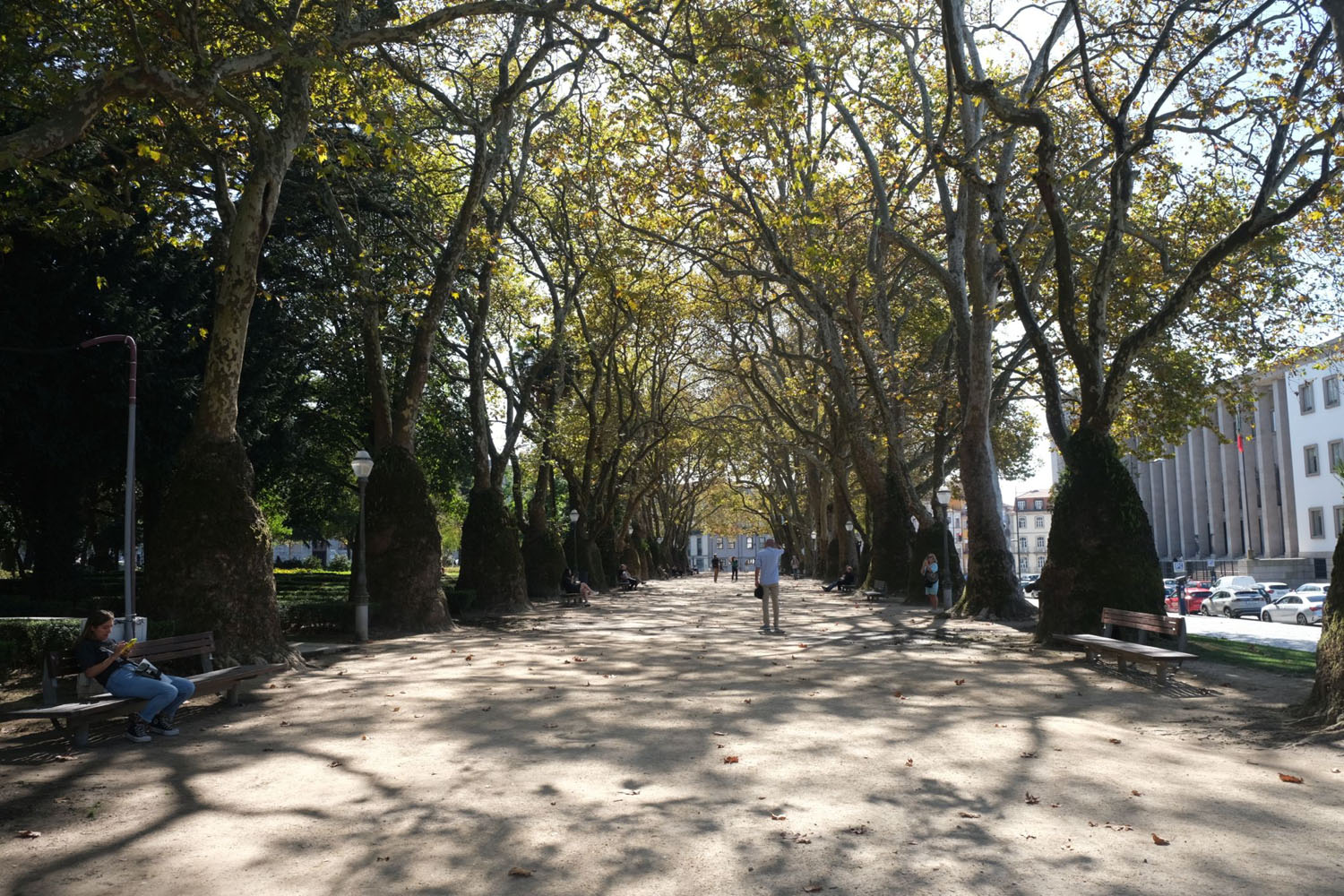
The answer wasn’t where anyone looked for it. Similar “barrels” turned up on the streets of Israel, on trees roughly the same age.
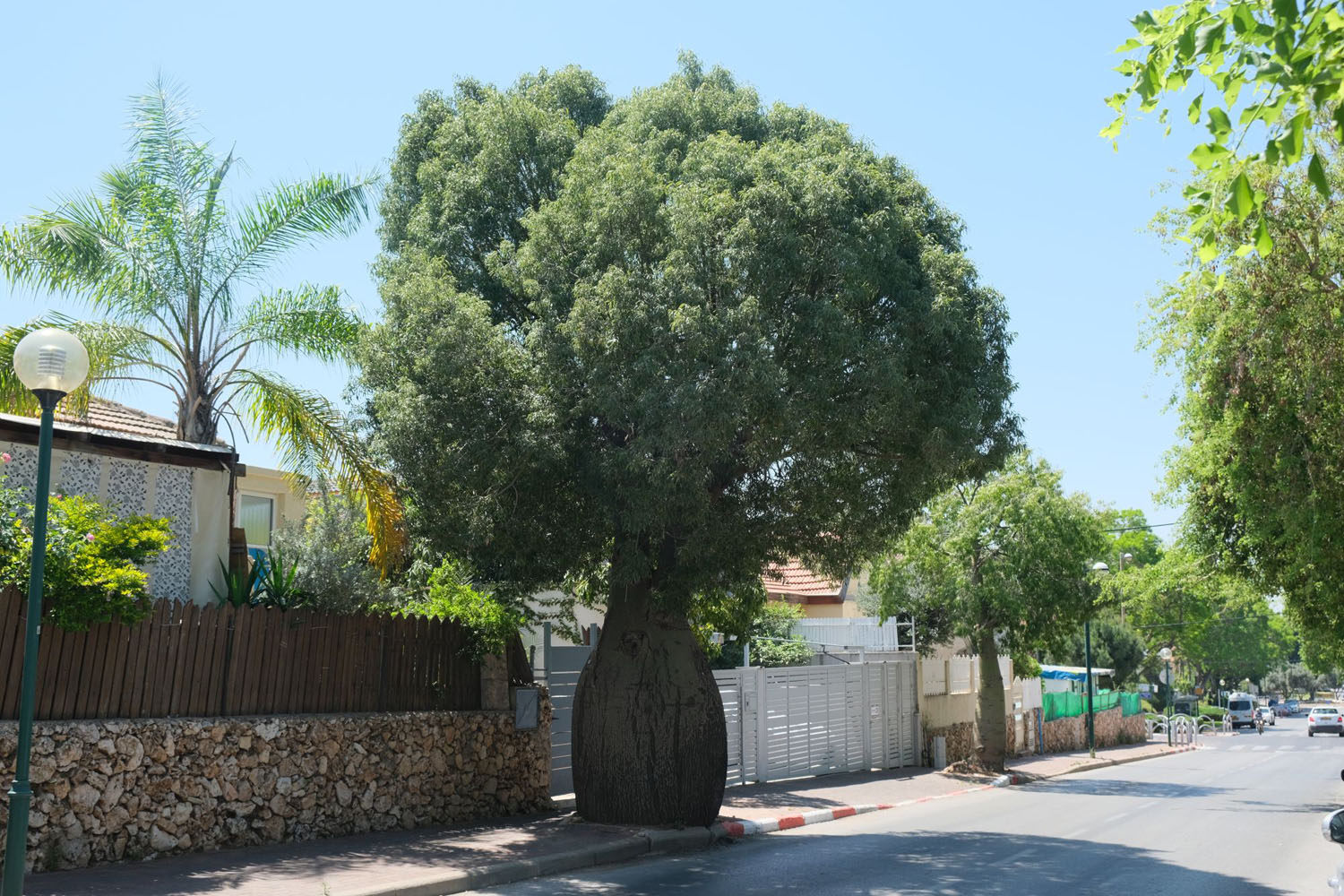
Except the answer split in two. In Porto, it’s a healed wound — a fungus attacked the tissue, and the trunk laid down scar tissue in response. In Israel, no wound at all: the Australian bottle tree (Brachychiton) simply stores water for drought, and the swelling is just its healthy, ordinary anatomy. Same shape. One is a scar. The other is a reservoir. A picture like this only gives up its answer if you look past it — a riddle-image is an invitation, never a conclusion.
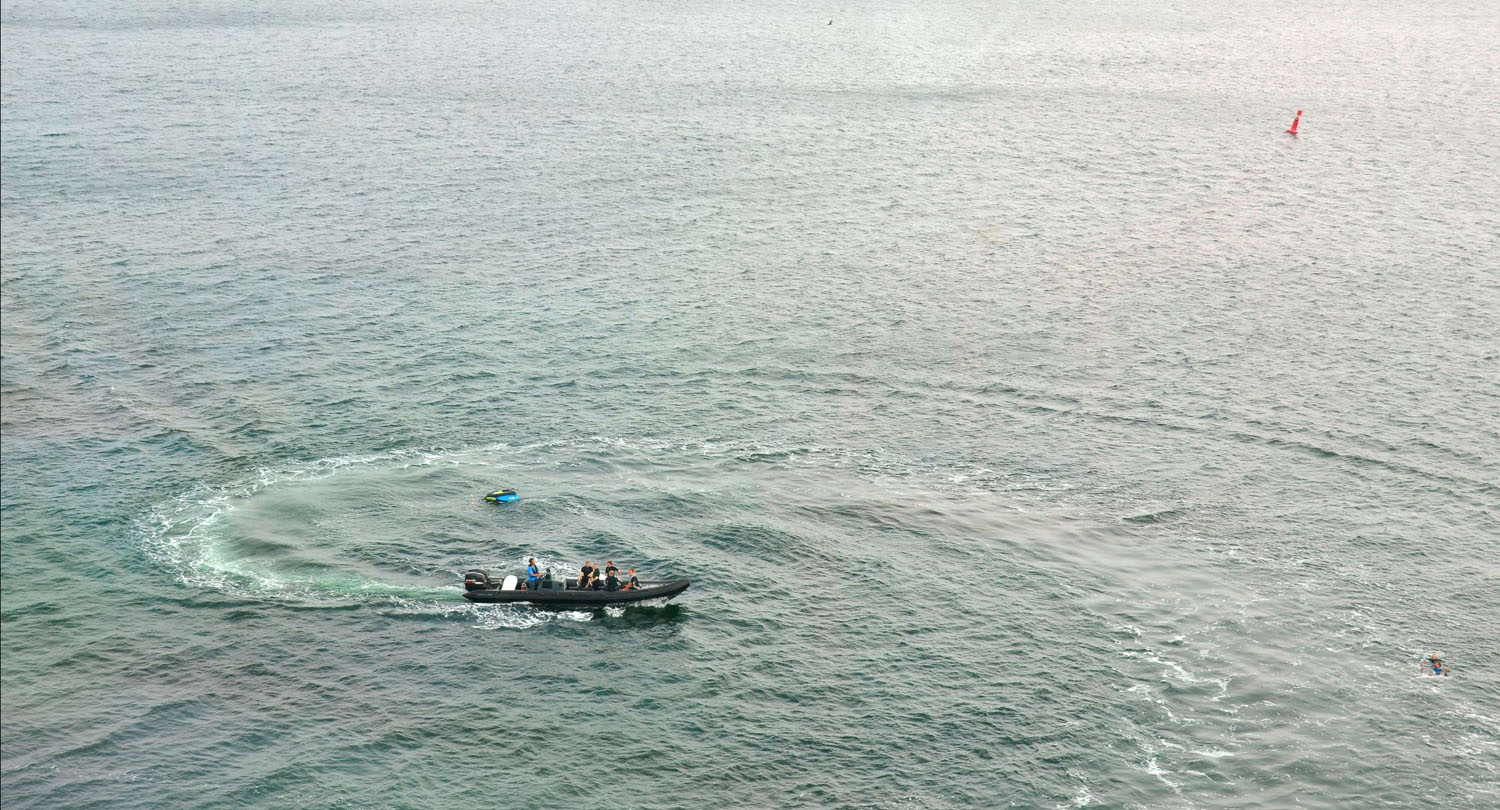
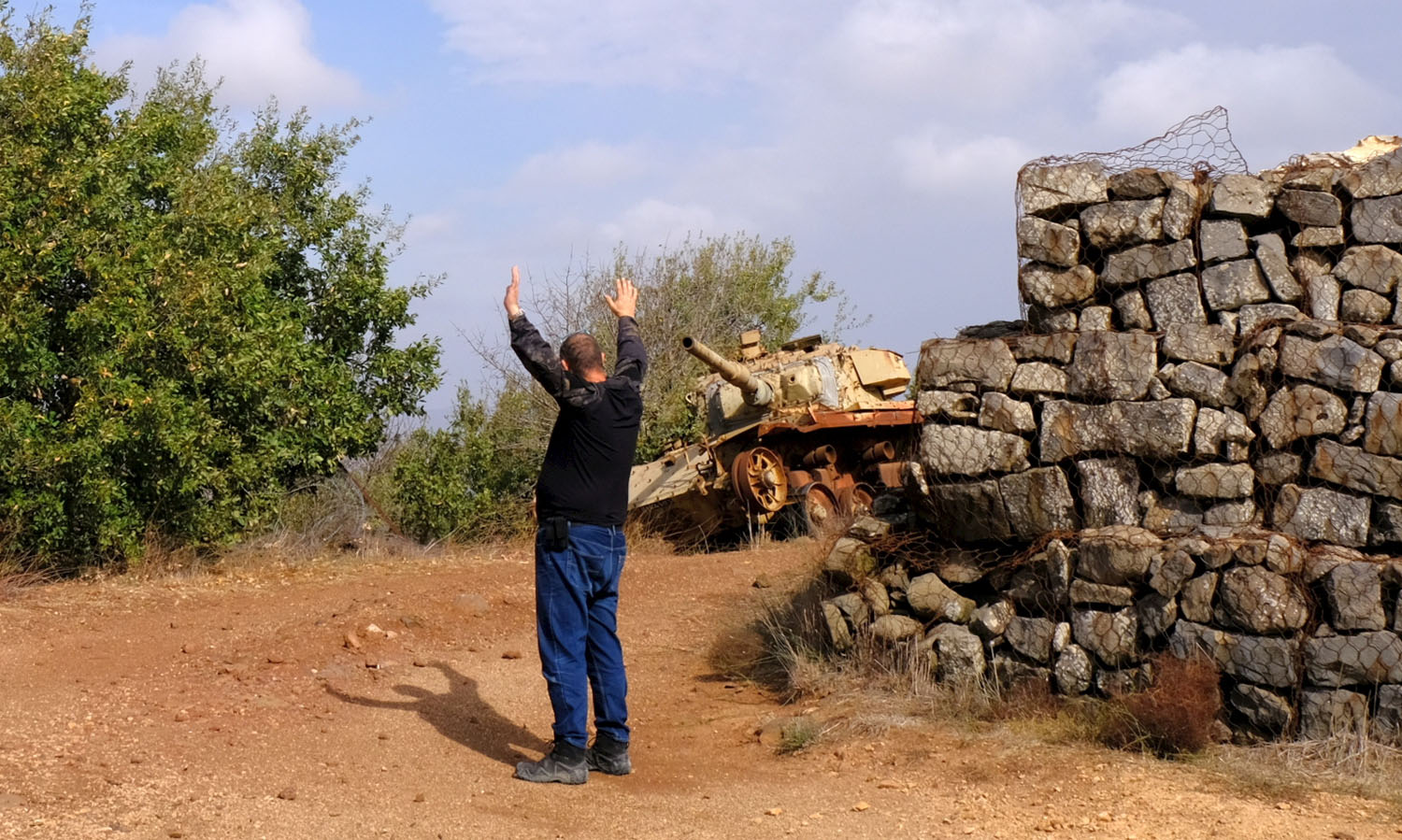
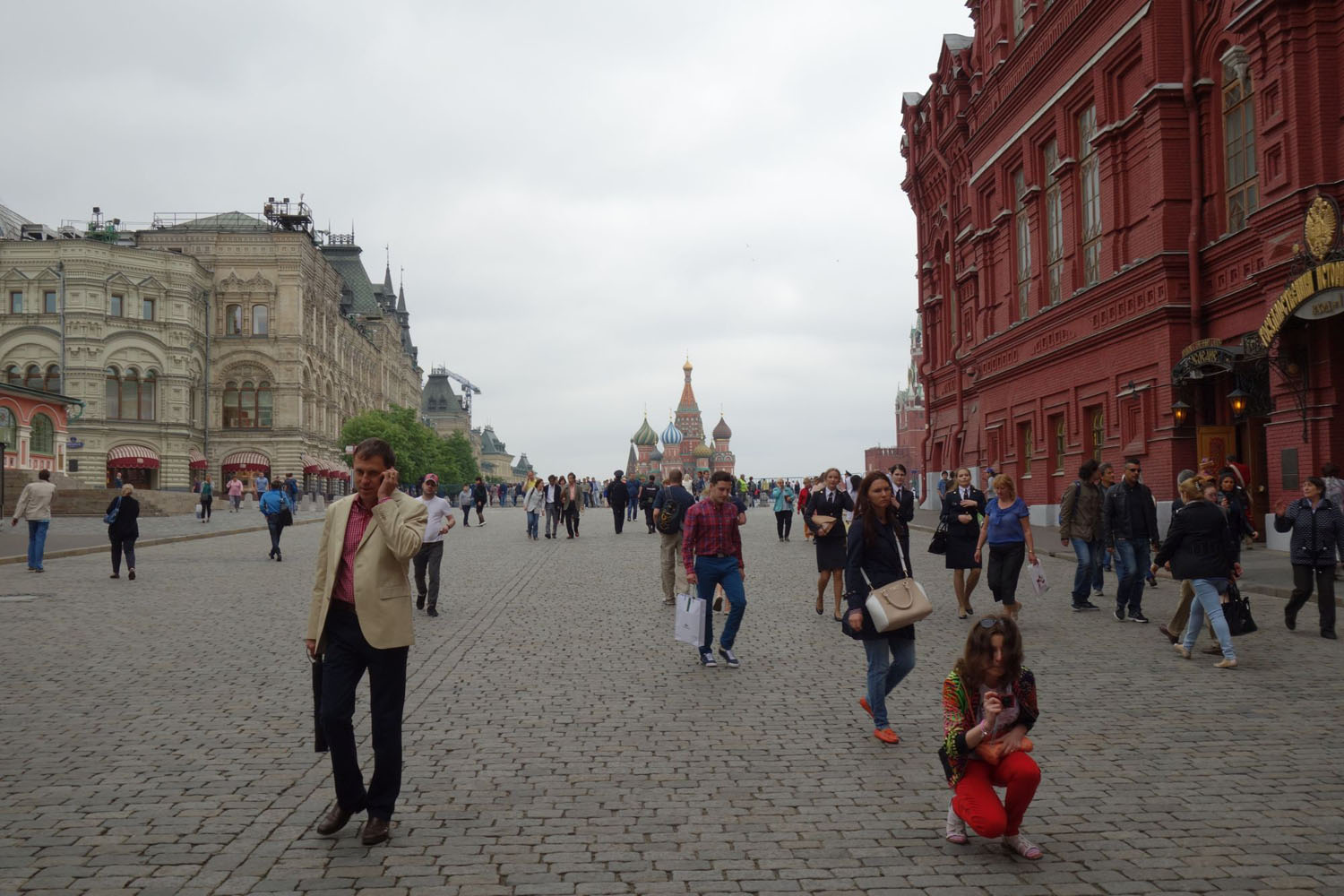
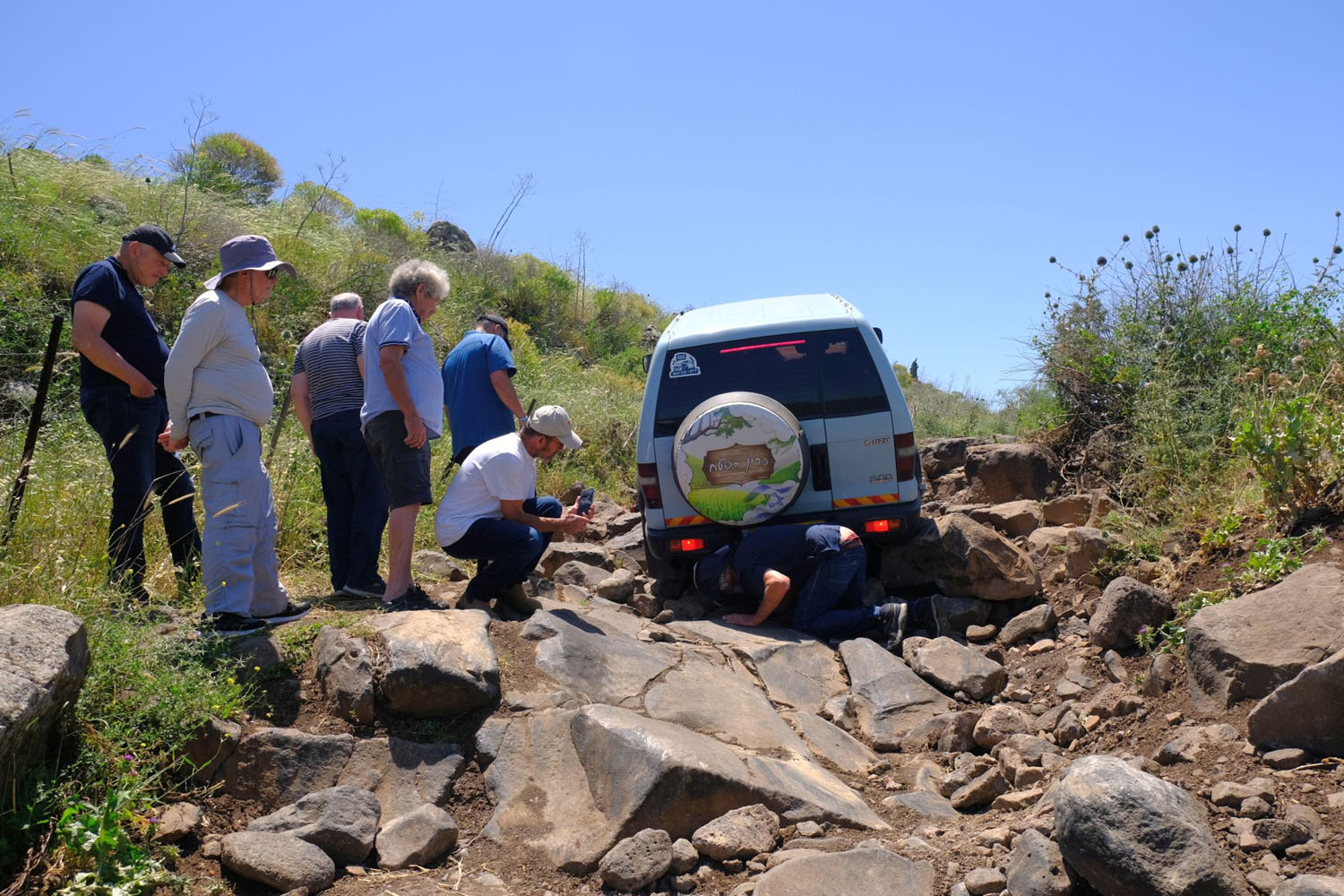
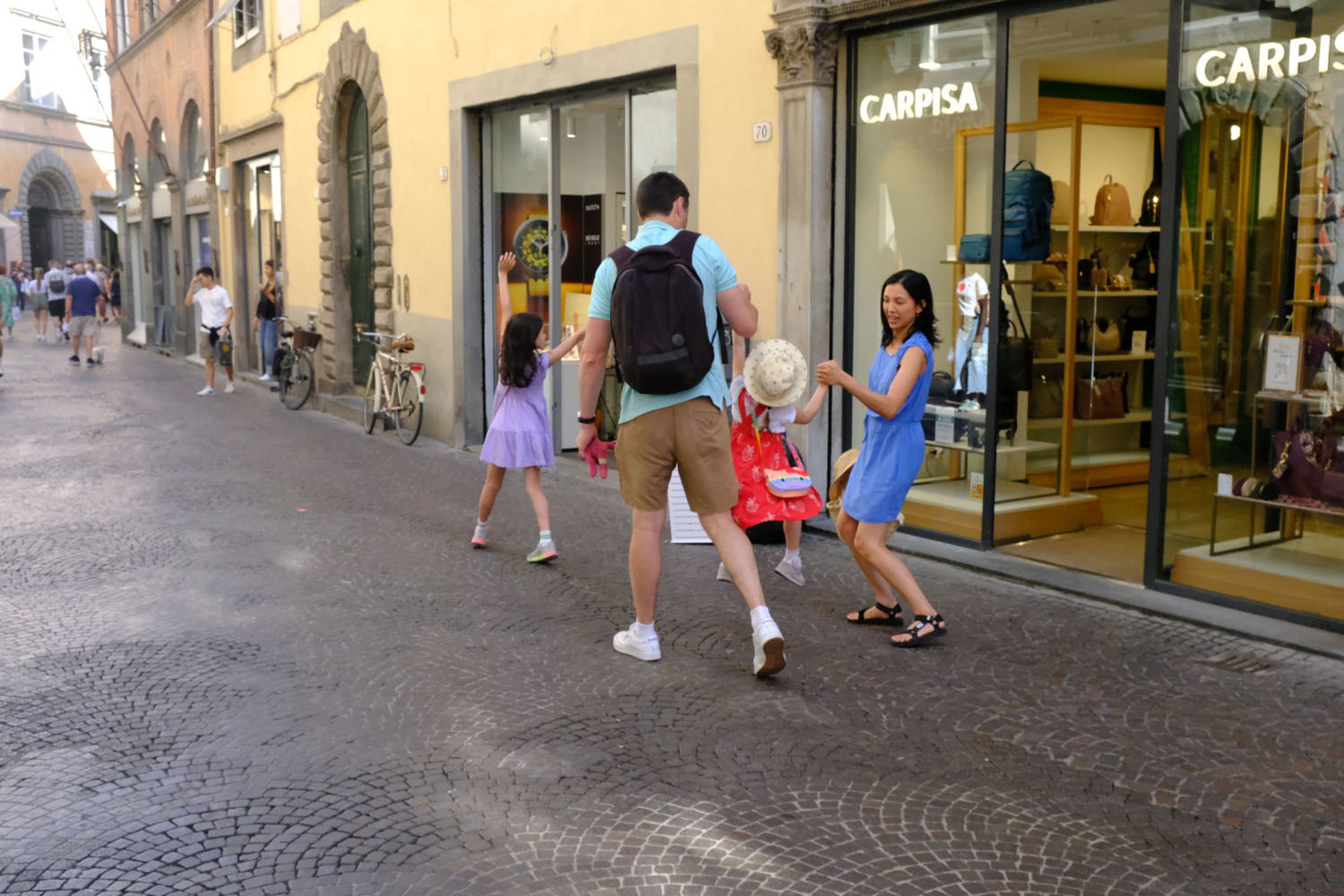
And unstaged authenticity — sometimes it’s just someone else’s joy, nothing to do with the photographer at all. A glimpsed moment where the impulse beats the pose, moving you for no personal reason: a stranger’s genuine smile is contagious on its own terms.
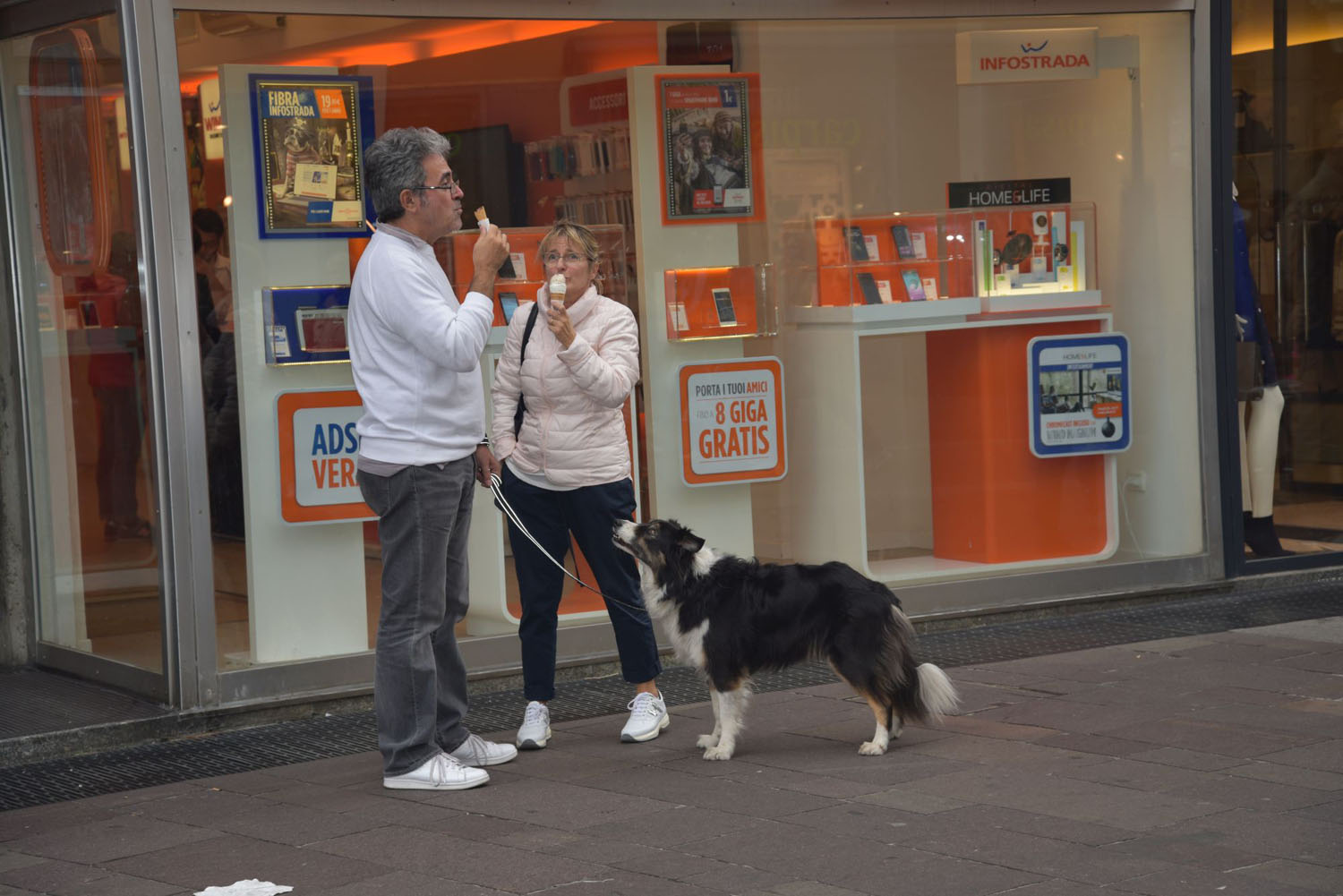
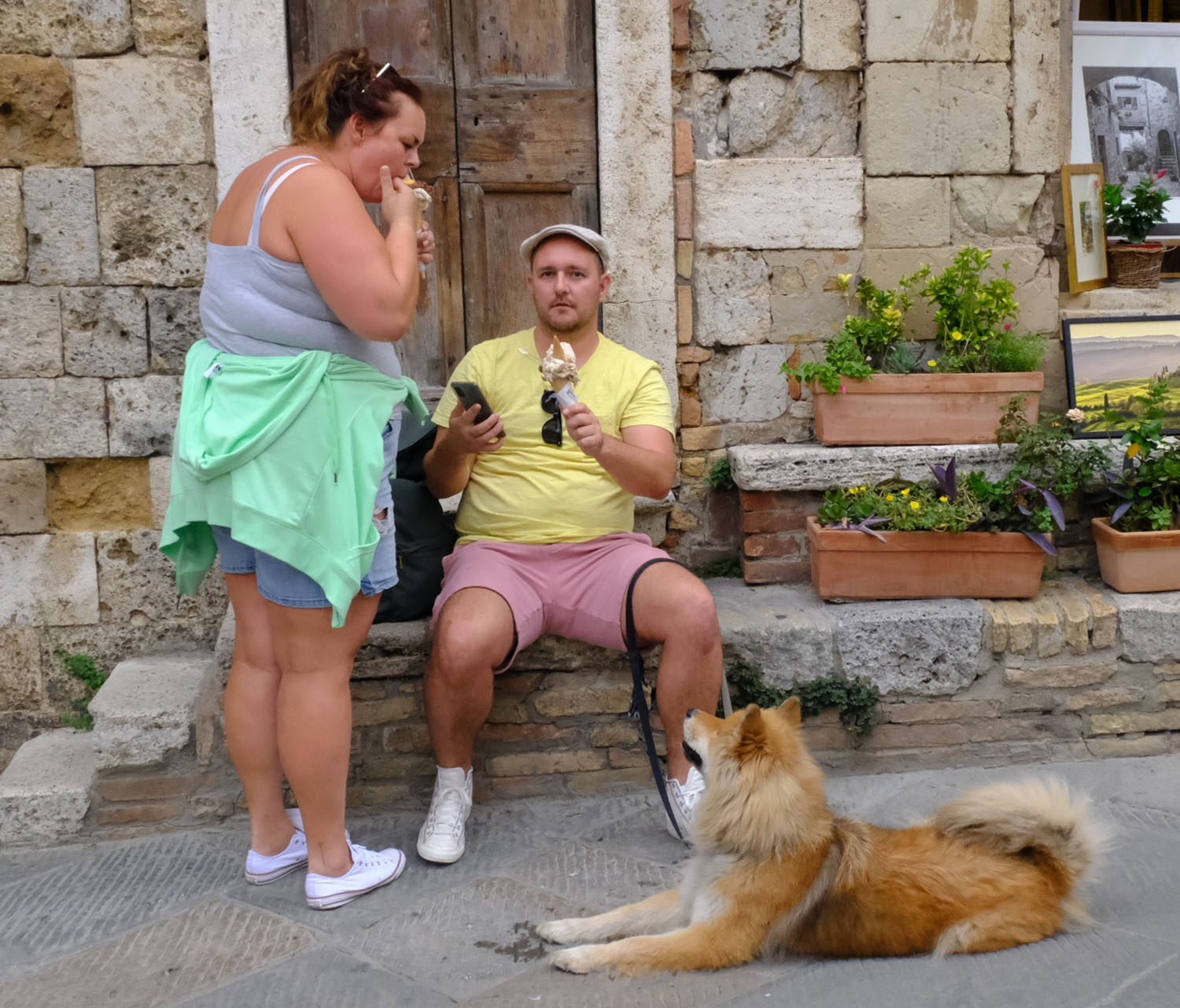
Sometimes a scene finds the photographer again, unplanned — the same dog, entranced by someone’s ice cream, turning up at someone’s feet in one city and then another, years apart, different cameras, no intention behind either shot. Only later, sorting through the archive, does the rhyme announce itself.
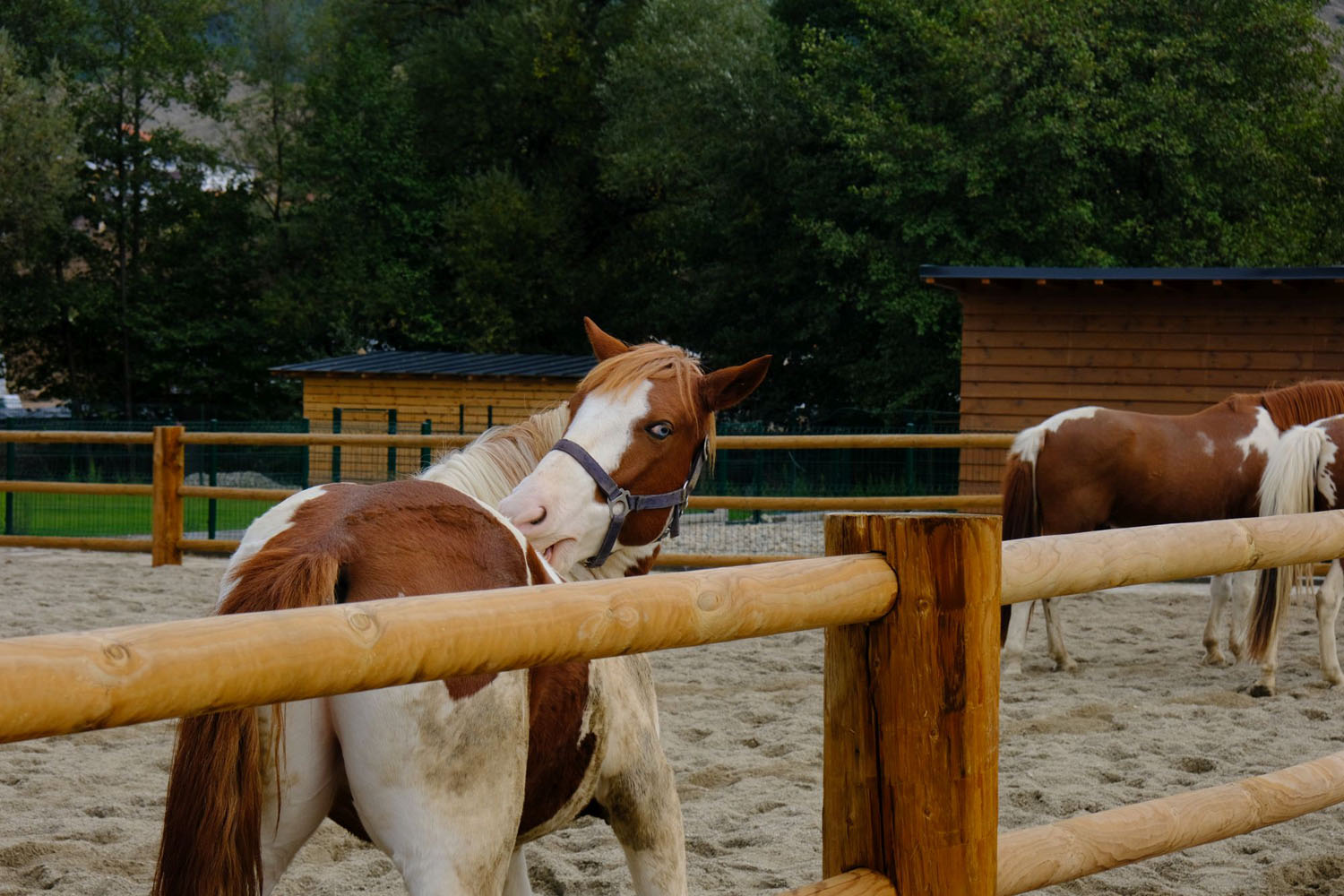
And sometimes the camera itself breaks the purity of the moment — even when the subject isn’t human. A horse wanders into frame and glances sideways at the lens, and suddenly nature, which was supposed to be something separate from us, turns out to be watching too.
The Return of Distance
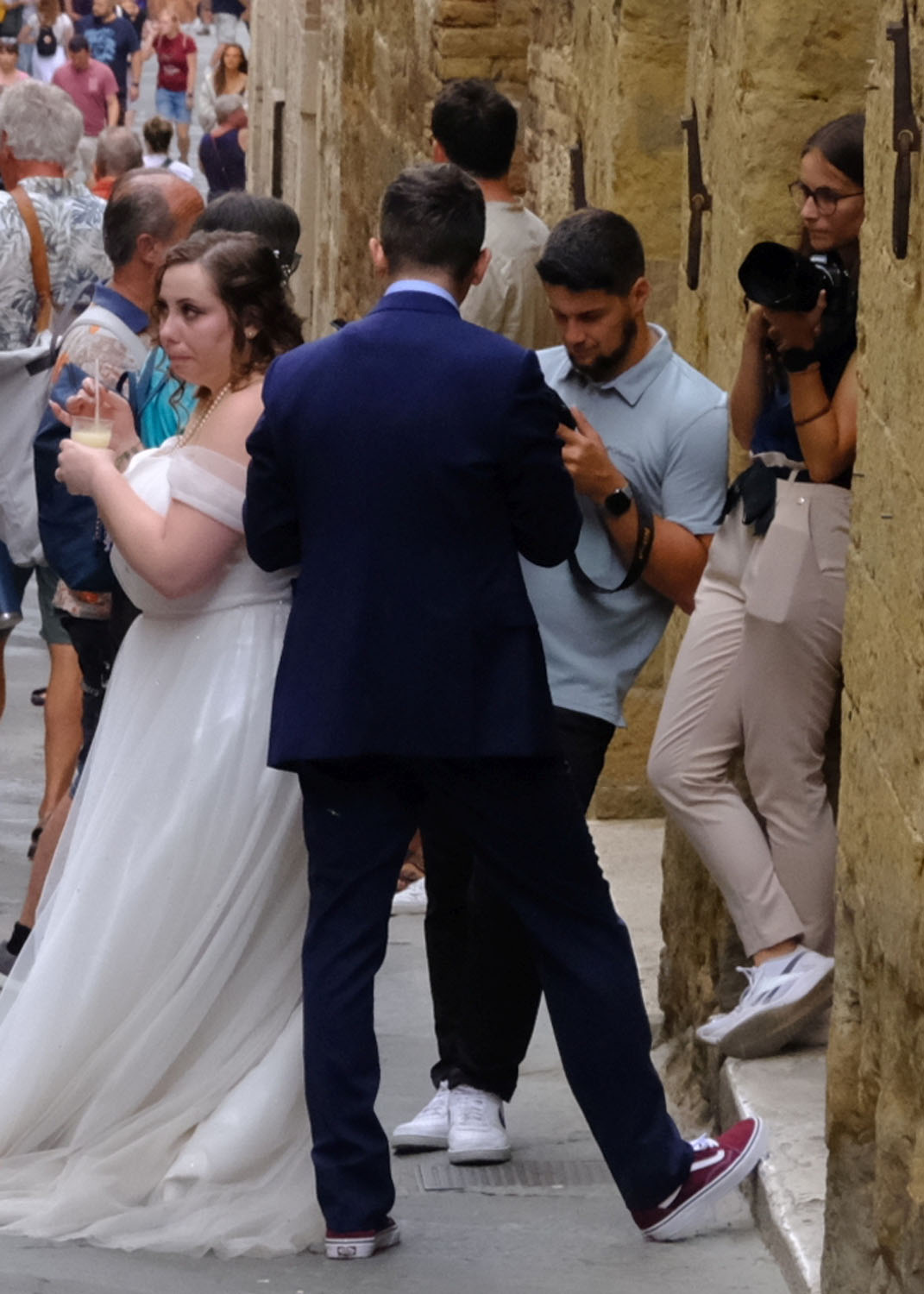
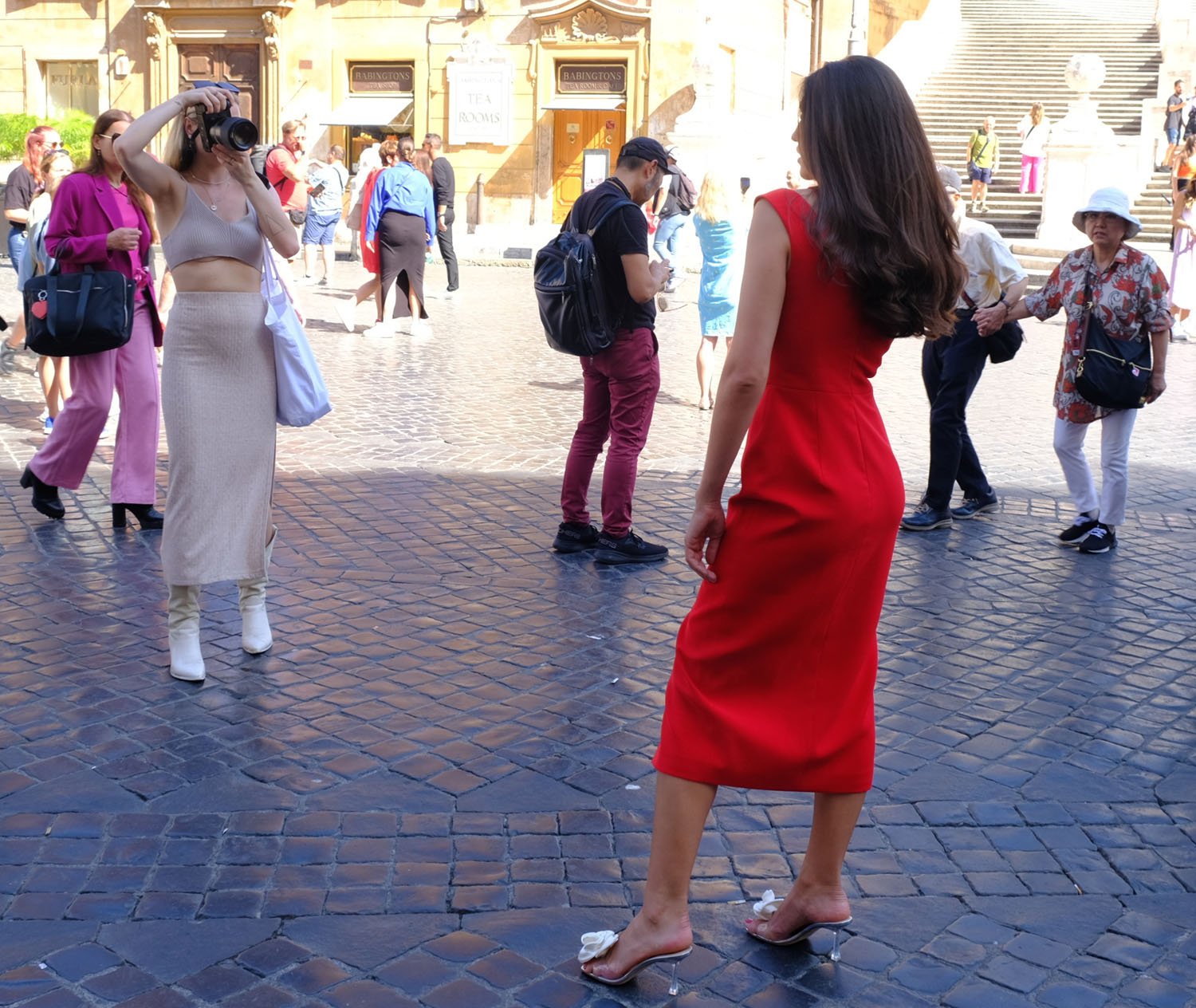
There’s a real paradox buried in all of this. When someone hugs a bronze hero, copies a monument’s pose, or turns their back to a masterpiece for a selfie, they erase the distance between themselves and the object. But when a photographer captures that scene from outside — the person, the emotion, the ridiculous pose, the act of lighting up an old film strip with a phone screen — the distance comes back. A second-order mirror forms. The lens strips the performer of their starring role and turns them into something else: a document of the era.
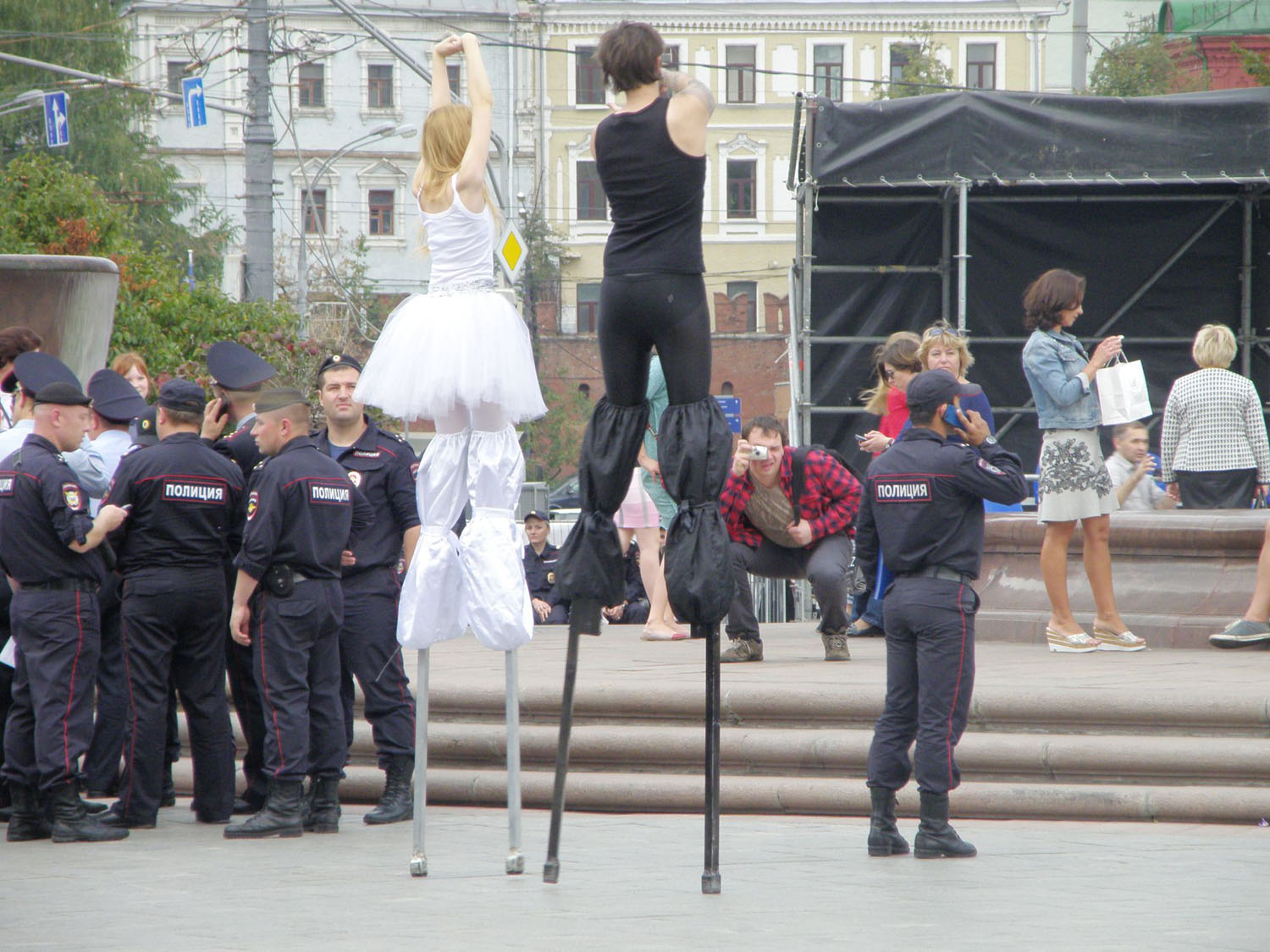
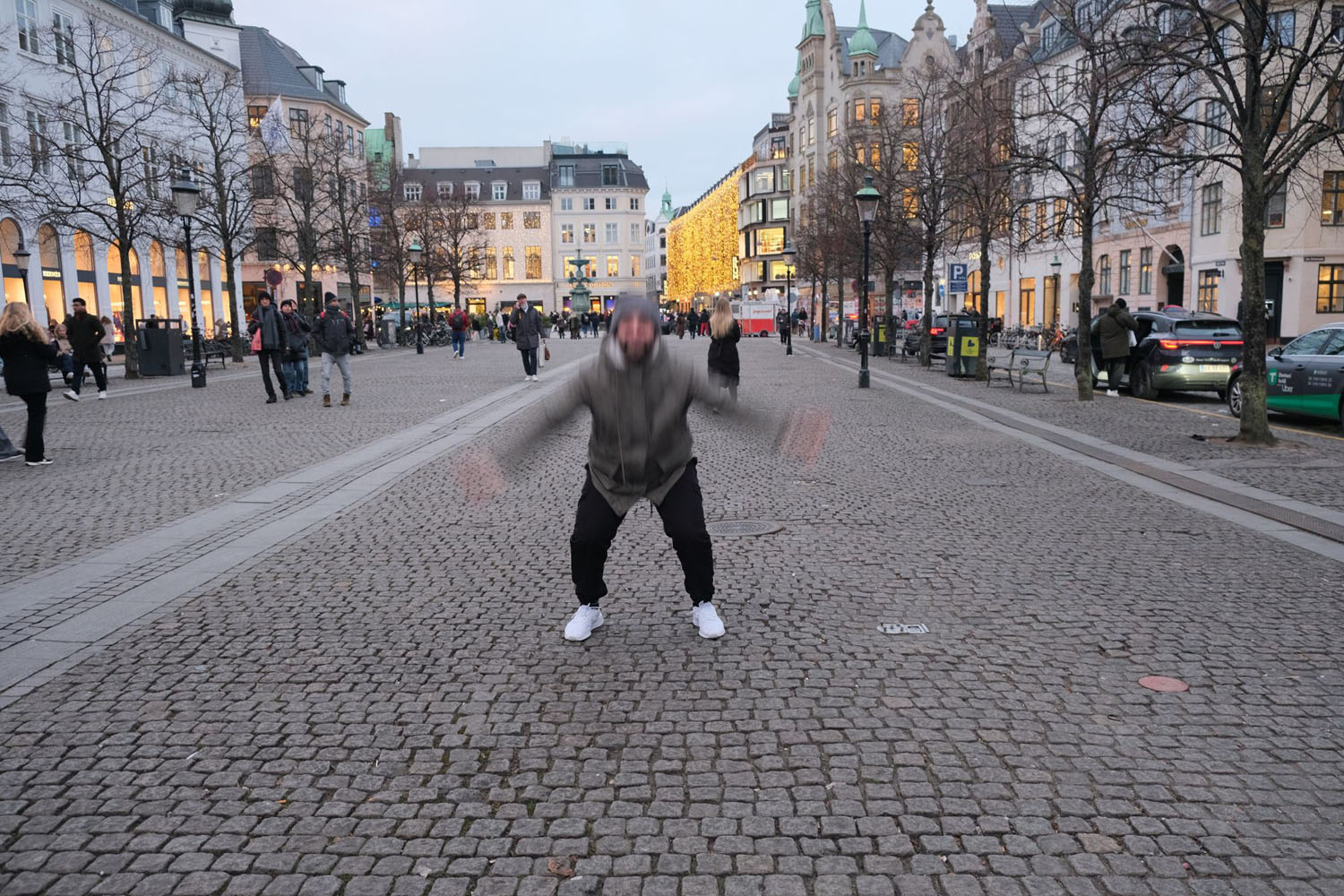
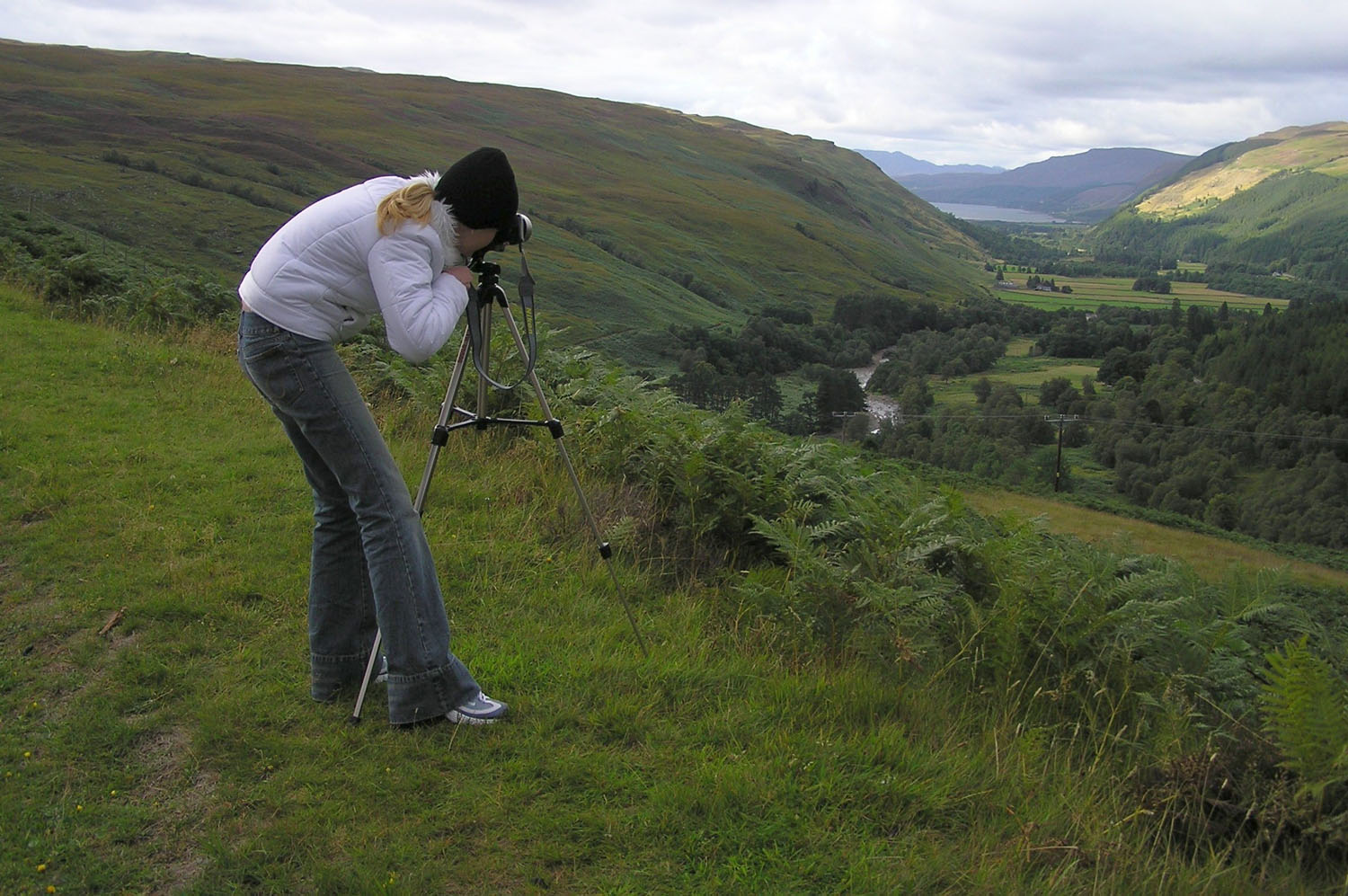
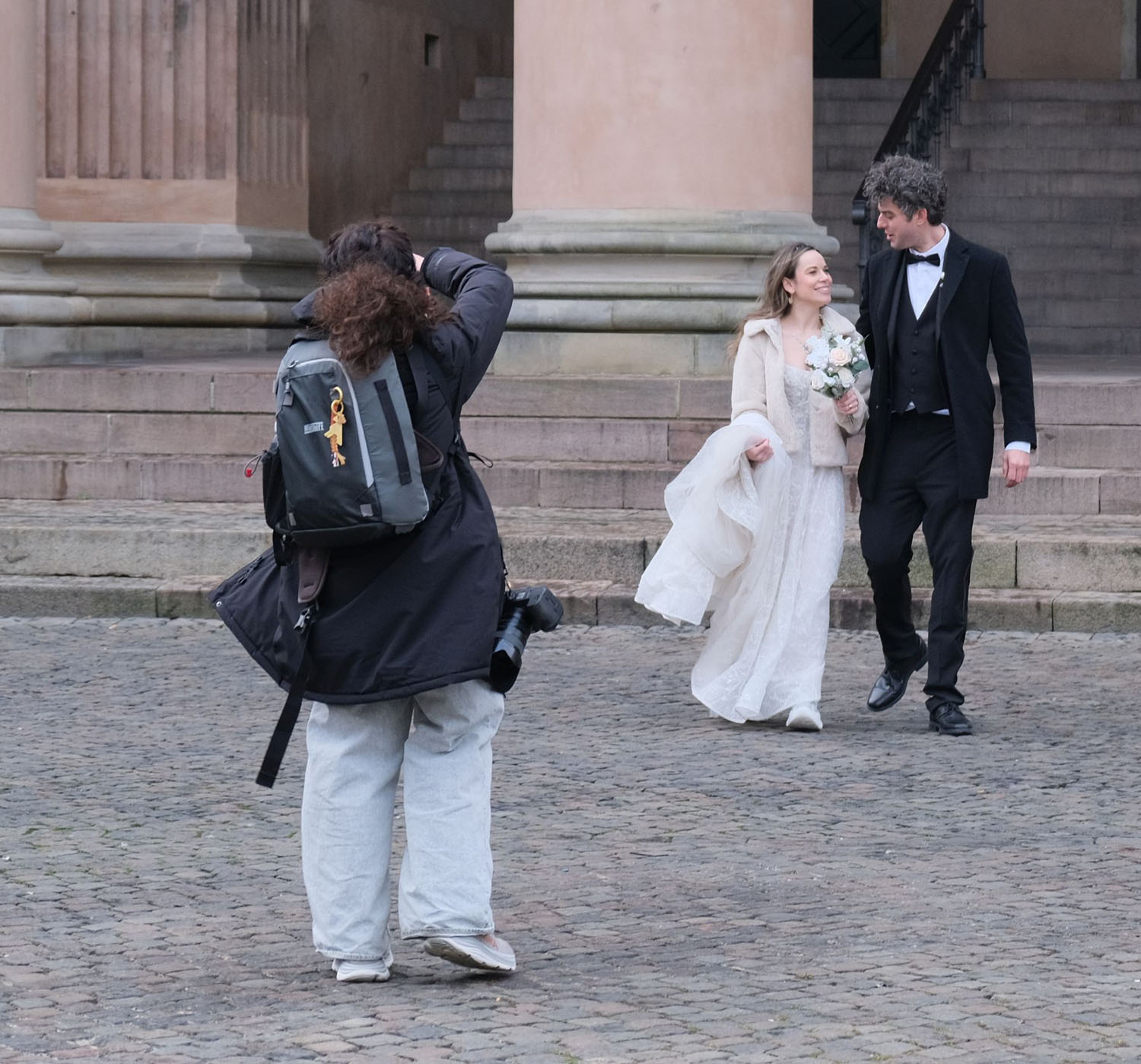
Sometimes the frame catches the act itself — a photographer hunting for an angle, a wedding photographer working a couple into the lens, someone photographing themselves in a square where two others are doing exactly the same thing nearby. Then the mirror isn’t reflecting a scene anymore. It’s reflecting another mirror. And it gets hard to say where the watching ends and the next layer of watching begins.
Living with the Mirror
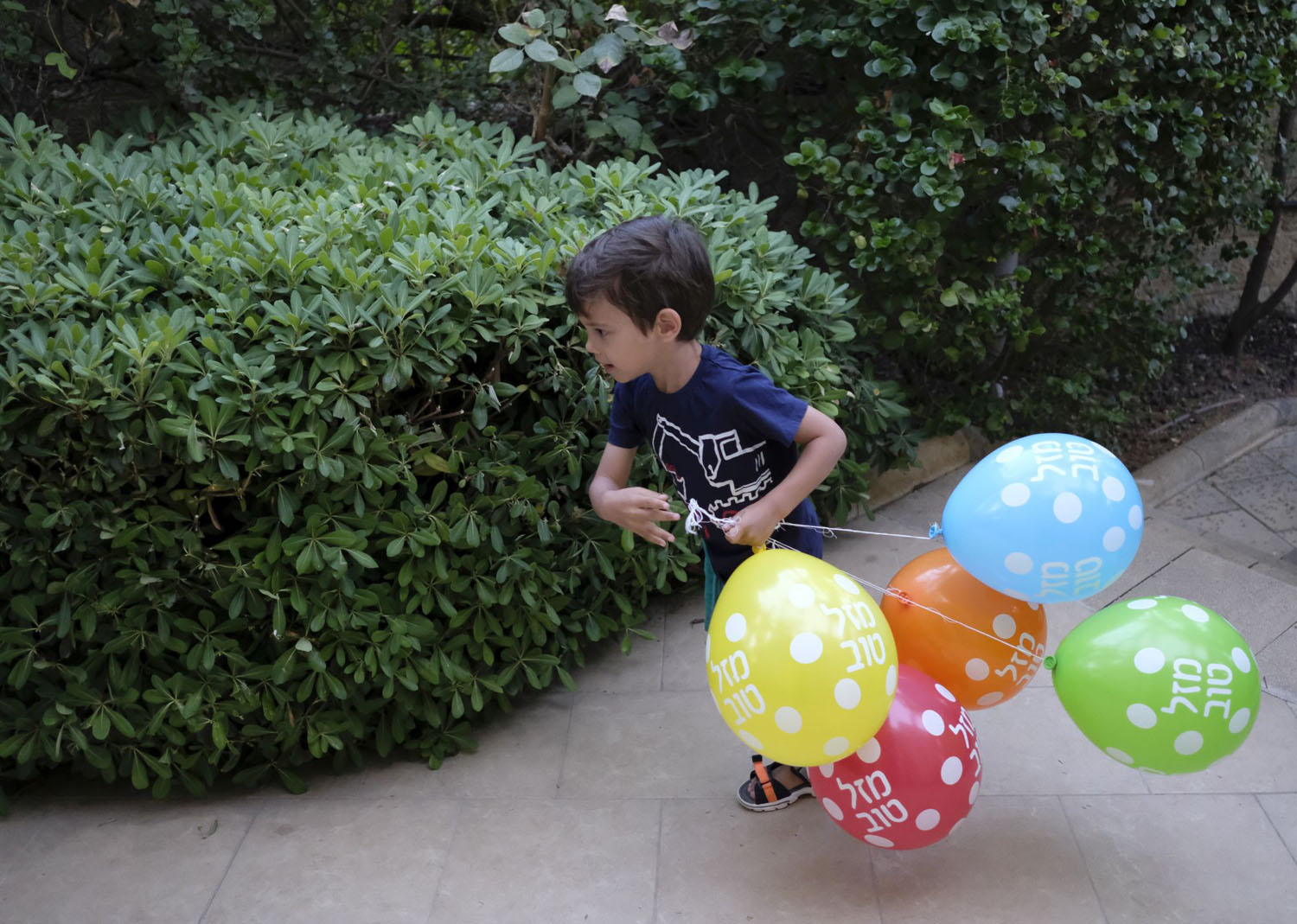
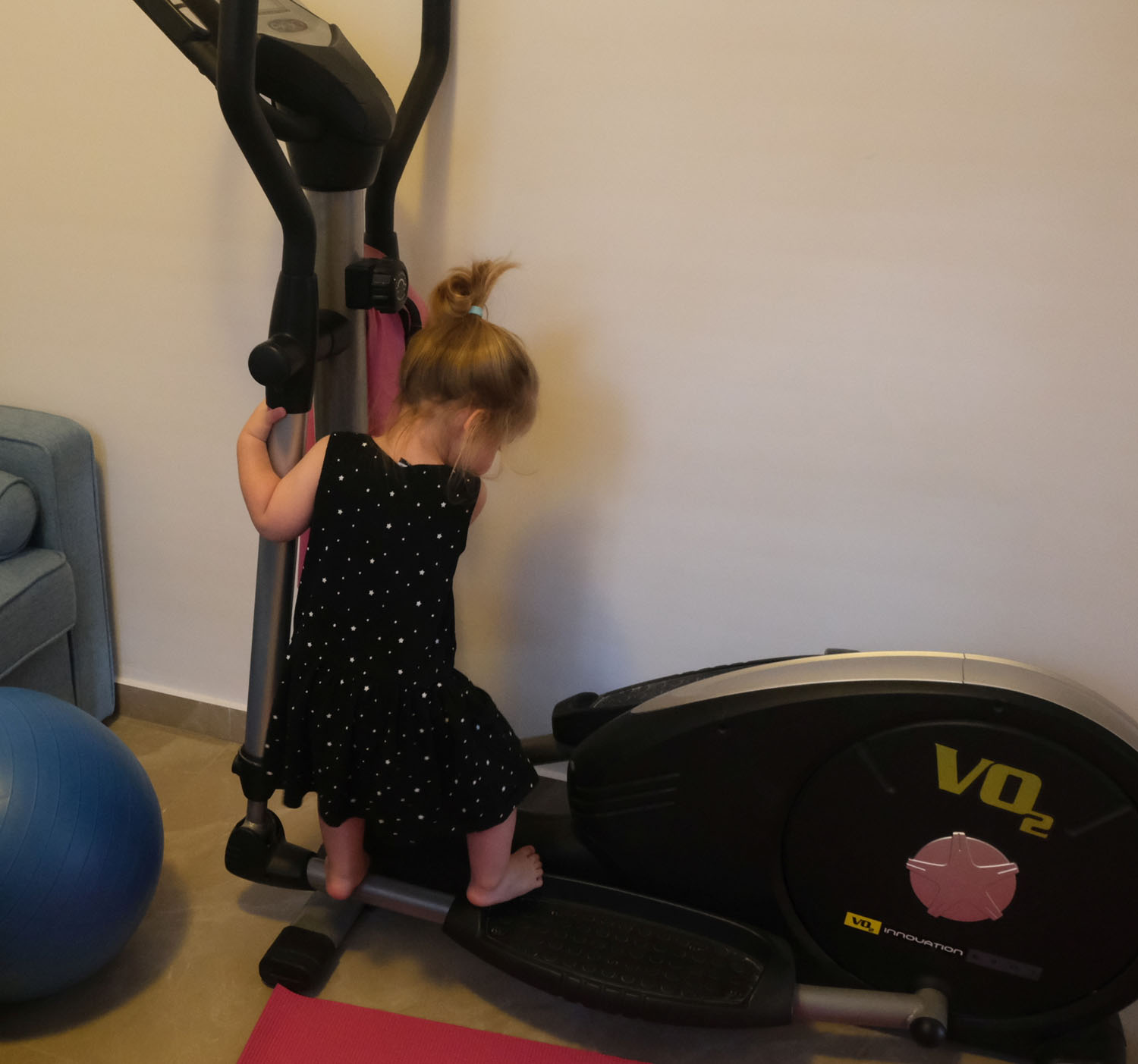
A photograph becomes a Living Mirror not by design but almost by accident — and yet not just any photograph. Looking back over everything said here, a common thread emerges: these are frames built on meaning rather than perfection — with an accidental detail, a shadow, the light of that particular hour. Frames shot from a distance rather than from within one’s own performance. Frames that leave behind a question rather than an answer — those very “riddles” that resist being read in an instant.
The path photography has traveled — from a copyist painstakingly reproducing a masterpiece in a museum hall, to a selfie in front of that same painting. From a motionless monument to a living person frozen like a monument for the sake of someone else’s shot — it is not a path of technology but of our own way of standing beside something larger than ourselves. Sometimes this path folds back on itself: a photographer photographs another photographer searching for their angle — one act of watching folded inside another.
Photography remains a Living Mirror — not because the image itself changes on paper or on a screen: physically, it stays the same. The mirror is “living” because what it reflects is not the past itself, but our present selves looking at it. And half of what it holds was never a face at all — a tree, a shadow, a patch of light on a wall. What comes back to us there isn’t how we looked. It’s what we once thought was worth stopping for. An ordinary mirror shows us only this very second. A photograph brings two moments together in a single point — the person who once held the camera, and the person looking at the picture now — and it is in that collision that a third, new meaning is born, one that existed neither at the moment the picture was taken nor in ourselves before we looked at it.
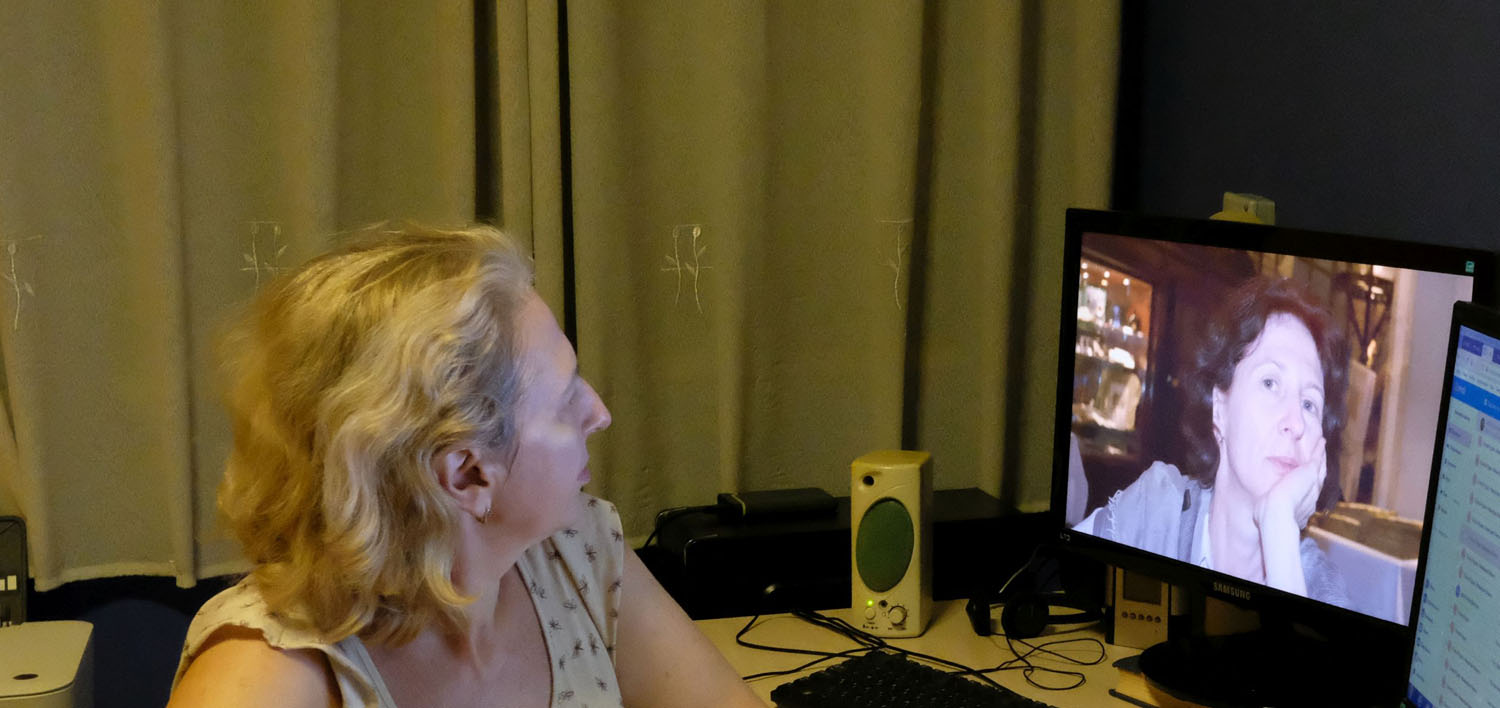
Even a frame that seems, at first glance, incidental and forgettable can one day become just such a mnemonic key — if the author allows themselves to slow down and return to it.
If photography once reflected only a person’s portrait and their private memory, today it inadvertently reflects something else too: the very way our manner of looking keeps changing — from quiet contemplation to a louder, more public form of self-presentation. But its central task remains the same: it is still a space for a conversation with oneself, where we reread old pictures and find in them what we have only now become ready for.
“My name is Michael Mesh, Ph.D. in Physics and Mathematics.
Now retired. Worked for the last 25 years in different high-tech companies in the field of optical communications. Now family, travel, photography, movies, books and music fill my time.”