Rediscovering photography through the Fujifilm X-T5
Introduce yourself and tell us how photography came into your life. Where did the journey begin?
My name is Kari Korpihete. I’m a 77-year-old youngster from Helsinki, Finland, and I’ve been an enthusiastic amateur photographer for most of my life.
My first camera, when I was about 10, was a Coca-Cola camera, which I got for free after collecting ten Coca-Cola bottle tops. It was a small camera that used film cartridges. My second camera was a Russian Lomo Lubitel 2, which my mother brought home from a business trip to the Soviet Union in 1961.
How would you describe your photographic style today, and how has it changed over the years?
That’s a good question, and a very timely one for me. Earlier this year, I had almost lost interest in photography altogether, until I discovered Fujifilm cameras online. What caught my attention was their Film Simulation recipes.
So, in August 2026, I replaced my Sony camera with a Fujifilm X-T5 and a Fujinon XF 35mm F2 R WR lens. Now I feel like I’ve been reborn, and my enthusiasm for photography is back!
Which photographers have shaped the way you see, and what exactly did you take from them?
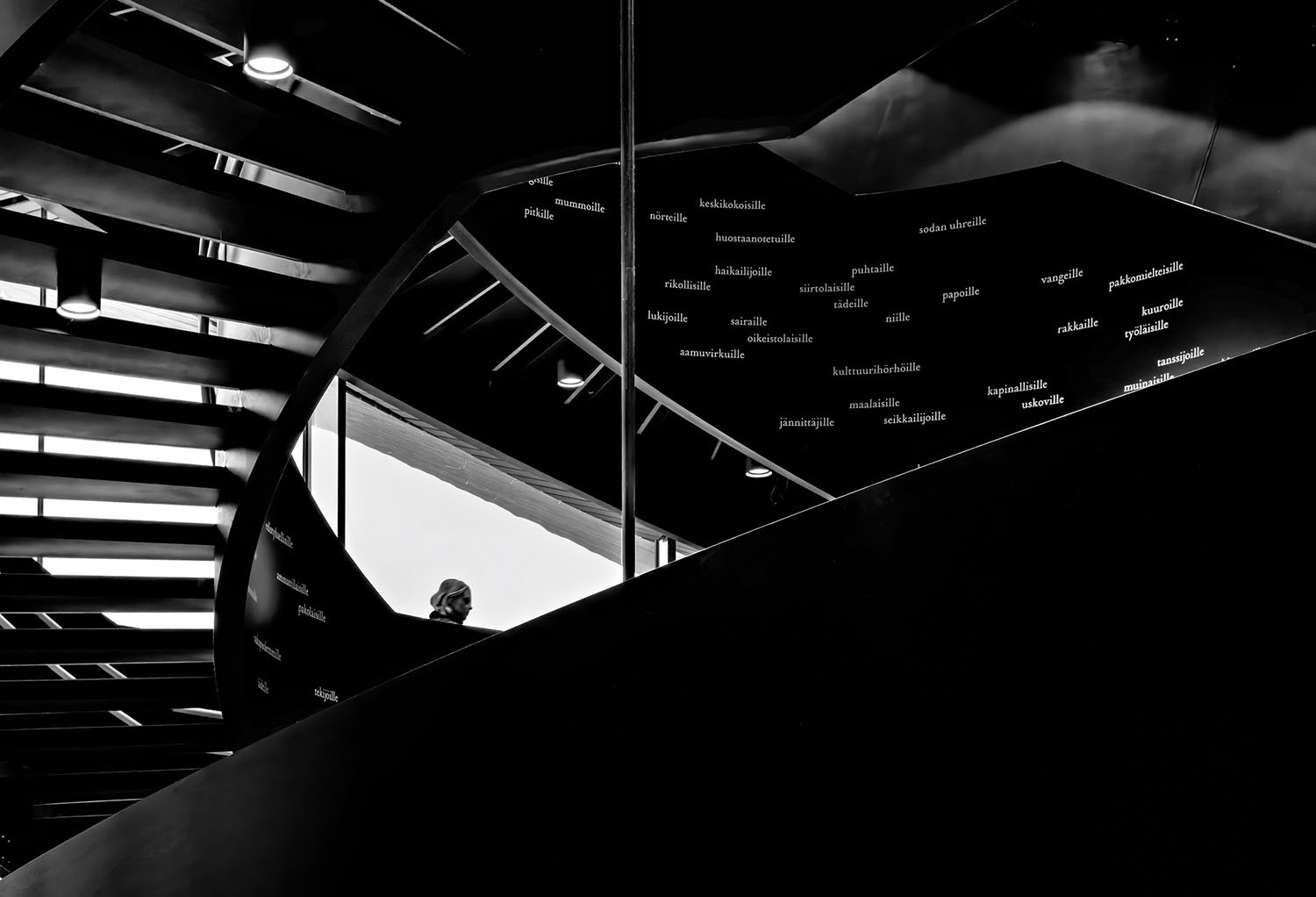
With my new Fujifilm camera, I’ve mainly started exploring street photography. Much of my inspiration comes from two well-known British street photographers, Alan Schaller and Mark Fearnley, whose work I’ve been following across different media.
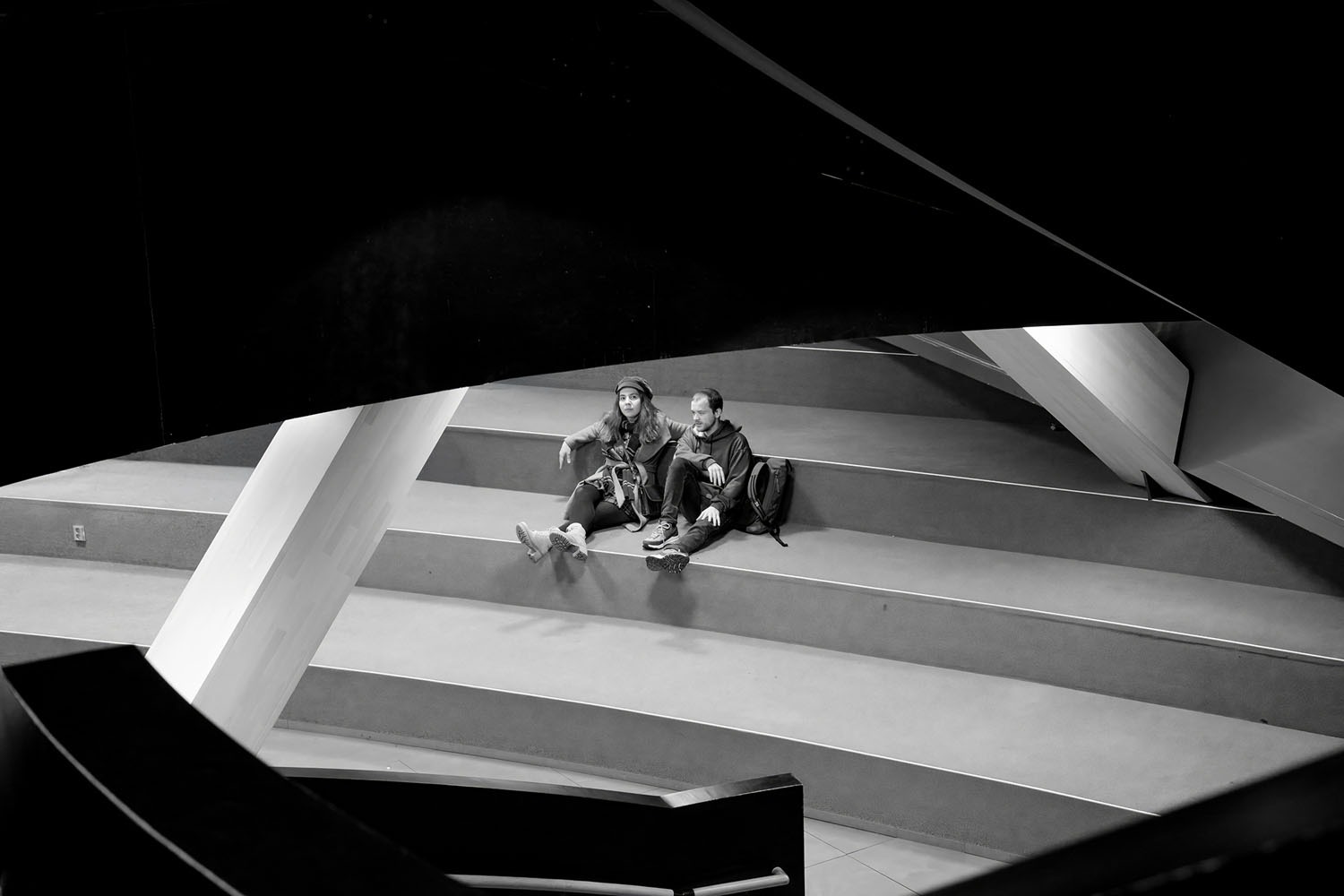
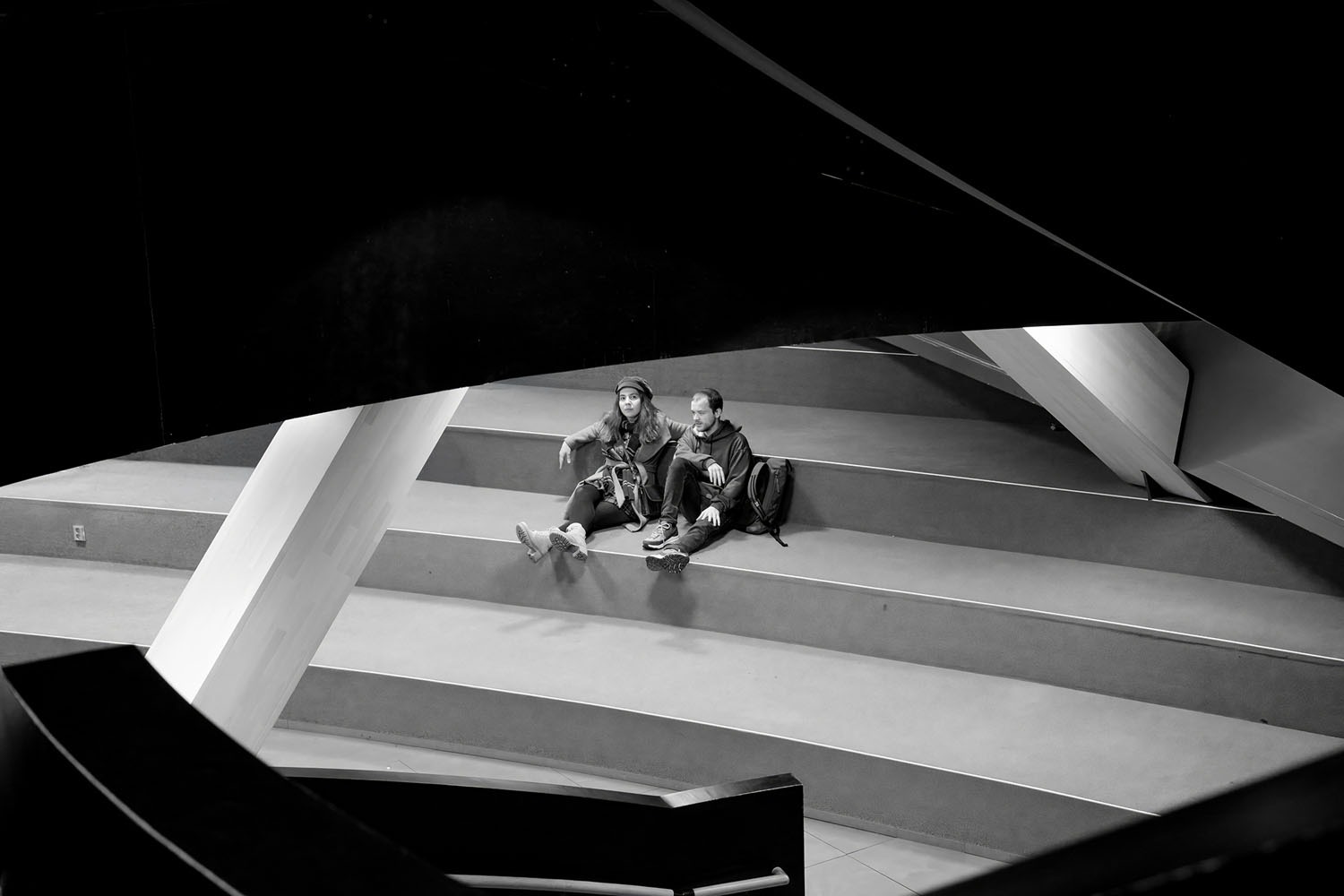
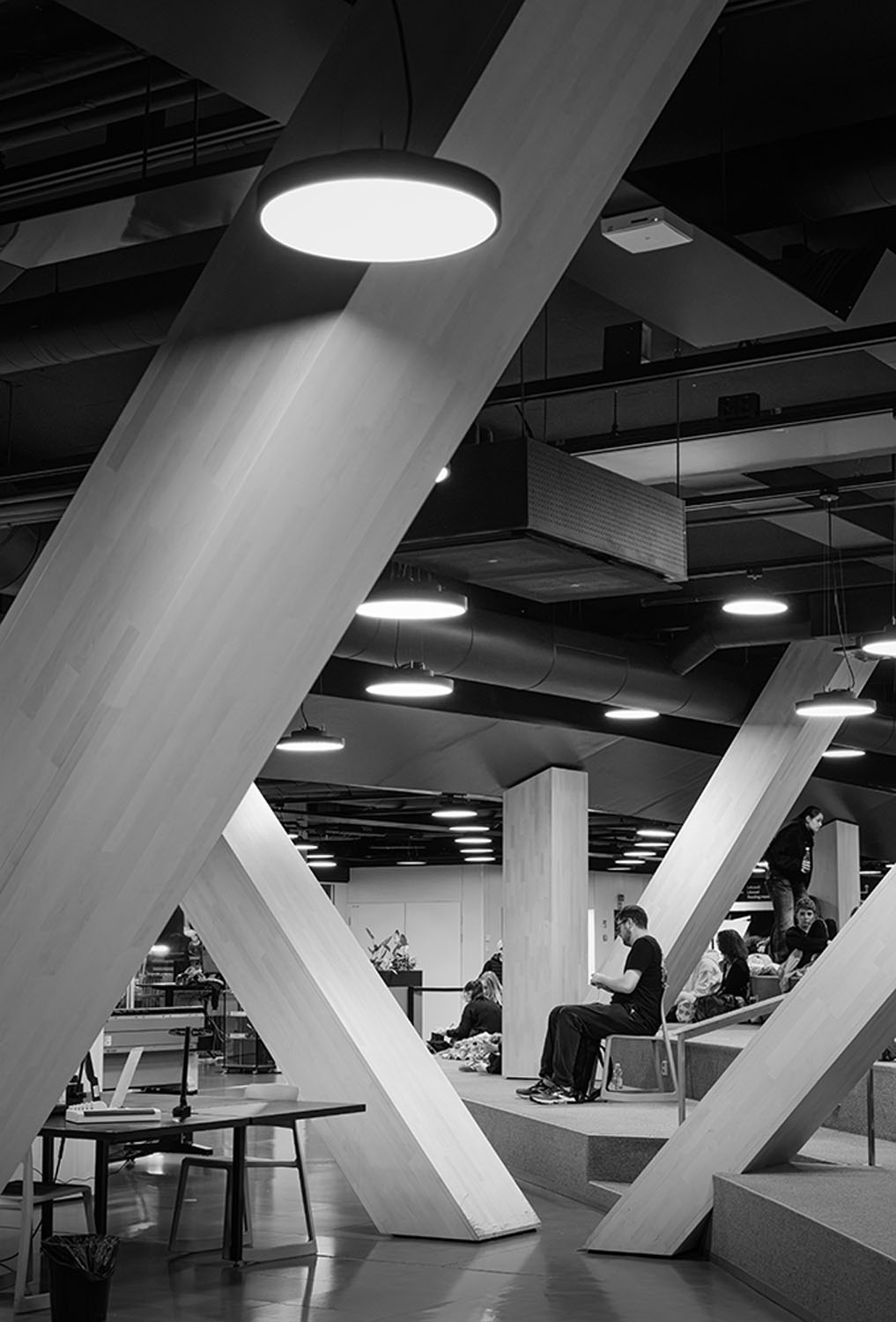
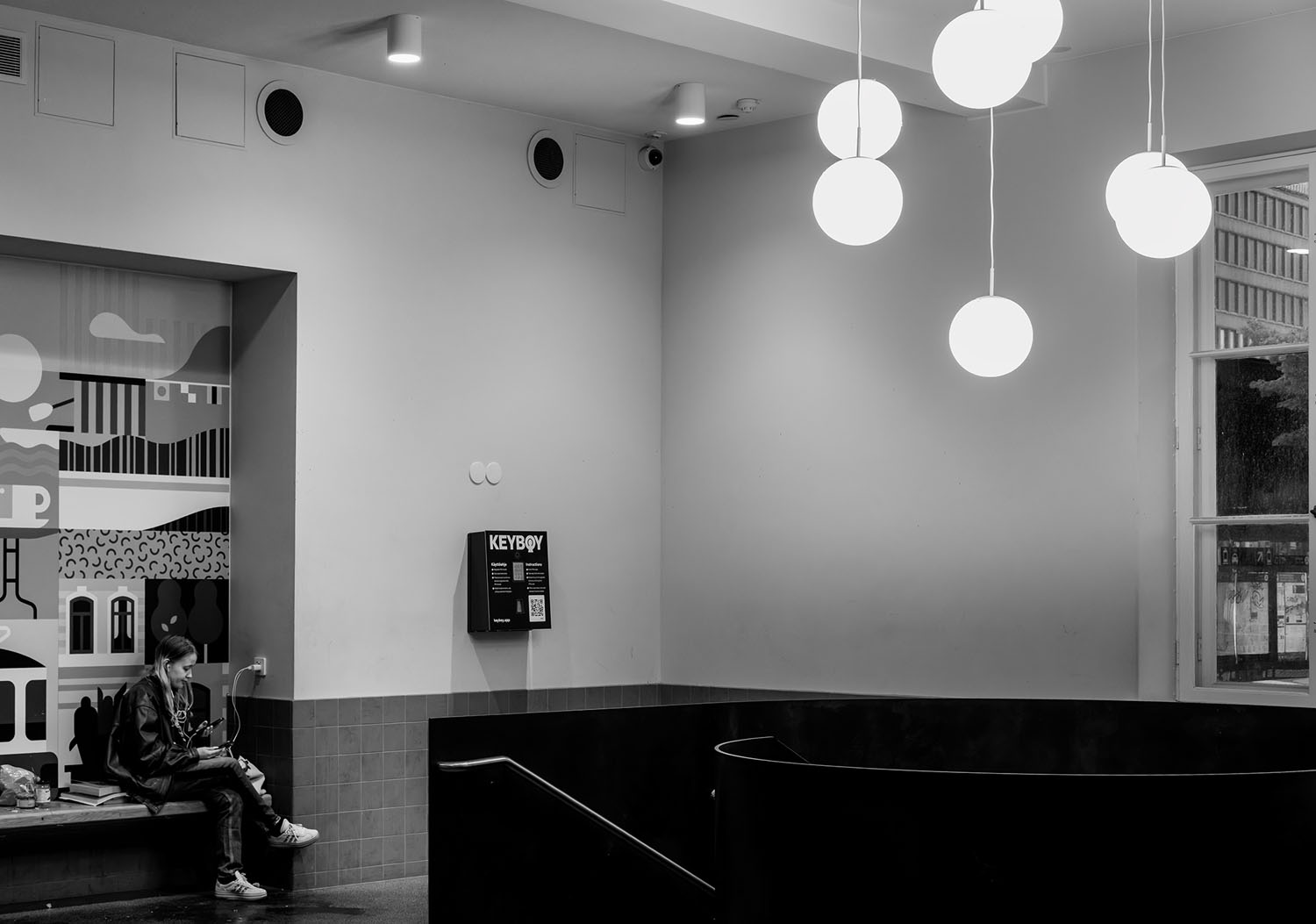
Their style is based on minimalist, largely artistic black-and-white photography, often featuring a person within a carefully chosen architectural setting, with strong contrasts between light and shadow.
If someone could see only one of your photographs, which would you choose to represent your work — and why that one?
I’ve taken so many photographs throughout my life that it’s difficult to choose just one. But perhaps it would be one of my recent street photographs taken with my new Fujifilm camera.
Which area of photography best describes your work?
Street Photography.
What first pulled you towards street photography, and what keeps taking you back out?
Inspiring work by great street photographers. I only started exploring street photography in September 2026, and it has become my greatest photographic interest at the moment.
What catches your eye when you’re walking through a city with a camera?
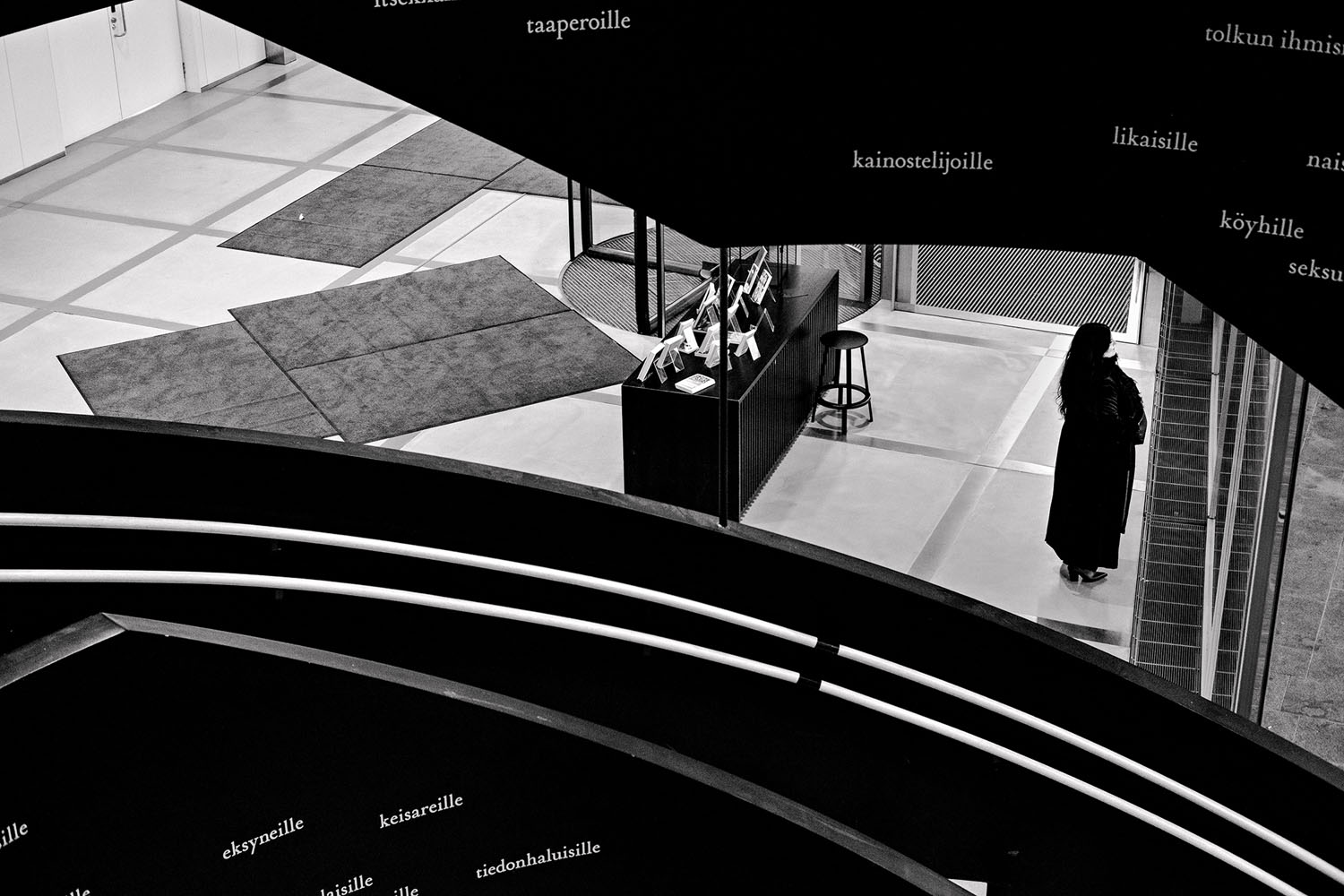
I look for an interesting architectural setting with good light and shadows. I visualise the composition and then wait for someone to walk into the brighter area of the frame.
It’s what’s known as the ‘fishing’ approach. I also enjoy keeping things minimalist, even in street photography.
How do you photograph strangers — how do you become part of a scene rather than an intruder in it?
I dress like everyone else when I’m out doing street photography. I try to remain inconspicuous, carrying a small camera in my hand and a little bag over my shoulder. People probably assume I’m a tourist, and so far, nobody has come up to ask what I’m doing.
Tell us about a chance encounter that gave you one of your favourite photographs. What happened?
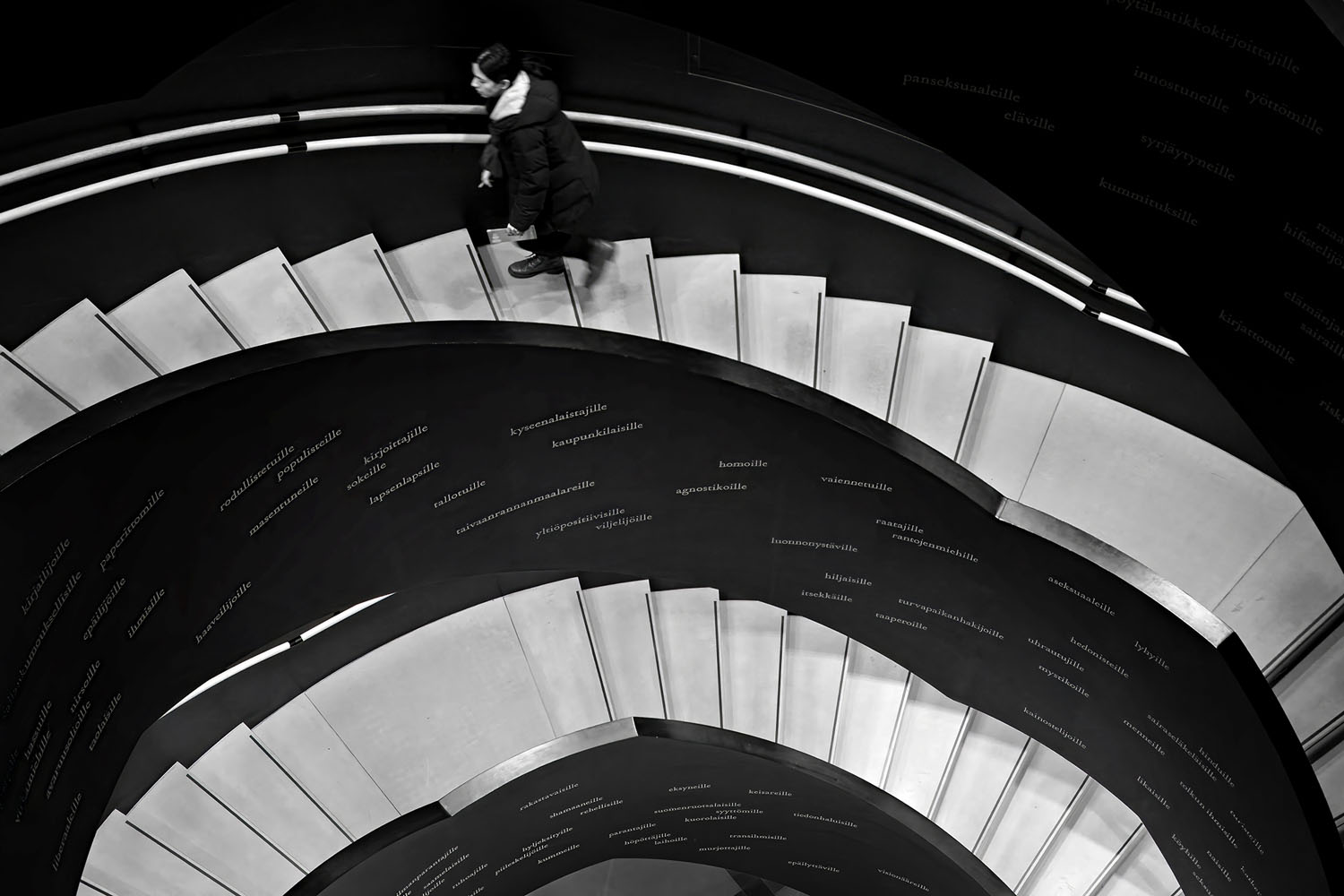
I went to photograph the beautiful Oodi Central Library in Helsinki, which has a wide, illuminated spiral staircase. I was standing at the top, photographing downwards, when a woman came walking up the stairs.
What makes a street photograph last, long after the moment itself has gone?
It’s a moment that will never happen again. It lives on for future generations, showing them what life was like at that particular time.
What camera and lenses are at the heart of your kit right now, and what makes them right for the way you work?
My Fujifilm X-T5 and Fujinon XF 35mm F2 R WR lens. I don’t need anything else.
Already, this feels like the best camera and lens combination I’ve ever owned, compared with the many other cameras I’ve photographed with.
Which Film Simulation, colour profile or custom camera settings do you keep coming back to, and why do they suit the way you see?
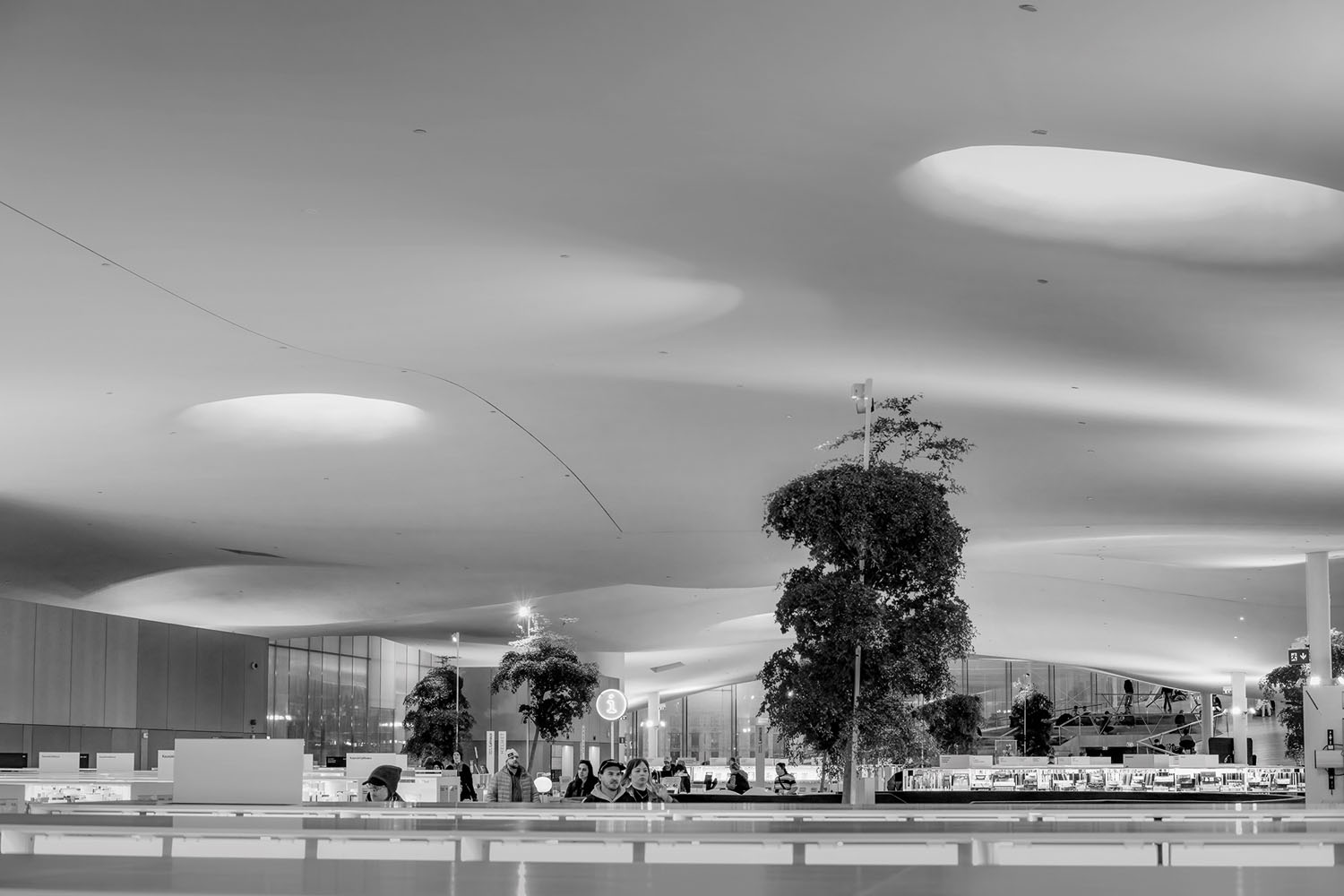
For street photography, I often use my own black and white recipe. For colour night photography, I use several different recipes, mostly ones I’ve found on the Fuji Weekly website.
I love the beautiful, rich colours of the night.
What keeps you working with the Fuji X system, and what would you miss most if you switched away from it?
I love the wonderful creative possibilities Fujifilm offers, particularly its Film Simulation recipes. At the moment, I honestly feel that if I had to give up Fujifilm, I might give up photography altogether!
Walk us through your editing workflow — which software do you use, and how much of the final image is made after the shutter closes?
I’ve been using Adobe Camera Raw and Photoshop since 2004.
I no longer spend much time editing my photographs. I simply make small adjustments to highlights and shadows, straighten the image, and perhaps crop it if necessary. When working with colour photographs, I might increase the saturation slightly.
The whole process takes around 5 to 10 minutes, which is made possible by Fujifilm’s wonderful Film Simulation recipes.
What are you usually trying to achieve in post-processing — and what do you deliberately leave untouched?
I generally leave the white balance untouched, as the Film Simulation recipes have already got it right. I simply refine the overall appearance of the image.
If you could leave a single piece of photographic wisdom for someone picking up a camera today, what would it be?
I’d say: “Remember, the camera doesn’t take the photograph. You do.”
You can take good photographs with any camera.
Looking back, what is the most valuable lesson photography has taught you?
It’s been a journey with its share of disappointments, but above all, a journey of learning.
In 2013, I was awarded the AFIAP distinction (Artist of the International Federation of Photographic Art) by the international umbrella organisation for photography. This distinction is awarded to photographers who have achieved a specified number of accepted photographs in exhibitions across several different countries.
Which single accessory could you not work without — and what would you lose without it?
My current equipment is all I need. I don’t feel the need for anything else.
How has your relationship with gear changed over the years, and what drove those changes?
Years ago, I used to carry three or four lenses in my backpack, along with a large professional-grade camera, wherever I travelled.
Today, my kit consists of a small camera and a single lens. That’s all I need, at least for as long as my ‘foot zoom’ keeps working!
What are you working on right now, and where can readers follow it?
I’m currently concentrating on street photography. I have a personal website, although I haven’t updated it for years. I’m also active on Facebook, both on my own page and in several photography groups.
“My name is Kari Korpihete. I’m a 77-year-old youngster from Helsinki, Finland, and I’ve been an enthusiastic amateur photographer for most of my life.”